

As part of MercerMe’s mission to keep Hopewell Valley residents informed and engaged, we invited the Hopewell Borough Council candidates in this year’s election to share their backgrounds and priorities. Democrats Katrina Angarone and Amy Kassler-Taub are running unopposed. Below are their responses to help you make an informed decision at the polls.
- Please briefly share your background and any relevant experience that qualifies you to serve on the Pennington Borough Council. Include public service experience, and if you are an incumbent, a review of your time on the Council.
Angarone: I have lived in Pennington for 13 years and am a career civil servant with a passion for bringing together science and policy. I have served on the Pennington Borough Council for four years, focusing on improving Borough communication and transparency, and data-driven decision making. I currently serve as the Deputy Commissioner at the New Jersey Department of Environmental Protection. In this role I am the principal adviser to the Commissioner and second-in-command of the agency, which has nearly 3,400 staff and an annual budget of approximately $1 billion. With more than 25 years at the Department, I am responsible for providing executive-level leadership for policy development, and the implementation of priority policies and projects. I am a fervent advocate of protecting public safety and the environment, and am dedicated to civil service, sound science, and the rule of law.
Kassler-Taub: I am an architect and professor of architecture with experience in community design and social justice, asset-based planning and sustainable design (among other types of work). I have served on the Pennington Borough Planning and Zoning Board and Master Plan Committee for 3 years. I’m active efforts toward our current stormwater issues, and volunteer to organize community events and activities. Additionally, I am the incoming Chair of Pennington Day where I’ve gotten to know and work with many Hopewell Valley residents, businesses and organizations, and dog show contestants.
- What motivated you to run for a seat on the Borough Council—or to seek reelection?
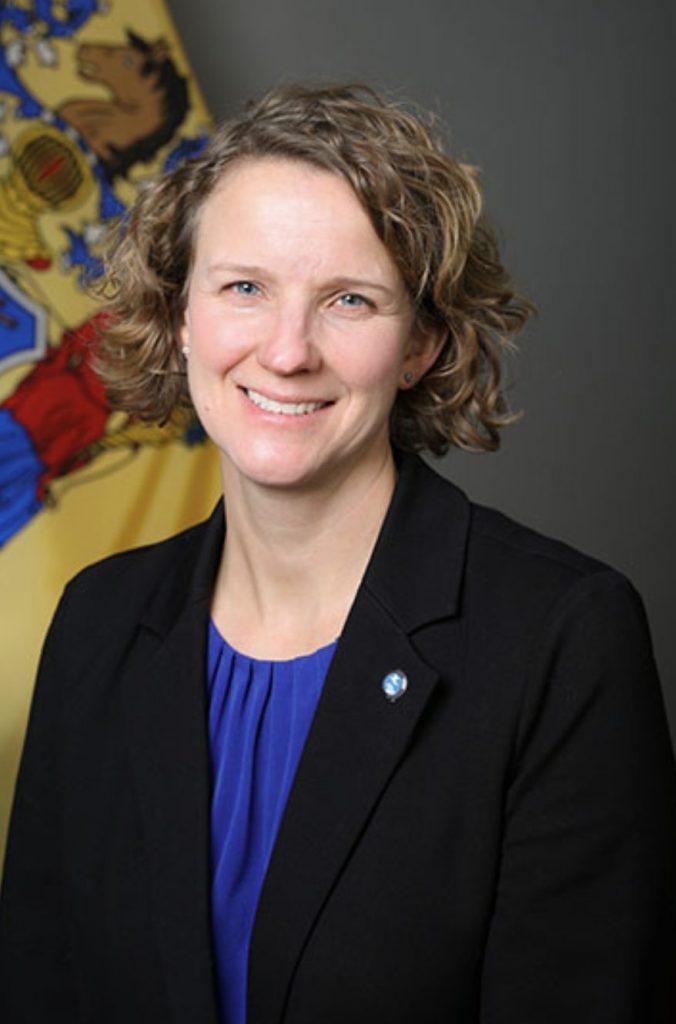
Angarone: Beginning with my time on Shade Tree Committee, I have genuinely marveled that local government runs, in large part, on volunteers. When asked to run for Council, I felt this was an important call to contribute and follow their example. Working with Borough staff and volunteers, I am gratified by the improvements I have been able to achieve during my time on Council. I am also dedicated to “good government” – government that meets the public where they are, making our decisions and processes accessible so that they are heard and represented. I am proud to serve alongside Councilmembers with a diversity of expertise, and I believe that now more than ever, my expertise in governance, land use, water, and environmental and public health issues is an asset to the Borough.
Kassler-Taub: While on the Planning Board, I became interested in residents’ stories by way of their project applications. Starting businesses, altering homes for various stages in life, and chickens! It was really about how our ordinances and policies were playing out and influencing local life, and our regional relationships. I wanted to learn more about how people experience Pennington, what’s working, why or why not.
My career has prepared me with an approach to collaboration, research, and creativity, and I believe that everyone has a right to a healthy life. This is a way I can be useful in that effort and try to keep people informed and aware of our connections to one another in the world right now.
- What do you see as the most pressing issue facing Pennington Borough over the next five years, and how would you address it?
Angarone: Like other municipalities, Pennington is facing several stressors at once – rising costs, providing accessible and affordable housing, attracting and supporting small businesses, addressing aging infrastructure, polluted water supplies and flooding. Addressing these issues and maintaining the level of service the public expects requires the gathering of data and effective, two-way communication with residents and businesses. Pennington must expand their use of accessible and modern communication tools and platforms. Planning will also be critical as the necessary investments will need to be phased in over time. Finally, to responsibly invest in our community it is important that we find and leverage all possible funding opportunities and partnerships, that we optimize existing operations and embrace change and technology where appropriate. Pennington Borough, with an impressive team of professionals, is undoubtedly up to the challenge and I am committed to doing my part to help move our community forward.
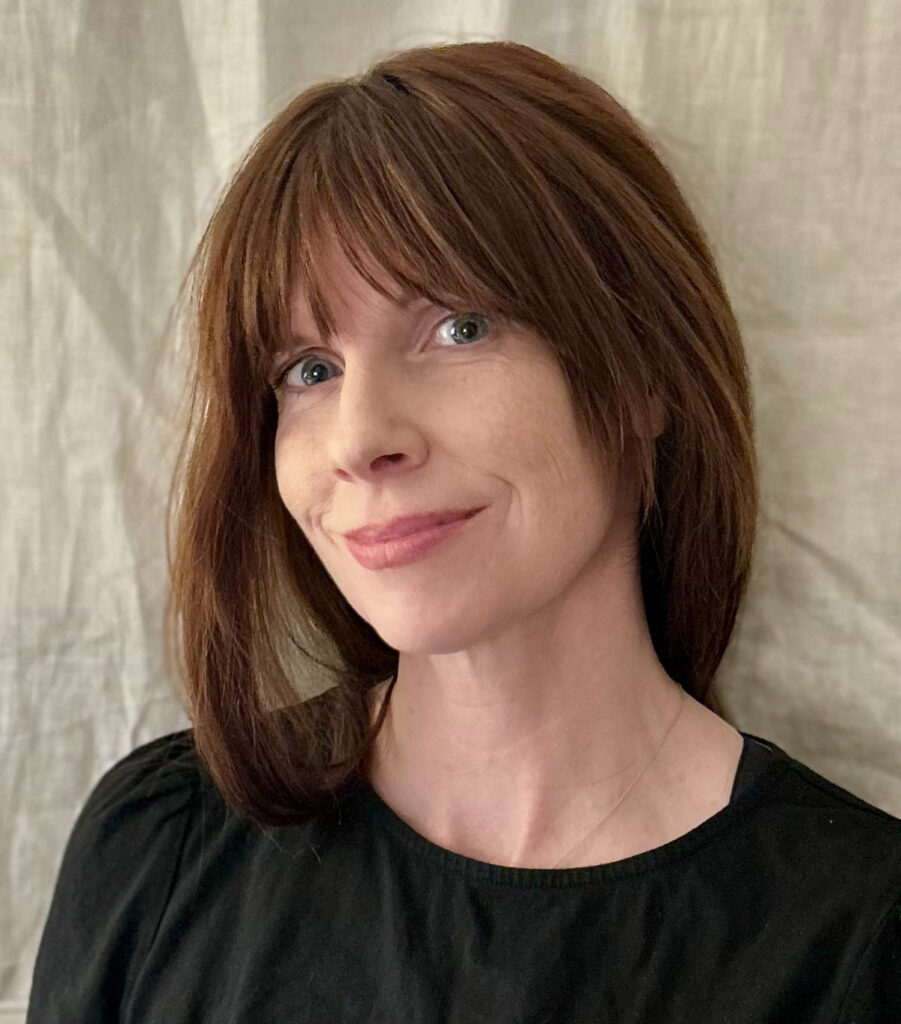
Kassler-Taub: While Pennington Borough has its share of pressing issues, the good news is that they are interrelated and can be tackled together! We have controversy over new development and our affordable housing obligation, environmental concerns including water contaminants and flooding, vulnerable infrastructure, underutilized assets, and challenges attracting and sustaining businesses. We underestimate our abilities to organize and improve ongoing issues, even if unconventional.
Fundamentally, I can be effective to increase communication and coordination across our various committees, commissions and residents. Given the complexity of and diverse opinions surrounding these issues, I plan to be available and invite collaboration with the community.
Good planning is critical and should allow us to identify relationships and prioritize how and when issues are addressed and inform our approach. That necessitates communication, research, and collaboration, which I plan to do tenaciously.
- Development and affordable housing: With preliminary plans being discussed for the former Wells Fargo property and work underway on the Borough’s Master Plan, what are your views on future development in Pennington?
Angarone: I believe that master planning, which precedes zoning, is an important municipal function and should set forth the vision for what a community will look like in 5, 10 or 20 years. The land use decisions we make today will last for many years, just as those made over 100 years ago are still shaping Pennington today. Good planning is informed by data and meaningful community engagement so that it reflects the community’s vision. It should also fulfill the constitutional obligation to plan for affordable housing, including responsible site selection that considers public safety, connection to community, and future conditions. These decisions are too important and lasting to be rushed. Based on my experience and input from constituents, I envision a vibrant, walkable downtown that is connected to residential areas, and which supports residents of varying income levels, including retirees, young families, and people who work in the community.
Kassler-Taub: Our Borough requires balanced, context-sensitive planning. The goal is to actively create conditions to ensure long-term value, affordability, and resilience. This requires establishing clear criteria to rule out unsustainable projects rather than relying on discretionary opt-outs.
We must condition development to both enhance our community assets and achieve our legal and moral obligation to create affordable housing. Pennington’s compact, walkable town with shops, open space and historic buildings is special. However, we have costly and unsafe conditions, little affordable housing, and underutilized potential tax revenue. I want to be strategic and thorough to save costs, streamline processes and maximize benefit.
This requires community collaboration and utilizing proven outcomes. We know increasing walkability reduces traffic, and that successful communities are diverse, with a mix of building types and green space. Buildings can be smart, and affordable housing can be beautifully designed, and is best sustained in communities where it is in-network with neighborhoods and infrastructure – like ours.
For Wells Fargo, I’m focused on its role in the larger Route-31 plan and its ability to complement our smaller scale historic areas and Town Center. It is a critical infill project that can improve walkability as a link between schools and Town Center. It must support essential stormwater and safety interventions. It’s an opportunity to foster mutually beneficial relationships across the Borough, Township, and community.
- What is your position on the use of Payment in Lieu of Taxes (PILOT) agreements in Pennington Borough, and what do you see as the potential benefits or drawbacks?
Angarone: PILOTs were intended to incentivize redevelopment of areas that struggle to attract investment (e.g., contaminated sites) and can be an important tool to provide affordable housing. In shared school districts, however, when pursued irresponsibly or in bad faith, they undermine longstanding agreements, result in financial uncertainty for school districts, and/or an unfair shift in cost burden to partner municipalities. While one hopes that it is rare for municipalities to act this way, each instance sets bad precedent that threatens regional and shared school districts across the state. For my part, should Pennington consider PILOTs, I will advocate that we do so in a manner that is respectful of our neighboring communities and does not involve unfair cost shifting. I will also urge the Legislature to pass legislation to protect municipalities in regional school districts from unjust and irresponsible PILOTs once and for all.
Kassler-Taub: I think PILOTs have outrun their effectiveness as a pipeline to housing. The structure and administration of a PILOT itself expands project costs beyond standard construction and tax expenses. That’s a significant premium on housing production, while not accounting, or balancing, its impact on the housing-school-tax ecosystem. Worse, it’s playing-out as an increasingly contentious drag on creating equitable communities. We should be critical but recognize where PILOTs are effective and be equipped to define conditions.
This cannot be a barrier for affordable housing in Pennington, so we need to plan well, get creative and evaluate our options. I am dedicated to creating affordable housing, and doing so in a way that is generative of affordability. The conventional PILOT agreements for housing are exacerbating the broken aspects of our systems and we have to figure out a better way.
Additionally, we should explore all opportunities available to us, including voluntary PILOTs between major, institutional tax-exempt organizations and municipalities.
- Hopewell Valley shares a number of services across the Boroughs and Township. Are there additional opportunities for shared services that you believe should be considered?
Angarone: I am a champion of continuous improvement, and I believe that considering shared services is important part of exploring efficiencies. Periodic assessment of this option should be pursued as part of municipal budgeting, as existing agreements expire or whenever the occasion to evaluate existing practice arises. Shared services can, at times, result in cost savings, but as with any agreement, the details matter. The terms, costs, and level of service to be provided must be clearly disclosed to ensure that they are aligned at the time of the agreement and into the future. Some agreements can be challenging to reverse, and so a thorough evaluation and public input is critical. As an elected official, I have an obligation to ensure that services in Pennington are not only cost effective but also meet the expectations of residents and businesses and that any agreement is in their best interest.
Kassler–Taub: I plan to explore this, and it requires an in-depth understanding of the Borough’s history, structure, and current goals, as well as various Committee and Commission initiatives. One area might include coordinating permit efforts, and if there are opportunities to lower costs for new construction by expanding a code-sharing agreement to ensure faster plan reviews, or incentivizing green building.
With plans to relocate and provide a new Senior and Community Center, I’m curious if there are opportunities to create satellite programs and interest groups for seniors, children, families and young adults in Hopewell Valley that could be located centrally in Pennington. Ideally, some programming could be located to activate underutilized, or vacant buildings downtown. In our stormwater efforts, we might identify resources to implement and maintain green infrastructure, or work with Township businesses in efforts to convert excessive parking lots into rain gardens, or plant trees.
- Flooding and stormwater management are recurring challenges. What steps should Pennington take to address these issues?
Angarone: Consensus science shows that flooding and stormwater also is an intensifying problem. Experts also agree that flooding disrupts local economies. Pennington is already engaged in a stormwater planning exercise with regional partners, which is a critical step to identifying current and future issues and opportunities. Gathering input from businesses and residents to understand where impacts are occurring is also critical. As extreme precipitation becomes more frequent, as NJ-specific studies have predicted, areas with inadequate or absent stormwater infrastructure should be identified as well as regional opportunities to improve management. Building climate resilience is well documented as a good investment and is credit positive. Pennington should identify opportunities to remove impervious surfaces, enhance existing ordinances, pursue funding opportunities, and foster or continue partnerships within the watershed – including those with the county and state who control major thoroughfares in Pennington.
Kassler-Taub: The Borough is pursuing a strong, integrated, and regional strategy for stormwater management. We have partnered with Princeton, Hopewell, and Lawrence Townships in hiring One Water Consulting LLC to develop a comprehensive Stony Brook Watershed Management Plan. Andrew Jackson, Vice-Chair of the Planning Board and Chair of the Master Plan Committee is coordinating experts and research on stormwater in the development of the Master Plan, and created an ad hoc interdisciplinary team monitoring conditions on Lewis Brook, myself included. The Environmental Commission, chaired by Kieran John, does critical work in this area, from policy recommendations, green infrastructure and plan reviews, and ongoing initiatives. Moving forward, we can focus on simple, clear zoning measures related to site coverage and stormwater control for new construction, additions and alterations. Additionally, taking progressive measures to mitigate flooding can reduce strain and costs on our excellent Public Works and Public Safety, and should be a priority in our discussions about infrastructure in new development.
- Do you believe elections in Mercer County have been conducted safely and fairly?
Angarone: Absolutely. I am confident that the laws and regulations governing elections that have served us well for decades and which have evolved with technology, as well as the dedicated officials across Mercer County continue to protect the integrity of our elections.
Kassler-Taub: Yes. I am very thankful to the volunteers and residents of Mercer County who work to ensure this critical aspect of our democracy is protected.
Bonus Question: Do you follow MercerMe for news about what is happening in the community? If not, how do you stay informed?
Angarone: I do follow MercerMe to learn about local news and events and I am supportive of local news outlets as they are an important part of our community. A balanced news diet, including a mix of local and national news from a healthy variety of perspectives is so critical to keeping an open mind, and staying current and informed.
Kassler-Taub: I do! Thank you! Also, Hopewell Pennington Update/Issues, and Pennington Borough Residents FB pages of course.