
Two Hopewell Township farms—Fairgrown Farm and Double Brook Farm—are positioned to expand their role in addressing food insecurity across New Jersey following major awards through a state food access initiative approved late last year.
The grants were issued through the New Jersey Economic Development Authority’s Food Equity and Economic Development in New Jersey (FEED NJ) program, a $30 million competitive funding effort designed to strengthen food access in the state’s most underserved communities. While the awards were announced in late 2025, local implementation is now taking shape as farms and nonprofit partners prepare to receive and then put the funding into operation.
Fairgrown Farm received a $500,000 award to expand its Jersey Fresh Food Security program, while Double Brook Farm received $245,357 to upgrade equipment at its on-farm USDA-inspected slaughter facility and purchase a refrigerated delivery vehicle. Together, the projects highlight two distinct but interconnected approaches to food security: scaling produce distribution and strengthening the infrastructure needed to deliver locally raised protein.
Produce Distribution as Infrastructure
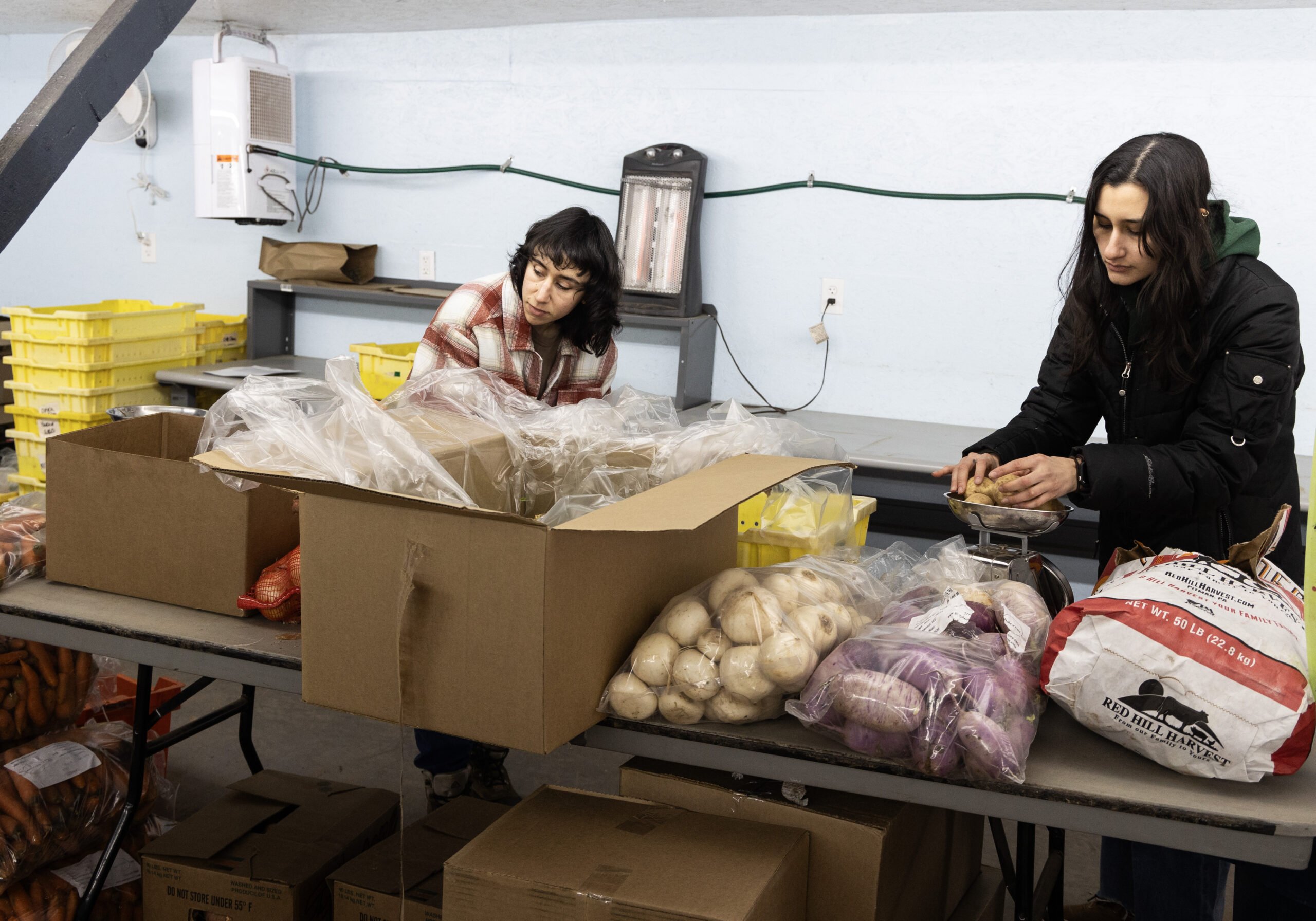
James Klett, founder of Fairgrown Farm, said their grant is focused on strengthening the systems that move food rather than increasing on-farm production. Fairgrown’s Jersey Fresh Food Security program supplies free and discounted wholesale produce to feeding organizations statewide, and the new funding supports logistics, staffing, and material-handling capacity that allow the program to operate at scale.
Klett explained that food insecurity often becomes a distribution problem rather than a farming problem. Many smaller food pantries lack cold storage or the ability to accept large deliveries, while most farms operate without surplus capacity and cannot respond to last-minute bulk requests. Fairgrown’s role as both a grower and a distributor allow it to coordinate supply from multiple farms and deliver volumes that food access organizations can reliably use.
Rather than asking individual farmers to absorb losses, the program is structured to pay sustainable wholesale prices while ensuring food reaches communities that need it. Klett said the goal is to align production and distribution in advance, reducing waste and avoiding the breakdowns that occur when food banks request quantities individual farms cannot supply on short notice.
Under the FEED NJ program, Fairgrown will be distributing primarily to 14 of the state’s Primary Focus Food Desert Communities, including sections of Trenton, Camden, Newark, and Paterson. The grant also supports nutrition education connected to the food being distributed, reinforcing how fresh produce is prepared and used once it reaches households.
Protein and On-Farm Processing
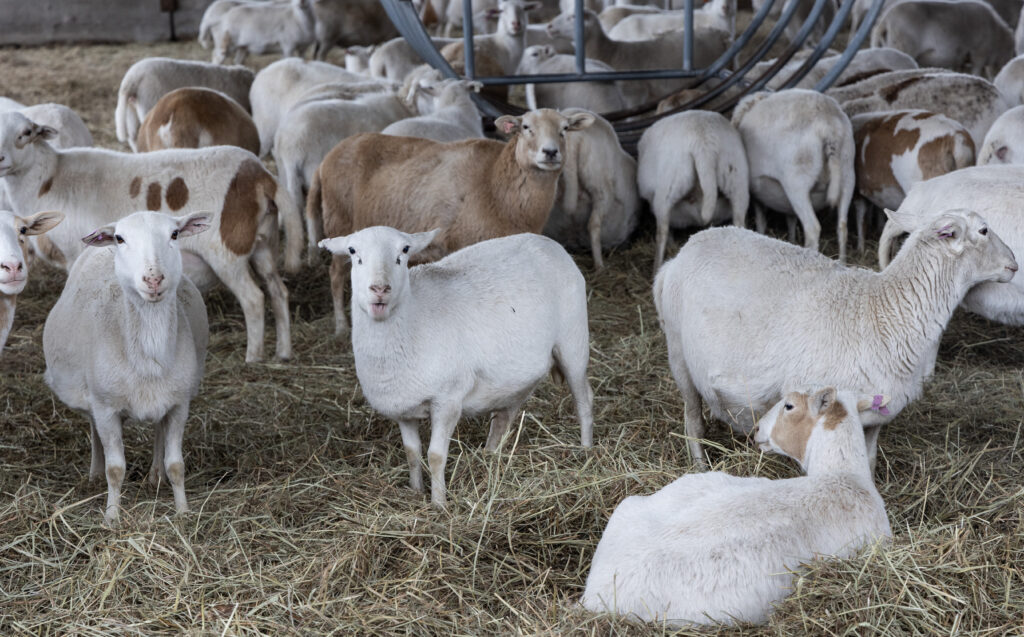
At Double Brook Farm, the FEED NJ award is directed toward a different bottleneck: processing and delivery capacity. Jon McConaughy, who operates the farm, said the funding will be used to upgrade packaging equipment at the farm’s USDA-inspected slaughter facility and to purchase a refrigerated van, allowing the farm to process and transport more meat efficiently.
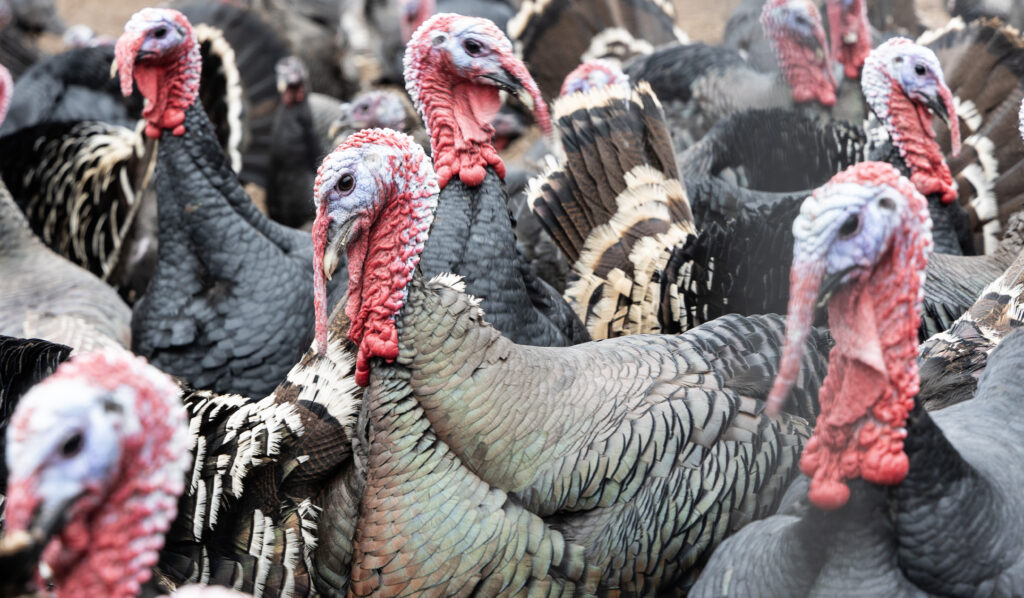
Double Brook operates one of only a few USDA-inspected on-farm slaughter facilities in the United States, a distinction that allows animals to be raised, processed, and delivered locally rather than shipped out of state for processing and then transported back into New Jersey. McConaughy said that model shortens supply chains, reduces transportation costs, and preserves control over animal welfare and product quality.
The upgraded equipment is expected to significantly increase processing efficiency, addressing a longstanding bottleneck that limited how much meat the farm could prepare for food access partners. While the grant does not subsidize food purchases directly, it enables the farm to scale up production in response to demand from community organizations.
McConaughy said the ability to provide locally raised protein is particularly significant in hunger-relief settings, where fresh produce is more common than meat despite protein being one of the most requested items among families facing food insecurity.
Partnership with HomeFront
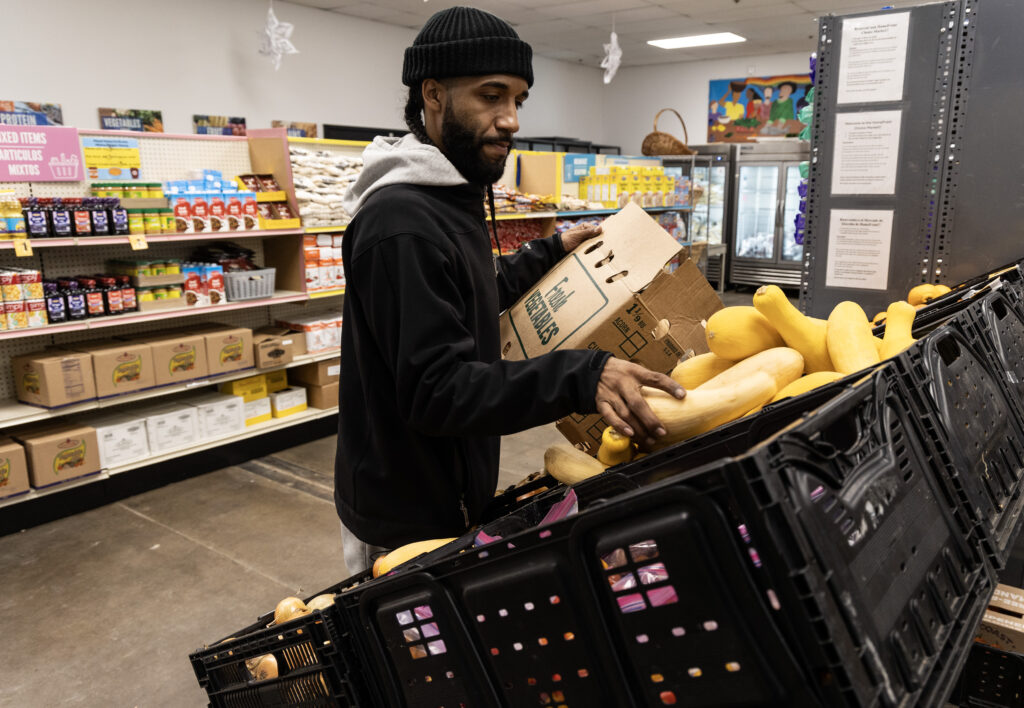
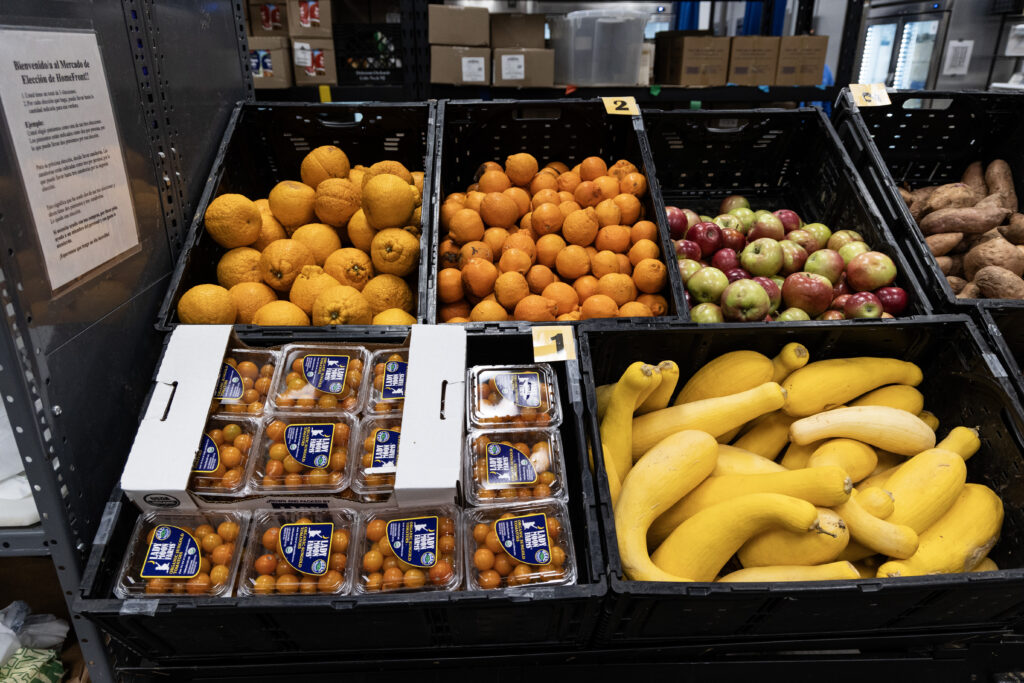
That demand is driven in part by HomeFront, a Lawrence-based nonprofit that serves the greater Trenton area and operates a choice-based food pantry serving about 10,000 thousand residents each month. Unlike traditional food distribution models that rely on pre-packed boxes, HomeFront allows families to shop for food in a grocery-style setting, selecting items that meet their needs and cultural preferences.
Dylan O’Neill, who oversees food access operations at HomeFront, said the organization has worked to build direct relationships with local farmers, including Double Brook Farm, in order to offer fresh produce and locally raised meat when funding allows. He said families consistently choose fresh foods when they are available, and that dignity and choice are central to HomeFront’s model.
HomeFront serves between 2,000 and 2,500 individuals per month through its main pantry, providing the equivalent of five to seven days of food for a family of four per visit. O’Neill said the organization evaluates impact not just by volume, but by nutritional value and client experience, noting that fresh food is among the most requested items.
The FEED NJ grants awarded to both Double Brook Farm and HomeFront were designed to work in tandem. HomeFront applied for funding primarily to purchase local food, while Double Brook applied for funding to ensure it could meet that demand by increasing processing efficiency. O’Neill said this coordinated approach represents one of the first state-level efforts to intentionally link small farms and food pantries at scale.
A Local Role in a Statewide System
The FEED NJ program represents one of the largest recent state investments in food security infrastructure, with $30 million awarded to 73 organizations across two funding rounds. The funding is supported by Food Desert Relief Tax Credit auctions authorized by the state in 2021 and is intended to support long-term, scalable solutions rather than short-term emergency aid.
For Hopewell Township, the awards place two local farms at the center of a statewide effort to rethink how food moves from field to family. While neither Fairgrown nor Double Brook expects the funding to solve food insecurity on its own, both see the grants this as a step toward a more resilient food system—one that supports farmers, strengthens nonprofit partnerships, and delivers fresher food to communities facing persistent hunger.
How to Get Involved with HomeFront
In addition to food distribution, HomeFront relies on volunteers to support its choice-based food pantry, free store, and resource network serving families across Mercer County. Volunteer opportunities include pantry assistance, food sorting, client support, and special distribution events. HomeFront also partners with community groups and accepts donations of food, household goods, and other essential items. Information about volunteering, donating, and upcoming opportunities is available on the organization’s website.