
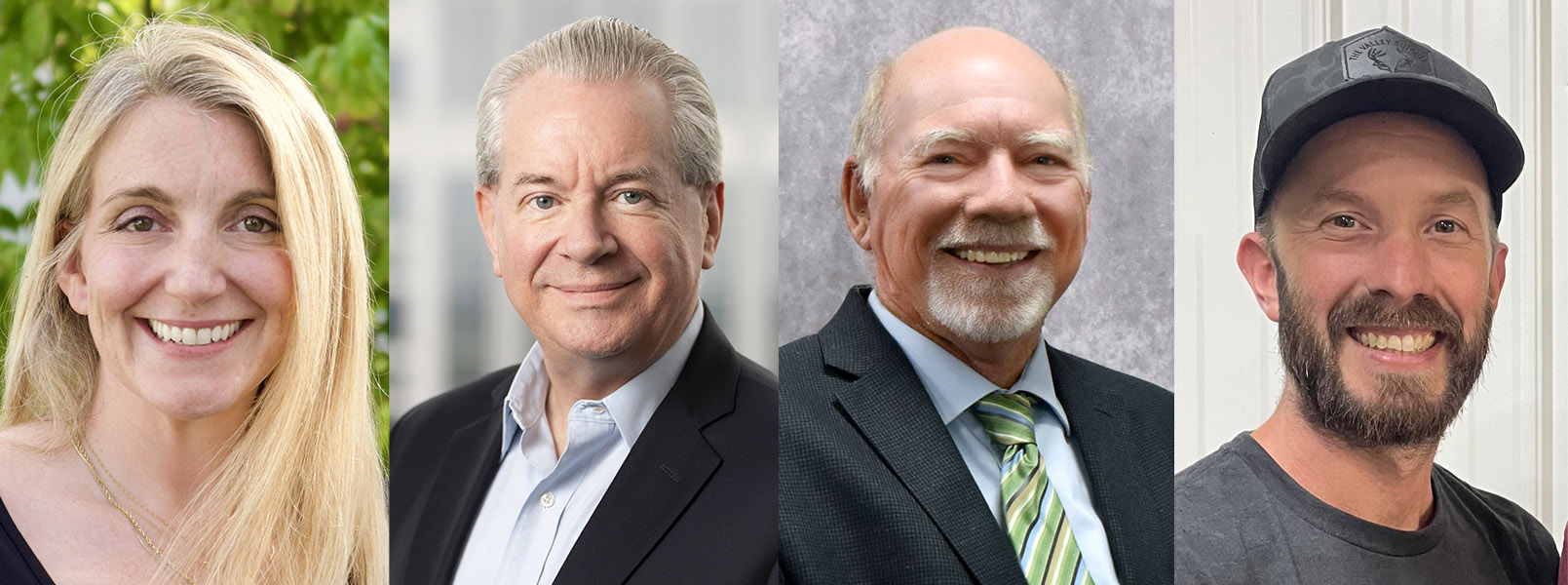
Four candidates are running for two seats on the Hopewell Township Committee in the Nov. 3 general election, with questions about development, infrastructure, property taxes and the future of township government at the center of the race.
Democrats Sophie Purgavie and Michael Ruger face Republicans John Hart and Steven Niederer.
Ruger, a current committee member and former mayor and deputy mayor, is seeking reelection. Hart, a former committee member and mayor who served for 14 years, is seeking a return to the governing body. Purgavie, who serves on the township’s Zoning Board of Adjustment and Open Space Advisory Committee, and Niederer, a former Mercer County Sheriff’s Office detective sergeant, are seeking their first terms.
The candidates were invited to answer the same 12 questions covering their backgrounds, priorities and views on issues facing Hopewell Township. A bonus question asked how they stay informed about local news.
Purgavie and Ruger submitted written responses. Hart and Niederer answered the questions in interviews with MercerMe. Their spoken responses have been edited for clarity and readability.
The candidates’ answers appear below, grouped by question, with Democrats followed by Republicans and candidates listed alphabetically by last name within each party.
1. Please briefly share your background and any relevant experience that qualifies you to serve on the Hopewell Township Committee. Include public service experience, and if you are an incumbent or past committee member, a review of your time on the Committee. What motivated you to run for a seat on the Township Committee or to seek reelection?
Sophie Purgavie:
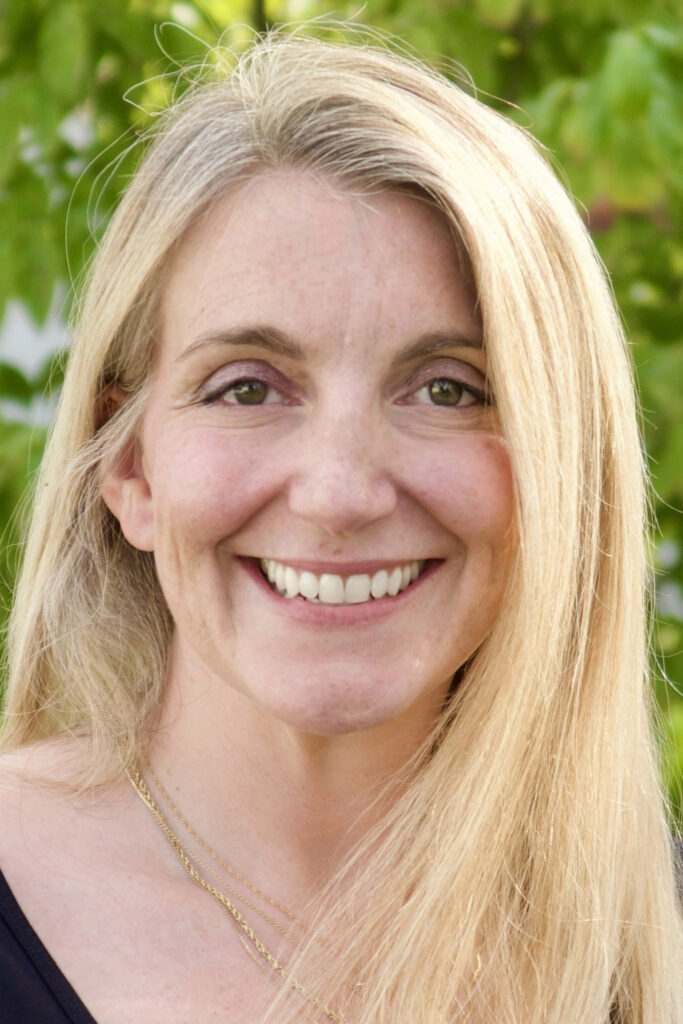
I grew up here, went to school here (with a stint as the bulldog mascot) and have always considered this home. Like many, I left for college and young adulthood in NYC and abroad, but I came back to help my mom when my father died, and I was reminded why this is home.
Professionally, I connect people, processes, and purpose to help organizations run better. Currently, I run Customer Engagement for a tech company. Prior to that I had my own consultancy focusing on operations, finance and growth strategy, including everything from helping small businesses enter the US market to overseeing a $40M+ capital project for a multinational.
Locally, I serve on the Zoning Board of Adjustment and the Open Space Advisory Committee, on the executive board of the Lawrence Hopewell Trail, and on the board of MBCJ Restaurant Coalition.
Most importantly, I am a mother to a two-year-old son who gives me every reason to leave this place a little better than I found it.
Michael Ruger:
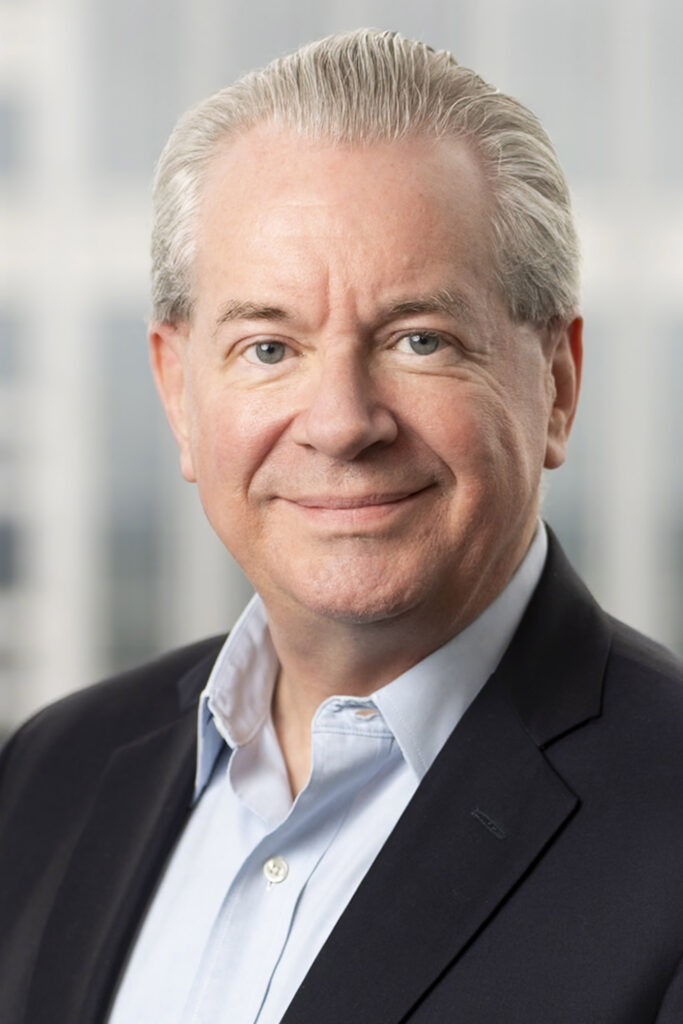
I moved to Hopewell Township in 1998 after marrying Tracy Vogler, a lifelong resident, in 1992. Our three sons all graduated from Hopewell Valley Central High School.
I graduated from Penn State and Georgetown Law and have worked at the FCC, in private practice, and at Comcast.
I joined the Township Committee in 2018 and am a former Mayor and Deputy Mayor.
I ran for Township Committee to help our community. Over the past nine years, we kept spending in check while maintaining essential services. We lowered municipal taxes two years in a row, increased our surplus, paid down debt, and navigated COVID, the loss of BMS, and affordable housing mandates while attracting new businesses like BeOne.
I am seeking reelection because there is still important work to do.
John Hart:
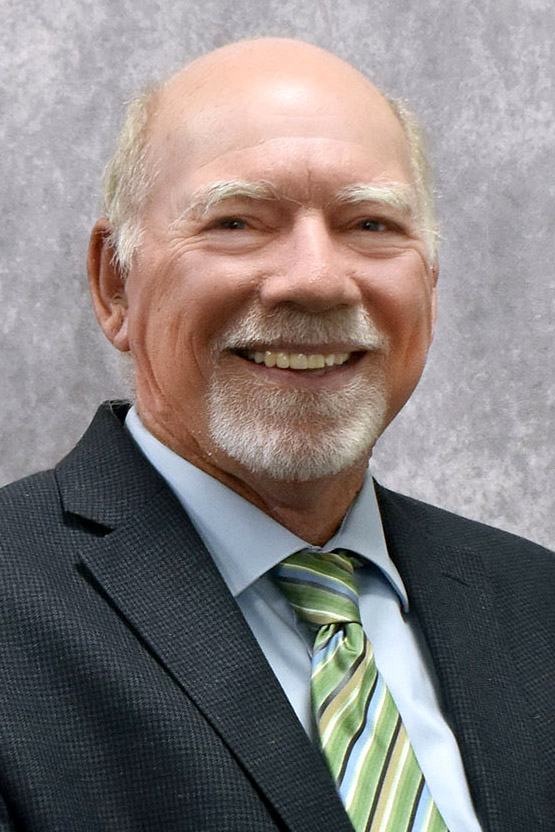
I served on the Township Committee for 14 years, including as mayor. I’m also on the New Jersey State Board of Agriculture. I have a retail store, a working farm where we farm about 250 acres, and Needle Creek Farm Brewery.
I’m running because I believe a lot of things that should have been done in the township have not been done. Promises have been made about a senior center, a community center and other projects, but they haven’t been followed through on.
In my last year on the committee, we had an opportunity to purchase the Hopewell Valley Country Club. I had worked on a plan involving contributions from the township, the two boroughs and the county. My vision included a senior center, recreational facilities and opportunities for the YMCA. I believed it could have become a central gathering place for the community. The committee voted 4-1 against the purchase.
I’m also concerned about the amount of development taking place, the township’s affordable housing decisions and the PILOT agreements being made with developers.
At the former Bristol Myers Squibb property, I believe there was another opportunity involving a potential buyer who would have paid more and wanted changes to the zoning. Those changes were not made at that time, but similar changes were made later, along with a PILOT agreement.
I don’t believe we should be giving these kinds of tax incentives to developments that would happen without them. Those are some of the reasons I want to return to the committee.
Steven Niederer:
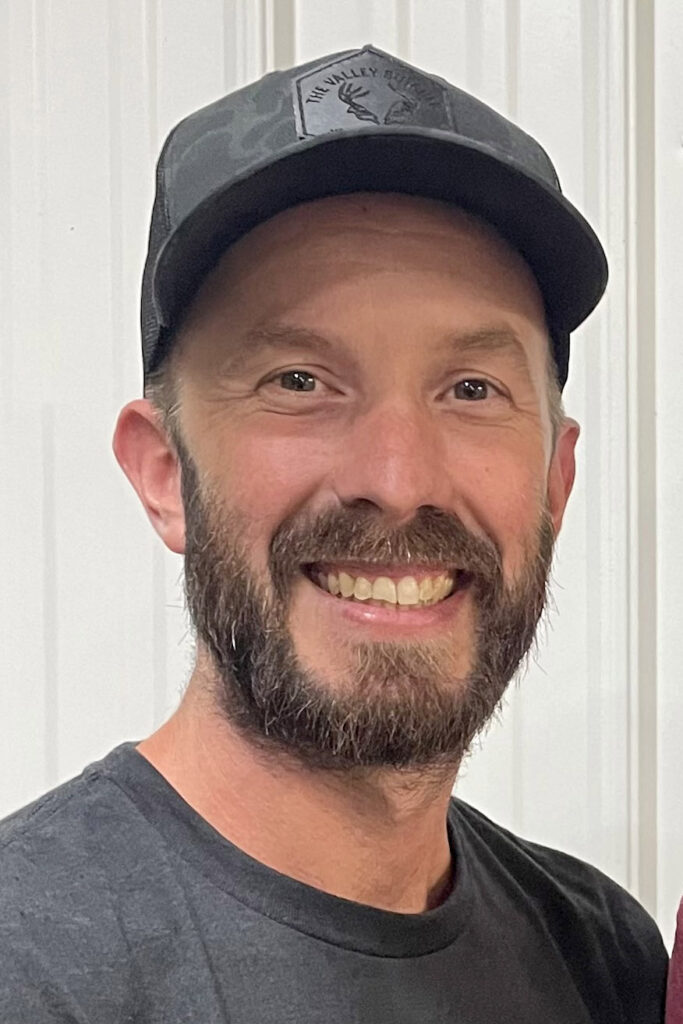
I have not served on the Township Committee. I ran in the previous election and did not win a seat, and I’m trying again.
I come from a public safety background, having worked for 10 years with the Mercer County Sheriff’s Office and with the U.S. Marshals Service Regional Fugitive Task Force, locating and apprehending fugitives involved in serious crimes, including sexual assaults and homicides.
Public safety and public service are very important to me. The safety and well-being of everyone in this township is something I hold very close.
Unfortunately, my law enforcement career was cut short after I was shot in the line of duty and ultimately had to retire.
That experience gives me a strong understanding of the importance of public safety, and it’s something I want to bring to the Township Committee.
2. Hopewell Township is growing; what message do you want to share with people who are choosing to make Hopewell Township their home?
Sophie Purgavie:
We’re so happy you’re here!
Hopewell Township is a community with a deep respect for its history that has never been afraid to embrace new ideas or rise to new challenges, and every resident, whether you’ve been here for 6 months or 6 generations, is how we keep doing both.
What makes this a fantastic place to live is the people and the way they show up for this community. That was as true when I was growing up here as it is today. I encourage you to get involved. Coach rec soccer. Apply for a volunteer board. Come to a Township Committee meeting and bring your ideas and questions. Introduce yourself because we want to get to know you.
That is why I am running: so that you know Hopewell Township has your back, not because we told you so, but because you feel it.
Michael Ruger:
Welcome. You made an excellent decision to move here. The Township is a wonderful place to live and to raise a family. Our schools are great, we have lots of open space, and there are many ways to get involved. And we strive to be a welcoming community. Whether you moved in a week ago or have had family roots here for hundreds of years, and whether you are living in a new home or a historic farm, you have an equal stake and an equal voice in the Township.
Growth brings growing pains, of course. And we’ll work through them in a way that balances the interests of everyone in the Township. Because working together, and listening to all voices, we can make the Township an even better place to live.
John Hart:
I want to welcome the new people coming into Hopewell Township. We have to work together because there are going to be challenges. I believe Hopewell has grown too fast.
We need to work to reduce taxes and bring more amenities that people can use, whether that’s a community center or other places where people can gather and spend time in the township.
We also need to find ways for people to support businesses in our own community.
Steven Niederer:
This is a beautiful place to live. I was born and raised here, and I wouldn’t choose another place to grow up.
There are plenty of activities in the area, and we still have a lot of farmland that I hope will remain preserved. We’re also close to major cities if people want to visit them.
Our education system is still one of the things that makes this a great area.
3. What do you see as the most pressing issue facing Hopewell Township over the next five years, and how would you address it?
Sophie Purgavie:
Growth is coming whether we’re ready or not, and that is a good thing, because a community that is not evolving is not thriving. The question is not whether we grow, but how we grow while keeping this the place we know and love.
That means holding several priorities at once: attracting the right ratables, businesses that create jobs, support our shops and restaurants and ease pressure on residential taxpayers; preserving open space, because that is what makes us us; weighing what every new project asks of our families, schools and services, not just what it adds to the tax rolls; and treating road safety as a condition of growth rather than a consequence of it.
I remember when Brandon Farms was built, and the worry that came with it. Thirty years later, we can’t imagine the Township without it. Done thoughtfully, growth doesn’t diminish who we are; it makes us even better.
Michael Ruger:
Growth matters and I get to it below. Of equal importance are finances.
Much of our budget goes to debt service, health insurance, and pensions. The leftover amount covers employee costs, road paving, equipment, building maintenance, and the services our residents expect.
In the years ahead, the Township will receive PILOT funds from new development. We should use those funds in four ways. First, we should pay down debt. Every dollar we pay today is a dollar we free up for future needs. Second, we should continue to share the benefits with our schools and emergency services. I led the effort to contribute $20.7 million to the School District for Bear Tavern Elementary, and we have committed hundreds of thousands of dollars to the Fire District. Third, we should use funds to provide needed Township services. Finally, we must look for opportunities to reduce taxes for our residents.
John Hart:
Traffic is one of the biggest issues we’re facing. I was on Route 31 in the middle of the afternoon recently, and the traffic was already backed up.
There have been plans over the years for improvements to Route 31, including the possibility of widening portions of the road. I don’t know whether those plans will move forward, but we have to look at what can be done.
Maybe that means additional lanes or a center turning lane in certain areas. We need traffic studies and discussions with the state Department of Transportation to figure out how to improve traffic flow and safety.
Steven Niederer:
One of the most pressing issues over the next five years is something we’ve already been dealing with for the last several years: Our population is growing, and the township is being built up faster than our infrastructure can handle.
By infrastructure, I mean our water systems, roadways, education system, public safety, police, fire and public works.
I don’t believe our town can sustain this population growth with the infrastructure we currently have in place.
4. What is something that Hopewell Township needs that it does not have today?
Sophie Purgavie:
I genuinely believe the more perspectives we hear, the better we govern. What Hopewell Township doesn’t have is a town center, the kind of place where news travels and neighbors catch up. So our government has to go out and meet people where they are.
As the mom of a two-year-old, I know how full our days can be, and I know I’m not alone. Our neighbors care deeply about this Township, but not everyone can always make it to a meeting. Their voices matter just as much, and it’s on us to make sure we hear them.
That’s why I’d love to create a User Guide to Hopewell Township Government that explains who decides what, when it happens and how you can weigh in. Paired with plain-language updates and opportunities to connect with residents that take place in every corner of the Township, including on weekends, it would help let residents know we have their back.
Michael Ruger:
We need more places for people to gather in the Township. That’s why I worked to get a state grant for the Woolsey Park Bandshell. Since it was built, we’ve held a number of events in the park including the Township’s 250th anniversary celebration. And there will be a pavilion in Woolsey Park as well. I hoped this would be built by November, but unfortunately there are state permitting issues that have delayed construction.
As for the Senior and Community Center, one option offered several years ago just wasn’t suitable for what we need in a community center without considerable cost. But this is taking longer than I hoped. We’re working through final issues now and I am confident we’re close. The funding is already there, so once those are cleared we can move quickly.
John Hart:
One thing we need to address is sewer service for residents in the southern part of the township who don’t have it.
There are areas around the Circle, streets near Brandon Farms and homes around Pennington-Washington Crossing Road that don’t have sewer service. I believe those residents have been denied access, and we need to take care of them.
Traffic and taxes are other concerns, but providing sewer service to those existing homes is something we should address.
Steven Niederer :
I think our township needs a better way to communicate with the public and provide transparency about development agreements and PILOT programs.
Residents need to know what deals are being made with major developers, what tax incentives they’re receiving and how those agreements will affect both existing residents and people moving into the township.
We also need to know how the money from those PILOT programs is going to be used.
5. What do you view as the most pressing environmental concern for the Township and how would you envision it being addressed over the next five years?
Sophie Purgavie:
As a member of the Zoning Board, I know that stormwater management looms large in our community. Storms are getting more frequent and intense, making flooding more daunting for neighbors who already live with it, and runoff carries pollution that can reach our wells.
Unfortunately, the Board’s only recourse is ensuring each application mitigates its stormwater appropriately, so the problem doesn’t get worse. But not exacerbating a problem isn’t the same as solving one.
The state requires every town to map its storm system. I’d love to go one step further by using that map to prioritize areas most in need of intervention as a roadmap for capital fixes.
The good news is this Township and its people care deeply about our environmental health. Every year we preserve more open space, and I look forward to continuing that work, not just for its stormwater benefits but for everything it gives our residents and ecosystem.
Michael Ruger:
Stormwater management is the most pressing concern. We have all seen the results of climate change in our area, particularly the flooding rainstorms we have had over the past few years. The state adopted new regulations for stormwater management, and we had to change our local regulations as well.
We have taken steps like obtaining equipment to clean storm drains more efficiently and to monitor our roads as Public Works crews drive around the Township. We will continue to require new developments to meet all stormwater requirements as well—they are not exempt from the rules.
The Township already has over 40% of our land in open space, recreation, preserved farmland and conservation easements. This did not just happen—it is the result of careful planning. We will continue to look for opportunities to continue to preserve land.
John Hart:
Water quality is my biggest environmental concern.
With all the development taking place, I’m concerned about the drinking water supply, particularly Trenton Water Works. We’ve had water-quality problems and, in my view, there have been times when residents weren’t adequately notified.
We may need to look at whether another water provider, such as American Water, could serve the area.
I’m also concerned about what’s happening at the former Bristol Myers Squibb property. We’ve observed cloudy-looking water entering Stony Brook from that area, and I want to investigate what’s going on.
Water quality is the most important environmental issue for me.
Steven Niederer:
Water is one of our biggest concerns, including the drinking water we rely on from outside the township. But I would say wastewater management and stormwater management are particularly pressing issues.
We’re creating more impervious surfaces as development continues. In my lifetime here, I’ve seen flooding become much more significant.
Farmland that once absorbed water has been covered by pavement and other surfaces. That water has fewer places to go, and we’re seeing more serious flash flooding in smaller streams.
That creates risks for residents, including people traveling on our roads.
6. Hopewell Township, like municipalities across New Jersey, is required to meet state affordable housing obligations, and construction of affordable housing is underway in the Township. How do you think the Township should approach meeting its affordable housing obligations going forward?
Sophie Purgavie:
I support affordable housing unequivocally. It’s the law and, independent of that, it’s the right thing to do. If elected, I’ll start my term with the fourth-round plan largely complete and ten more years before the next round begins, but the job isn’t over. Maybe even more important is the Committee’s responsibility for developer oversight, ensuring they are playing by our rules.
The people who live in these homes, and in every new development, deserve the very best Hopewell Township has to offer. That means buildings that fit our character, lighting that respects our dark skies, native plantings that welcome birds and pollinators, and stormwater managed on site. It means replacing trees lost to construction, because they’re part of our history and vital to our future. And it means creating trail connections and parks that take advantage of our open space.
We will hold every developer to that standard, so what makes this place special stays that way for generations to come.
Michael Ruger:
We have plans in place for the third and fourth rounds of affordable housing. The fifth round is not scheduled until 2034.
For the fourth round, the state initially said we needed 543 affordable units. I questioned the data and our professionals successfully pushed back, reducing the obligation to 399 units. We developed a plan to minimize the impact on the Township by preserving existing affordable housing, creating 100% affordable projects, inclusionary developments for senior or assisted living, and using bonus credits to reduce the number of units required.
We replaced 250 planned units at the former BMS site with 50 units at other locations—a net reduction of 200 market-rate homes. Overall, we reduced the family-housing commitment by more than 150 units.
We made the best decisions possible within significant legal and financial constraints, striking a balance between meeting obligations and protecting the character of our community.
John Hart:
I would get attorneys involved and look for ways to slow development down. I’ve attended meetings in other counties and seen municipalities that I believe have taken a different approach.
Affordable housing is one thing. The market-rate homes that come with it are another. I don’t believe we need to build four market-rate homes for every affordable home.
I would like to see more one-to-one arrangements, with one market-rate home for each affordable home.
We already have plenty of housing planned or under construction. I don’t think we should approve more until we get through what’s already in the pipeline.
We need more police officers and public works employees, and we’re already seeing problems with roads and infrastructure in some developments. We should address those problems before adding more.
Steven Niederer:
I think going forward we shouldn’t settle for anything less than one-for-one affordable housing agreements.
I believe we’ve made deals that have benefited major developers while putting additional pressure on our township. These companies have received tax incentives, and we’re not keeping up with the infrastructure needed to support the population growth.
I compare it to building a house without first making sure the foundation is sound. You can build a beautiful house, but if the foundation is cracked, it doesn’t matter how good everything looks.
Our infrastructure is that foundation. We need to make sure it’s strong enough before continuing to build.
7. As Hopewell Township continues to grow, how should the Township plan for where future development occurs while balancing access to infrastructure with the impacts on different parts of the community? How should the Township ensure that roads, traffic management, public safety, and other municipal services keep pace with that growth?
Sophie Purgavie:
Much of this work is already happening. Our master plan guides where growth belongs, with an eye to where infrastructure can support it and what we want to protect. The Committee, Planning Board and Township professionals do the important work of keeping the Plan current.
On the Zoning Board, I’ve learned to ask early what a project means for our roads, for emergency response and for the neighbors who live closest to it, and to listen to their answers. Those same questions belong in our long-term planning, so services grow alongside development instead of chasing it.
There are other development decisions ahead, and I will approach each one with respect for Hopewell Township’s unique ecosystem, where our people, our character and our land all depend on one another.
Michael Ruger:
Geography determines where development can occur, which generally means the southern part of the Township. This does not exclude locations like Pennytown, but the fact is that infrastructure such as sewer and water is in place or readily accessible in the southern tier.
The Township works with developers and understands their construction schedules, which helps predict when we will see residents move in. We have already taken steps to accommodate growth. We increased the number of uniformed officers in the Police Department by over 20% and secured a grant to update our dispatch center. We worked with the Public Works Department to ensure they have the right number of employees and the equipment they need to do their jobs. We worked to get an ambulance and, as I noted above, have committed hundreds of thousands of dollars to the Fire District. There will be more to be done, and we will do it.
John Hart:
First, we need more police officers and more public works employees. All this development means more traffic, not just on Route 31 but on our side roads as well. I don’t believe Public Works has enough help to keep up with road maintenance now.
We also need to be more careful about where development goes. We have farmland that could become a target for development, and I want to see more of those farms preserved.
I’ve been working with several farmers who want to preserve their properties. When I recently asked about township farmland-preservation funding, I was told there was no money available. I believe money collected for farmland preservation should be used for that purpose, and I want to look at how those funds have been spent.
Preserving farmland prevents future development on those properties. It also protects the agricultural character of Hopewell Township.
I preserved my own farm through the county and state, without township funding. We need to find more funding to help other farmers do the same.
I also think we need to look more critically at the township’s planning decisions and the recommendations being made by its professionals. Development has moved too quickly, and we need to make sure the people elected to represent residents are making those decisions.
Steven Niederer:
I don’t believe we’ve kept pace with growth up to this point, so I don’t see how we can continue building without first addressing the problems we already have.
Education and public safety are two of my biggest concerns. Our roadways are already heavily used, traffic is frustrating residents, and trips that used to take five minutes can now take much longer.
We need to stop building until our infrastructure catches up.
I’m not opposed to welcoming new people into the township, but we have to do it responsibly. Continuing to build without fixing the existing problems is unfair both to current residents and to the people moving here.
8. As the Township grows, what should its priorities be for controlling municipal costs and the property-tax burden while maintaining services?
Sophie Purgavie:
Many of us live here because of the schools. It’s not a secret that our taxes are high, but we reap many benefits too. The biggest part of that bill goes to those schools, which also help keep our home values strong. That’s an investment I’m proud to protect, so we have to be diligent about everything else.
That starts with bringing in the right businesses, ones that fit our character, create local jobs, bring customers to our shops and restaurants and add to the tax base without straining our schools and services. Every dollar they contribute is one that doesn’t come out of our collective pockets.
Part of being successful in this job is knowing when to say no. But the right businesses take real pressure off the families who make this community what it is. Our town can’t be great if no one can afford to live here.
Michael Ruger:
We can increase the number of businesses in the Township. Look at the transformation of the former BMS campus into the Princeton West Innovation Center. When BMS moved, we had a multimillion-dollar hole in our budget. Thanks to the work of many people, including Township professionals and the Committee, we reimagined the site. BeOne Medicines—which could have moved anywhere in the world—invested $800 million into the site and plans a $300 million expansion. This creates jobs for local residents and tax revenue for the Township. We’ll continue to look for new business opportunities, large and small.
As for municipal costs, we spend months developing the Township budget. With the help and guidance of Township professionals, we work to squeeze the most out of every tax dollar while providing the services residents expect and deserve. That’s why we have lowered municipal taxes for two years in a row.
John Hart:
A lot of this comes back to the PILOT agreements the township has made.
The township says it has reduced the municipal tax rate, but property values keep going up, and residents are still seeing their tax bills increase. I don’t know anybody whose taxes have gone down.
I don’t believe residents are getting the full benefit of the development that’s taking place. We need to examine these PILOT agreements and figure out how to reduce the burden on existing taxpayers.
When I was on the committee, I spent five years as the only Republican. With four Democrats and one Republican, I often felt my concerns weren’t being heard.
I also think residents need to pay closer attention to what’s happening at Township Committee meetings. Many people didn’t realize how much development was coming until construction started. These decisions were made over time, and more people should have been involved in the process.
Steven Niederer:
I believe PILOT funds should be directed toward the services that are going to face the greatest pressure from population growth.
Right now, residents pay property taxes that support education, public safety and other services. I believe the money coming from PILOT agreements should at least reflect those priorities.
I would push for all township PILOT revenue to go toward education and public safety.
Those are the two major areas that I believe will require the most funding as the population grows. We need to address those needs before spending money on smaller projects.
9. Hopewell Valley shares a number of services across the Township and boroughs. As challenges continue to evolve, are there other services that should be considered for consolidation or sharing?
Sophie Purgavie:
Absolutely. Shared services are an essential part of the creative problem-solving that fuels fiscal responsibility, and the Valley already shares a great deal, including emergency services, police and the Health Department.
Every new arrangement has to satisfy two needs by saving real money, and making sure service stays as good or gets better.
Which services make sense to share next is something to work out with our partners, with a discerning look at the real numbers and a strategic examination of needs. For a government our size, sharing services is one of the most effective ways to run efficiently, stretching every tax dollar further without asking residents to give anything up.
Hopewell Borough and Pennington are our neighbors first, and the success of any shared service rests on a strong relationship and our common ground.
Michael Ruger:
I am open to discuss any ideas for shared services or consolidations so long as Township residents do not shoulder the financial burden or face a reduction in overall services. Even a modest savings in time or expense adds up over the years.
From time to time, I have been asked about the possibility of consolidation of the Township and one or both Boroughs along the lines of Princeton Township and Princeton Borough. I think this idea is worth exploring only if a majority of residents in all the municipalities agreed, and only after conducting a careful study to see whether municipal consolidation would be beneficial for everyone. But I do not think we are at the point where a critical mass of people want to look at this.
John Hart:
We already share a number of services, including animal control and police services with Hopewell Borough.
I think we should look at whether it makes sense to consolidate police services with Pennington Borough. I know there has been resistance to that idea, but it’s something worth examining.
We also may need to consider additional police or fire substations as the population grows, particularly in areas near the hospital and Interstate 295.
We have three fire companies serving a large geographic area, and we need to make sure emergency services can respond effectively as more people move into the township.
There may also be opportunities to work with neighboring municipalities outside Hopewell Valley.
I don’t know how many additional services can be consolidated because we already share quite a few, but I would want to examine the options.
Steven Niederer:
I think we should look at responsibly merging the police departments in Pennington Borough and Hopewell Township.
That would require the municipalities to reach an agreement, and I know there have been disagreements between the township and Pennington. It might take a mediator to work through those issues.
But I believe there could be opportunities to make police and emergency services more streamlined and cost-effective.
We also have volunteer fire departments that need more support. We should be finding ways to encourage and incentivize people to volunteer so those departments can continue serving their communities.
10. The Township has committed PILOT revenue to help fund the Bear Tavern Elementary School expansion. Going forward, what role, if any, should Township PILOT revenue play in supporting the school district as enrollment and school facility needs change?
Sophie Purgavie:
I’m a Bear Tavern kid, so I’ll admit I was beyond pleased to see this money go toward fixing the trailer situation. I will always support our schools and our district.
PILOT payments come to the Township in place of a regular tax bill, which means the Committee decides how that money is put to work. The funds committed to Bear Tavern came from agreements that didn’t specify how the money should be divided among services, which gave the Committee the flexibility to meet a pressing need.
Every PILOT dollar should go where it will do the most good for our community at that moment. We can’t make promises about future needs without knowing what the future brings. But we can promise those decisions will be made with a close examination of the data and facts on the table, and with full transparency and accountability to our residents.
Michael Ruger:
As I noted above, the Township has committed $20.7 million towards Bear Tavern. I see this as only the first of the contributions the Township will make over time to the School District. As the liaison to the School District, I will work with the Superintendent and School Board to understand what they need and take that information back to the Township Committee for consideration.
As for future PILOT agreements, I support including a percentage contribution of PILOT funds to the School District and to emergency services. Then every year the Committee can balance competing concerns, including debt repayment, necessary services, and tax reduction, to determine what other funds can be directed to the School District. This provides the Township with flexibility in addressing long-term and short-term needs of the School District as well as other competing budget priorities for the Township.
John Hart:
I don’t think the money being provided for Bear Tavern is nearly enough when you consider the long-term impact of all this development on the schools.
We need to look at providing more money to the school district. We also should have been working with developers to secure land for future school facilities. I believe Lennar should have provided land for another school.
With the number of families moving into these developments, we’re going to have to look seriously at school capacity. We may need another school, or we may have to reconsider how existing school buildings are used.
There are other possibilities, including looking at whether former school buildings could be used again.
I also believe the township has allowed development to proceed too quickly without making sure the necessary infrastructure was ready.
We need to take a much harder look at how development is approved, where roads and entrances are placed, and whether the planning decisions being made are in the best interests of residents.
Steven Niederer:
I believe PILOT money should go toward education and public safety. There’s no argument about that for me.
Existing residents pay approximately 58% of their total property-tax bills toward schools. I don’t think the township should be providing money in pieces, committing $16 million here and another $4 million later.
I would rather see the township be transparent about how much PILOT money it has and how much it expects to receive over the life of these agreements.
Then we should commit that money toward education and public safety, which I believe need to come first.
11. Township voters will also decide this November whether to establish a Charter Study Commission to examine the Township’s form of government. Do you support creating the commission? Regardless of your position on the ballot question, are there aspects of the Township’s current form of government that you believe work particularly well or should be reconsidered?
Sophie Purgavie:
I believe residents should decide, and I’m glad they will. Hopewell Township is growing and changing, and this question belongs to the public: whether we examine our form of government and who is elected to do it. Either way, let’s elect commissioners who reflect everyday residents and come to the table with open minds, lots of questions, a true spirit of collaboration and allegiance only to what’s right for our Township.
Our committee form of government is purpose-built for collaboration, compromise and consensus, and that is a great strength. There is a common misconception that everyone arrives at the dais already agreeing, but it takes real work to shape the decisions that reach a vote.
What I would reconsider is the annual election cycle. Campaigning every year inevitably pulls focus from governing, and a potentially new team each January costs continuity. Good governance needs trust and trust takes time.
Michael Ruger:
I voted to approve the referendum asking Township residents two questions about changing our form of government. First, should we review our government structure? And second, if so, who should be on the Charter Study Commission to undertake that review?
Each Township voter has to decide whether a review is necessary. On the one hand, the Township is growing, and that may merit a change in how we do business. On the other hand, the current structure is serving our residents well, so change may not be necessary.
The makeup of the Commission is critical to ensure an honest, open-minded look at options. Some candidates have publicly supported a specific form of government, which means they are going in with their decision already made. If you want candidates with truly open minds, I encourage you to vote for Chris Pazdan, Melanie Walter, Frank Guenther, Grace Rarich and Josh Wilson.
John Hart:
I support creating a Charter Study Commission. I think it’s time to reconsider how our township government is structured.
A lot of towns have moved to different forms of government under the Faulkner Act, and I think Hopewell Township should study those options.
One issue is having a different mayor every year. You can start working on something, and then a new mayor comes in with different ideas. I think there could be benefits to having a mayor who serves a longer term.
I also think we should consider expanding the governing body from five members to seven. Hopewell Township is a large municipality, and having more members could provide more representation and different perspectives.
Another thing I would look at is having a full-time township manager to oversee municipal operations. With the amount of development and growth we’re experiencing, I believe we need someone whose responsibility is managing the township.
The commission should study how other municipalities of similar size operate and see what works. I don’t think commissioners should go into the process with their minds already made up.
I hope the question passes so the commission can examine the options and make recommendations.
Steven Niederer:
Yes, I support creating the commission.
I think the Township Committee right now leans heavily in one political direction, and I would like to see a system that brings people closer to common ground.
If a charter commission could examine ways to make local government less partisan, I think that would be worthwhile.
For example, I’d like to see whether candidates could be elected based more on their qualifications and who they are as individuals, rather than whether they’re Republicans or Democrats.
I think finding ways to bring people together and meet in the middle would be good for the township.
12. What is one important issue facing the community that you believe is not receiving enough attention?
Sophie Purgavie:
Data centers are keeping me up at night, and I know they are on the minds of many residents. It would be naive to think that we’re immune to what’s knocking at the door of communities everywhere.
They are moving fast, and they arrive with hard questions and real concerns about our electricity grid, our water, noise, traffic and the impact on our community. I don’t think we should be asking those questions for the first time with an application pending.
Towns have moved to prohibit data centers outright, and that’s something to consider. But the least we can do is close our gaps. I would ask our planner and attorney to walk us through what our zoning allows today and where we are exposed, then scaffold in standards on water, power, noise, setbacks and screening, and write them into ordinance so we are protected.
Michael Ruger:
The time it takes to get things done. Our Township professionals and consultants do an excellent job. But coordinating the activities and parties involved in even simple projects adds complexity.
Building a bus shelter can take years from start to finish. Changing a speed limit on a road that is not maintained by the Township takes months because we need County or State approval. A traffic light takes more than a year to coordinate, particularly on a State road. Building projects, such as the new pavilion, face delays because of State permitting requirements.
We must find ways to shorten the time between identifying needs and completing projects. That could mean better coordination before applications are submitted, anticipating needs further in advance, or finding ways to streamline our interactions with other government agencies.
I don’t have the answer, but I believe the Committee should focus on this.
John Hart:
Traffic isn’t getting enough attention. I haven’t seen the kinds of traffic studies and public meetings with the state Department of Transportation that I remember from when I was on the committee.
We need to look at what can be done to address the traffic problems we’re experiencing.
Another issue is what the township is doing with properties it already owns.
We have properties, including Pennytown and several farms and historic buildings, that I believe need more attention. Some of these properties are deteriorating, and I think we should be looking at whether they can be restored, put to use or sold.
The township owns the Timberlane Horse Center property, for example. I think that could be an opportunity for someone to preserve the property and continue using it for horses rather than letting the buildings deteriorate.
There are other historic properties that could be put to better use, including the Hart’s Corner House, which I previously suggested could become a visitor center.
We also have open-space properties that could be leased to farmers rather than requiring the township to mow and maintain them.
I want to review the real estate the township owns and determine whether some properties could be sold or put to productive use. That could reduce maintenance expenses and potentially bring revenue into the township.
Steven Niederer:
I think two issues are tied for first place.
One is the lack of funding for education as our population grows. We’re going to need significantly more funding for our schools as more families move into the township.
The other is what I believe have been bad development agreements with major companies receiving tax incentives.
I think these agreements allow developers to build extensively without taking enough responsibility for the impact of that growth, leaving existing taxpayers to shoulder the burden.
Bonus question: Do you rely on MercerMe for news about what is happening in the community? If not, how do you stay informed?
Sophie Purgavie:
Yes! I look forward to the newsletter in my inbox every Monday and Friday morning. As the daughter of a journalist, I am so appreciative to have a trustworthy outlet that is part of this community and invested in what’s happening in our own backyard.
Michael Ruger:
Absolutely! While local news sources are dwindling around the state, we are incredibly fortunate to have MercerMe as our local, unbiased source of news and information.
John Hart:
More than ever, we need MercerMe. When we had the Hopewell Valley News, there was a reporter covering meetings, and residents could read about what was happening.
Now MercerMe is becoming that voice for the community.
If there’s nobody covering Township Committee meetings, people aren’t going to know what’s going on because many don’t attend the meetings themselves.
People need somewhere they can go online or in print to find out what’s happening in the township. That’s why we need local news coverage.
Steven Niederer:
I don’t necessarily go looking for MercerMe, but for some reason Facebook keeps putting MercerMe stories in front of me. So I guess I do get a lot of my local news that way.
What I appreciate is that MercerMe presents the facts and isn’t just taking one political side or the other. So much news is polarizing now, and I respect having a local source that’s trying to find common ground.