
Twenty-five yeas later, the memories remain remarkably specific.
Where people were. What they were doing. The moment they realized what was happening. The calls and pages that sent Hopewell Valley emergency responders north.
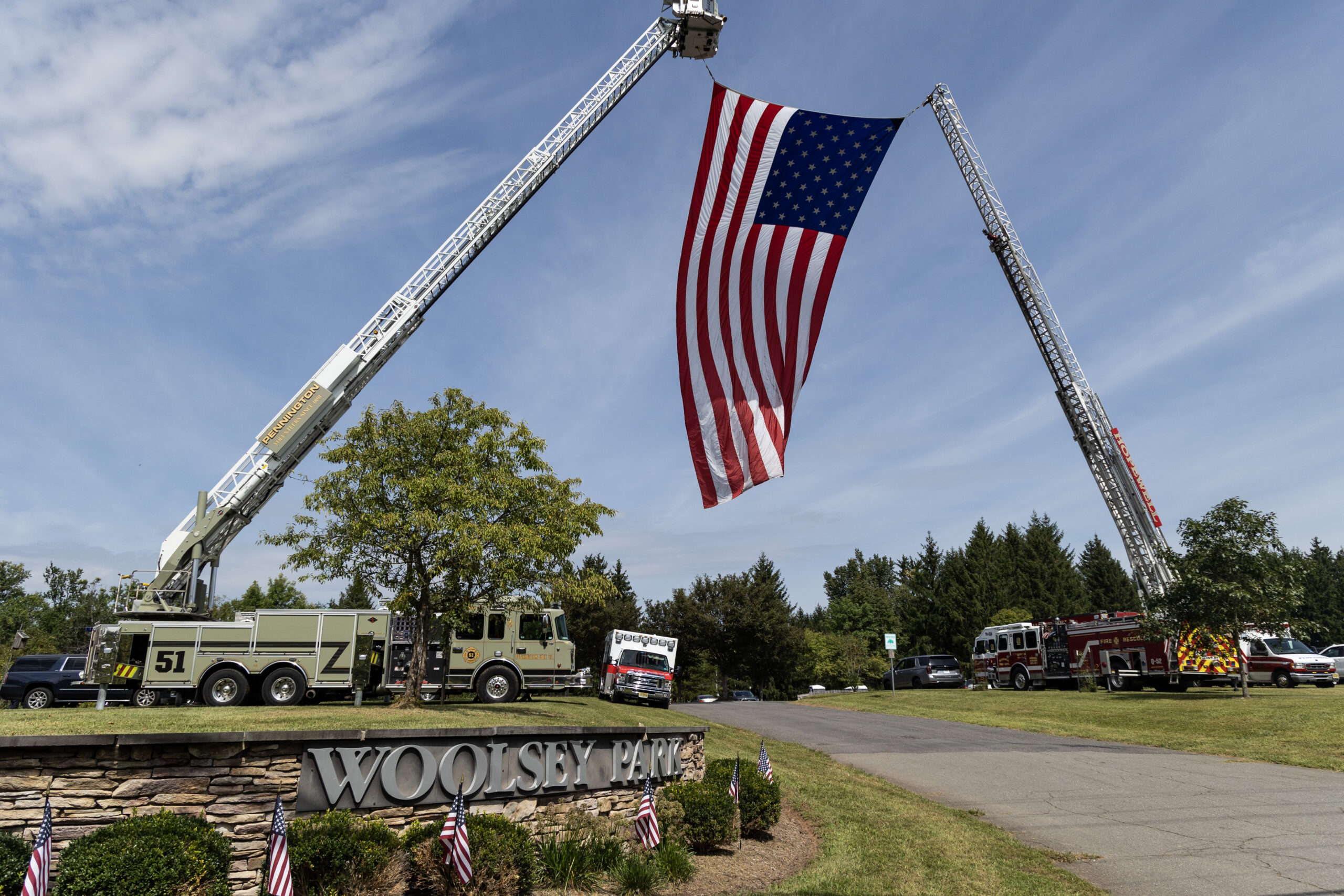
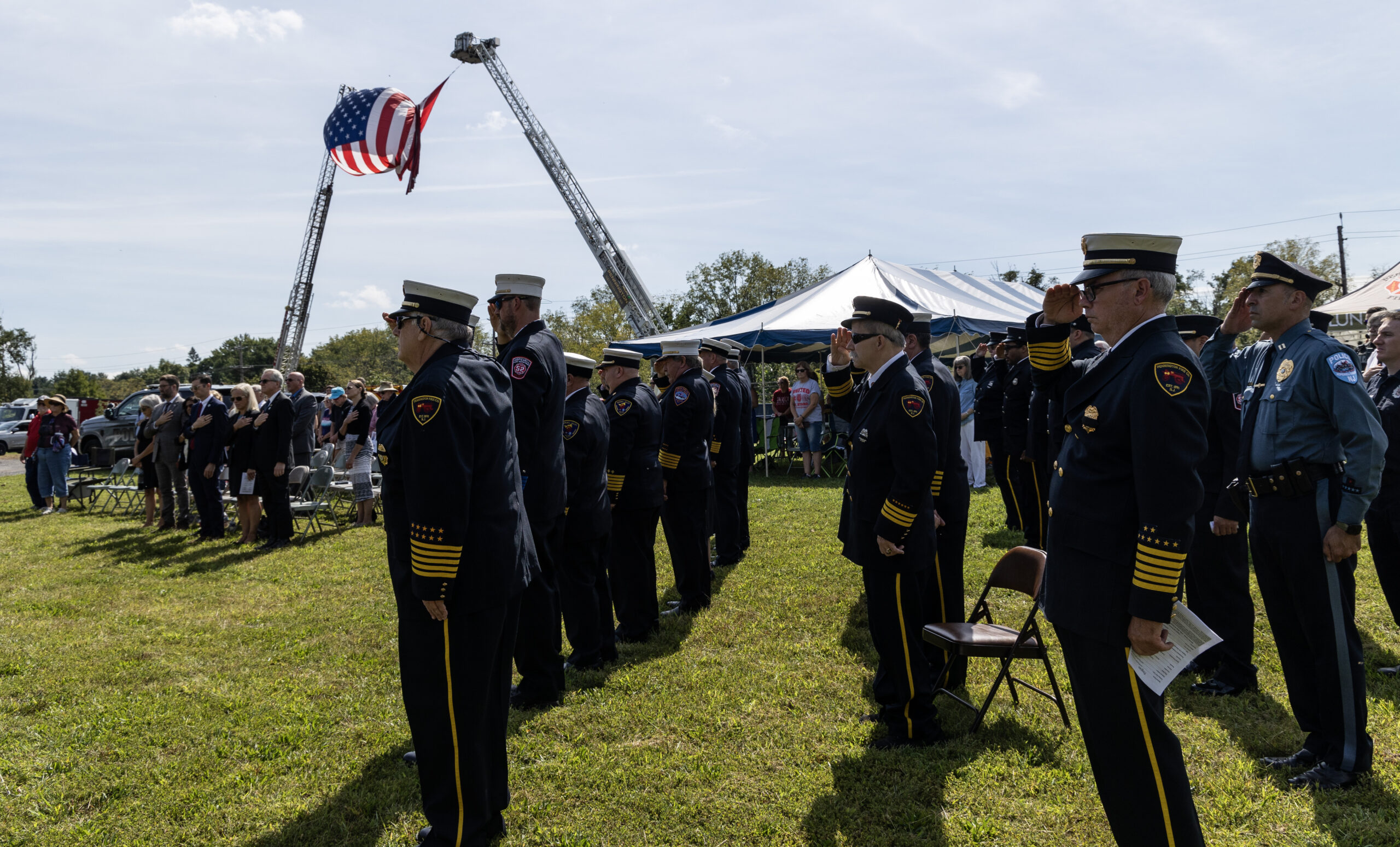
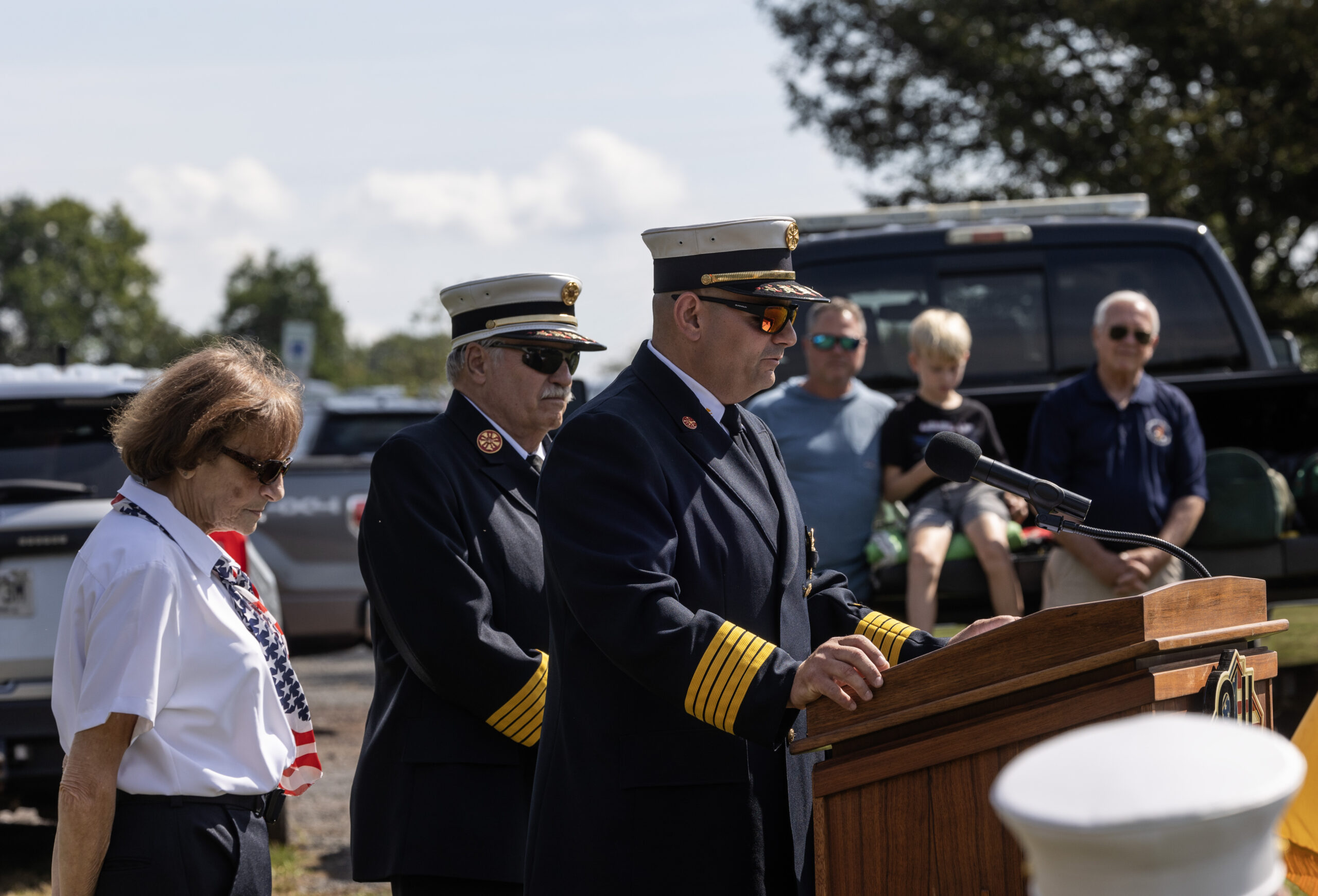
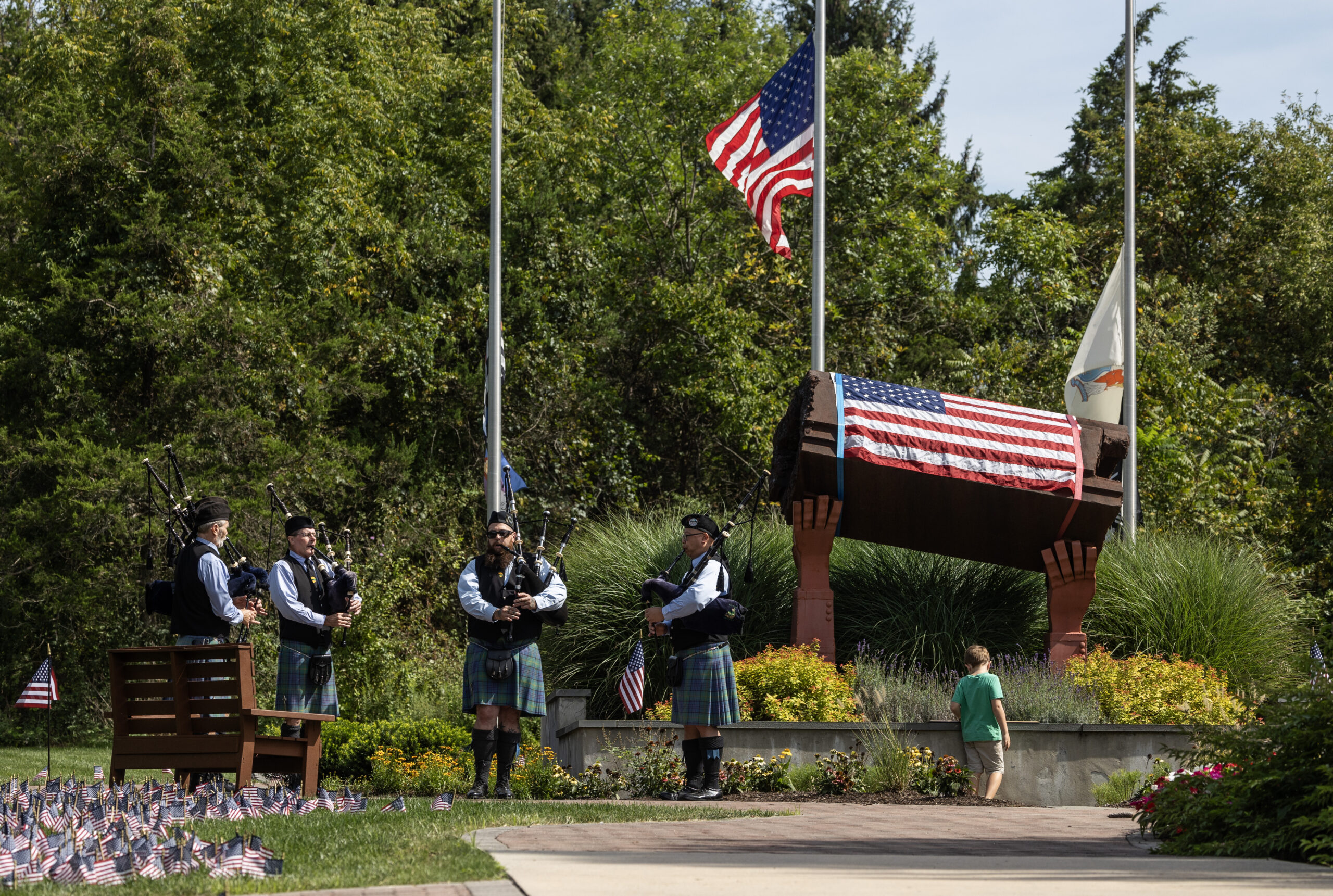
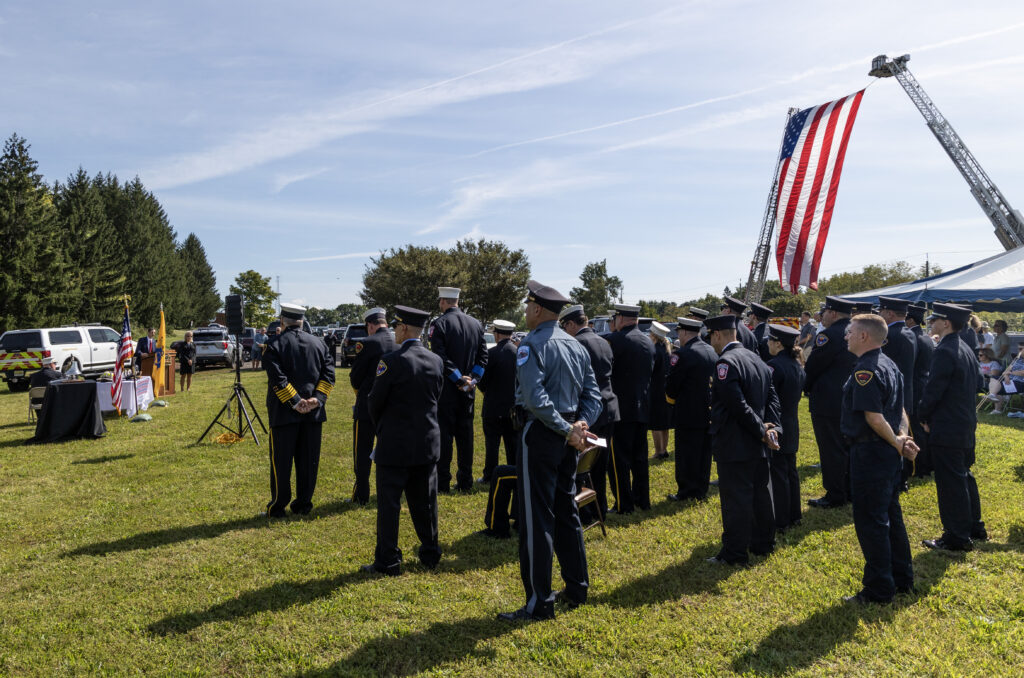
Under a warm September sun Saturday, residents, first responders and local officials gathered at Woolsey Park for the annual Hopewell Valley 9/11 and Emergency Services Memorial Ceremony, marking a quarter-century since the terrorist attacks of Sept. 11, 2001.
This year’s ceremony carried the weight of a milestone: A full generation has now passed since nearly 3,000 people were killed in the attacks on the World Trade Center, Pentagon and aboard United Airlines Flight 93.
For many gathered Saturday, Sept. 11 remains a lived memory. For a growing number, it is history.
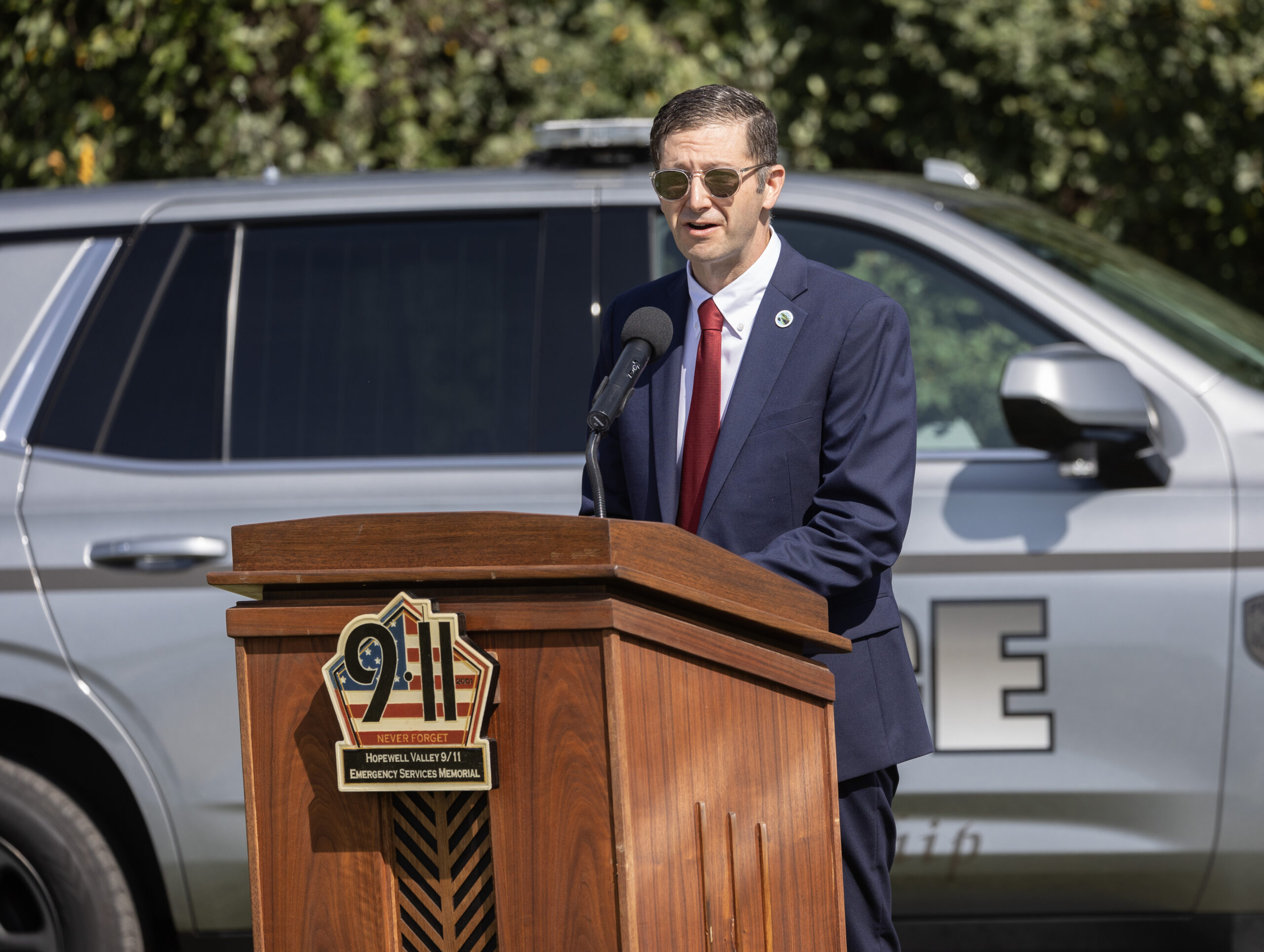
“Twenty-five years in, a full generation has passed,” Hopewell Township Mayor David Chait told those gathered. “And as was noted, there are even some people here today who weren’t even born yet that morning. And so this is already their history to carry.”
That passage of time was central to Saturday’s remembrance.
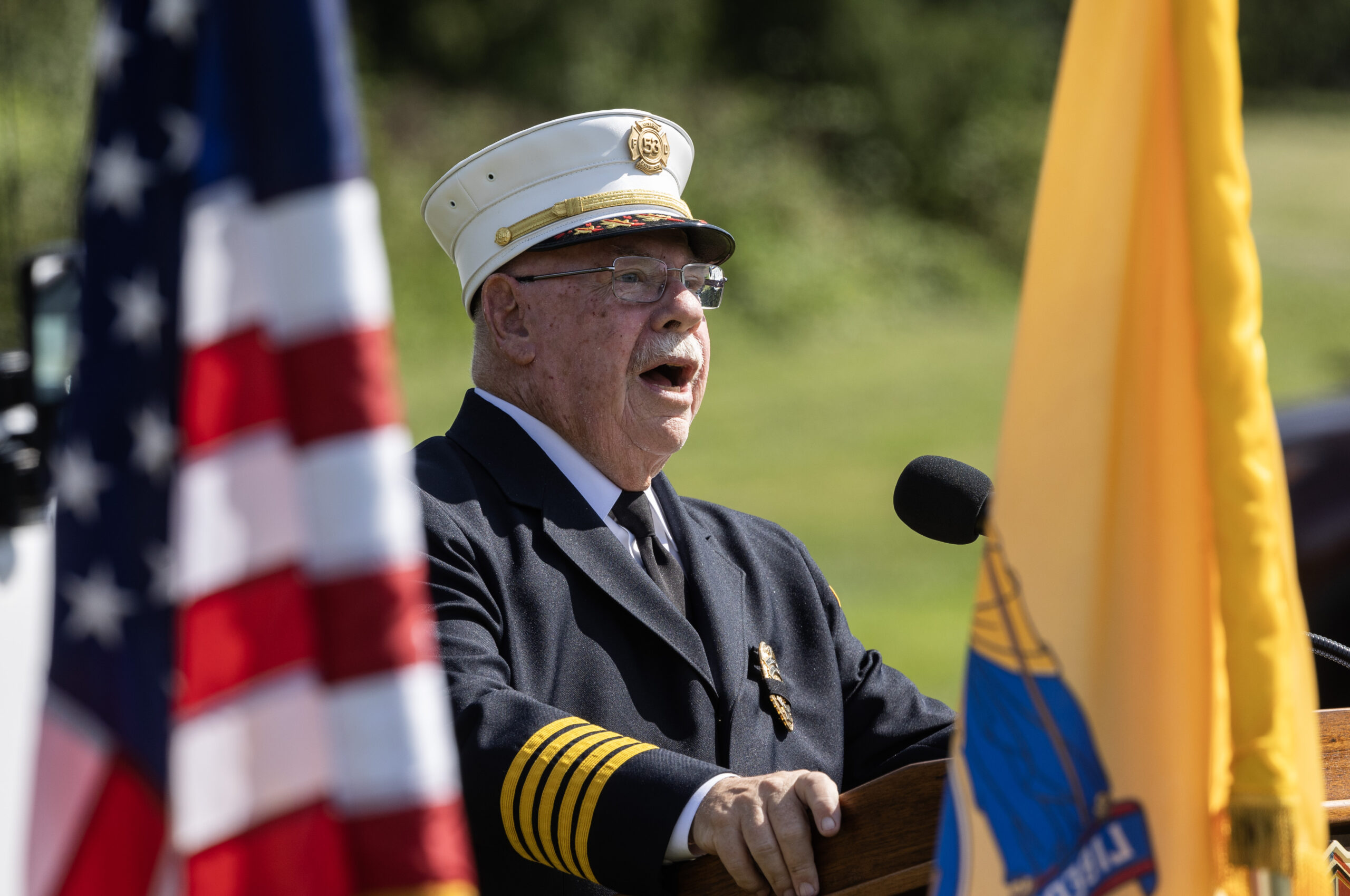
Mike Chipowsky, chairman of the Hopewell Valley 9/11 and Emergency Services Memorial Committee, opened the ceremony by recounting the timeline of the attacks, from the first plane striking the World Trade Center’s North Tower at 8:46 a.m. through the crash of Flight 93 near Shanksville, Pennsylvania, at 10:03 a.m.
He noted that 2,977 people were killed and that many Americans today either had not yet been born or do not remember Sept. 11.
“It’s our duty to make sure that they are aware and are educated into what occurred on 9/11,” Chipowsky said. “These sights and sounds and our remembrances are sacred to us and to the families.”
A family’s memories
This year, some of those memories came through three members of one Hopewell Valley family.
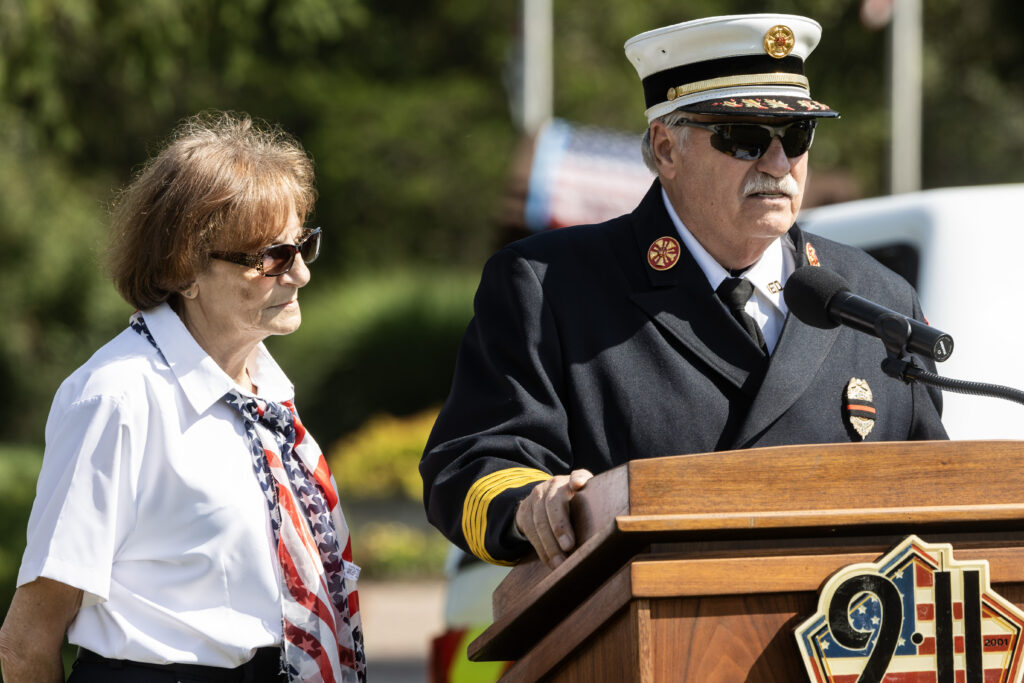
John, Rose and Joseph Novak each stood before the crowd to describe Sept. 11 from a different perspective. Their family’s service to the Hopewell Fire Department and emergency medical services spans four generations.
Chipowsky introduced them with a bit of levity, describing theirs as “a household where if somebody says ‘chief,’ everyone turns around.”
John Novak, a past chief of the Hopewell Fire Department, was working at a construction site when he heard the news. He told his crew they needed to shut down the job and go home to their families.
Then his phone rang.
Chief Rob Hodes told him Staten Island might be asking Hopewell to bring its rescue unit north.
“I told him, ‘No problem. I’m on my way home,'” Novak recalled.
Instead, he headed for the firehouse.
“Let me tell you, that was the scariest ride I had taken,” he said.
Rose Novak, a past president and past EMS chief of the Hopewell Fire Department, was at work when she began watching the news coverage. She drove immediately to the firehouse, where responders waited for instructions and began organizing crews and equipment.
One of her responsibilities was determining who could respond if Hopewell was called.
One of those people was her son.
“As emergency responders, we train to help people during the worst moments,” she said. “As a mother, however, it is completely different feeling when the person getting on that ambulance is your child.”
They did not know what the next hours would bring, she said. They only knew people needed help.
“And answer is what we did.”
The call to respond
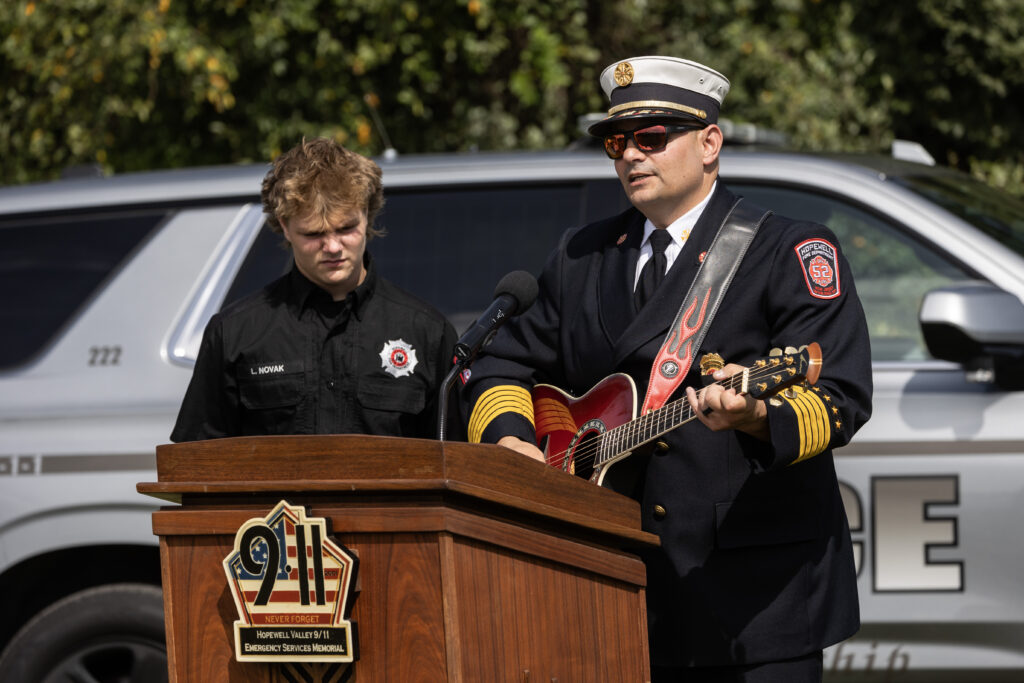
Joseph Novak was working as a fire inspector in Montgomery Township when someone yelled that a plane had struck the World Trade Center.
His initial assumption was that a small plane had accidentally hit the building.
That changed when the second plane struck.
He and his coworkers watched television together as the attacks unfolded. When one of the towers collapsed, Novak’s thoughts immediately went to the emergency responders inside.
“The first thought that crossed my mind wasn’t about the building itself,” he recalled. “It was how many firefighters are in that building.”
Novak eventually made his way to the Hopewell station. Almost as soon as he arrived, the pager sounded.
“I remember being relieved to actually hear it,” he said. “That might sound strange, but all day I had the feeling of helplessness. Now there’s finally something that I could do.”
As the only qualified driver available, Novak was assigned to an ambulance crew sent to Liberty State Park.
Across the Hudson River, the Twin Towers were gone.
“Hours earlier, there was now a massive column of smoke and dust,” he recalled.
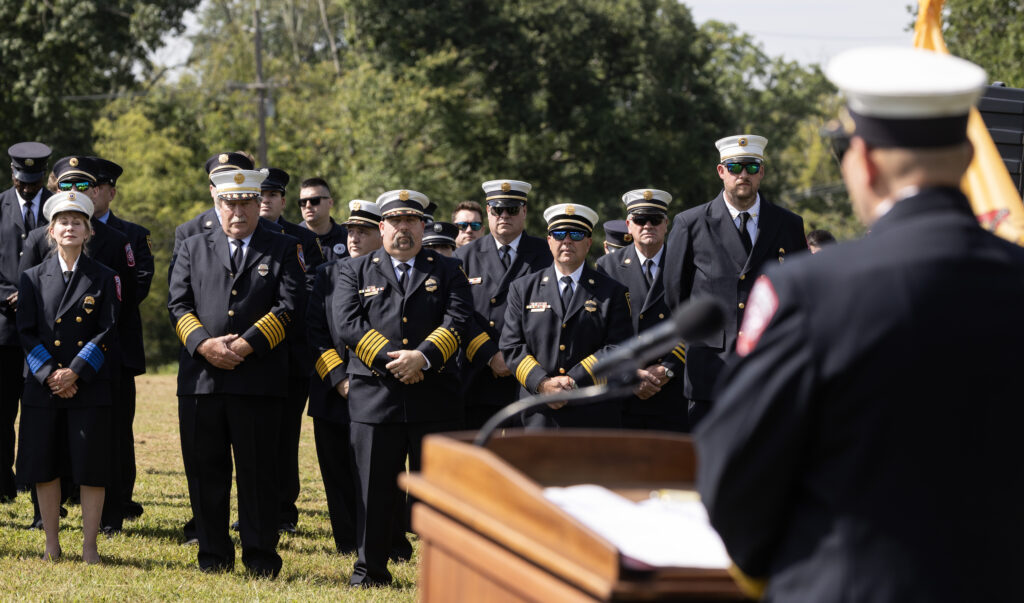
The expectation was that survivors would be brought across the river and transported by New Jersey ambulances to hospitals throughout the region.
But the flood of injured patients responders had prepared for never came.
Those who arrived by boat were largely uninjured survivors.
“The reality of what that meant slowly began to sink in,” Novak said.
Then refrigerated trucks carrying Tropicana and Coca-Cola products arrived. At first, Novak assumed the companies were donating drinks to responders. He soon learned the trucks were being emptied for another reason.
They were going to be used as a temporary morgue.
“That was a sober moment that I’ve never forgotten,” he said.
As darkness fell, Novak recalled F-16s as the only aircraft visible in a sky emptied by the nationwide grounding of civilian flights. Across the river, Ground Zero glowed.
At one point, someone sought firefighters willing to cross the Hudson and help search the pile. Novak and a fellow firefighter wanted to go.
They called Hodes.
The chief told them not to cross without a properly assembled crew and appropriate protective equipment.
“At the time, I was disappointed, but today I’m grateful,” Novak said. “That decision very well could have saved both of our lives.”
What gets passed down
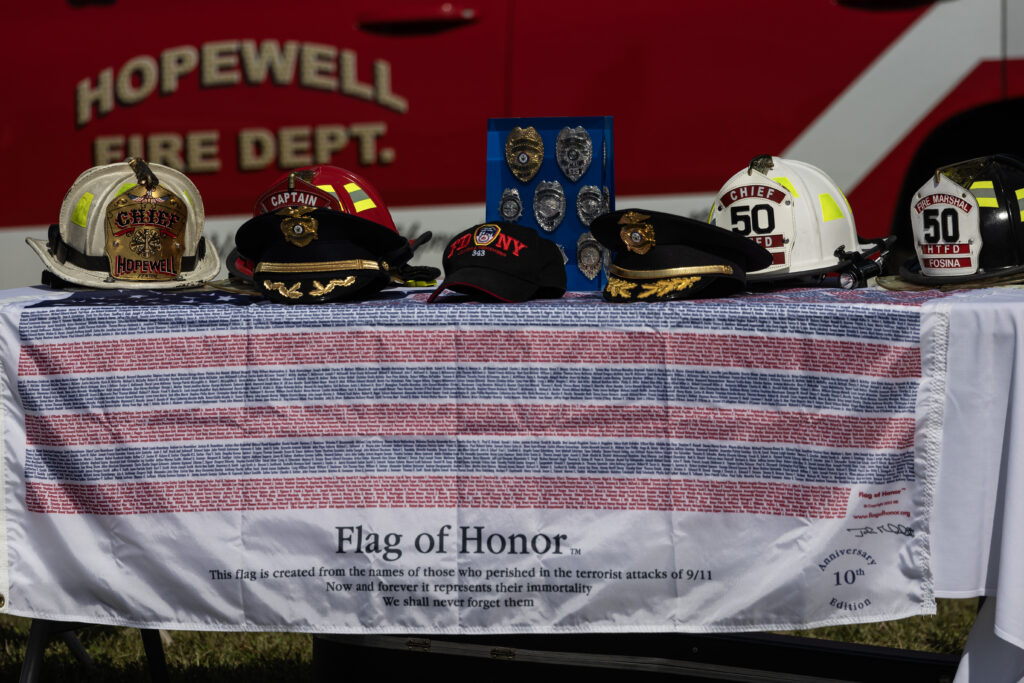
The stories shared Saturday were not only about what happened on Sept. 11, but what followed.
Joseph Novak recalled American flags appearing throughout the community, neighbors helping neighbors and Hopewell residents filling multiple box trucks with equipment, supplies and donations for Ground Zero.
“For all the horror I witnessed that day, I also witnessed some of the very best qualities of the American people,” he said.
That idea echoed Chait’s remarks about the first responders who climbed the stairs of the World Trade Center as others escaped and the people from communities like the Hopewell Valley who traveled north afterward to help.
Chait said the 25th anniversary also carries a responsibility to people who did get the quarter-century that the victims did not.
“They didn’t get the births. They didn’t get the graduations, the weddings, or the normal Tuesday mornings, those quiet mornings at home,” he said.
He said remembrance must continue even as the people gathering at the memorial change.
“Never forget isn’t a slogan; it’s an instruction,” Chait said.
For the Novaks, the idea of one generation carrying something forward has another meaning.
Joseph Novak said his father served as fire chief, his mother as president and EMS chief, his grandparents held EMS leadership positions and his son has joined the ranks as a fourth-generation member.
“That continuity reminds me that service doesn’t belong to one generation; it gets passed down,” he said.
The ceremony continued with Novak singing “Danny Boy,” the ringing of the memorial bell and the remembrance of local emergency-services members who died during the past year. Chipowsky said they were remembered for their decades of service to the community.
Before the ceremony ended, Joseph Novak returned with his guitar for one final song, Alan Jackson’s “Where Were You (When the World Stopped Turning).”
Twenty-five years after the day the song asks listeners to remember, the Novaks had already spent the morning answering the question.