


Residents of Washington Crossing Estates can once again use their tap water without boiling it first.
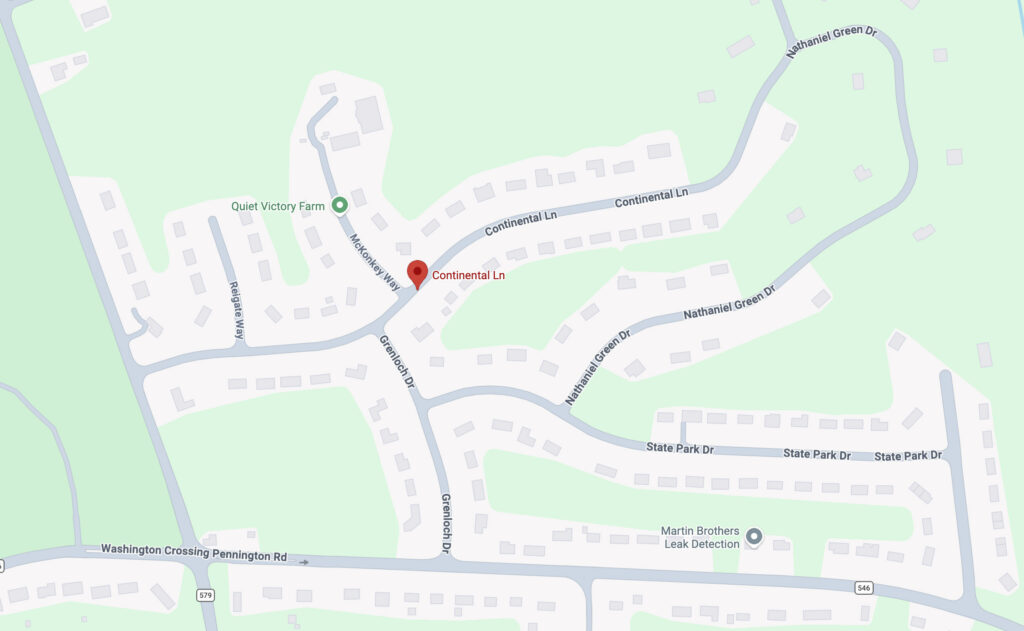
Hopewell Township officials announced that a boil water advisory affecting the development has been lifted after water testing confirmed the system is safe. The advisory, which began June 11, was triggered by a loss of water pressure within the community’s private water system and remained in effect for nine days while officials worked through required testing and regulatory approvals.
“We got the result back today, and they were all clear,” Hopewell Township Mayor David Chait said earlier this week as the township awaited final approval from the New Jersey Department of Environmental Protection. “We’re at the last stage of the pure waiting game.”
The DEP’s approval ultimately cleared the way for the advisory to be lifted on Thursday afternoon.
What Happened?
According to Hopewell Township Administrator and Public Works Director George Snyder, the advisory was issued after low water pressure was detected in the development’s water system.
Under DEP regulations, a loss of pressure requires a boil water advisory because lower pressure can potentially allow contaminants to enter the system, even if no contamination has been detected.
“Low water pressure caused the boil water advisory,” Snyder said. “This is a DEP regulation.”
At the time the advisory was issued, the water itself had not tested positive for contamination. Rather, the advisory was a precaution required by state regulations until testing could confirm the water remained safe.
“The water passed the water test,” Snyder said, explaining that passing the required testing would be the key step toward lifting the advisory.
A Community Utility
Unlike most Hopewell Valley residents, who receive water from larger regional utilities or their own private well, Washington Crossing Estates operates on its own community water system.
Located off Continental Lane, near the corner of Bear Tavern Rd. and Washington Crossing-Pennington Road, the utility provides water to more than 100 homes.
The development’s wells pump groundwater into storage tanks, which then distribute water throughout the neighborhood. Snyder said operators discovered an intermittent problem at the community pump house after the pressure loss occurred.
“The groundwater, the well water, is pumped up with pumps into tanks,” Snyder explained. “Then the tanks, storage tanks, distribute it to our customers.”
The system serves only the Washington Crossing Estates neighborhood.
Faulty Alarm Identified
Snyder said the investigation found a defective alarm system that prevented operators from receiving notification when water levels dropped.
“The alarm was found to be defective,” Snyder said. “That’s why the water level got to the level it did because our employees were not notified.”
Township officials brought in an electrical contractor, plumbing contractor, alarm company and PSE&G to help diagnose the issue. The alarm system has since been updated, and additional equipment was scheduled to be installed as part of the ongoing effort to address the problem.
While officials identified the faulty alarm, Snyder said they were continuing to investigate the underlying cause of the low-pressure event.
How Residents Were Notified
Residents were notified through the township’s reverse 911 system, which can target specific neighborhoods and streets. Snyder said residents can also sign up for emergency and community notifications through the township website.
The advisory remained in place while water samples were collected, tested, and reviewed by DEP officials.
With testing now complete and state approval received, residents can resume normal water use.