
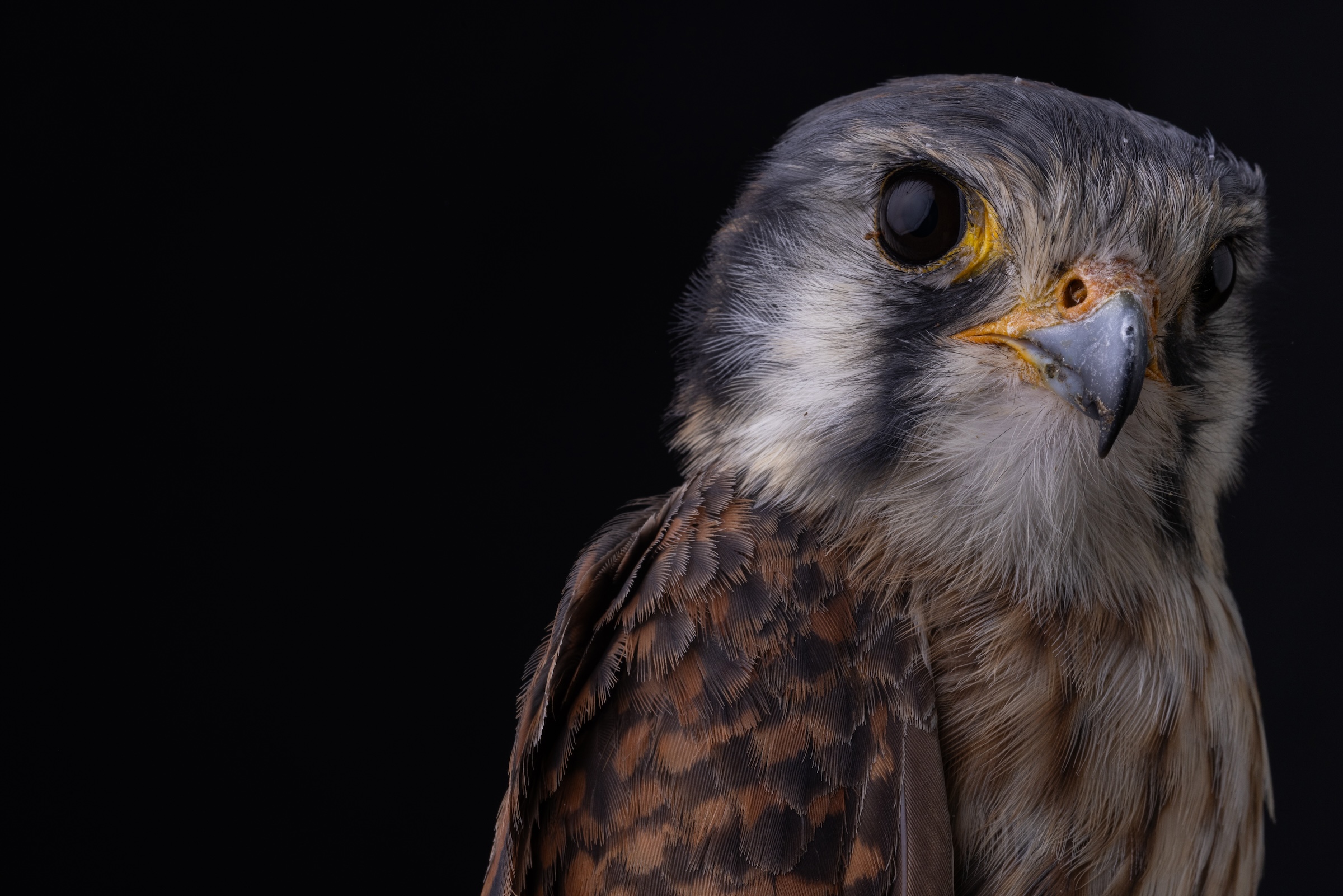
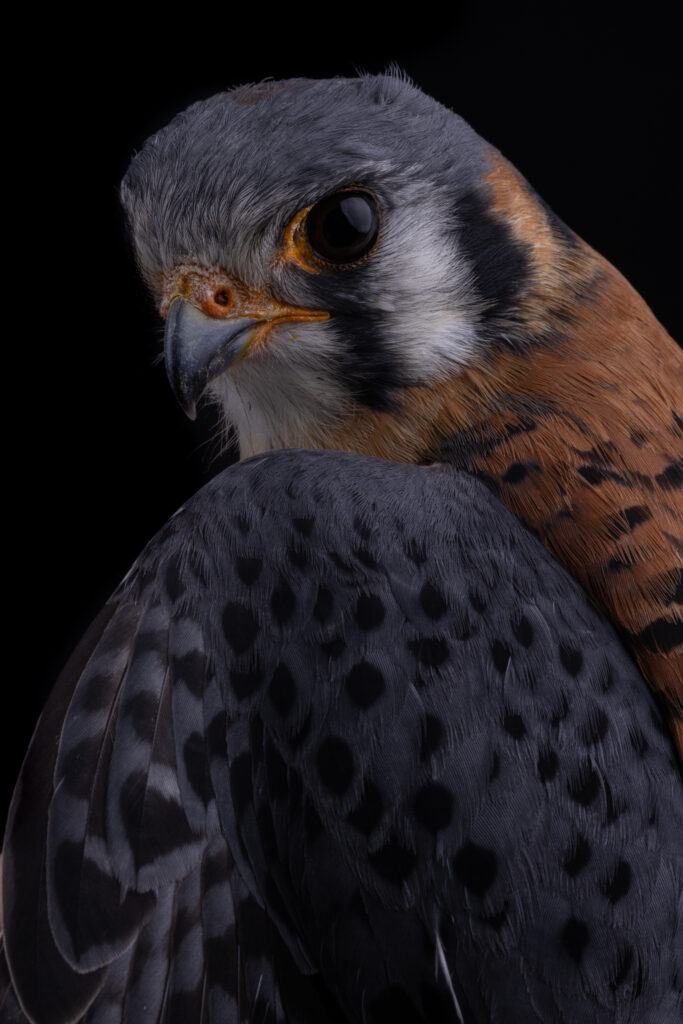
The American Kestrel, North America’s smallest falcon, has become a symbol of both the fragility of our ecosystems and the power of community-driven conservation. Once a common sight in New Jersey’s open fields and meadows, kestrels have seen their populations dwindle in recent decades, largely due to habitat loss and the scarcity of suitable nesting sites. As a species listed as a New Jersey threatened species since 2012, the kestrel’s decline has drawn the attention of conservationists, but it is the grassroots efforts of volunteers that are making a real difference in the fight to save them.
Why Kestrels Need Our Help
Kestrels are secondary cavity nesters, meaning they rely on existing tree cavities—usually those left behind by woodpeckers—rather than excavating their own nesting sites. These open fields and dead trees, which once dotted the landscape, have been replaced by development, agriculture, and urban sprawl. As a result, kestrels are now in search of artificial nesting sites, and without intervention, they face the possibility of further population declines.
“The primary reason for the kestrel’s decline is the loss of their natural nesting sites,” said Jennifer Rogers, Executive Director at Friends of Hopewell Valley Open Space (FoHVOS). “These birds need large, open spaces that are undisturbed by human activity, and there are simply fewer and fewer of those habitats available to them.”
The kestrel’s role in the ecosystem, however, cannot be understated. As predators, kestrels play a crucial role in controlling pest populations, such as grasshoppers, voles, and other small mammals. By helping to regulate these populations, kestrels maintain the delicate balance of the food web, which is vital for the health of agricultural lands and natural habitats alike.
The Hatch 100 Program: A Lifeline for the Kestrel
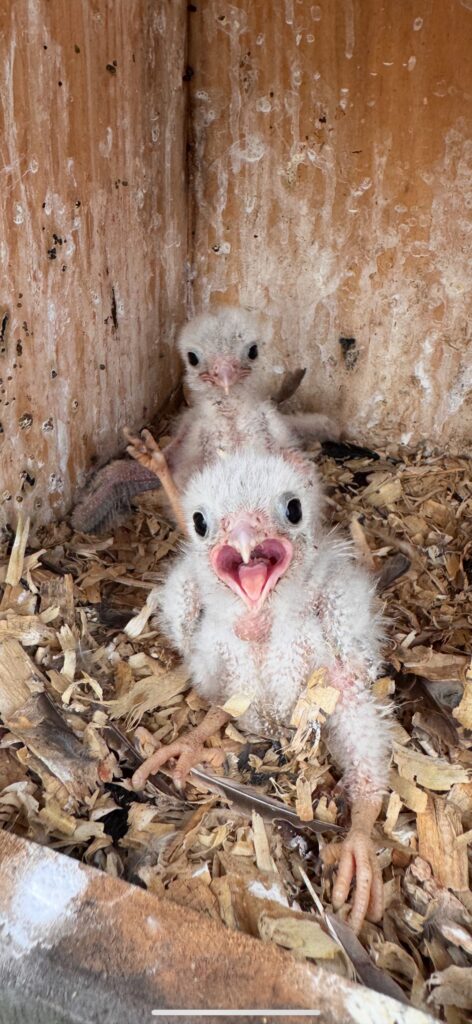
To combat the decline of the American Kestrel, the Hatch 100 program was created as a collaborative effort between FoHVOS and the Wild Bird Research Group. This initiative aims to increase the kestrel population by providing artificial nesting boxes throughout Hopewell Valley and beyond. The goal is simple: hatch 100 kestrel chicks annually and contribute to the recovery of this threatened species.
“This program began as an idea to support kestrel conservation by giving them places to nest, and it has grown into a successful community-driven initiative,” said Emily Broeg, a volunteer involved in the program. “It started small, but now we have a network of volunteers and landowners who are dedicated to providing kestrels with safe, monitored nesting sites.”
FoHVOS staff, with the help of volunteers, install and monitor these boxes during the breeding season. “We follow the New Jersey Department of Environmental Protection’s protocols to ensure the boxes are placed in appropriate habitats, and we monitor them throughout the season to track the success of the nesting,” Rogers explained.
Since the program’s inception, the number of kestrel chicks hatched has steadily increased. In 2024, the program saw a record hatch of 81 chicks and in 2025 there were similar numbers—a significant achievement despite challenges like heavy spring rains. “Even with difficult weather, the kestrels have shown remarkable resilience,” Rogers noted. “This program has proven that with the right resources and community involvement, we can make a real impact on kestrel populations.”
This season Wild Bird Research Group introduced pulley-style nest boxes to make monitoring easier, safer, and more efficient. Since kestrel boxes are up high, checking the boxes often requires ladders which can be heavy and challenging to manage without assistance.
The Role of Volunteers: A Community United for Conservation
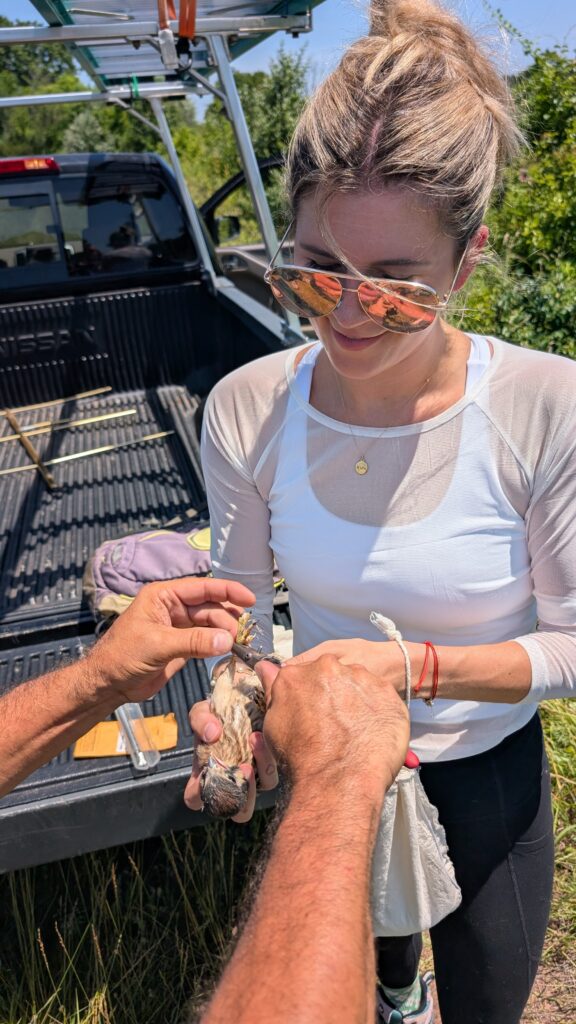
While the technical aspects of the program are guided by conservation experts, the success of the Hatch 100 program relies heavily on the dedication of volunteers like Broeg. “I got involved with the program because of my passion for birds,” Emily said. “Even though I don’t have a background in biology, I wanted to help. Through my involvement, I’ve learned so much about kestrels and the importance of habitat conservation.”
Broeg’s role in the program goes beyond monitoring nest boxes; she actively spreads awareness about the importance of kestrel conservation. “I’m passionate about making this work visible to others who might not know about it,” Emily explained. “By sharing my experiences and the progress of the program on social media, I hope to encourage more people to get involved in conservation efforts.” Broeg started posting about her monitoring on her Instagram, emmybebirdin, creating reels about her experience monitoring a nest box in Hopewell.
The enthusiasm of volunteers has played a key role in the program’s success. “When we first started, it was mostly FoHVOS managing the boxes,” Rogers said. “Now, volunteers and local landowners are stepping up, offering to host boxes and take part in monitoring. The community’s response has been incredible.”
A Future for the Kestrel: Expanding the Efforts
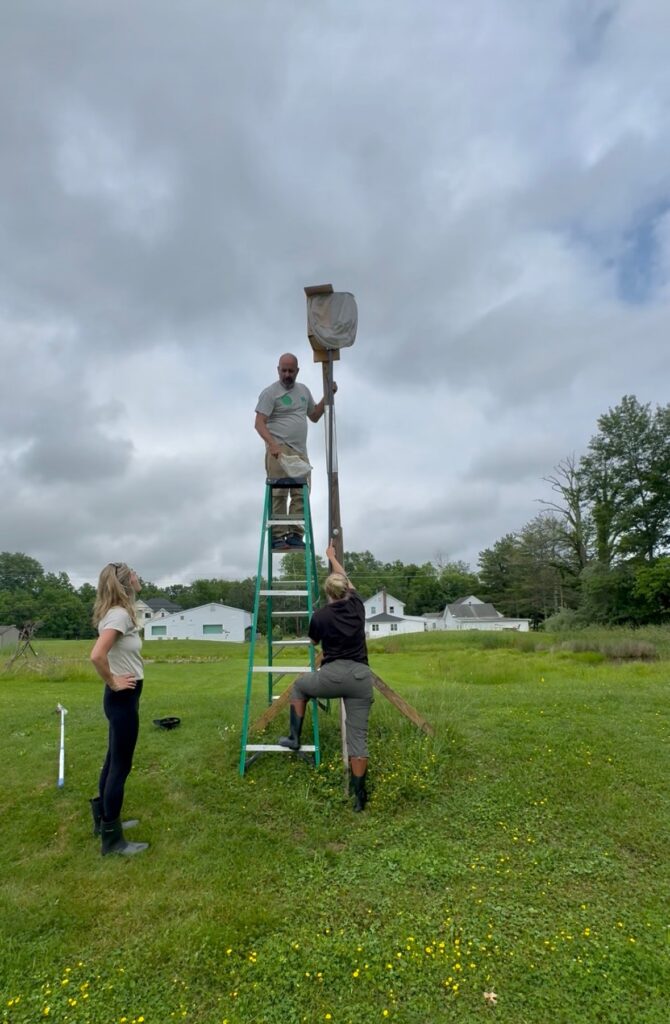
Looking forward, the Hatch 100 program has set an ambitious goal: to hatch 100 kestrel chicks each year. This number, while symbolic, represents a future where kestrel populations are stable and thriving. “We believe we can reach this goal, especially with the continued support of our volunteers and partners,” said Jenn Rogers. “It’s a big number, but every year we are making progress.”
The future of the American Kestrel is not just in the hands of biologists and conservation organizations; it’s also in the hands of everyday people who care about the natural world. “You don’t have to be an expert to make a difference,” Emily Broeg emphasized. “If you care about wildlife, there’s always something you can do, whether it’s monitoring a nest box or spreading the word about conservation efforts.”
Although the kestrel chicks have fledged this season, and in the next couple of months the kestrels will start migrating south, the work continues getting ready for next season and a chance to hatch 100.
Photos courtesy of Emily Broeg and Wild Bird Research Group