
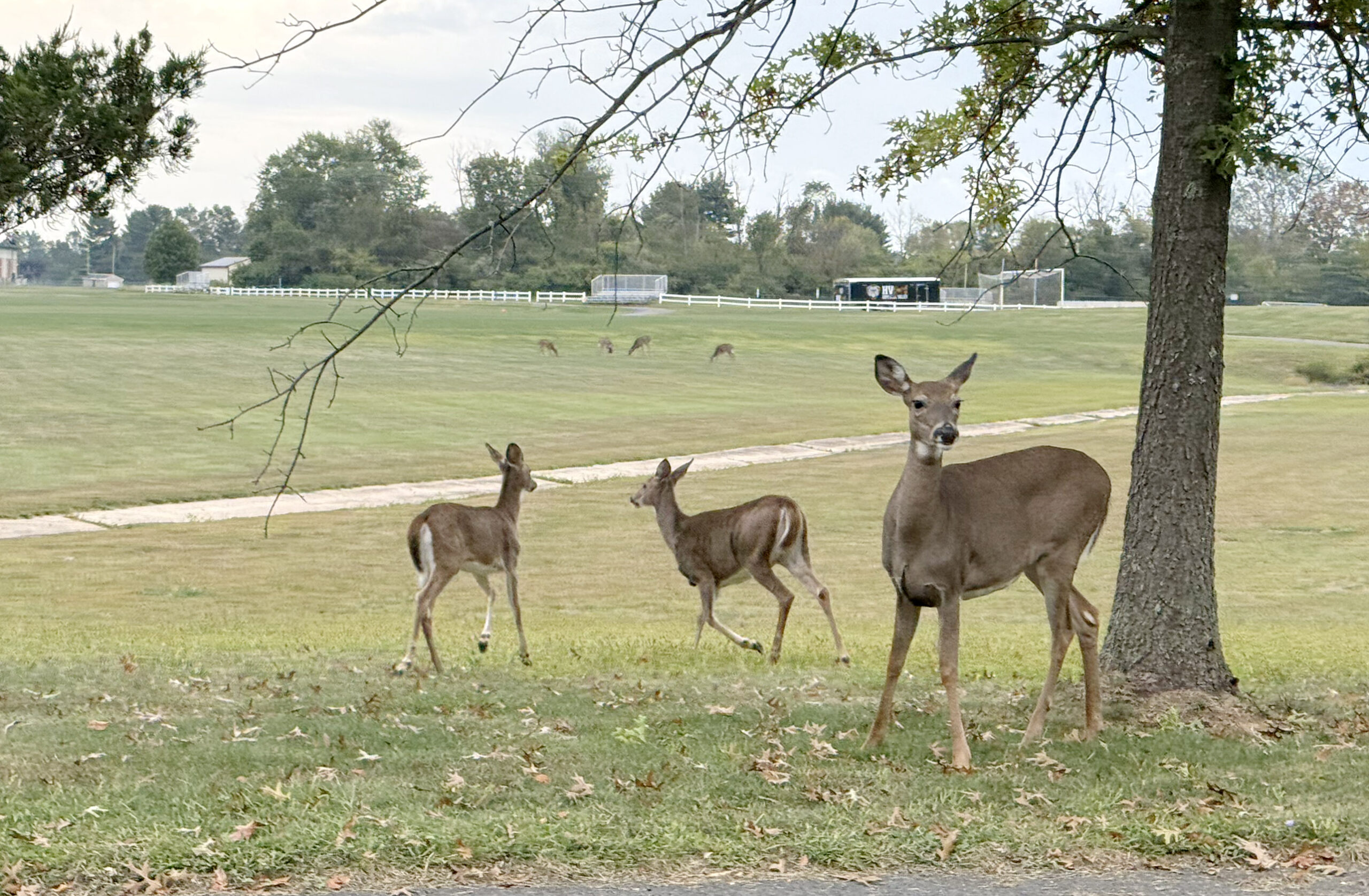
Bow season is already underway in New Jersey, and hunters across the Hopewell Valley are in the woods helping address one of the region’s most pressing ecological concerns: deer overpopulation.
According to Friends of Hopewell Valley Open Space (FoHVOS), the local deer population is estimated to be more than ten times larger than what the ecosystem can sustainably support. The overabundance has wide-ranging impacts, from crop loss and forest damage to increased risk of vehicle collisions and disease within deer herds.
Ecological and Community Impacts
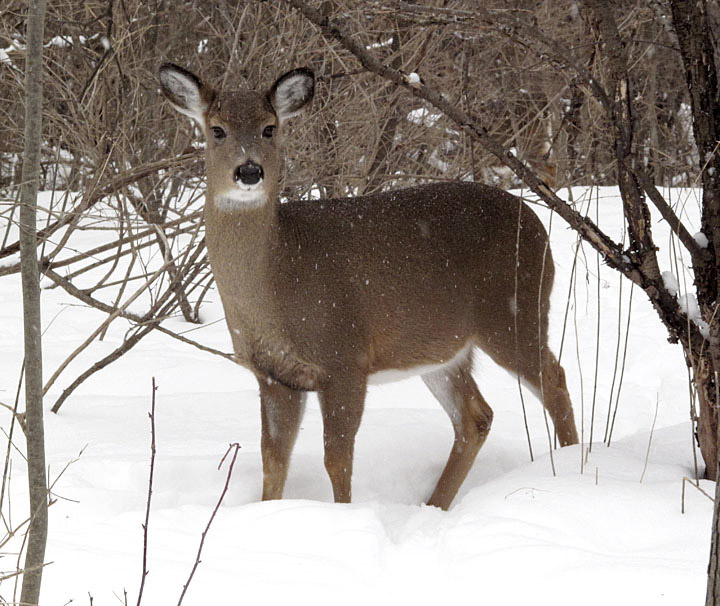
Overbrowsing by deer prevents forests from regenerating, stripping young trees and understory plants that provide food and habitat for other wildlife. Farmers have seen deer eat the tops off entire rows of crops, leaving fields unable to recover. The effects ripple into neighborhoods as well, where deer often wander into gardens and across busy roads.
Health risks also rise with overcrowding. Deer are susceptible to epizootic hemorrhagic disease (EHD), a virus spread by biting midges that can cause sudden die-offs. Managing herd size through hunting helps limit the spread of disease while reducing stress on the ecosystem.
Hunting as Management
To reduce these pressures, the Deer Management Advisory Committee (DMAC) coordinates local efforts that include hunters, farmers, and land managers. Hunting, DMAC co-chair Christopher Pazdan explained, plays a critical role in restoring balance.
“You lower the population, you have a healthier herd,” Pazdan said. “Having healthy deer, they’re eating what they’re supposed to. They’re not eating everything.”
Hunting also brings a community benefit through programs like Hunters Helping the Hungry, which partners with butchers and food banks across New Jersey. “A couple years ago, the Hunters Helping the Hungry program brought in 24,000 pounds of meat in one year and made about 100,000 servings for people,” Pazdan said. “That’s a lot of people getting fed and you’re helping the animals live better.”
Safety First
DMAC stresses that safety is paramount. Hunters are required to wear blaze orange and follow strict rules about where and how they shoot.
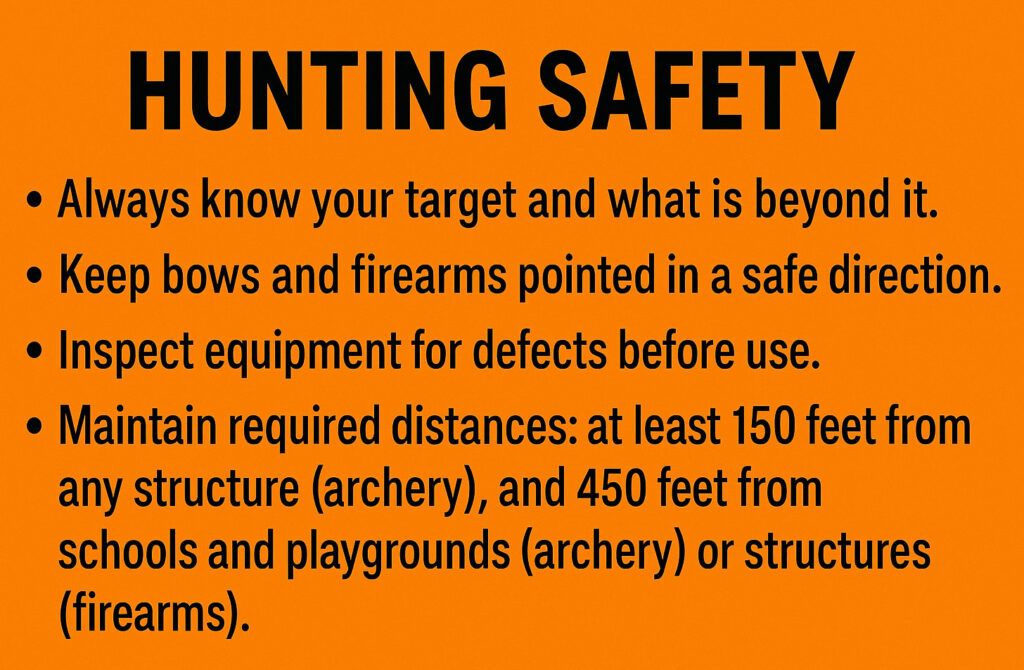
Key safety reminders include:
- Always know your target and what is beyond it.
- Keep bows and firearms pointed in a safe direction.
- Inspect equipment for defects before use.
- Maintain required distances: at least 150 feet from structures (archery), and 450 feet from schools, playgrounds, or structures (firearms).
- Wear blaze orange for visibility.
Wardens and property liaisons monitor the woods to ensure hunters and hikers alike follow regulations.
Sharing the Woods
Conflicts sometimes arise when hikers and pets stray off marked trails. FoHVOS encourages hikers to wear bright clothing, keep dogs leashed, and consider visiting on Sundays and Mondays when hunting is not permitted. Violations can result in fines.
Season Details

Fall bow season began September 13 in designated early zones and continues through February 21, with regular statewide archery season opening October 4 and firearm season starting December 8.
Hunters must have a valid license — such as bow and arrow, all-around, apprentice archery, or youth archery — and must tag deer immediately after harvest with their Conservation Identification Number and required details.
More information on season dates, zones, and regulations is available from the New Jersey Department of Environmental Protection and FoHVOS’s Deer Management program.