

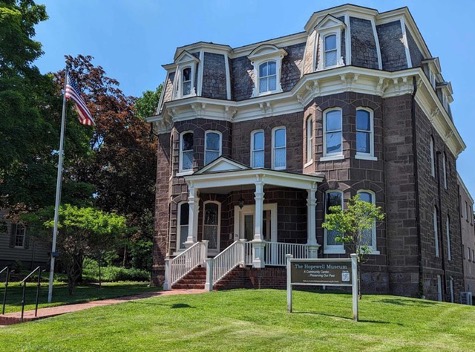
After several years of exterior restoration and behind-the-scenes conservation work, the Hopewell Museum is entering the most transformative stage yet of its multi-phase Reimagination project: a comprehensive overhaul of the building’s interior systems and gallery spaces.
Phase 3, a $1.5 million effort, will modernize the 1877 historic home at 28 East Broad Street from ceiling to floor, updating mechanical systems, reconfiguring exhibit areas, and preparing the building for long-term sustainability and expanded public use. Permits from the state and borough have been approved, and Princeton-based contractor C. Raymond Davis & Sons has begun the careful interior work.
For museum leaders, the project represents both a preservation challenge and an opportunity to re-envision how the space serves the community.
“Our house is the first item in our collection,” said Museum Board President Vincent Janoski. “Preserving its classic qualities, and at the same time transforming our space into a 21st-century meeting place and gallery — that’s been our mission from Day One.”
A building with a long history — and new demands
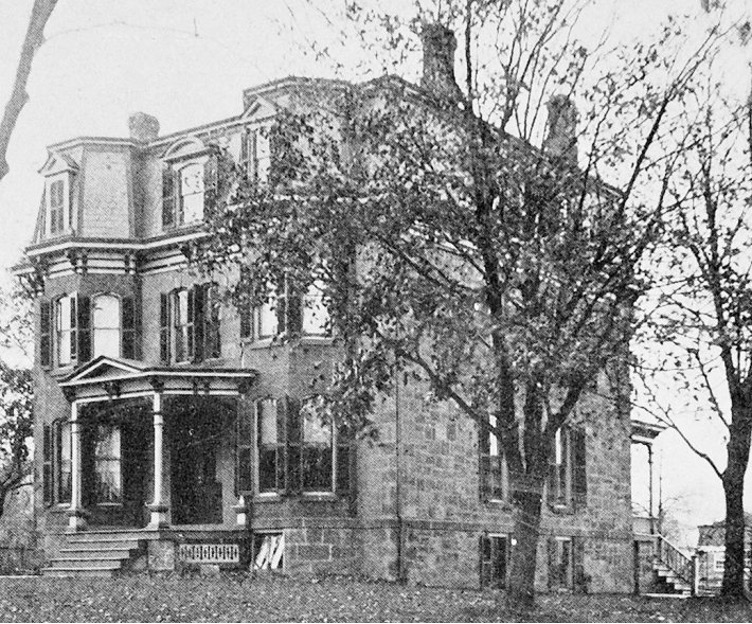
Built in 1877 as a private residence for Randolph and Carrie Stout, the East Broad Street home has itself become one of the museum’s oldest artifacts. Over the decades, time and weather have taken a toll on the structure, even as the museum’s collection has grown to include archaeological artifacts, historic furniture, textiles, ceramics, and other objects that tell the story of village life in Hopewell and central New Jersey.
“The building holds objects of great age,” the museum notes — “but one of the older ones is the building itself.”
That reality shaped the museum’s decision in 2020 to embark on Reimagination, an ambitious, multi-phase plan to restore the building and bring its interior in line with modern museum standards. Those plans were paused during the COVID-19 pandemic, when the museum was forced to close to visitors, but the project resumed in 2022 with renewed focus.
Phase 1 and Phase 2: restoring the exterior, protecting the collection
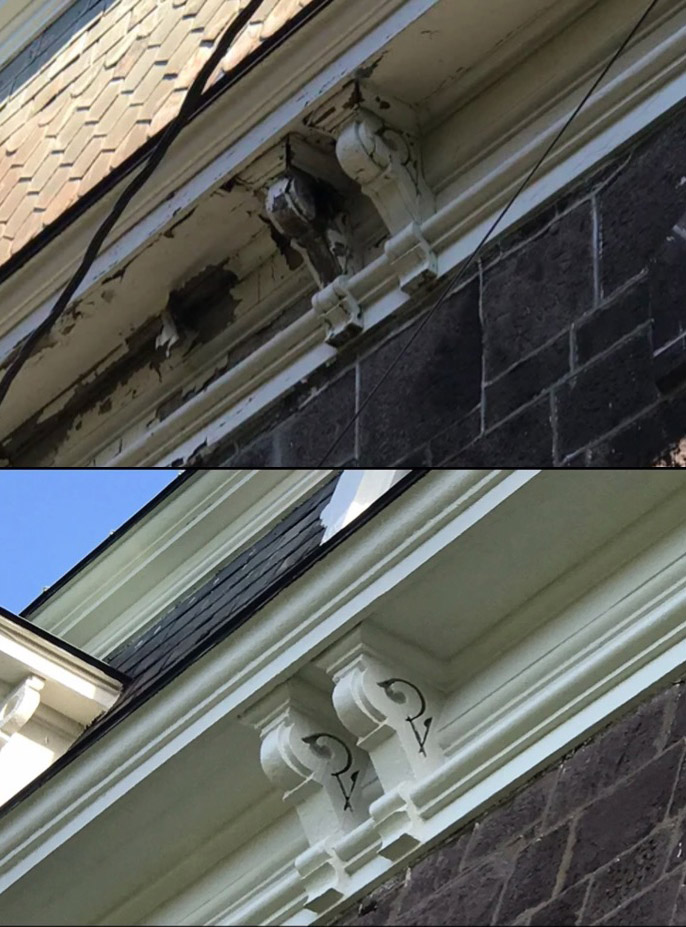
The first phase of Reimagination focused on restoring the building’s exterior. Stonework was cleaned and repointed, wood elements were repaired and repainted, and the front porch was rebuilt to match its original design. Pathways, stairs, and railings leading to the entrance were also reworked, returning much of the building’s historic character.
Phase 2, which spanned 2023 through 2025, turned inward — but largely out of public view. Conservators and archivists assessed and stabilized the museum’s collection, cataloguing and repairing objects and moving them into storage to protect them during future construction.
That behind-the-scenes work set the stage for Phase 3: rethinking how the building functions as a museum.
Phase 3: reconfiguring space for modern use
Phase 3 will focus on upgrading the building’s mechanical systems and reshaping its interior layout to better support exhibitions, collections care, and community programming.
“To date, we’ve been very limited in how the Museum preserves, protects, and displays our collection,” said Board Trustee Sarah Mezzino. “Though we’ve loved our landmark home, it was built for a 19th-century family to live in, and it clearly isn’t suited for 21st-century museum practices.”
As walls and closets are removed and new materials installed, Mezzino said, the project will allow the museum to do what it has long envisioned: “provide a sustainable, accommodating home for local artifacts and community interaction.”
Plans call for significant reconfiguration of first- and second-floor gallery spaces to support both permanent and rotating exhibits, while the third floor will be dedicated to offices. Throughout the process, original architectural elements — including parquet floors, fireplaces, and ornate mantels — will be carefully protected.
Work will begin on the upper floors and progress downward, with new systems installed floor by floor. While the interior will be transformed, much of the work will not be visible from the outside.
Designing for sustainability — and preservation
Architect Wolfram Arendt of LayerX Architects, which designed the museum’s master plan, said sustainability has guided every aspect of the interior redesign.
“The house at 28 East Broad Street is a beautiful building, but it’s an old building,” Arendt said. “Our charge is to put in elements for long-term sustainability, at the same time we preserve the building’s historic integrity.”
That includes decisions about lighting, air quality, and materials — all of which affect both visitor experience and artifact preservation.
“Bright blue light may be harsh to visitors’ eyes, and potentially harmful to the artifacts,” Arendt explained. “We’ve specified correct color temperature for all lights on all floors.” LED and track lighting will reduce energy use while allowing flexibility as exhibits change.
Air quality and daylight also factored into the design. Windows that had been walled over will be reopened to bring in natural light, and new mechanical systems will deliver fresh, tempered air without visible ductwork. Non-toxic, low-VOC mineral paints will be used throughout to protect artifacts from long-term damage.
“For it to be truly sustainable, all parts must work together,” Arendt said.
Looking ahead: Phase 4 and beyond
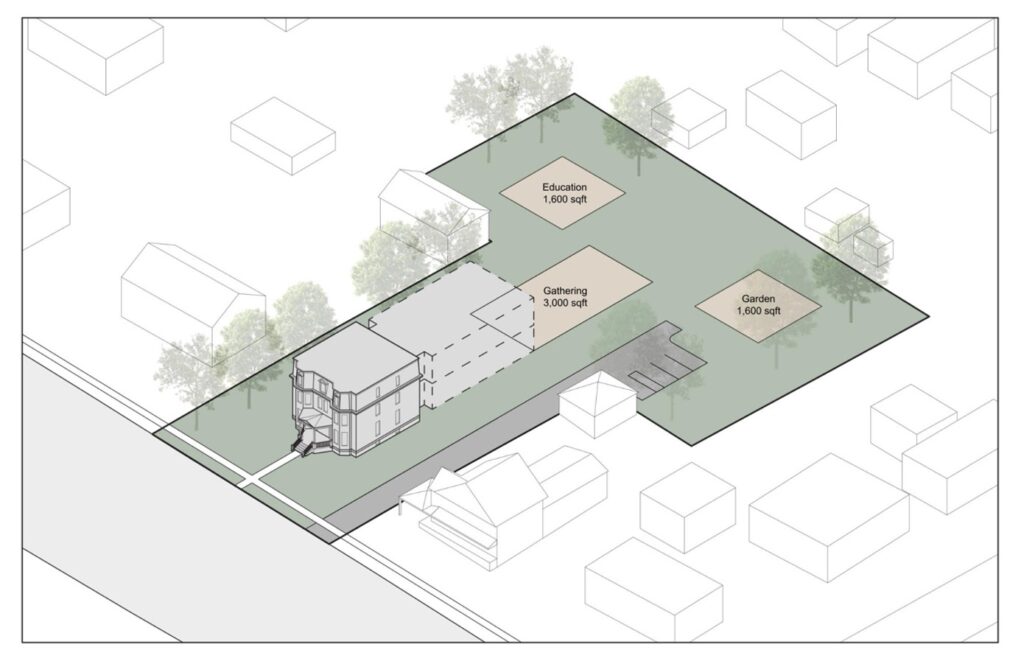
While Phase 3 focuses on the building’s interior, museum leaders are already planning Phase 4, which will be funded through a dedicated capital campaign. That phase would include an archive room for researchers, a new meeting space, additional storage, an outdoor patio and garden, and a new accessible entrance to improve wheelchair access.
Together, the phases are intended to ensure that the Hopewell Museum can continue its mission — first established in 1922 — for decades to come.
Once construction is complete, the reimagined museum will reopen as both a showcase of local history and a flexible gathering space, telling the story of Hopewell-area life from its pre-colonial roots to the present day.
For museum leaders, the work represents a careful balance of honoring the past while preparing for the future — a transformation that has been years in the making.
To learn more about the Reimagination project, contact the Hopewell Museum’s Executive Director, Asher Lurie.