
A once-ordinary lawn in Hopewell Valley is now teeming with life — and has earned national recognition for it.
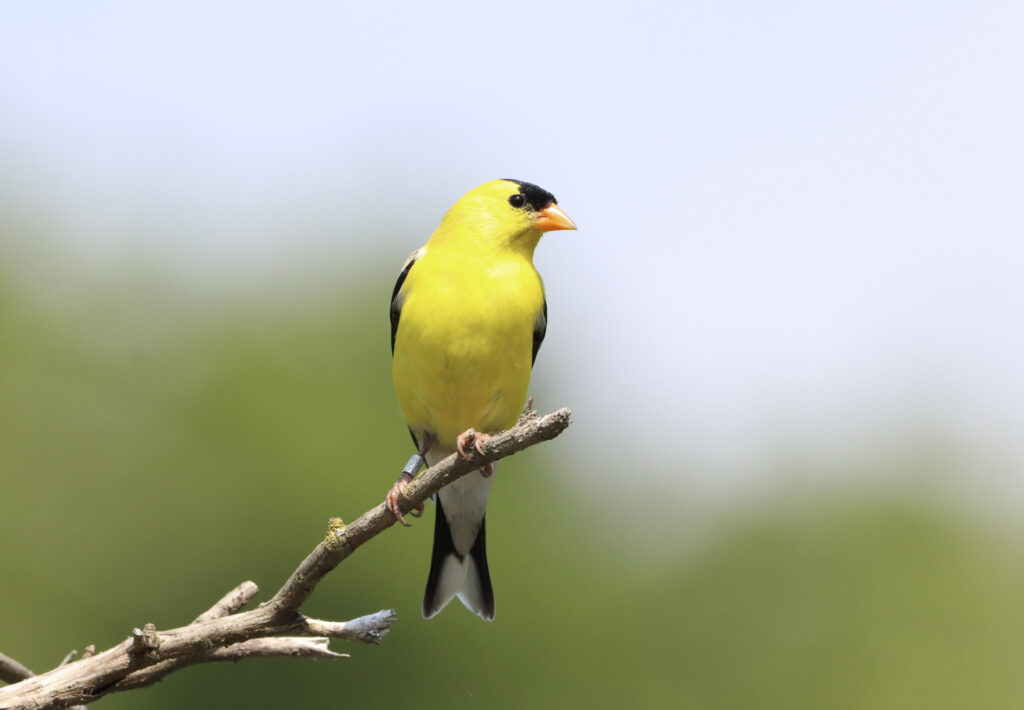
The National Wildlife Federation (NWF) recently certified Samantha Bean’s property, “Flutter By Meadows,” as a Certified Wildlife Habitat® through its Garden for Wildlife™ program, which promotes the creation of sustainable, native habitat spaces across the country. Bean’s garden, transformed over several years from manicured grass to a haven for native plants and pollinators, joins more than 300,000 sites recognized nationwide since the program’s founding in 1973.
But for Bean, the certification isn’t about accolades.
“We didn’t certify our garden for the recognition or for a round of applause,” she said. “We certified it to make a statement that we’re trying — and to encourage other people that this is something they can do too.”
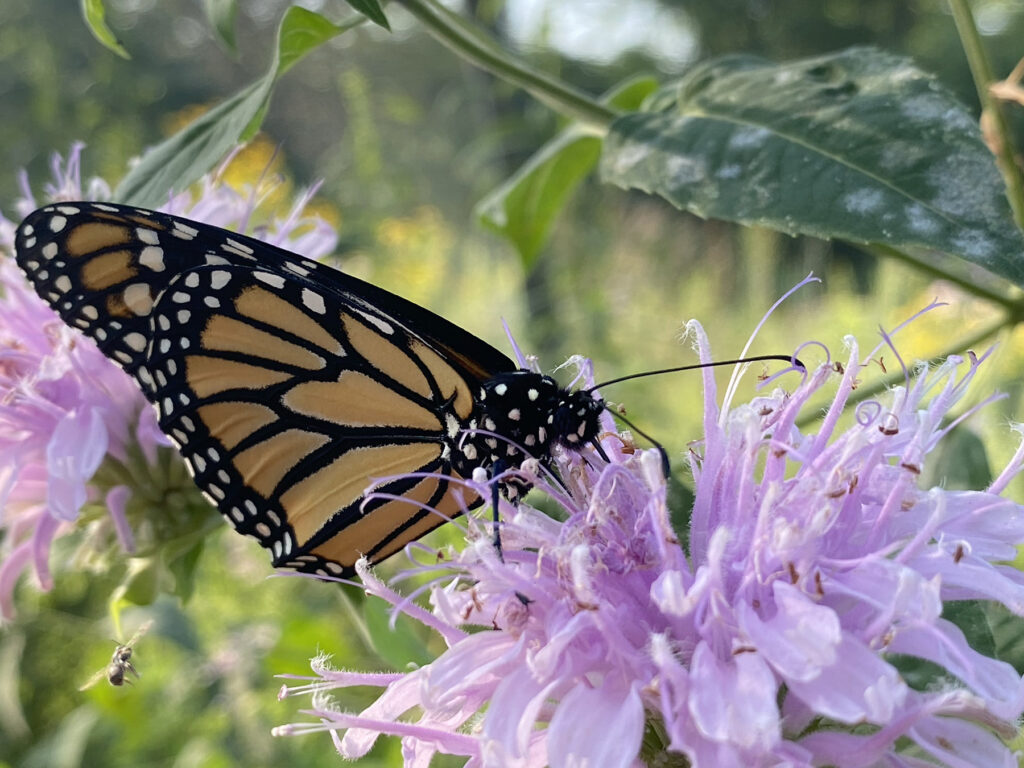
Her property—just over two and a half acres—is now a vibrant patchwork of meadows, rain gardens, woodland understories, and groves of native trees. Birdhouses tucked into different corners attract bluebirds and tree swallows, while wildflowers like goldenrod, foxglove beardtongue, and bee balm sustain pollinators from spring through fall. Leaf litter, not pesticides, covers the ground. No irrigation is needed.
“This land isn’t perfect, but it’s changing,” Bean said. “Each plant we place feels like a small act of return. A gesture toward the wild that once was — and the wild that still might be.”
To receive NWF certification, gardeners must provide food, water, cover, and spaces to raise young—all while using sustainable practices. Properties of all sizes qualify, from suburban backyards to balconies with pollinator-friendly containers.
“You can certify no matter what size your property is,” Bean said. “An insect hotel or a small nest box does not take up much room.”
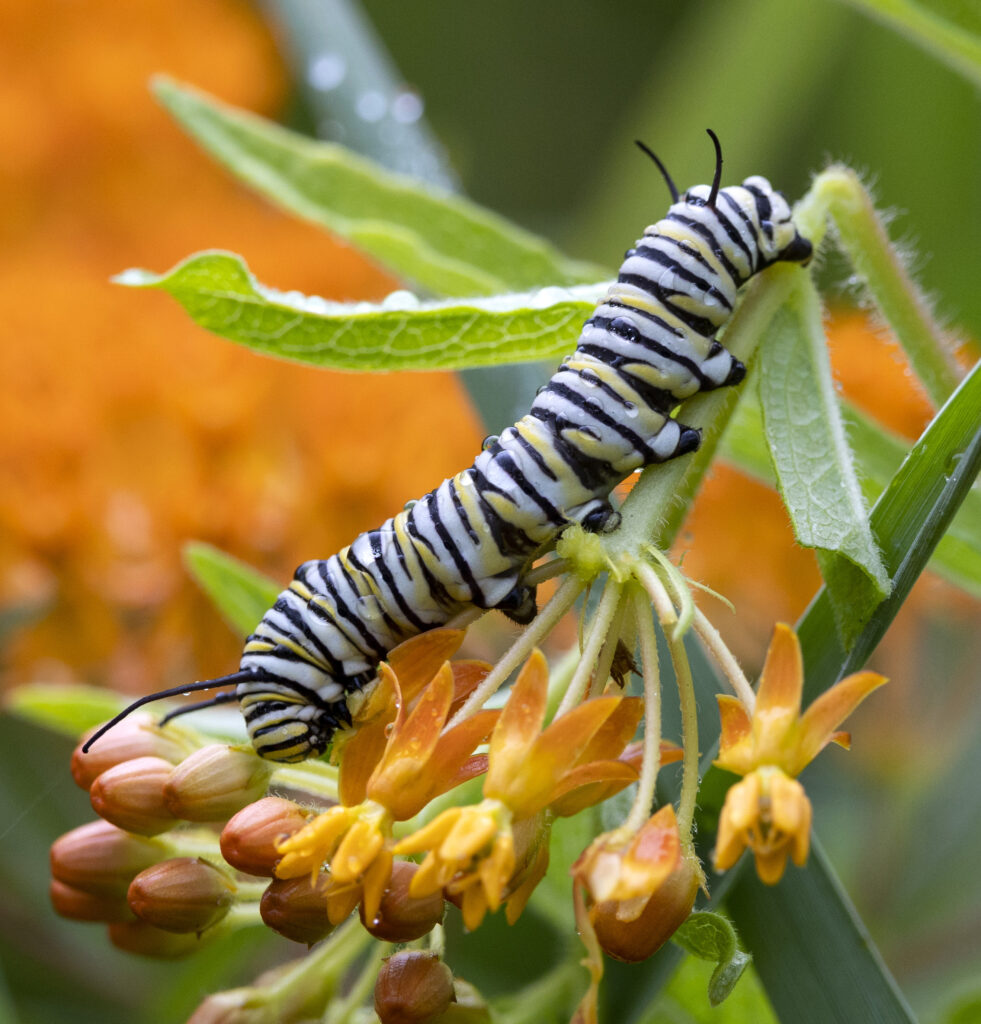
Bean hopes her example will inspire others to join the growing local effort to make Hopewell Valley an officially certified Community Wildlife Habitat. That goal requires at least 225 residents to certify their outdoor spaces through the NWF. The local initiative—Hopewell Valley Gardens for Wildlife—is offering workshops, outreach events, and resources to help residents get started.
“It’s a visible reminder that even a garden can be part of something bigger,” said Bean. “It tells our neighbors, our daughter, and the creatures who pass through: we’re paying attention. We’re trying. We want the wild to feel welcome here again.”
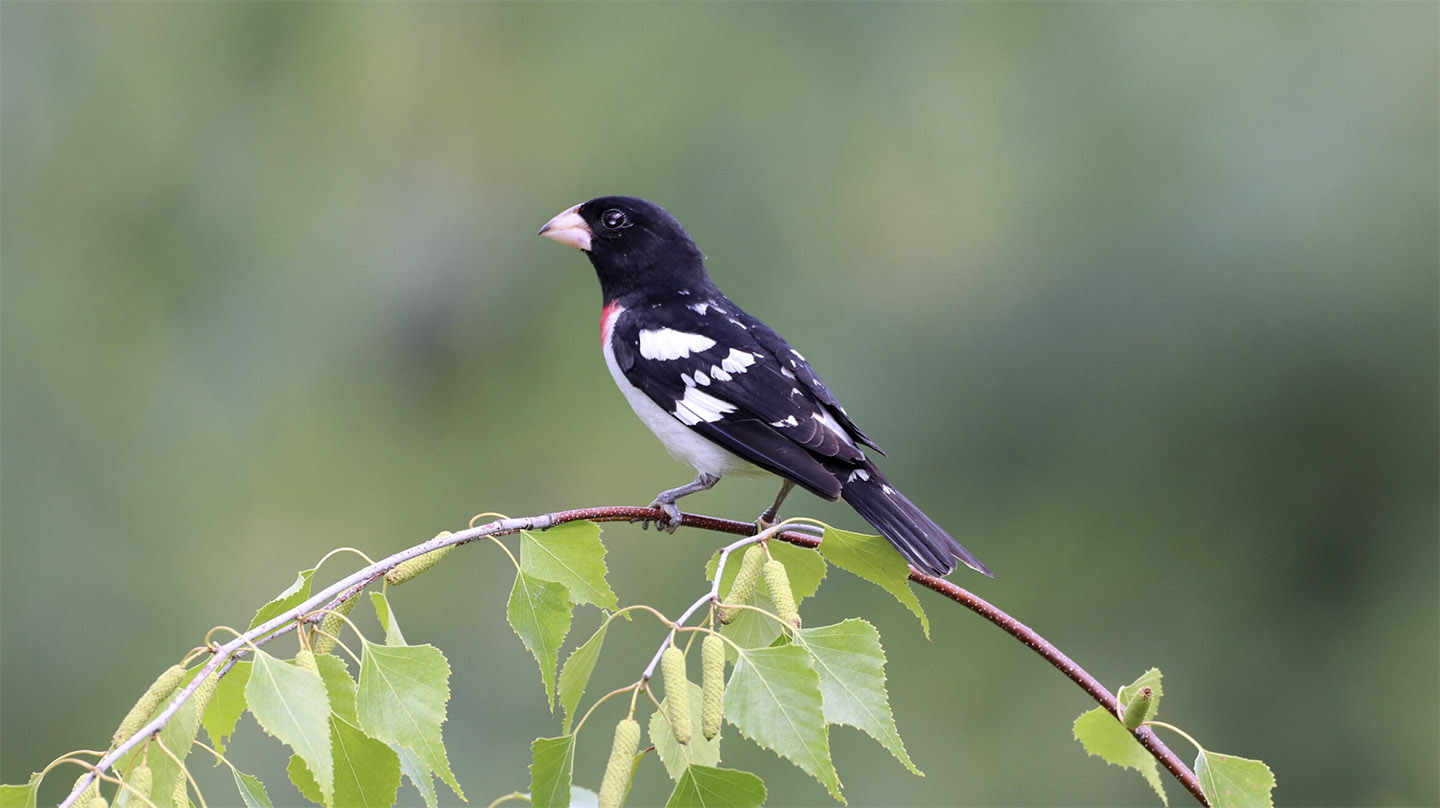
What began as curiosity in 2017—sparked by the sighting of a migratory bird—has grown into both a habitat and a personal journey. Bean now documents her experiences at FlutterByMeadows.com and on Instagram @flutterbymeadows, where she writes regularly about the shifting seasons and the life they bring.
“My writing captures both the ecological importance of what I am doing and the emotional impact it has on me,” she said. “That first surprise bird sighting after beginning to transform my yard was a transformation in not only my outdoor space, but in my head space too.”
At the heart of her message is a call to slow down and re-engage with the natural rhythms of the land.
“When you garden for wildlife, it requires a much less hurried pace,” Bean said. “With a native plant garden, you get a chance to not be busy. And just be. That is so magical.”
To learn more about certifying a wildlife habitat or accessing native plant resources, visit www.nwf.org/garden. You can all visit https://www.fohvos.info for more on local community conservation.