
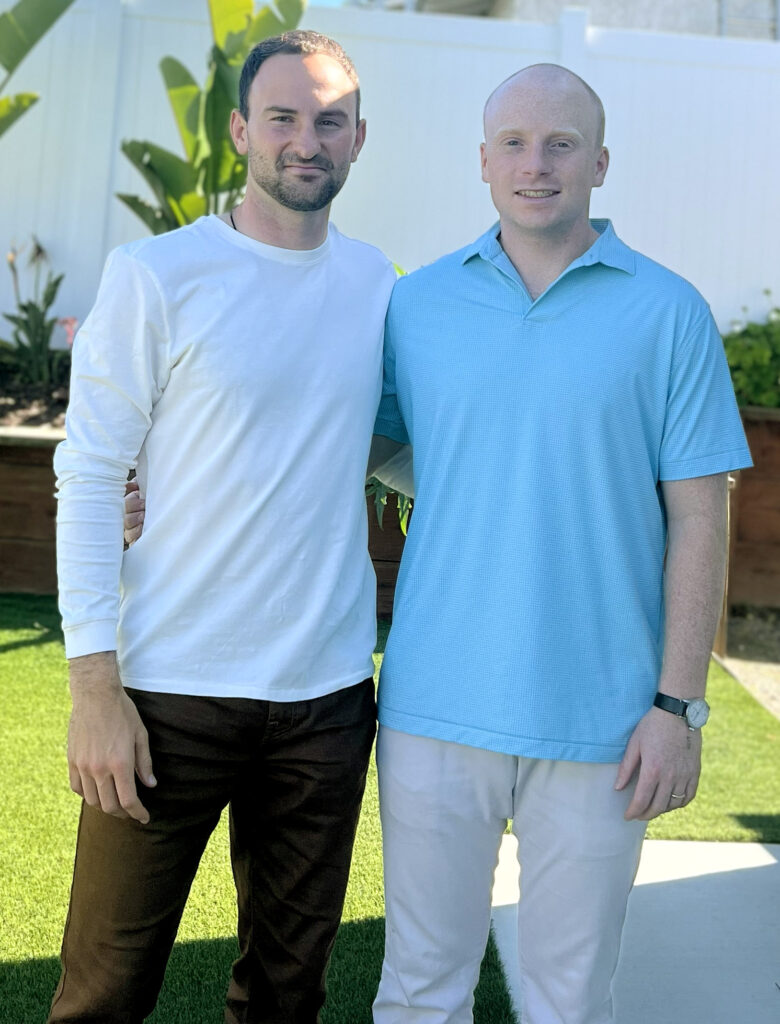
It started with dull razors, weak water pressure, and a shared sense of annoyance.
Deployed on a Navy destroyer in the Red Sea, Hopewell Valley Central High School graduate Matt Semple and his shipmate Andy Camp were stuck shaving daily with barely a trickle of water—and no good way to rinse their razors. “Guys were literally banging their razors against the sinks,” Semple told MercerMe. “We figured there had to be a better way.” Eco-Friendly Shaving Tool
There wasn’t. At least not a simple, mechanical one. So, they decided to build it themselves.
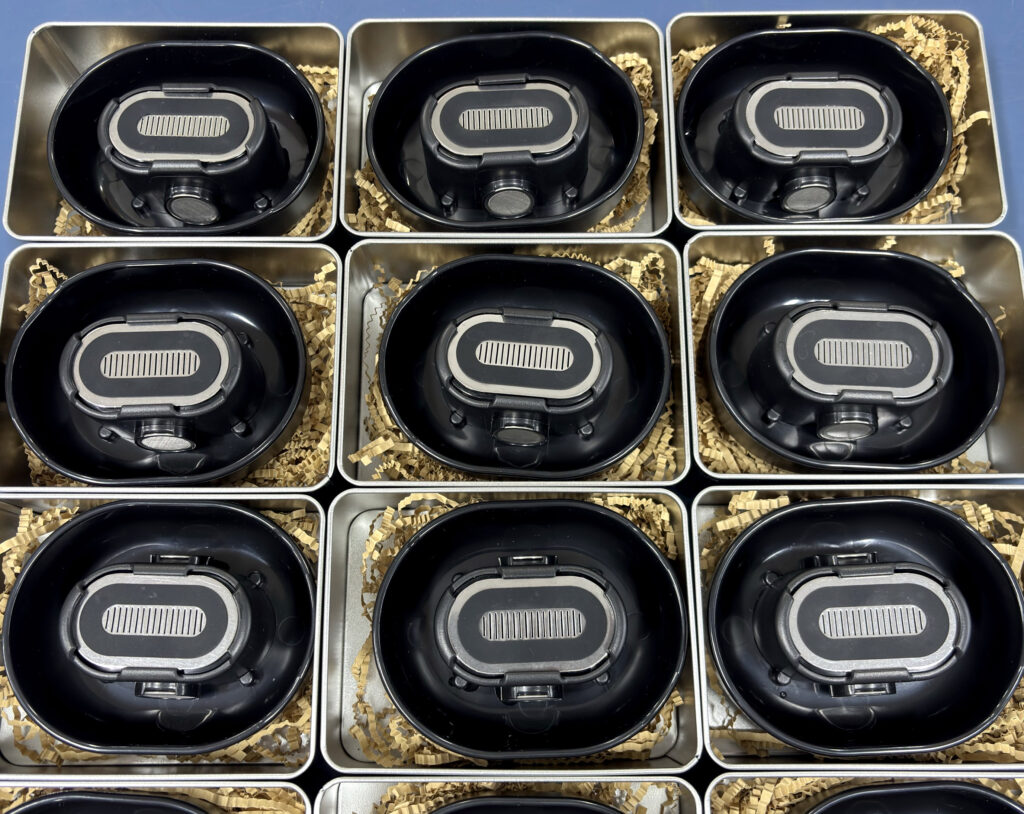
More than two years later, dozens of prototypes, and one successful Kickstarter later, the Razor Rinser is a real thing—and it’s shipping. The duo has now sold more than 3,500 units of their water-saving shaving tool and is building out inventory and operations under their company, The Clean Shave Co.
A better rinse
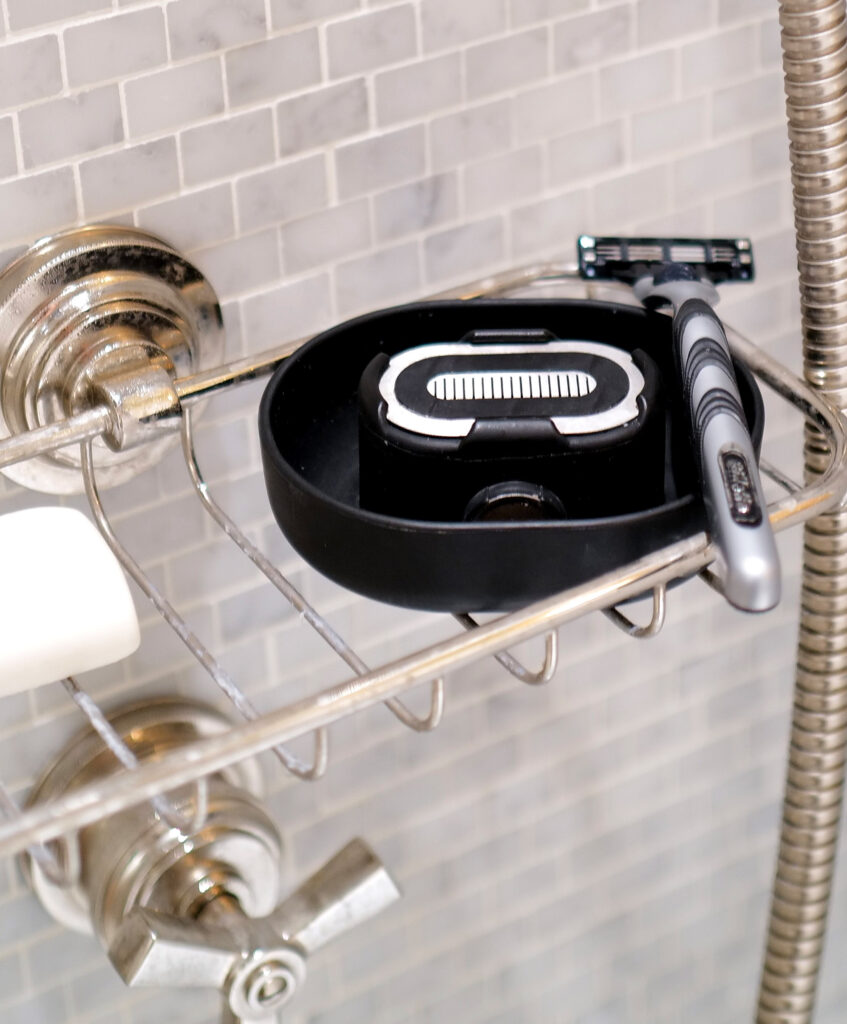
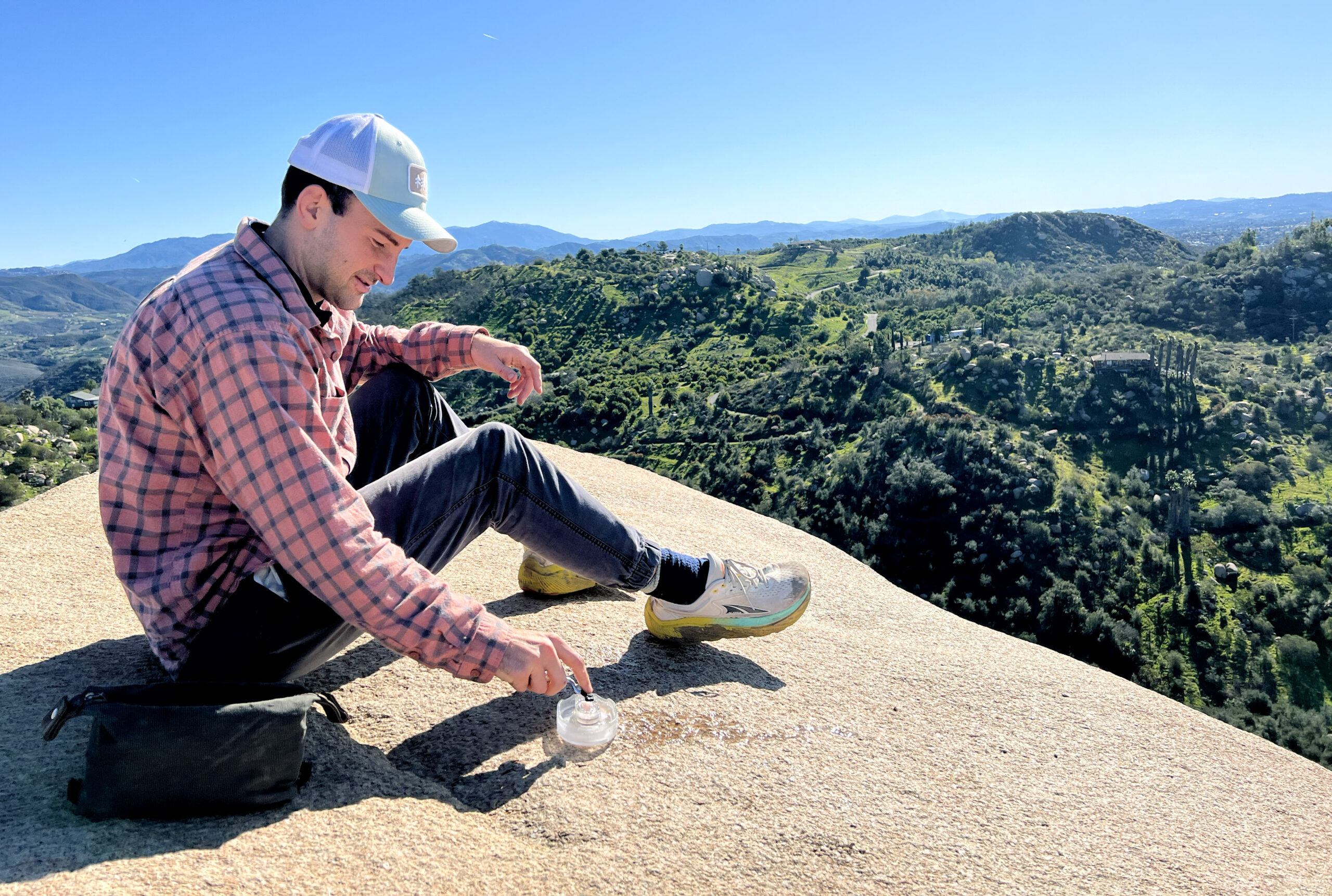
The Razor Rinser works a bit like a bar glass rinser—press down, and a burst of water shoots through your razor blades to rinse out hair and shaving cream. It only takes a few ounces of water and can be reused for an entire shave. The whole thing disassembles easily and can be cleaned or dumped out between uses.
Development began in San Diego, where the Navy stationed both founders after deployment. Camp took the lead on engineering, using free tools at the San Diego Public Library’s makerspace to create early designs and send samples to manufacturers. The duo ran their business, used a provisional patent guide from the library, and pooled resources to get the first molds made—once their Kickstarter campaign raised more than $70,000, far exceeding their $10,000 goal.
Semple and Camp have now produced 10,000 units and fulfilled thousands of backer orders over the past few months. They average about 10 direct-to-consumer sales per day through their website, thecleanshave.co.
They also managed to finish delivery ahead of schedule. “Hey, we wrapped in under a year!” they told backers in an April update.
One problem: the fakes
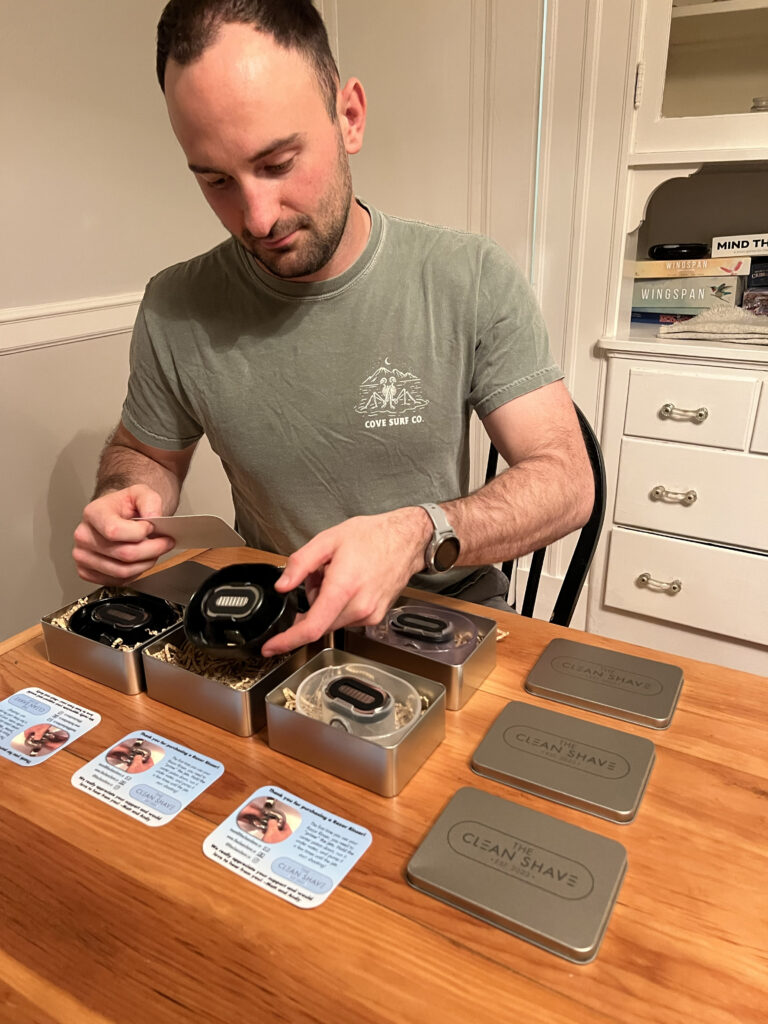
Then came the knockoffs.
“Before we even had inventory, people were already copying it,” Camp said in an interview. The viral moment came from an Instagram reel—millions of views, and soon after, dozens of fake versions appeared online. They looked similar but didn’t work. “None of them actually rinse the razor,” Semple said.
Rather than try to shut them down outright—an expensive and time-consuming effort, especially with a pending patent—the co-founders took a different approach. They ordered the knockoffs—from places like Amazon, Walmart and Alibaba—tested them on camera, and showed how they failed. Their side-by-side videos helped steer people back to the original product and cut down on confusion.
The Razor Rinser remains patent-pending, and trademark protection for the brand is also in the works.
Staying grounded
Semple, now pursuing his MBA at Boston College, says he underestimated how much capital the project would take. “There were a lot of go or kill moments,” he said. “The Kickstarter going well was what pushed us through.” Camp, now based in the Philly area, continues to work full-time while handling sales and customer support on the side.
The two are in no rush to scale beyond what’s manageable. “This isn’t feeding our families yet,” Camp said, “but it’s steady—and we like working on it.”
They’ve kept in touch with backers, encouraged customers to send in videos of their new shaving routines, and continue to tweak and test new ideas based on feedback.
I was one of those early backers—curious about the environmental angle and interested in supporting something built by a neighbor. At first it felt weird to change my habits, but now I don’t miss letting the faucet run at all. The Razor Rinser does the job, saves water, and keeps the sink clean. It’s become a normal part of my routine.
Semple says that’s the goal: “Find people who like it, help it spread, and just keep making it better.”