
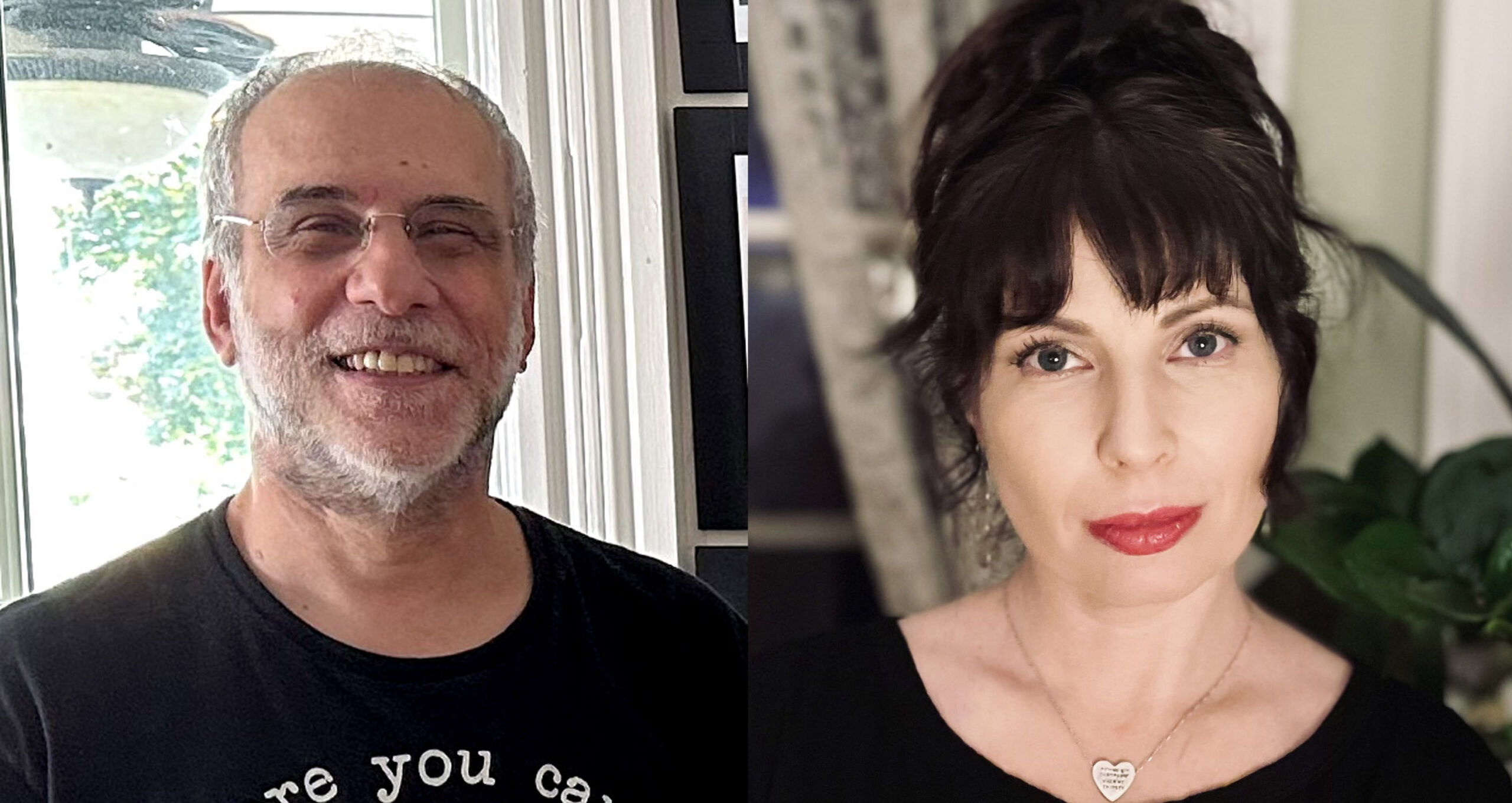
As part of MercerMe’s mission to keep Hopewell Valley residents informed and engaged, we invited the Hopewell Borough Council candidates in this year’s election to share their backgrounds and priorities. Democrats Paul Buda and Krista Weaver are running unopposed. Below are their responses to help you make an informed decision at the polls.
- Please briefly share your background and any relevant experience that qualifies you to serve on the Hopewell Borough Council. Include public service experience, and if you are an incumbent, a review of your time on the Council.
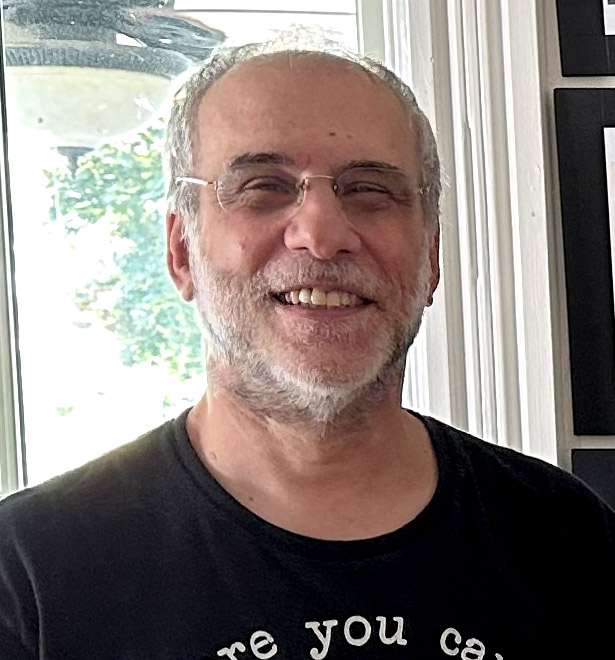
Buda: As an architect with 40 years of experience, I am used to listening to all sides regarding the building process. I believe in respectful discussion and compromise as a way forward. We don’t always get everything we want; however, we can proceed and modify in real time with our hearts and minds. Since 1997 My wife and I have lived in Hopewell Borough. Our son grew up here. FACTOID: In 1998 when presenting our application (restoration/addition project for our historic home built in 1897) to the Planning/Zoning Board, I was soon asked by Mayor Padgett and Councilman Knights to join the Planning/Zoning Board. I served on the Board for 10 years (including time as vice chair). I appreciated working with dedicated volunteers that share a desire to do what is right for Hopewell. As an architect I have had the opportunity to present many applications to the Planning/Zoning Board including Sourland Cycles that became an important part of our local business community 10 years ago. I want to help rebuild and improve our local business community so it will provide many benefits to Hopewell. Although I never had political aspirations, with all that is happening at the federal level – I feel that I might be able to help fellow Hopewellians on issues that affect daily life in the borough.
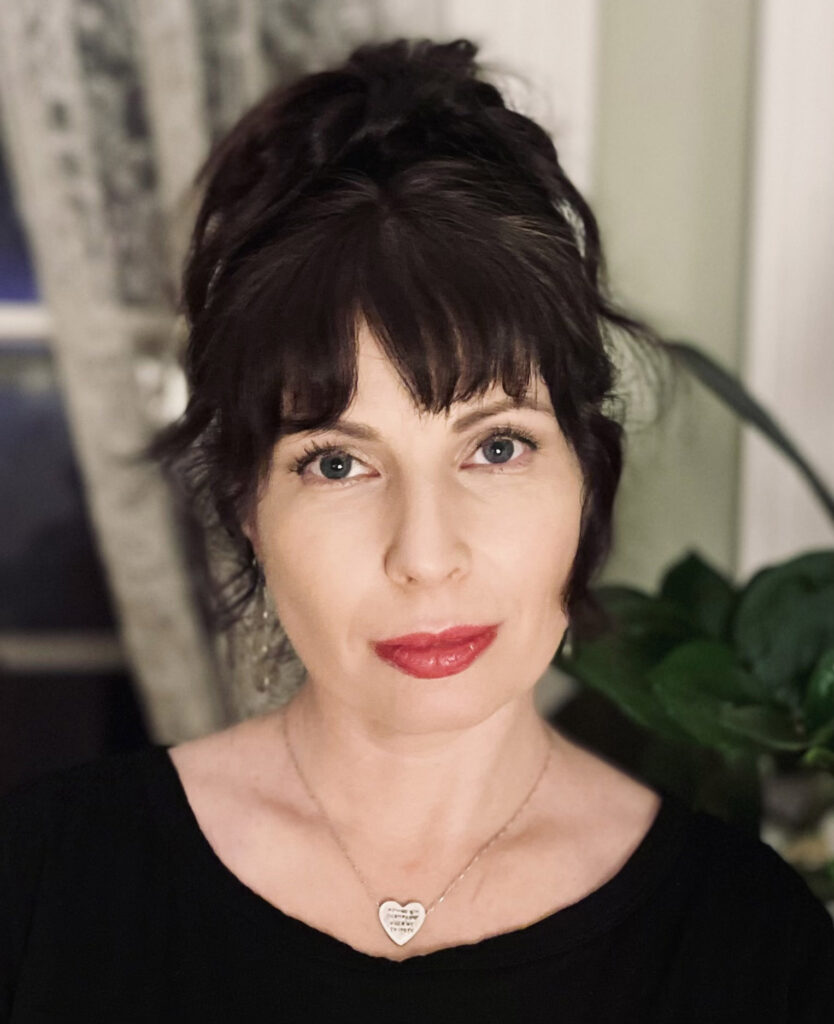
Weaver: I was first elected to council in 2022. Before taking office, I drafted our Vision Zero resolution committing the town to improving traffic safety. In 2023, I authored our Safe Routes to School grant application that won the borough $1.51 million, plus up to $750,000 in design funding, for projects to improve safety for children walking and biking to school. That includes sidewalk connections, including to St. Michael’s Farm Preserve and Kings Path, flashing crosswalk beacons along Broad St. and near the school, overhead flashing lights near the school and upgraded crosswalks.
I worked with Mercer County officials to lower the speed limit on the entirety of Broad St. to 25 mph and prohibit right turns during red lights at key intersections. I’m leading a traffic calming project for N. Greenwood Ave that will be implemented following repaving. I’d like to implement similar treatments elsewhere in town.
- What motivated you to run for a seat on the Borough Council—or to seek reelection?
Buda: At this time in my life, I have come to the realization that we are here to connect with others, by making things and making moments. I believe the council is best when it has members with different backgrounds and experiences. Considering there are proposals for major construction projects in our borough, I believe i might add to the thoughtful discussion in making sure that they “fit” appropriately in Hopewell. I am interested in bridging ideas and building community.
Weaver: I originally ran for council to improve pedestrian and bike safety in the borough. It turns out that this is a slow-going process that requires deep resources and even deeper patience. I’m running again to continue the work I’ve started, such as helping oversee the design and implementation process of the Safe Routes grant, updating our Complete Streets Policy to encourage more green infrastructure, and ensuring that the traffic calming project on N. Greenwood is installed so that similar projects can be used elsewhere in the borough.
Earlier this year, I organized a field trip for first graders to visit borough hall, and we just scheduled another trip for the fall. I’d like to see this become a tradition as I believe it’s extremely important for young people to learn how important and rewarding civic engagement can be.
- Borough residents will vote this fall on whether to sell the municipal water system to a private company. Do you support the sale? Why or why not?
Buda: This is a complicated issue to comprehend. I am continuing to learn about this issue directly from American Water Representatives, our Council and Members of the Hopewell Public Water Alliance. For me it comes down to “How are we going to pay for the water system major repairs and costs associated with federal/state regulations.”
Weaver: I believe that selling the water utility is the best option for the borough. As a member of council, it’s my job to do what’s best for the entire community. Keeping the system means unsustainable rate increases. I understand why some folks are attached to the idea of retaining local control, however I would not be a responsible fiduciary of the borough if I didn’t support the sale.
Business owners and residents have asked council to ease the burden of high water costs. I believe this is the single most important thing we can do to support our businesses and increase affordability. High housing costs and taxes mean Hopewell is already unaffordable for many. Some families have privately expressed that water prices and other costs may force them to relocate, and others may decide not to move here at all.
As a child, my mother and I wanted to move to the borough but couldn’t afford it. I don’t take for granted the good fortune of being able to live here now. This makes me particularly wary of any policy that could exclude other families from our town.
- Beyond the water system, what do you see as the most pressing issue facing Hopewell Borough over the next five years, and how would you address it?
Buda: The most pressing issue is how to grow our town without losing what makes it “Hopewell.” For example, the proposed “Hamilton 57” apartment project must “FIT” into Hopewell. The “FIT” involves many aspects from infrastructure such as traffic, parking, public transportation, water, three dimensional massing, trees, open space, and storm water.
Weaver: The borough faces many issues, but my priority remains improving safety for vulnerable road users in the borough and beyond. Advocacy for this issue is what led me to run for office, which then drove me to learn more about transportation planning. I decided I didn’t want to just demand change, I wanted to learn how to create it. This led me to pursue a Master of City and Regional Planning at the Bloustein School, which is one of the top schools in the country for planning and public policy. I’m eager to put my evolving knowledge to use to improve safety in the borough.
A walkable town doesn’t just keep us safe and healthy; it draws us to our public spaces. It attracts visitors who shop, dine and participate in community events. These types of activities have paid dividends in towns that have embraced this sort of change.
- Flooding and stormwater management are ongoing challenges in the Borough. What steps should be taken to address these issues?
Buda: We need to access the research and knowledge that our local Watershed Institute speaks to with expertise. What occurs on one property effects another, especially when you consider the multiple streams that run under and through Hopewell Borough.
Weaver: I’ve been looking to update our Complete Streets Policy – first put in place in 2012 – to a Complete and Green Streets Policy. Complete Streets is essentially a guide to creating transportation infrastructure that is safe and welcoming for all road users, not just drivers of motor vehicles. Complete and Green Streets encompasses the Complete Streets Policy and incorporates green infrastructure elements like more street trees and rain gardens. Using these and otherwise increasing permeable surfaces helps manage stormwater and prevent polluted runoff from entering the sewer system.
Having green traffic calming treatments is the ultimate goal. Not only would this help with flooding and stormwater management, it will further beautify the town and draw even more visitors. With this new policy we can show potential funding sources that we are prepared to walk the walk, which is incredibly important for small municipalities with limited resources.
- What is your position on the use of Payment in Lieu of Taxes (PILOT) agreements in the Borough, and what do you see as the potential benefits or drawbacks?
Buda: Thanks to my neighbor who brought up this issue at a 2024 council meeting and educated us to the details of PILOT. I have real concerns about this because as an American I believe in “equal protection under the law.”
Weaver: The borough currently has no PILOTs, though we’re considering using one for Hopewell 57. I understand that PILOTs can be controversial. I don’t think many people in the borough are happy with the township PILOT. However, they can be a useful tool for attracting developers to areas that would otherwise not be appealing.
With Hopewell 57 we have an opportunity to repurpose a site that has frankly been an eye sore, makes little contribution to our municipal tax base, and contributes nothing to achieving our broader goals such as increasing affordable housing and economic activity. Redevelopment of the site offers a rare opportunity within the borough to add affordable housing and bring in new customers to support our businesses. If the borough uses a PILOT to facilitate this aim, we’ll have a say in where the money goes and the opportunity to ensure the school district gets its fair share.
- Hopewell Valley shares a number of services across the Boroughs and Township. Are there additional opportunities for shared services that you believe should be considered?
Buda: At one time, Hopewell Borough had its own police force. It is my understanding that the reason we don’t- is because for a borough of 2,000 people we can’t afford it. I strongly believe we need to maintain our own local government, fire and EMT departments. I can’t think of anything left that could effectively be shared and still maintain the character of Hopewell.
Weaver: I think this administration has done a good job of exploring more shared services and the door should always open to that. We are a small municipality with limited resources. It’s not cost effective to do everything on our own. However, the borough being geographically isolated does somewhat limit our options for shared services. County officials have continuously expressed an openness to talk about how we can work together to be as efficient and cost effective as possible.
I’ve been particularly happy with the Hopewell Township Police Department. They’ve been very cooperative and engaged with our recent bike/ped safety initiatives and education campaigns and under the leadership of Chief Rosso, have been very responsive to our town’s broader needs.
- Do you believe elections in Mercer County have been conducted safely and fairly?
Buda: Yes, I do. I would also like to say that every time my wife and i have voted in Hopewell, we have been treated kindly and professionally by the poll workers.
Weaver: I’m not aware of evidence to the contrary. I think it’s great that we have so many options for exercising our right to vote now, like mail-in voting and early voting. I’d also like to shout out our poll workers. It’s a tough job. Thank you for doing it!
Bonus Question: Do you follow MercerMe for news about what is happening in the community? If not, how do you stay informed?
Buda: Yes, and I appreciate it as a reliable news source.
Weaver: As the spouse of a reporter, I greatly appreciate the work of local journalists and know all too well the demands and unpredictability of the job. We are lucky to have local news sources like Mercer Me, especially as many other communities see their news sources disappearing.
While I don’t do much social media, I’m fortunate to have a good network of friends and neighbors who help keep me abreast of what’s happening in the borough and our surrounding communities.