
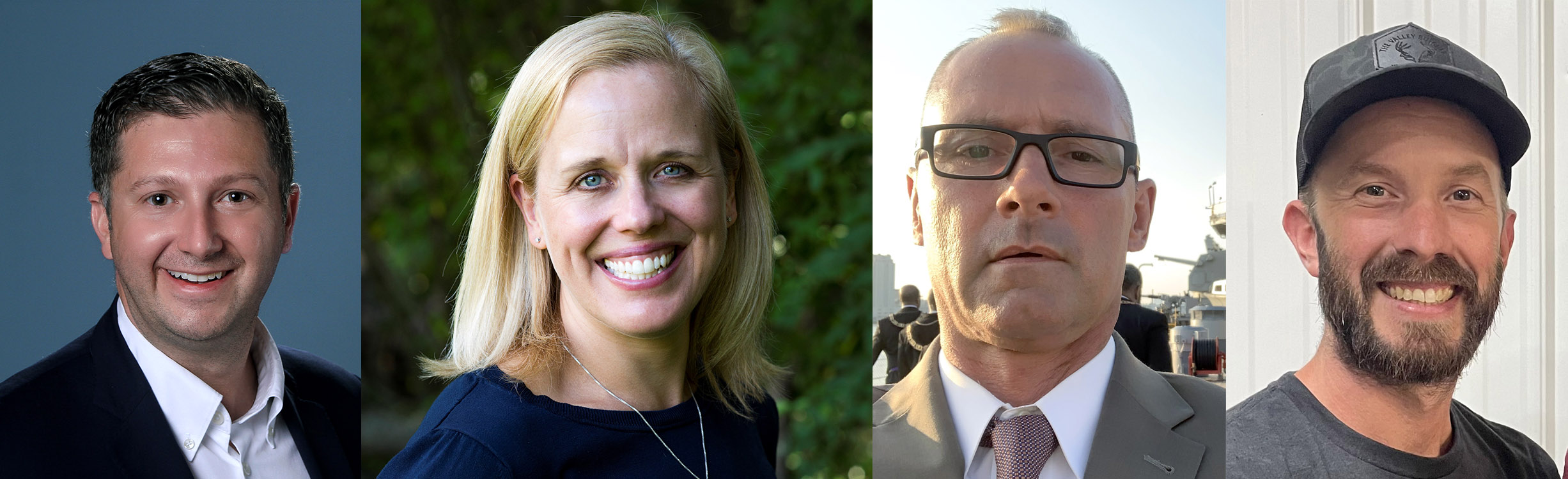
As part of MercerMe’s mission to keep Hopewell Valley residents informed and engaged, we invited the Hopewell Township Committee candidates in this year’s election to share their backgrounds and priorities. There are two seats open this year on the committee. Democratic Incumbents Courtney Peters-Manning and David Chait are running against Republicans Edward Jackowski and Steven Niederer. Below are their responses to help you make an informed decision at the polls. The candidates have been arranged alphabetically by party and then by candidate.
Hopewell Township Candidate Questions
- Please briefly share your background and any relevant experience that qualifies you to serve on the Hopewell Township Committee. Include public service experience, and if you are an incumbent, a review of your time on the Committee.
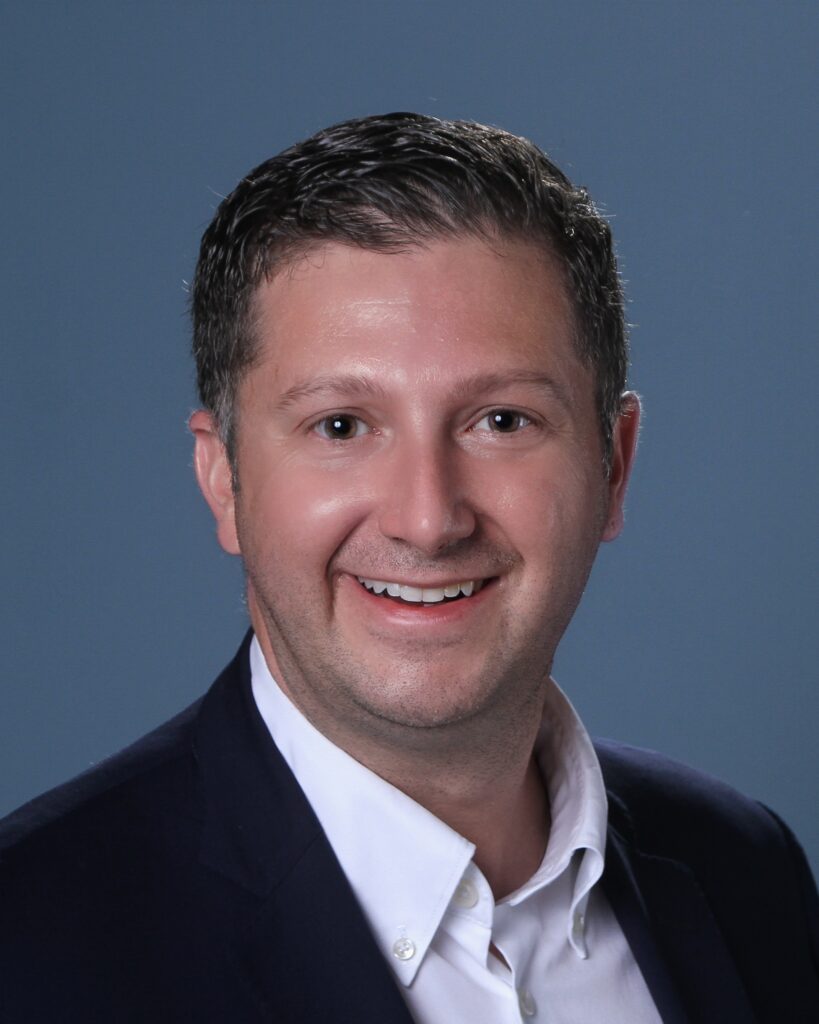
Chait: It has been an honor to serve on the Hopewell Township Committee for the past four years, and I was honored my colleagues elected me to serve as Deputy Mayor for 2025. I was first appointed in January 2022 to fill a one-year vacancy, and later that year elected to a full term.
In addition to serving as Deputy Mayor, I serve as liaison to Public Works, the Tourism and Economic Development Advisory Committee, the Affordable Housing Committee, Communications, the Youth Advisory Board, and the Lower Delaware Wild and Scenic Management Council.
I am a small business owner and the Founder and CEO of Travefy, a software company with three offices across the U.S., including one in Hopewell Township. Previously, I worked as a McKinsey consultant and served in the Obama Administration as Senior Policy Advisor at the U.S. Small Business Administration.
Most importantly, I bring direct experience as a current Committee member, managing Township finances, addressing affordability, and lowering taxes.
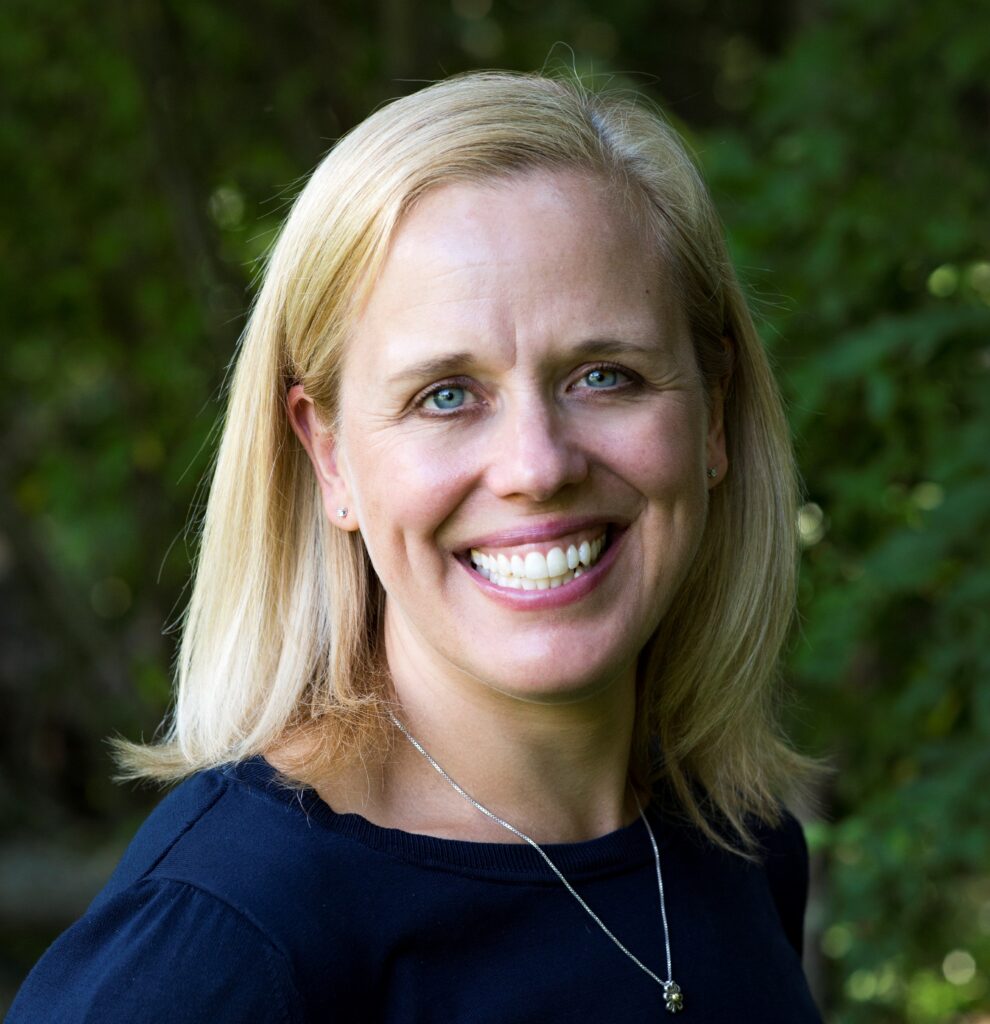
Peters-Manning: I was first elected to the Township Committee in 2019 and am now completing my second term, having been reelected in 2022. I served as Deputy Mayor in 2021 and 2023 and as Mayor in 2022 and 2024-25. I am the liaison to Police and Public Safety, the Fire District, Administration/Legal, the Senior Advisory Board, and the Deer Management Advisory Committee.
I am also the Director of Finance and General Counsel at the Cambridge School, which my parents founded in 2001 to help kids with language-based learning differences like dyslexia. Before that, I was an environmental lawyer, an environmental consultant, and I was a dolphin trainer at a cognitive research lab in Hawaii right after college. These diverse experiences give me not only the financial knowledge to responsibly manage your tax dollars, but I have a deep understanding of environmental issues, particularly drinking water, which equip me to face things like the Trenton Water Works regionalization.

Jackowski: My experience as a Non-Commissioned Officer in the Marines taught me leadership, accountability, and how to make decisions under pressure with the good of the team always in mind. I learned the value of service, discipline, and putting others before myself—qualities that are essential in public office.
As a small business owner for over 30 years, I’ve also gained firsthand understanding of what it takes to manage budgets, solve problems, and adapt to challenges while staying focused on long-term goals.
Together, these experiences make me uniquely qualified to serve on the Township Committee. I know how to lead, how to listen, and how to work hard to deliver results.
Niederer: I have lived in Hopewell Township my entire life (37 years) and am deeply committed to our community. My professional background in public safety (Retired Mercer County Sheriff’s Officer/Tactical Response Team Member/Task Force Officer/Detective Sergeant), along with my experience running a small business in the township, has provided me with skills in community relations, budgeting, and proactive safety measures; all essential for effective local leadership.
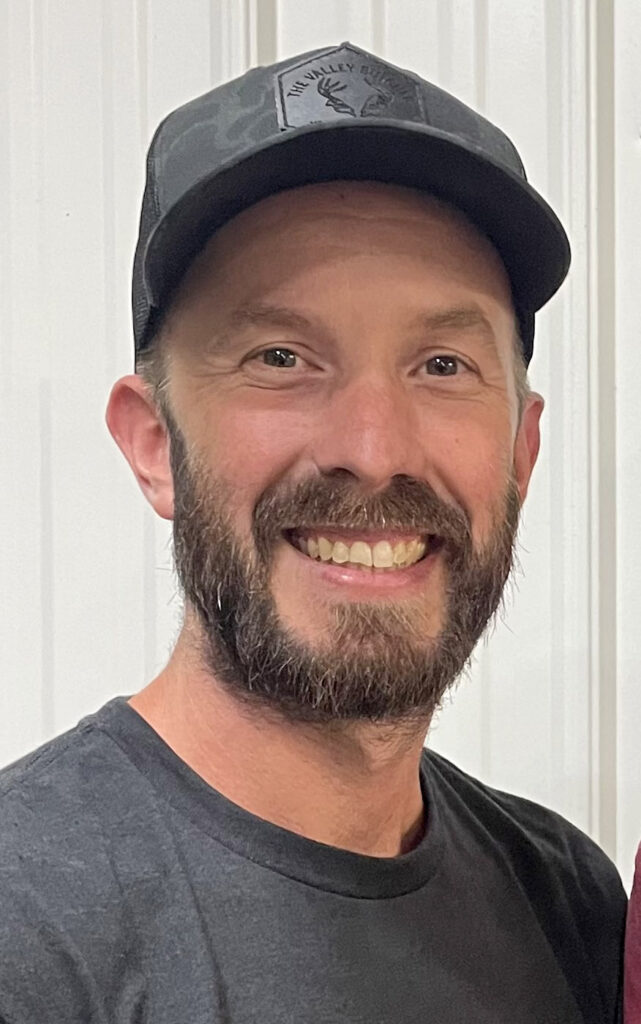
In addition to my career experiences, I serve as a mental health advocate for our community and first responders, drawing from past experiences to help others access the care and support they need.
- 2. What motivated you to run for a seat on the Township Committee—or to seek reelection?
Chait: I’ve always believed in service and giving back. That’s why I served in the Obama Administration during the Great Recession, why I’ve volunteered on Township boards, and why I serve today. I’m proud of what we’ve accomplished – lowering taxes, preserving open space, improving transparency – but there’s still important work ahead.
After four years, I’ve built the experience and relationships that make me more effective than ever, and I’m excited to keep serving our community.
Peters-Manning: I first decided to run for office in 2016. No matter one’s political beliefs, I felt that we could do better in terms of tone and dialogue than the political bluster and violent rhetoric at the national level. This has only worsened over the last 8 years. I work hard to be open and accessible, and I will always have respectful, constructive discussions with those whose opinions differ from my own.
I am seeking reelection because we have more work to do to continue to preserve land and open space in the Township, responsibly manage the unfunded state mandate that is our affordable housing obligation, and continue to find new sources of revenue and to keep your municipal taxes (which are about 14% of your total tax bill) as low as possible.
Jackowski: I decided to run for Township Committee because I’ve seen firsthand how overdevelopment is impacting our community — from increased traffic and strain on infrastructure to the loss of open space that makes our town special. Growth is inevitable, but it must be managed responsibly. I want to be part of ensuring that development is balanced, thoughtful, and aligned with what residents truly want for the future of our township.
Niederer: A close friend recently encouraged me to consider serving in a leadership role in our town, believing I could make a positive impact. After careful thought, I decided to make the commitment to run for office. This choice comes from my deep roots in Hopewell, my dedication to our community, and my desire to serve others. These values shaped by both my public safety background and my commitment to helping people.
- 3. What do you see as the most pressing issue facing Hopewell Township over the next five years, and how would you address it?
Chait: The Township’s finances are our most pressing issue. None of us want to pay more than necessary in taxes.
I’ve worked to reduce debt, attract new commercial ratables, and open revenue sources while maintaining services, supporting our schools, protecting our environment, and investing in our community. And I’m proud that this year the municipal tax rate decreased again.
We’ve also proactively added staffing in Public Works, Health, and Police, and supported our Fire District. Going forward, I’ll continue this focus – managing costs, expanding ratables, and protecting services.
Peters-Manning: Affordability is always the biggest issue facing the Township. Over the last several years, we have developed new sources of revenue, from cannabis and shared services to new pharmaceutical companies and PILOTs, which have enabled us to reduce the municipal tax rate again this year, while also pledging $16.1 million to the school district to pay for renovations at Bear Tavern.
Further, when I was first elected, one of the biggest challenges facing the Township was the redevelopment of the former BMS property. As it then represented about 6% of our tax base, losing BMS was a huge challenge. Since then, that property, now known as the Innovation West Campus, has attracted seven new tenants (and counting), which are not only contributing revenue but also are making life-saving medicines for patients in the US and all over the world. This includes BeOne Medicines, a global pharmaceutical company that built its new $800 million research and pharmaceutical manufacturing facility at the Campus. This not only provides ongoing revenue, but it also contributed $5.7 million to our affordable housing trust fund. Moving forward and with the completion of work at BeOne, the property will generate more revenue than BMS did at its height.
Jackowski: As our township continues to face the pressures of new development, it’s critical that we make sure the benefits are shared fairly across the community. That’s why I support directing PILOT (Payment in Lieu of Taxes) funds toward the growing needs of our schools and public safety. If we don’t allocate resources properly, taxpayers are left carrying the burden while vital services become strained. By using PILOT revenues to strengthen our schools and support public safety, we can balance growth with responsibility. This approach not only protects taxpayers, it also invests in the quality of life that makes our community such a desirable place to live.
Niederer: Our town is facing serious challenges in education and public safety. With rapid overdevelopment fueled by PILOT programs, we have not proactively planned the necessary infrastructure to keep pace. The result will be significant tax increases and growing strain on an already underfunded system.
As a solution, I believe all PILOT funding, millions of dollars, should be directed toward our schools and public safety, the two pillars of a strong community. There are wants and needs, and right now, we must put wants aside and focus on our true needs: protecting our children, supporting our educators/public safety workers, and ensuring the safety of every resident.
- 4. Communities across New Jersey were required to submit Round 4 affordable housing proposals while Round 3 construction is still underway. What are your thoughts on the current proposals for Hopewell Township?
Chait: We took the state’s unfunded 4th Round mandate head-on. The state called for 543 affordable units – potentially 2,700 total market rate and affordable homes. We fought to reduce that. And with extensions, credits, and targeted projects, we’ll meet that obligation with far fewer new homes.
Our plan eliminates 200 market-rate homes from the prior round and limits new family homes to 95. This fulfills the state’s requirement while protecting our schools and community.
I am a strong supporter of Affordable Housing and our moral obligation to support affordability across New Jersey, however, the State’s process and timelines were significantly flawed. Still, inaction would have exposed our residents to Builder’s Remedy lawsuits, removing local control and leading to more development. We fought for the best outcome possible.
Peters-Manning: The 4th Round Plan for Hopewell Township reduced the initial obligation given by the State by 27%, to 399 units, and it removed 200 market-rate family homes from the 3rd round by moving units from inclusionary developments into 100% affordable projects. Of the remaining required units, we are meeting the obligation with the extension of affordability controls in Brandon Farms, 100% affordable projects, one age-restricted inclusionary development, and group homes that provide double credits by bedroom, including an innovative live/work farming project with the Arc Mercer for adults with developmental disabilities.
I believe deeply in affordable housing and providing opportunities for new residents to live in Hopewell Township. It is also true that the Affordable Housing program in New Jersey is an unfunded state mandate that includes intense time pressure and overwhelming requirements. If these requirements are not met, the Township would be open to a “Builder’s Remedy” lawsuit, where developers could build anywhere in the Township, and we would lose control of where and how it happens. I’m proud of what we were able to accomplish despite the complex and time-pressured process, and I look forward to making sure that the plan is implemented in a way that is responsible, protective of neighboring communities, and welcoming and inclusive for our new neighbors.
Jackowski: We need to take a firm stance and push back. These new plans require careful reevaluation and reassessment to ensure they serve our community’s best interests. Other municipalities, like West Windsor, are standing up and advocating for smarter solutions, and Hopewell Township should do the same. We need to explore better alternatives that meet affordable housing goals without overburdening our infrastructure or changing the character of our community.
Niederer: I believe that the current proposals, or any development proposal at the moment in Hopewell Township be halted immediately. Reason being to reassess our infrastructure after round three of construction is finished and fully occupied, before it’s pushed to the brink of failure. Not only is our towns infrastructure already stressed, but neighboring towns are suffering from our overdevelopment as well. This town is turning into a grown adult yet still wearing shoes of an infant. Let’s find a pair of shoes that fit before we keep running.
- 5. With development underway throughout the Township and new residents moving in, what should these new neighbors know about the community? What message do you want to share with people who are choosing to make Hopewell their home?
Chait: My Message to new residents –
Welcome to Hopewell Township! Amanda and I chose to raise our family and build a business here because it’s such a special place. We have excellent schools, beautiful parks, thriving restaurants, a rich history, and a strong sense of community. Our mix of neighborhoods, farmland, and businesses gives the Township a unique character that makes it a wonderful place to call home.
You are served by dedicated Township staff, first responders, and a Committee committed to all residents. Please know you can always reach out to me and my colleagues.
–
And this message isn’t just words on paper – over the past three years I’ve shared this message at meet-and-greets at our new neighborhoods across the Township, and it’s always a joy to welcome families personally.
Peters-Manning: From the moment I was elected, I have made it a priority to make Hopewell Township a welcoming community for our new neighbors. There has been a lot of growth and change over the past many years, but this is still a wonderful place to live, work, and raise a family, and I am excited to welcome new residents to become a part of the fabric of our community. To our new and long-standing residents, please reach out to me any time with questions, concerns, or just to say hello. My email is [email protected] and my phone number is 609-577-3312. I always answer every email and phone call.
Jackowski: We welcome everyone. My wife of 30 years is from Gujarat, India, and our family reflects the beautiful diversity that makes Hopewell Valley, and New Jersey as a whole, so special. Diversity is our strength; it is what drives our communities, enriches our lives, and makes this state a place of opportunity and inclusion. It’s the very reason the Statue of Liberty stands, a symbol of hope and a reminder that all people, from every background, are welcome here. To do this, we, as a community, need to acknowledge our roots while embracing change. By highlighting local farmers’ markets, seasonal festivals recreation programs and local business services, new residents can easily integrate into the Township feeling welcomed.
Niederer: Hopewell Township is a community that values both its history and its future. New residents should know that we prioritize preserving open spaces, supporting our schools, and maintaining public safety, while welcoming neighbors with open arms. What makes Hopewell truly special is the sense of connection. Many residents look out for one another and actively participate in community life. To those choosing to make Hopewell their home, you’re not just moving into a town, you’re joining a community. I encourage you to get involved, meet your neighbors, and help keep Hopewell a safe, and welcoming place for everyone.
- 6. As the Township grows, do you believe additional commercial development is needed? If so, what kind and where should it occur?
Chait: I strongly support thoughtful commercial development. It brings ratables that keep taxes low while funding services, creates jobs, supports local businesses, and expands services for residents.
That’s why economic development has been a priority. I helped establish the Township’s Tourism & Economic Development Advisory Committee, hosted business listening sessions, and streamlined resources. We advanced a new Economic Element for the Master Plan and supported redevelopment of the former BMS campus into a pharmaceutical hub. One business there, BeOne, just contributed $5.7 million to our Affordable Housing Fund.
Looking ahead, we must continue supporting major employers and small businesses while leveraging our history as we approach the nation’s 250th anniversary.
Peters-Manning: As I mentioned above, attracting new pharmaceutical companies to the Innovation West Campus is a top priority, as these commercial taxpayers not only contribute revenue to the Township and reduce the tax responsibility for residential taxpayers, but they also create hundreds of high-paying, high-skilled jobs in the Township.
Jackowski: Yes, additional commercial development is needed to keep pace with population growth, but it must be done thoughtfully and within reason. Expanding our ratables can be a significant asset for Hopewell Township, creating local jobs and generating revenue that supports our community. Agribusiness services strengthen the agricultural economy itself, tying tax revenue growth directly to the community’s rural character. Additionally, the south side of the township is now particularly well-suited for this growth where the infrastructure already exists to accommodate additional commercial development. Through the use of Smart Planning, we can strengthen our economy while preserving the character of our residential neighborhoods.
Niederer: I do not believe additional commercial development is necessary in Hopewell Township. However, redeveloping existing infrastructure for commercial use can be a smart alternative. Repurposing buildings or spaces that previously housed commercial operations allows the township to generate revenue with minimal impact on our community, preserving the character of our town while making efficient use of existing resources.
- 7. Flooding and water management remain important issues. What is your position on preserving open space and farmland in the Township?
Chait: During my time on the Committee, I’ve championed preserving open space and farmland. Today, over 40% of Hopewell Township is permanently preserved as open space, farmland, or recreation areas.
We’ve also prioritized stormwater management and resource conservation, with regulations like native tree planting ordinances. These measures balance growth while protecting our environment.
I’m proud that Courtney and I have earned the endorsement of the New Jersey League of Conservation Voters. If re-elected, I’ll continue advancing preservation and environmental stewardship.
Peters-Manning: David and I are proud to have been endorsed by the New Jersey League of Conservation Voters for our strong record on the environment, including our support of land preservation efforts. We should continue to protect our natural resources by preserving land in the Township, where currently over 40% of our almost 60 square miles is preserved open space, farmland, or recreation space.
Yet flooding, stormwater management, and safe drinking water remain critical issues. We felt this during Hurricane Ida in 2021, where two motorists lost their lives being swept away by flood waters, and three of our police officers spent hours clinging to trees to avoid rushing water when they attempted to rescue people. The Township is working with the Watershed Institute on a regional solution to these problems. We are participating in three regional watershed working groups to jointly manage stormwater response, as water does not stop at municipal boundaries. We are thankful for the Watershed’s technical expertise, resources, and work to secure funding for this approach.
Jackowski: Flooding and water management have become increasingly severe due to excessive and rapid overdevelopment, and this has been an ongoing issue for many years. In particular, the township did not conduct a proper environmental impact study for the development behind ShopRite—a study that would have addressed water management concerns. As a result, the Circle experienced flooding for the first time during the last major rainstorm. Once in office, I will dedicate my efforts to carefully examining these challenges and advancing sustainable solutions that ease the heavy burden on our existing infrastructure.
Niederer: Coming from a fourth-generation farming family in Hopewell Township, I hold this question close to my heart. Preserving open space and farmland is essential not only for maintaining Hopewell Township’s rural character, but also for responsible water management and flood prevention. Thoughtful land use protects natural waterways, reduces development-related strain on infrastructure, and safeguards property values. I support policies that prioritize strategic conservation, encourage sustainable farming, and ensure that any new development is balanced with the long-term needs of our community. By protecting our open spaces and farmland, we maintain the quality-of-life residents expect while managing resources responsibly for future generations.
- 8. Hopewell Valley shares a number of services across the Township and boroughs. As challenges continue to evolve, are there other services that should be considered for consolidation or sharing?
Chait: Shared services are one of the most effective ways to stretch taxpayer dollars. During my time on the Committee, we’ve supported existing partnerships – such as Police with Hopewell Borough and Valley Senior Services – while also creating new ones, including Health and Animal Control with both Boroughs.
Hopewell Valley has strong commonality across communities, and I believe there are further opportunities for consolidation across nearly every department. Shared services deliver stronger, more efficient government for residents, and from a financial standpoint, every opportunity for consolidation – up to and including municipal consolidation – is worth exploring in collaboration with our neighbors.
Peters-Manning: Currently the Township has shared services agreements with both Boroughs for the Health Department, Animal Control, and Senior Services, and for Police and Public Safety with Hopewell Borough. The Township is always open to new shared services agreements with the Boroughs. Some potential opportunities are some Public Works services, municipal court, construction and permitting, and more.
Further, I think that the Hopewell Valley should at least look into the possibility of consolidation, like Princeton Township and Princeton Borough accomplished more than 10 years ago. If we were one municipality, we would benefit from more efficient government services at all levels, and we could reduce redundant operations in administration, public works, policing, and more. It is very difficult to support high-quality services with a tax base of only about 2,000 people. I understand that the Boroughs need to want this for it to happen, but I think it is a possibility that is worth exploring.
Jackowski: As our boroughs continue to grow, we need to think ahead about essential services. A centralized fire department, funded in part through PILOT revenues, would not only improve efficiency but also ensure consistent coverage and quicker response times across the region. In addition, we should explore shared solutions for bulky waste disposal. Neighboring residents used to rely on options like the ecological center on Princeton Pike, and it would be a tremendous benefit to secure a similar arrangement here in Hopewell, either free of charge or at a minimal fee. These are the kinds of practical, collaborative steps that can both improve services and reduce costs for our residents.
Niederer: Consolidating services can potentially streamline public safety operations and help manage township spending more efficiently. However, achieving this properly requires thorough research and careful discussions with all local service providers to ensure any changes are effective and safe for the community. Because this process is complex, I cannot provide a comprehensive answer at this time, but I am committed to exploring all options with input from experts and stakeholders to make informed decisions that best serve our residents.
- 9. The Township is facing lawsuits related to the Hopewell Parc PILOT agreement. Looking ahead, what do you see as the best way to ensure the school district receives the resources it needs to support additional students resulting from new development?
Chait: It’s important to note that the School District receives every dollar it sets in its budget. The District determines its needs, and the Township provides that funding through taxes and other sources. No development or PILOT agreement changes that fact.
I’m proud the Township has gone beyond the District’s annual budget, committing $16.1 million to long-needed improvements at Bear Tavern. With a Township budget of roughly $30 million, this amount equals nearly 54% of our annual budget. Looking ahead, we’ll continue working closely with the District to support our students and explore other opportunities for support.
Unfortunately, ongoing litigation by Pennington Borough is delaying that support, even though the Court of Appeals has already affirmed the Township’s PILOT agreement with Lennar Homes – an agreement essential to meeting our affordable housing obligations.
Peters-Manning: The only lawsuit about the PILOT agreement is the petition to the New Jersey Supreme Court from Pennington Borough. Pennington, which has done nothing to meet its share of the regional affordable housing obligation, and whose residents pay 27% less per pupil than taxpayers in the Township ($18,995 vs. $26,109 in 2022), is asking the Supreme Court to upend how affordable housing is funded in the entire state of New Jersey. I am hopeful that the Supreme Court will affirm the lower courts’ decisions, and we will indeed have PILOT revenue to share with the School District.
We have pledged $16.1 million in PILOT revenue to fund improvements and expansion at Bear Tavern School. This is exactly what the District has asked us for. We are in frequent communication with School leadership on their ongoing needs, and we are working with them on an updated Demographic study to forecast future needs and take into account the 200 family homes that we have removed from the 4th Round Plan as well as the 95 new ones (which is a net reduction of 105 family homes). We will continue to work with them as we move forward.
Jackowski: The School District and the Boroughs should have a seat at the table with the Township Committee when discussing how to meet the growing needs of the schools as a result of the affordable housing mandate and the leaderships decision to agree to the builders’ use of PILOTS. When one municipality in a regional district receives a large PILOT-backed project, the equalized values and enrollment shares can move, changing each town’s share of the regional high-school tax bill under NJ law. Regular, structured communication is essential to ensure transparency and school sharing. Together, they should establish a clear, fair percentage of PILOT or development-related revenues pledged directly to the district, to enable schools to cover the costs of increased enrollment from new housing. Even if that requires a more robust financial commitment, it’s necessary. Strong, well-funded schools don’t just benefit our children, they safeguard our property values and the long-term stability of the community. It is our responsibility to make sure the district receives the funding it needs to keep pace with growth.
Niederer: I believe that ALL of the unrestricted PILOT funding that our township is going to receive, millions of dollars, should be directed toward our schools and public safety, the two pillars of a strong community. There are wants and needs, and right now, we must put wants aside and focus on our true needs: protecting our children, supporting our educators/public safety workers, and ensuring the safety of every resident.
10. Do you believe elections in Mercer County have been conducted safely and fairly?
Chait: It’s unfortunate this question even needs asking. Study after study shows our elections are safe and fair. Yet some continue to spread doubt.
I firmly believe elections in Hopewell Township, Mercer County, and the United States are free, safe, and fair. I’m grateful residents have multiple ways to vote: by mail, early in-person, or on Election Day. Finally, thank you to our poll workers for their service and to every voter who makes democracy real in our community.
Peters-Manning: Yes, I believe that elections in Mercer County have been conducted safely and fairly. The new voting machines approved by the County Commissioners all include a paper backup for auditing purposes, and I appreciate the three ways to vote in New Jersey. I encourage everyone to try early voting if you don’t vote by mail. Our closest location is at the Pennington Fire Station, but you can vote at any Mercer County location. Early voting runs from Saturday, October 25- Sunday, November 2. Hours are 10am-8pm (6pm on Sundays).
Jackowski: Mercer County Election Problems – A Quick Timeline
- 2019 – Mail-In Ballot Law Change
A new state law (P.L. 2019, c.265) automatically put many voters on permanent vote-by-mail status unless they opted out in writing.- If you got a mail-in ballot, you could no longer vote on the machines at the polls. Instead, you had to use a provisional ballot.
- This led to years of confusion, with thousands of voters being told at polling places they could only vote provisionally.
- 2022 – Election Day Tabulation Failure
A printing error meant not a single ballot was counted on Election Day. All ballots had to be transported, sometimes in unsecured containers, to the Board of Elections for later counting.- An active and ongoing lawsuit was filed against Mercer County.
- Although reported to local media, the story was not shared publicly.
- 2023 – Hopewell Township Lawsuit
Another lawsuit was filed over the outcome of a school board election in Hopewell Township.- Once again, local media outlets did not cover the issue, leaving most voters in the dark.
Bottom Line
From confusing mail-in rules to serious counting failures and ongoing lawsuits, Mercer County has a track record of mishandling elections. These repeated problems have damaged public trust and show the need for better accountability and transparency.
Niederer: I do believe, and I am hopeful that our local government is diligently upholding the integrity of our elections.
Bonus Question: Do you follow MercerMe for news about what is happening in the community? If not, how do you stay informed?
Chait: Yes! Hopewell Valley is fortunate that MercerMe exists. I’m grateful for the vital service you provide to residents.
Peters-Manning: I’ve been a Mercer Me subscriber since the beginning, and I deeply appreciate that our community has a fair and substantive source of local news.
Jackowski: Yes and also MercerWe the People of Hopewell Valley
Niederer: I follow Mercer Me articles from time to time and enjoy the content. Thank you for your service and keeping our community informed.