
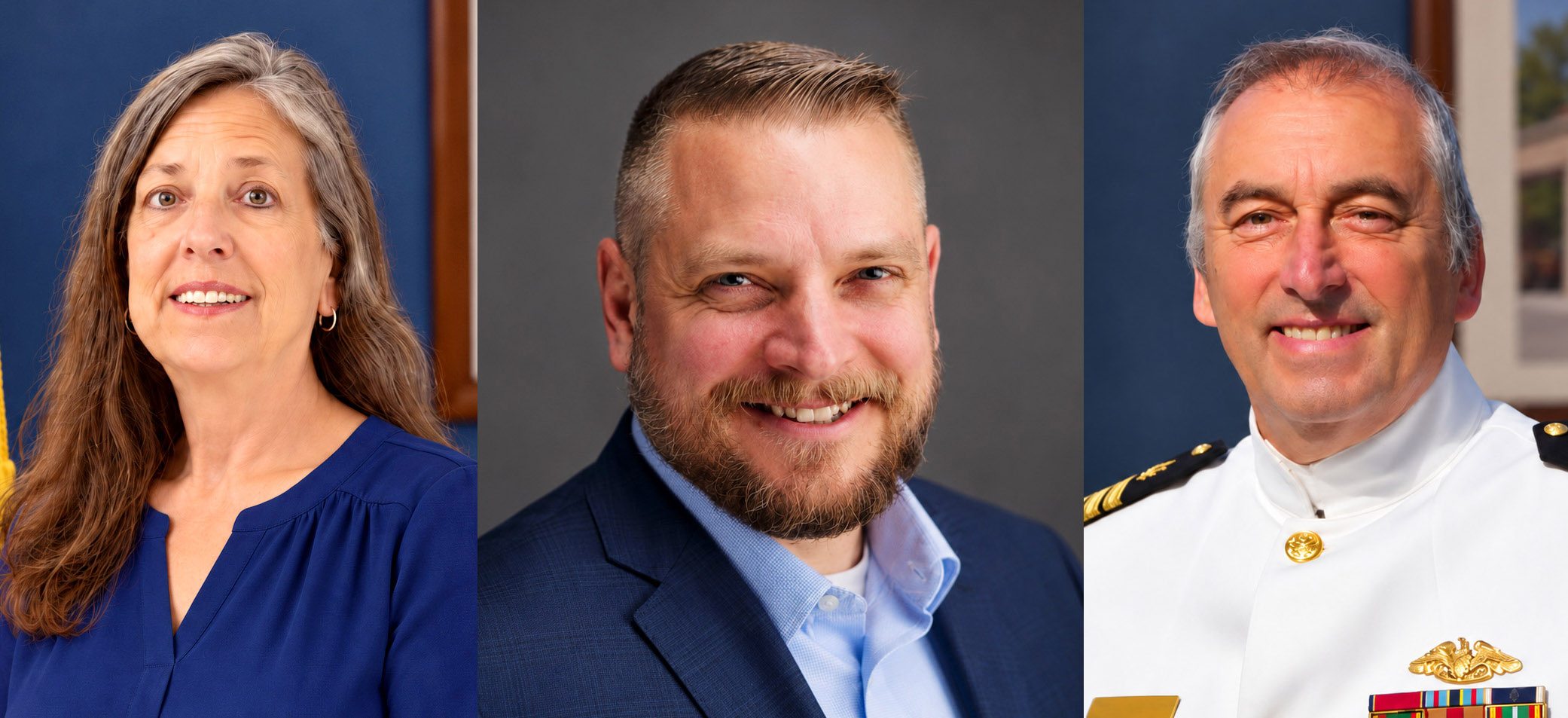
Three candidates are running for two seats on the Hopewell Township Board of Fire Commissioners in the Nov. 3 general election. Linda Abey, Kevin R. Baranowski and Thomas Pearse-Drance are seeking three-year terms on the board, which oversees Hopewell Township Fire District No. 1.
The election comes as the district faces questions about the future of volunteer and career emergency services, the demands of continued development and the cost of providing fire protection and emergency medical services throughout Hopewell Valley.
Voters will also decide a separate ballot question authorizing up to $1,164,965 in financing for a new ambulance, self contained breathing apparatus and related equipment.
As part of MercerMe’s 2026 election coverage, we invited all three candidates to answer questions about their backgrounds, priorities and approaches to managing emergency services and taxpayer resources. Their responses appear below, organized by question, with candidates listed alphabetically by last name.
The responses have been lightly edited for spelling, punctuation and readability without changing the candidates’ positions.
Hopewell Township Board of Fire Commissioners Candidate Questions
1. Please introduce yourself and share your background and any experience you believe qualifies you to serve on the Hopewell Township Board of Fire Commissioners. What motivated you to run for a seat on the Board?
Linda Abey: My name is Linda Abey, and I have lived in Hopewell Valley for more than 30 years. I married a local volunteer firefighter and raised three children in the township.
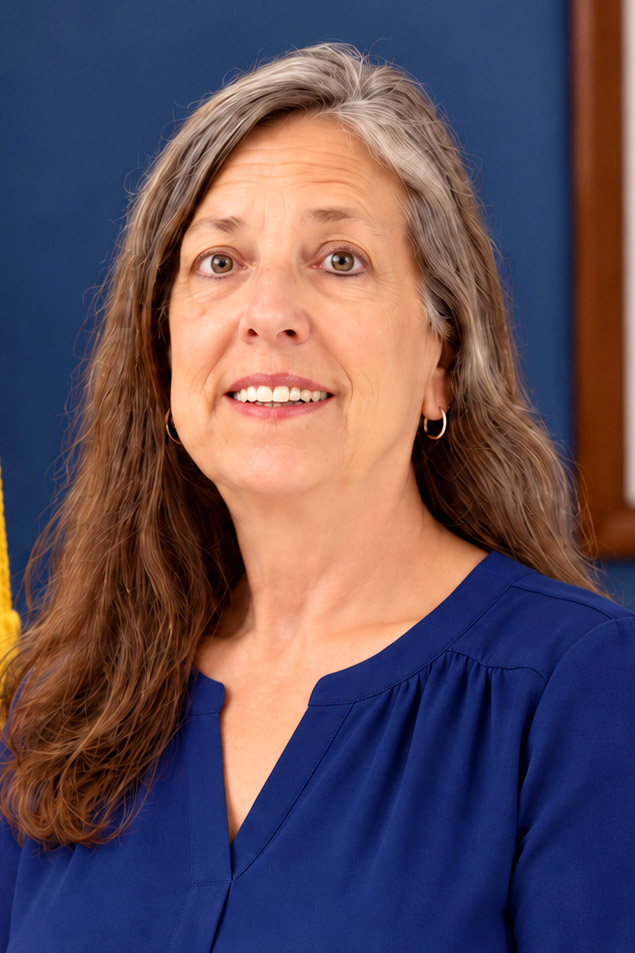
Service and volunteerism have been an important part of my life for as long as I can remember. Growing up in Hillsborough, New Jersey, I saw that example firsthand through my father’s service with the local rescue squad for many years.
I spent 35 years as an elementary school teacher and also served as an NJEA union representative and contract negotiator. Those experiences taught me the importance of listening, collaboration, preparation and responsible decision-making.
Locally, I’ve been involved with the Pennington Fire Company Auxiliary for many years, including more than 10 years as president. I have helped raise funds for equipment, supported firefighters during major emergencies, participated in community events and helped welcome new members into the fire company.
I am running because I want to continue serving Hopewell Valley, support both our volunteer and career personnel and help ensure that our residents continue to receive high-quality, dependable and affordable emergency services.
Kevin Baranowski: My name is Kevin Baranowski, and I’m running because I believe I can bring a combination of emergency-services experience, professional leadership and community service to the Board.

I currently serve as an EMS officer with Hopewell Station 52 and this past year led the expansion of the medical capabilities we can offer, including glucometers, CPAP, nebulizers and albuterol. This allows us to better care for patients. I also serve with the Hopewell Valley Technical Rescue Task Force, with training in swiftwater rescue, ice rescue, rope and boat rescue, and have participated in specialized post-bombing incident response and training through Department of Homeland Security programs in New Mexico. I hold a Pre-Hospital Trauma Life Support Certification in addition to my national and New Jersey EMT licenses.
Professionally, I’ve led multinational organizations at Cisco and Ciena, managed organizations responsible for hundreds of millions of dollars in revenue, conducted business in more than 40 countries and led products from concept through production.
My wife, Nickie, and I also founded the Luca John Foundation, a national organization providing financial and peer support to families who have lost an infant child. I have also served as a volunteer Cubmaster for Princeton Cub Scouts and a volunteer softball coach for Hopewell Recreation.
Volunteering and community service have always been something I have been passionate about. I want to bring these experiences together to help ensure Hopewell’s emergency services remain strong, prepared, sustainable and financially responsible.
Thomas Pearse-Drance: My name is Tom Pearse-Drance. I have been a resident of Hopewell Township and raised two children here.
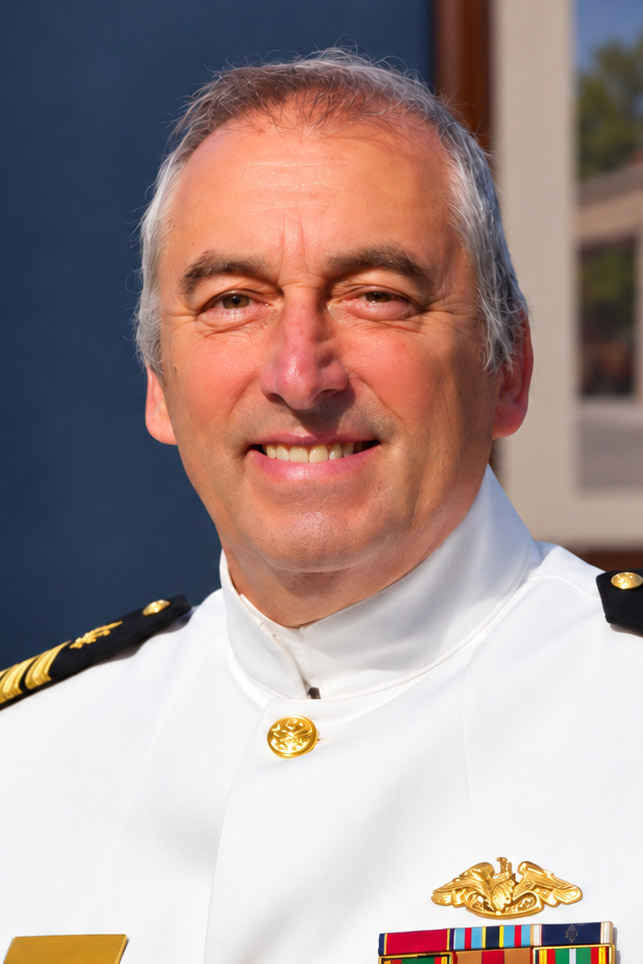
I served in the U.S. Naval Reserve and have spent more than 35 years in the U.S. Merchant Marine, 25 of those years as a ship’s captain. My Merchant Marine career afforded me half of the year to throw myself into community service as a substitute teacher, youth league soccer coach, assistant scoutmaster, active member of my local church and the Pennington Fire Company.
These experiences taught me the importance of team building when multiple entities were involved, leadership, determining and understanding the needs of different missions and environments, preparedness, accountability and remaining calm when the stakes are high.
I am a volunteer firefighter and life member of the Pennington Fire Company, where I have had the privilege of serving the residents of Pennington, Hopewell Township and the greater Hopewell Valley community. That experience has given me a firsthand understanding of the dedication of our first responders and the challenges facing today’s fire and emergency services.
I am running for fire commissioner because I want to continue serving the community that has given so much to me and preserve the great emergency response system we have in Hopewell Township.
2. What do you see as the most significant challenge facing fire and emergency services in Hopewell Township over the next several years, and how should the Board address it?
Abey: I believe one of our greatest challenges will be keeping pace with the continued growth of Hopewell Township while maintaining the quality and affordability of our emergency services.
More residents and development ultimately mean greater demands on fire and EMS. Meeting those demands requires thoughtful planning for staffing, equipment, facilities, training and long-term capital needs.
The Board should work closely with township officials to anticipate those needs rather than simply react to them. That should include exploring every appropriate funding source, including the potential use of payment in lieu of taxes, or PILOT, revenues associated with development.
When growth continues to create additional demands for emergency services, I believe we should look for reasonable ways to help fund those increased costs without automatically placing the entire burden on existing taxpayers.
Baranowski: I believe our biggest challenge will be sustaining and improving the level of service residents expect while facing population growth, staffing challenges, volunteer recruitment and retention, rising costs and an expanding scope of emergency response.
Emergency services are constantly evolving. I’ve seen that firsthand through EMS and technical rescue, where new capabilities require more than equipment — they require training, staffing, coordination and ongoing investment.
The Board needs to think beyond the next budget cycle. We should use call-volume data, staffing trends, equipment life cycles and input from local, state, regional and national emergency personnel to anticipate what Hopewell will need five, 10 and 20 years from now. That means planning before problems become crises, while making sure every investment has a clear purpose and measurable benefit.
We also need to strengthen our volunteer workforce and determine the right balance of career and volunteer resources to be both fiscally responsible and manage the population demands.
Our goal should be to prepare for the community Hopewell is becoming — not simply maintain the system we have today.
Pearse-Drance: I see two closely connected challenges: preserving and strengthening our volunteer fire service while responding to the continued growth of Hopewell Township.
Across the country, volunteer fire and EMS departments are struggling to recruit and retain members. Hopewell Valley has been fortunate to maintain a strong tradition of volunteer service in this community since 1877. We should never take that tradition, or the tremendous value it provides our residents, for granted.
As the internet and social media seem to draw us inward, the community cultivated through the volunteer program recruits members from the junior program to white- and blue-collar professionals to share their experience and time in service through the fire companies.
The strongest and most financially sustainable system for Hopewell Valley incorporates supporting and training both career (paid) and volunteer personnel working together as one team. That volunteer/paid partnership is critical for the safety of the community and the best value for the taxpayer.
The second challenge is growth. Hopewell Township is growing, with significant residential development. We need to plan now for the increased call volume for emergency services and the equipment and personnel that will accompany that growth.
Every new neighborhood also provides an opportunity for those residents to become part of our community and potentially part of our volunteer emergency-services system. We should actively introduce new residents to our fire companies, educate them about opportunities to serve and invite them to become part of the tradition of “neighbor helping neighbor” that has defined Hopewell Valley for generations.
3. The Fire District is supported by a dedicated fire tax and must balance emergency-service needs with their cost to taxpayers. How would you approach decisions about spending, staffing, equipment and the fire tax?
Abey: Residents’ support for emergency services comes with the responsibility to spend their money carefully.
I would evaluate major expenditures based on demonstrated need, public and responder safety, long-term value and the effect they will have on the fire tax.
Staffing decisions deserve particular attention because they create significant long-term financial obligations. Changes should be based on demonstrated, data-driven needs and considered only after reviewing reasonable alternatives.
The same long-term approach should apply to apparatus, equipment and facilities. Proper replacement and maintenance planning can prevent emergency purchases, reduce overall costs and help ensure our responders have safe and reliable equipment when they need it.
My approach would be simple: Fund legitimate needs, ask questions when appropriate, plan ahead and clearly explain both the reasons for our decisions and their financial impact to taxpayers.
Baranowski: The Board has two responsibilities that must go hand in hand: providing our emergency personnel with the resources they need while being responsible stewards of taxpayers’ money.
I would start every major investment by asking: What problem are we solving, and does this investment improve our ability to protect the community?
We should consider call volume, staffing, equipment condition, maintenance costs, training requirements and long-term needs — not simply the immediate price tag. Sometimes delaying an investment can cost more through maintenance, reduced reliability or premature replacement. We also need to leverage regional training requirements where we can work with our mutual-aid partners to explore joint buying contracts.
I also believe in long-term capital planning so major expenses can be anticipated rather than becoming financial emergencies. The Board should provide oversight and accountability without micromanaging operations. Our firefighters and EMS personnel have the expertise to determine what they need operationally.
The goal isn’t to spend more. It’s to invest wisely, plan ahead and ensure taxpayers receive meaningful value for every dollar.
Pearse-Drance: Taxpayers entrust the Fire District with significant resources, and commissioners have an obligation to treat every dollar with care.
My approach would be straightforward: Invest first in the people, equipment and infrastructure necessary to protect our community, while continually looking for ways to provide those services more efficiently.
Every major expenditure should be evaluated based on demonstrated need, public-safety impact and value to taxpayers. I would advocate for long-range planning for apparatus and equipment so that we can anticipate major expenses rather than react to them.
I also believe there are opportunities to expand cooperative purchasing, shared services and coordinated capital planning among our fire organizations. With coordinated long-term planning, we can leverage our combined purchasing power and coordinate replacement schedules to obtain the best possible value.
The new development occurring in the township, including revenues generated through PILOT agreements, also creates an opportunity for broader conversations with township officials about how growth-related revenues can appropriately support the capital and infrastructure needs associated with that growth.
I will be a strong advocate for keeping taxes affordable. Before asking taxpayers for additional resources, I believe the Board should demonstrate that it has explored efficiencies, partnerships, shared services and alternative funding opportunities.
Fiscal responsibility and excellent emergency services are not competing goals.
4. Hopewell Township’s fire and emergency services include both career and volunteer personnel and involve multiple fire companies and shared-service relationships. What should the Board’s role be in ensuring those different parts of the system work effectively together?
Abey: The Board should help create an environment where volunteers, career personnel, fire companies and shared-service providers are all working toward the same objective: providing dependable and highly capable emergency response throughout Hopewell Valley.
That requires open communication, clear expectations, mutual respect and a willingness to work across organizational lines.
The Board should make sure our emergency-service organizations have appropriate resources while also encouraging coordinated training, compatible equipment, good communication and joint planning whenever it makes operational and financial sense.
Our career personnel provide important support to our volunteer system, particularly during daytime hours when many volunteers are at work. At the same time, our volunteers bring enormous amounts of experience, training, manpower and exceptional value to our community.
There is also something uniquely valuable about the “neighbor helping neighbor” tradition that has long defined emergency services in Hopewell Valley. Our volunteers are not only emergency responders; they are members of the community serving their friends, neighbors and fellow residents when they need help the most.
Our combination system works best when both career personnel and volunteers are supported, respected and treated as essential parts of the same team.
Baranowski: The Board’s role should be to make sure the different parts of our emergency-services system are working toward the same goal: providing reliable, effective service to our residents.
That requires more than coordinating equipment. It means encouraging communication and cooperation among career personnel, volunteers, fire companies, EMS, specialized rescue resources and mutual-aid partners.
My experience in the Valley Technical Rescue Task Force has shown me that successful responses depend on clearly defined roles, training, trust and coordination before an emergency occurs.
The Board should maintain priorities, provide appropriate oversight, support responsible funding and make sure the system has the resources and relationships necessary to operate effectively.
At the same time, the Board should respect operational expertise. The people who train and respond to emergencies are best positioned to make tactical decisions.
We also need to continue supporting volunteer recruitment and retention. When someone calls 911, they don’t care which organization responds. They care that qualified people show up with the right equipment and know what to do.
Pearse-Drance: There is one mission: protecting the people of Hopewell Valley. The commissioners need to ensure that remains the focus, incorporating both career and volunteer fire and emergency-services personnel.
Whether a career or volunteer emergency responder, when the alarm sounds, the objective is the same: to respond quickly, professionally and safely to someone who may be experiencing one of the worst moments of their life.
Our paid personnel provide an important resource, particularly during daytime hours, and our volunteer companies provide extraordinary staffing, equipment, experience and capacity throughout the Valley. We need both, and we need them to work together.
My experience in the Merchant Marine taught me that successful organizations require clear expectations, strong communication, mutual respect and a shared mission. As a commissioner, I would bring people together regularly, not simply when there is disagreement, to discuss operational needs, staffing, training, equipment and emerging challenges.
The commissioners should expect professionalism and mutual respect from everyone, address problems promptly and fairly, and make decisions based on what is best for the entire community rather than any single organization or group.
5. The Fire District provides fire services to Hopewell and Pennington boroughs through shared-services agreements. What are your thoughts on those arrangements, and are there opportunities to expand or improve regional cooperation in fire and emergency services?
Abey: I believe our shared-service agreements are some of the best examples of regional cooperation in Hopewell Valley.
The leaders who established them deserve considerable credit for creating a system that allows communities to share costs while making effective use of existing personnel, volunteers, facilities and equipment.
Pennington is a good example. Through the shared-service arrangement, Hopewell Township receives 24-hour fire protection from an established organization with more than 70 volunteer members and an extensive fleet of fire and rescue equipment.
In 2024, Pennington responded to 642 calls with an annual operating budget of approximately $547,000, about $1,500 per day for the entire operation.
Under the existing shared-service arrangement, approximately $416,000 of that cost is funded by the Township Fire District, or roughly $1,140 per day for primary fire protection across a significant and heavily populated portion of Hopewell Township.
That represents extraordinary value to taxpayers. Attempting to replace the volunteer capability with a fully career-staffed operation would require many additional full-time positions and millions of dollars annually in personnel costs alone, before accounting for apparatus, facilities, equipment and other operating expenses.
Career firefighters are an essential part of our combination system, and so are our volunteers. We should continue strengthening both while protecting the volunteer organizations that help make quality emergency services financially sustainable.
I also believe we should continue exploring additional partnerships, including EMS, whenever cooperation can improve service, efficiency or value for residents.
Baranowski: Shared services make sense when they improve service, increase efficiency and make better use of taxpayer resources.
Emergency incidents don’t stop at municipal boundaries, so our emergency-services organizations need strong relationships with neighboring departments and agencies. My experience in EMS and technical rescue has shown me the value of coordinated response, particularly during incidents that require more resources than a single organization can provide.
I would support regularly evaluating our shared-service agreements to make sure they are meeting the needs of the communities involved, providing clear value and are fiscally responsible.
There may also be opportunities to expand cooperation through joint training, equipment planning, communications, specialized capabilities and other areas where collaboration can improve readiness or reduce duplication.
The goal should not be shared services simply for the sake of sharing. The goal should be better emergency response, stronger capabilities and responsible use of taxpayer resources.
Pearse-Drance: I strongly support these relationships because they reflect one of the best characteristics of Hopewell Valley: “neighbors helping neighbors.”
Municipal boundaries are important for governance, but emergencies do not stop at a municipal line. Residents expect that when they call 911, qualified first responders will arrive quickly with the personnel, apparatus and equipment needed to help them.
As a commissioner, I would work to strengthen these relationships through regular dialogue, transparency and collaborative planning. When concerns arise, we should address them early and directly rather than allowing them to interfere with the larger mission.
I would also look for additional opportunities to cooperate on training, equipment purchases, apparatus planning and other services where collaboration can improve response.
I think of these arrangements as more than simply “shared services,” but more as “partnerships in service,” where communities and first responders are working together to provide the highest level of protection possible to our residents and businesses.
The same fire companies that serve Pennington and Hopewell boroughs serve the entire Hopewell Valley.
6. Voters are being asked this year to authorize up to $1,164,965 in financing for a new ambulance and self-contained breathing apparatus and related equipment. Do you support the ballot question? Why or why not?
Abey: Yes, I absolutely support the ballot question. These purchases address legitimate operational and safety needs.
Our community has continued to grow, EMS demand has increased and our responders need reliable equipment to serve residents safely and effectively.
The existing SCBA equipment has reached the end of its service life and needs to be replaced.
I am particularly encouraged that Stations 50, 51, 52 and 53 worked together and selected standardized SCBA equipment for the Valley. Standardization improves interoperability between departments while a coordinated bulk purchase helps provide better value for taxpayers.
The total financing amount is significant, and taxpayers have every right to examine it carefully. In this case, however, I believe the ambulance and breathing apparatus are necessary investments in emergency-service reliability and firefighter safety.
Going forward, I would also like the district and the township to continue exploring alternative funding sources, including appropriate PILOT revenues that could help offset some future capital expenses.
Baranowski: Yes, I support the ballot question.
This would replace aging ambulance equipment serving Station 52 that is more than 25 years old. It has been in service transporting thousands of patients and has served the district and community well. However, as ambulances age, maintenance costs and reliability concerns increase. At the same time, our call volume continues to grow, making a dependable ambulance fleet increasingly important.
Our EMS units provide more than direct patient transportation. They provide medical care in the field and support firefighter rehabilitation and medical operations during fires and other emergencies.
My technical-rescue experience has reinforced one simple principle: Reliability matters. During a swiftwater, ice, rope or other technical rescue, you cannot discover that critical equipment is unreliable or inadequate after the emergency begins.
The same applies to fire apparatus and EMS equipment. Our personnel need to be able to trust the equipment they use. I support responsible investment in reliable equipment because preparedness protects both our residents and the people who respond to help them.
Pearse-Drance: Yes, I support the ballot question because these are essential public-safety investments.
As a longtime volunteer firefighter and first responder, I understand firsthand the importance of reliable emergency apparatus and protective equipment. EMS calls represent a significant portion of emergency-service demand, and our responders need a dependable ambulance to provide timely and effective care.
The replacement of self-contained breathing apparatus, or SCBA, is equally important. These are the air packs firefighters depend upon when entering a burning building. The current SCBA equipment is approximately 15 years old and has reached the end of its service life under applicable NFPA standards.
This is not optional equipment; it is fundamental to firefighter safety and to our ability to perform interior firefighting and rescue operations safely and effectively.
Supporting the purchase, however, does not relieve the Board of its responsibility to obtain the best possible value for taxpayers. I would expect a competitive and transparent procurement process and would look for opportunities to use cooperative purchasing and the combined buying power of our fire-service organizations wherever practical.
7. What is one issue involving fire, EMS or emergency services in Hopewell Township that you believe residents should be paying more attention to?
Abey: I believe residents should pay greater attention to the continued health of our volunteer emergency-service organizations.
A strong volunteer system does not maintain itself. Recruitment, retention, training, leadership development, equipment and community support all require continuous effort.
Once a volunteer organization loses its membership base, rebuilding it can be extremely difficult. Replacing that capability with additional career staffing can also dramatically increase the long-term cost of providing the same level of emergency coverage.
Our career personnel are an important part of Hopewell Valley’s emergency-service system, and our volunteers are equally important to its strength and affordability.
Continuing to recruit, train, support and appreciate those volunteers is one of the most important things we can do to protect both public safety and taxpayers in the years ahead.
Baranowski: I believe residents should be paying more attention to how continued growth in Hopewell Township will affect our fire and EMS services.
More families are choosing to make Hopewell home, and that growth is positive. But it also brings greater demand for emergency services. We need to ensure staffing, equipment, facilities and funding keep pace.
We cannot wait until call volume increases or staffing becomes a crisis before planning. We should be using long-term forecasts, call data and input from our emergency personnel to anticipate future needs and make responsible investments today.
Volunteer recruitment and retention also need to remain a priority. Volunteers are a critical part of our emergency-services system and an important part of our community.
My goal is to help make sure Hopewell is prepared for the community we are becoming — not just the community we are today. That means long-term planning, fiscal responsibility and a commitment to giving our firefighters, EMTs and emergency personnel the resources they need to serve safely and effectively.
Pearse-Drance: The issue I believe deserves the greatest attention is the future of volunteer emergency services in Hopewell Valley.
Volunteer fire departments across the country are facing significant recruitment and retention challenges. At the same time, communities are experiencing increasing emergency call volumes and rising costs.
Hopewell Valley has something increasingly rare and extraordinarily valuable: a strong volunteer system that can send a significant number of trained firefighters and multiple pieces of apparatus to a scene when an emergency call comes in. This capability is difficult and extremely expensive to replace if the volunteers were not available.
The Pennington Fire Company provides a good illustration. Its annual operating budget is approximately $500,000, yet more than 70 active members operate seven pieces of apparatus and respond to more than 600 calls annually, the majority of which are in Hopewell Township. Similar volunteer commitment exists throughout Hopewell Valley.
Replacing that volunteer capacity with an equivalent paid staffing model would cost taxpayers millions of dollars more than what it costs to support our volunteer system today.
That is why we need both career and volunteer firefighters. Career (paid) personnel can provide critical staffing, particularly during weekday hours when volunteer availability is most challenging, while a strong volunteer system provides additional personnel, apparatus and experience when our community needs it most.
The smartest and most sustainable approach is to invest in our volunteers, strategically deploy paid personnel where they provide the greatest benefit, recruit and train the next generation of first responders, and ensure everyone operates as one coordinated team.
Bonus Question: Do you rely on MercerMe for local news? If not, how do you stay informed about what is happening in Hopewell Valley?
Abey: Yes, I regularly rely on MercerMe to stay informed about what is happening throughout Hopewell Valley.
I appreciate having a local news organization covering our government, schools, community organizations, public safety and the issues that directly affect residents.
Strong local journalism plays an important role in keeping people informed about both the positive developments and the challenges facing our community.
Pearse-Drance: Absolutely. MercerMe is an important resource for local news and helps keep residents informed about the issues affecting Hopewell Valley, including this election and the important conversation about the future of our emergency services.
Local newspapers are the lifeblood of the community because local stories are important stories and are the basis for the national dialogue.
Strong communities depend on informed and engaged residents. I encourage everyone to stay informed, support our first responders and, most importantly, find a way to become involved in the community.
Hopewell Valley has always been a special place because people are willing to help one another. If we continue that tradition of “neighbor helping neighbor,” I am confident we can preserve what makes our community so special.