

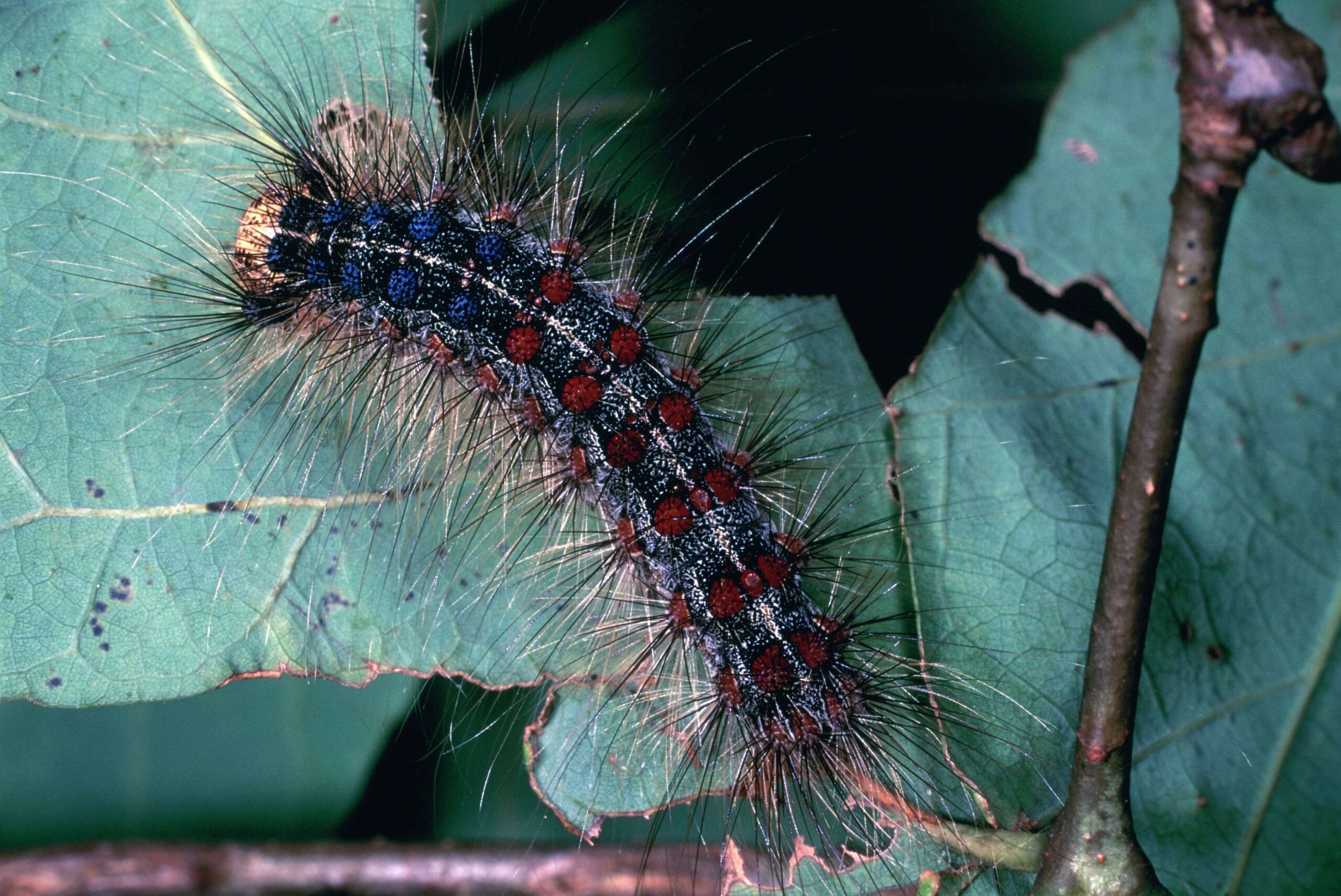
Hopewell Township residents can breathe a sigh of relief: a recent survey by the New Jersey Department of Agriculture (NJDA) found no major infestations of the spongy moth (Lymantria dispar), an invasive species formerly known as the gypsy moth.
The Township received initial notice in July that defoliation from the species had been detected locally. In response, Hopewell Township participated in the NJDA’s fall egg-mass survey to determine whether an aerial treatment would be needed next spring. The NJDA reported on Oct. 8 that counts were too low to warrant treatment in 2026.
Spongy moths—also called by older names such as gypsy moth or Lymantria dispar dispar (LDD)—are notorious for their destructive caterpillars, which feed voraciously on oak and other hardwood trees from late April through early July. Heavy infestations can strip trees bare, leaving them stressed and vulnerable to disease.
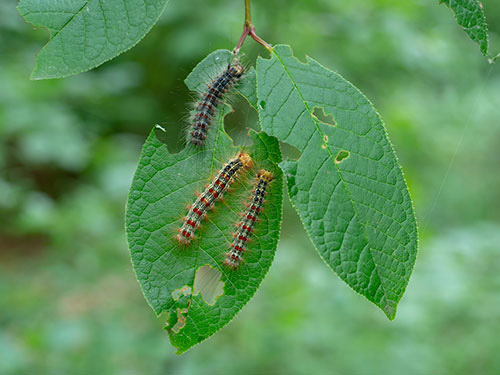
According to Rutgers Cooperative Extension, the insect’s life cycle includes four stages: egg, larva (caterpillar), pupa, and adult moth. Only the caterpillar stage causes damage. Egg masses, which appear as tan, fuzzy patches on tree bark and outdoor structures, can be scraped off and destroyed between August and April to reduce populations.
Hopewell Township thanked the NJDA for its continued partnership and encouraged residents to stay informed about prevention methods. More information on spongy moth management is available through the NJDA at nj.gov/agriculture/divisions/pi/prog/gypsymoth.html and from Rutgers Cooperative Extension’s fact sheet on the specie
How to Help Control Spongy Moths
Residents can take simple steps to help protect trees and limit future outbreaks:
- Inspect and remove egg masses from trees, outdoor furniture, sheds, and firewood between August and April. Scrape them into a container of warm soapy water or seal them in a plastic bag and place in the sun.
- Use burlap bands in May and June. Wrap 18-inch-wide strips of burlap around tree trunks, securing the middle with twine to form a loose skirt. Check daily and remove caterpillars hiding underneath.
- Avoid sticky bands or traps. These can unintentionally capture birds, small mammals, and beneficial insects.
- Hire professionals for large trees. Insecticide applications require specialized equipment; consult a licensed tree expert for safe and effective treatment if needed.
- Be mindful when moving outdoor items. Spongy moths are under federal quarantine—inspect outdoor furniture, firewood, and vehicles before traveling to non-quarantine areas.