

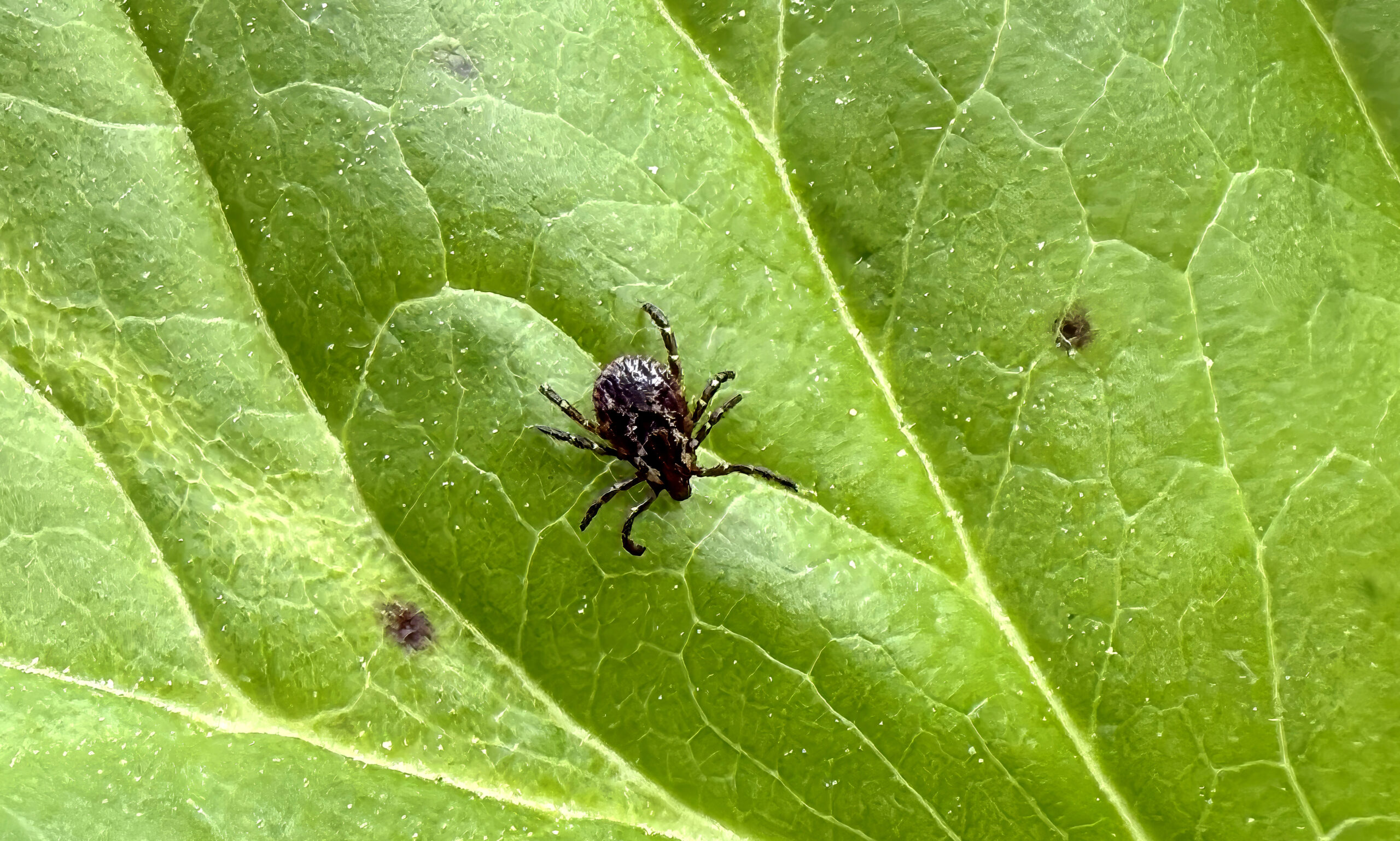
Whether you’re walking the dog, working in the garden, or hiking Hopewell Valley’s trails, health officials say one thing should always follow: a thorough tick check.
Tick season is underway in New Jersey, and both local and county officials are sounding the alarm. Reports of tick activity are already coming in from residents, and emergency room visits related to tick bites are tracking higher than in recent years. According to the New Jersey Department of Health’s latest vector-borne disease surveillance report, tick-related emergency room visits statewide are higher than both last year and the five-year average. While the highest number of visits occurred in the central east region, Mercer County—part of the central west—is also seeing elevated tick activity this spring.
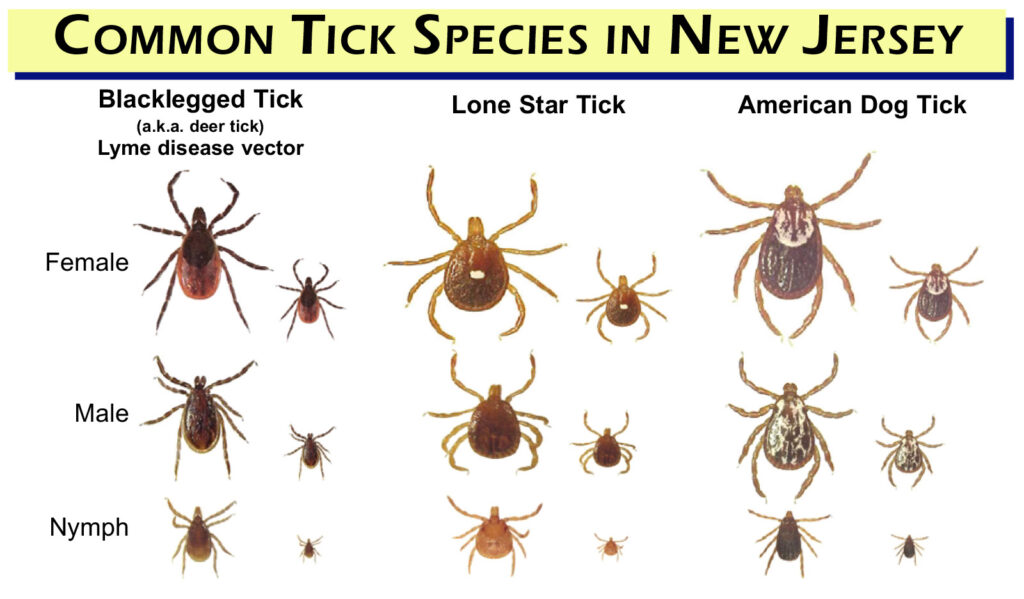
“I have heard from many Hopewell Valley residents that they are seeing a lot of ticks this year already,” said Eva Birnstiel, public health nurse with the Hopewell Township Health Department. Birnstiel and her department have been handing out tick ID cards, brochures, and bookmarks on safe removal techniques at community events like the Hopewell Township Cultural Festival and Pennington Day. Tick education for children is also planned for the upcoming “Come Outside and Play” event.
Nicholas Indelicato, general supervisor for Mercer County Mosquito Control, said this season is shaping up to be “a pretty typical year”—but that doesn’t mean low risk. “Residents should be prepared to encounter ticks while hiking, gardening, or spending time near wooded areas,” he said. Ticks are most active in the warmer months and are typically found in grassy, brushy, or wooded areas.
Both Indelicato and Birnstiel stress that preparation begins before going outside. They recommend applying EPA-registered repellents containing DEET, picaridin, IR3535, or oil of lemon eucalyptus, and treating clothes and gear with permethrin. Wearing long sleeves and pants—preferably tucked into socks—can help prevent ticks from reaching exposed skin. “It helps to wear long sleeves and long pants tucked into socks so ticks are not able to attach to skin,” Birnstiel said.
Once indoors, residents should check themselves, children, and pets carefully—especially in areas where ticks tend to hide, such as the scalp, behind the ears, under arms, around the waist, and behind the knees. “People are encouraged to shower within two hours of being outside to find and wash off unattached ticks,” Birnstiel said.
If a tick is found, it should be removed using fine-tipped tweezers, grasping close to the skin and pulling steadily upward. “Do not try to crush the tick,” Birnstiel added. Instead, dispose of it by sealing it in a container, wrapping it in tape, or placing it in alcohol. The area should then be cleaned with soap and water or rubbing alcohol. Residents should monitor for rashes or fever over the next several weeks and contact a healthcare provider if symptoms develop.
The risk of illness is highest during the tick’s nymph stage—when it’s roughly the size of a poppy seed. Among the three most common tick species in New Jersey—the blacklegged (deer) tick, the lone star tick, and the American dog tick—only the blacklegged tick carries Lyme disease. But all three species can transmit potentially serious illnesses.
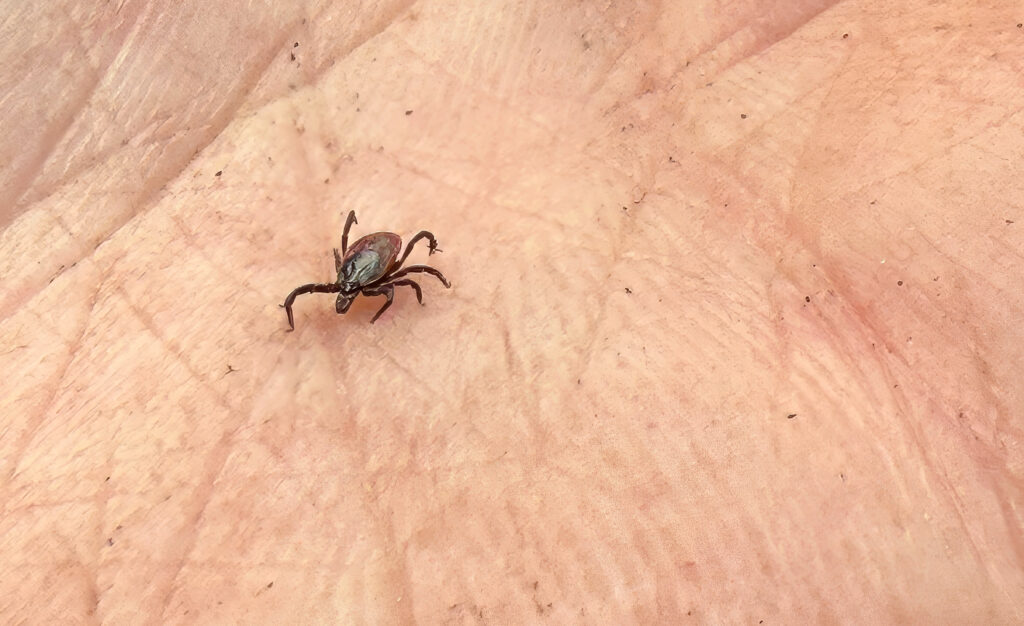
While Lyme is the most well-known, New Jersey ticks are also capable of transmitting anaplasmosis, babesiosis, ehrlichiosis, spotted fever, encephalitis, and alpha-gal syndrome, a meat allergy triggered by certain bites. Some pathogens remain under investigation. The invasive Asian longhorned tick, now present in parts of the state, is also being monitored closely for its disease potential.
Preventing bites also means keeping outdoor spaces tick-unfriendly. The New Jersey Department of Health’s “Tick-Proof Your Yard” checklist recommends mowing the lawn regularly, clearing leaf litter, and trimming overgrown shrubs to let in sunlight. Residents are also encouraged to keep woodpiles dry, create gravel or woodchip barriers between lawn and woods, and place play equipment away from tree lines. Planting deer-deterring crops like garlic and chives can help reduce animal traffic, and daily tick checks for pets are essential.
New Jersey has officially designated May as Tickborne Disease Awareness Month. In a recent proclamation, Gov. Phil Murphy emphasized the importance of public awareness and prevention, citing more than 7,200 reported Lyme disease cases statewide in 2023 and noting that actual numbers are likely much higher due to underreporting. The proclamation also warned that while ticks are active year-round, the risk of transmission is highest during the spring and summer months.
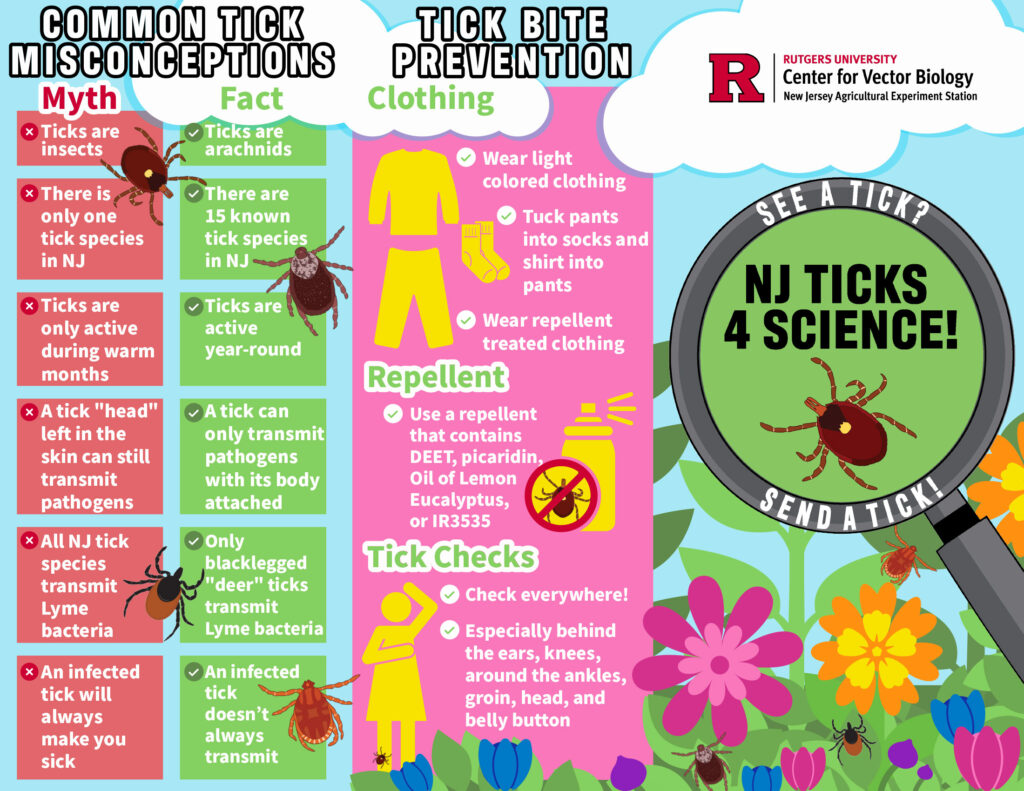
Tick monitoring in New Jersey involves collaboration among local health departments, the NJ Department of Health, and academic researchers. Rutgers University’s Center for Vector Biology supports this effort through its NJ Ticks 4 Science!citizen science program. Residents who encounter ticks can mail them in for free identification and disease testing, and the results help researchers track how tick species and tickborne illnesses are spreading across the state.
From leaf piles to schoolyards, the message remains consistent: awareness and prevention are your best defense. “The goal is to make tick checks a normal, everyday habit,” Birnstiel said. “If we can do that, we can lower the risk for everyone.”