
By Adam Kimball, New Jersey State House News Service
Driving in New Jersey became more expensive at the start of the new year, as higher fuel taxes and increased tolls on major roadways took effect on Jan. 1.
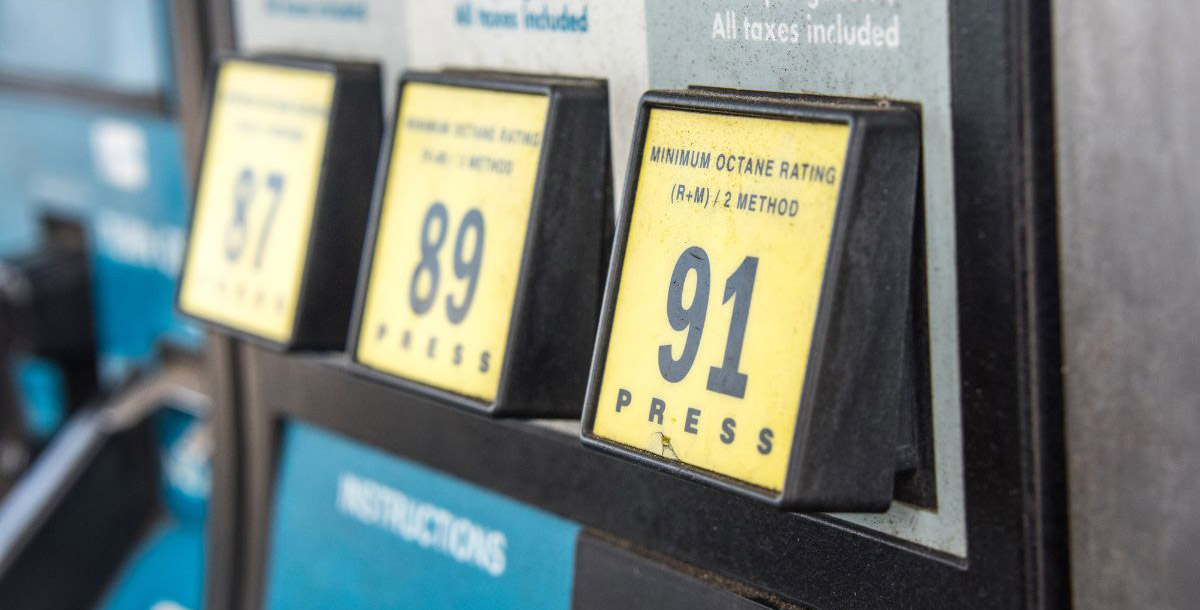
The petroleum products gross receipts tax increased by 4.2 cents per gallon, raising the gasoline tax to 38.6 cents per gallon and the diesel tax to 42.6 cents. A separate motor fuels tax remained unchanged. Combined, state taxes now account for 49.1 cents per gallon of gasoline and 56.1 cents per gallon of diesel.
As of Dec. 31, the statewide average price was $2.83 per gallon for gasoline and $3.69 for diesel, according to AAA New Jersey.
Revenue from the fuel taxes supports the state’s Transportation Trust Fund, which finances road and mass transit capital improvements. Under state law, fuel taxes adjust annually to meet revenue targets. The 2026 tax rates are expected to generate $2.1 billion.
Motorists are also paying higher tolls on several major transportation systems:
- Tolls increased by 3% on the New Jersey Turnpike, Garden State Parkway, and Atlantic City Expressway, all operated by the New Jersey Turnpike Authority. Rates vary depending on E-ZPass use, toll-by-plate, or cash payment.
- Eight Delaware River crossings operated by the Delaware River Joint Toll Bridge Commission now charge 50 cents more per passenger car. Passenger-vehicle E-ZPass users pay $2, while toll-by-plate drivers pay $5. The commission does not accept cash.
- As of Jan. 4, tolls increased at Port Authority of New York and New Jersey crossings, including the George Washington Bridge and the Lincoln and Holland tunnels. Passenger vehicles now pay between $14.06 and $23.30to enter Manhattan, depending on time of day and E-ZPass use. The Port Authority’s 2026 budget totals $10 billion, a 6% increase over the prior year, with $4 billion allocated for capital projects.
Officials overseeing bridges, tunnels, and highways have cited rising construction, labor, and tariff costs as drivers of the increases.
State Treasurer Elizabeth Muoio said the higher fuel taxes were required under existing law.
“This dedicated funding stream continues to provide billions of dollars across the state to support our critical transportation infrastructure needs,” Muoio said in a statement.
The Garden State Initiative, a conservative research group, criticized the increases, arguing the state should make different budget choices.
“New Jersey residents are getting nickeled and dimed, as are small businesses,” said Audrey Lane, the organization’s president. “What we really have to do is take a look at cutting spending.”