
By Brooke Holzhauer, NJ State House News Service
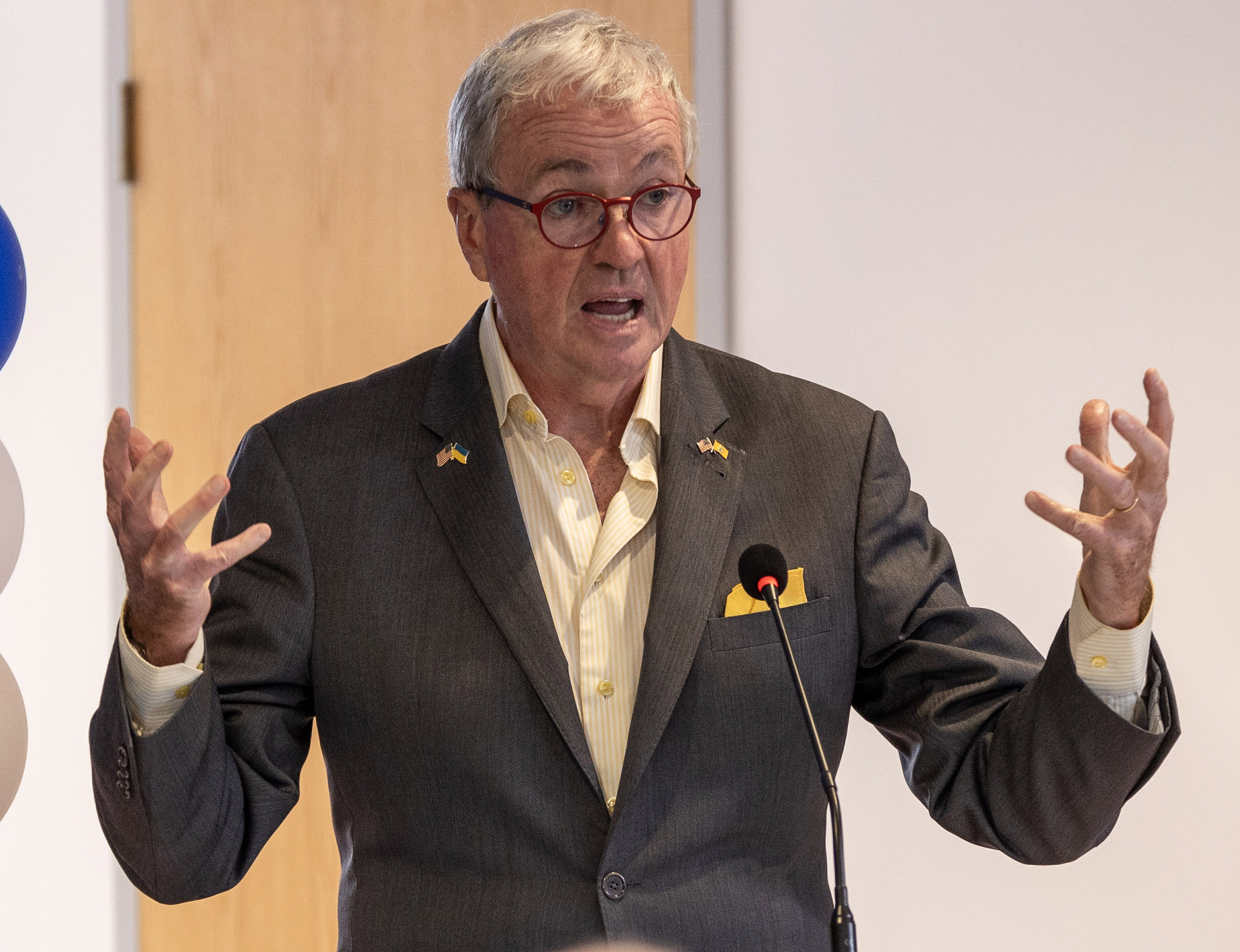
Governor Phil Murphy on Sept. 9 pardoned 40 people who were given harsh sentences for relatively minor criminal violations, or who have turned their lives around after prison. Among them was a woman who conquered a drug addiction to become a substance-abuse counselor, and others whose crimes occurred more than 50 years ago.
Murphy, a Democrat, formed the Clemency Advisory Board in 2024 to weigh convicts’ applications. He has issued 169 pardons, more than the combined total of New Jersey governors in the 30 years preceding him, according to a news release from his office.
“Together we are ensuring that justice in New Jersey is both rooted in public safety and a belief in second chances,” Murphy said. The governor has received more than 4,500 applications for clemency, which is an act of leniency that can include a pardon and a sentencing delay or reduction.
The New Jersey pardons are part of a national effort to seek forgiveness for low-level criminals, particularly people of color, whose punishments went beyond the magnitude of their violations, or who made remarkable turnarounds after they served time. A pardon can restore revoked rights but doesn’t erase a criminal record.
“Any time I think about receiving a pardon, I start to cry,” said Clourer Grady, 72, who from 1989-1993 had several drug possession charges that she says were fueled by her addiction. After a short prison sentence, she became a secretary, then a certified drug and alcohol counselor, overseeing a Trinitas Regional Medical Center program for 17 years. She also earned a bachelor’s degree from Thomas Edison State University.
One man, Raymond Throckmorton, was initially sentenced 52 years ago on narcotics charges. Another, Mario Ibrahim, was sentenced in 1995 for shoplifting and later, for weapons possession.
The pardons won praise from organizations including the American Civil Liberties Union, the Returning Citizens Support Group and Friendship Baptist Church.
“The governor’s clemency Initiative is not only historic – it brings real hope to individuals, families and communities across New Jersey,” said Jesselly De La Cruz, executive director of the Latino Action Network Foundation,
New Jersey’s constitution authorizes the governor to issue pardons and commutations. The state clemency board reviews and suggests pardons or sentence reductions.
________
Brooke Holzhauer, a New Jersey State House News intern, is a junior at William Paterson University majoring in broadcast journalism and minoring in psychology.