
The New Jersey Department of Health (NJDOH) and the New Jersey Department of Environmental Protection (NJDEP) are investigating a malaria case in a Morris County resident with no recent international travel. Working with the U.S. Centers for Disease Control and Prevention (CDC), NJDOH is exploring potential sources of infection; it is possible the resident was infected in New Jersey.
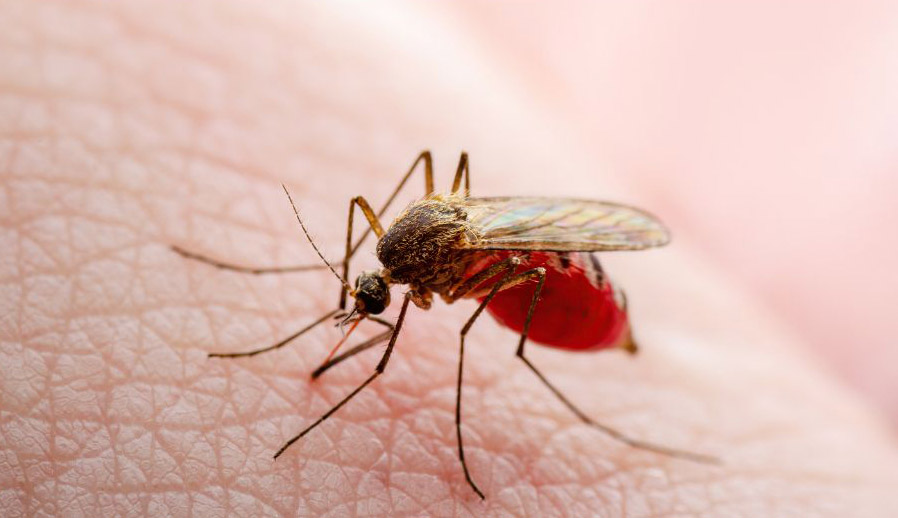
If confirmed, it would be the first known locally acquired case of malaria in New Jersey since 1991. Although Anopheles mosquitoes that can transmit malaria are present in the state, officials say the risk of locally acquired malaria remains low.
“While risk to the general public is low, it’s important to take the necessary precautions to prevent locally acquired malaria in New Jersey. The most effective ways are to prevent mosquito bites in the first place and to ensure early diagnosis and treatment of malaria in returning travelers,” said Acting Health Commissioner Jeff Brown. “Anyone traveling to countries with widespread malaria should take appropriate steps to prevent malaria while traveling and monitor for symptoms.”
“I urge the public to continue taking steps to eliminate standing water around their properties, which will go a long way to reducing the risk of mosquito breeding,” Environmental Protection Commissioner Shawn M. LaTourette said. “As the summer winds down, taking this simple but necessary step will help ensure quality of life and protect public health.”
Malaria is a mosquito-borne disease caused by a parasite common in many tropical and subtropical countries. Typical symptoms include fever, chills, headache, muscle aches and fatigue, with possible nausea, vomiting and diarrhea. Most infected people develop symptoms 7–30 days after exposure. Malaria is curable with prescription antimalarial drugs but can be life-threatening if not diagnosed and treated promptly.
New Jersey reports about 100 travel-associated malaria cases each year. Local transmission can occur when a mosquito bites a person infected during travel, acquires the parasite, and then bites another person. Effective treatment of confirmed cases reduces the risk of further spread.
Summer and early fall are peak seasons for other mosquito-borne illnesses in New Jersey, including West Nile virus and Eastern equine encephalitis. To reduce risk:
- Use EPA-registered insect repellent and wear long sleeves, long pants and socks outdoors.
- Eliminate standing water around homes (e.g., birdbaths, pools, tires and containers) to reduce mosquito breeding.
- Before traveling to areas where malaria, dengue or chikungunya are common, review travel notices and consult a health care provider about recommended medications or vaccines. After returning, take extra precautions to avoid mosquito bites for three weeks to prevent local mosquitoes from becoming infected.
The New Jersey State Mosquito Control Commission and NJDEP’s Office of Mosquito Control Coordination are working with the Morris County Mosquito Control Division, NJDOH and the CDC to support local control efforts and minimize risks to the public.