
In what officials called a historic victory for environmental accountability, New Jersey Attorney General Matthew J. Platkin and Department of Environmental Protection Commissioner Shawn M. LaTourette announced a $2 billion settlement Tuesday with DuPont and several related chemical companies to address decades of PFAS and other industrial contamination at four polluted sites across the state.
The settlement—New Jersey’s largest ever and believed to be the largest environmental settlement achieved by any single state—resolves litigation brought against DuPont and its spinoff companies over widespread contamination at sites in Salem, Gloucester, Middlesex, and Passaic counties. It includes funding for full site remediation, drinking water protections, and natural resource restoration.
“For decades, corporate polluters knowingly contaminated our land and water with PFAS and other dangerous chemicals,” Platkin said in a statement. “This settlement ensures they—not New Jersey taxpayers—will foot the bill for the cleanup.”
Four Contaminated Sites to be Cleaned
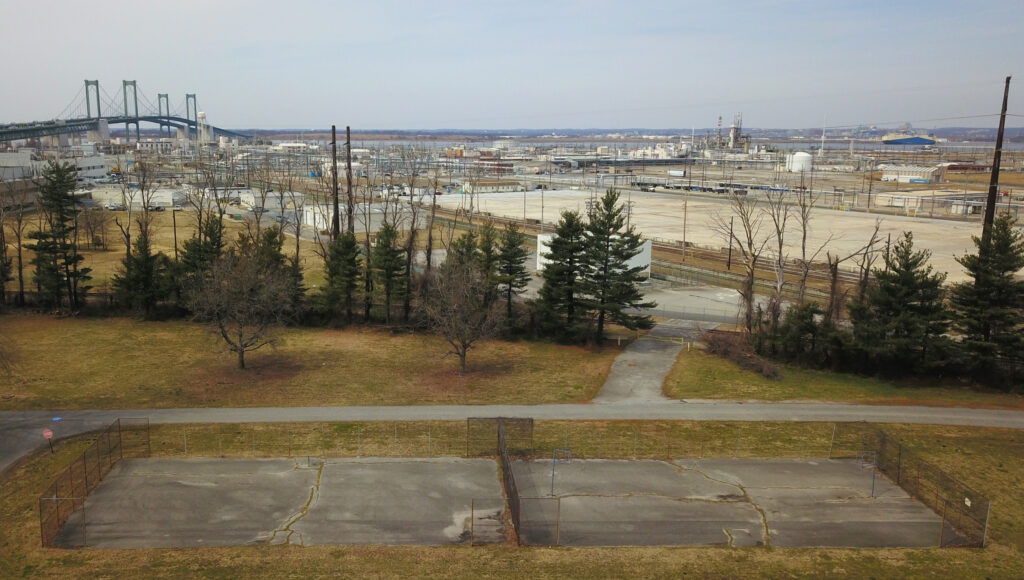
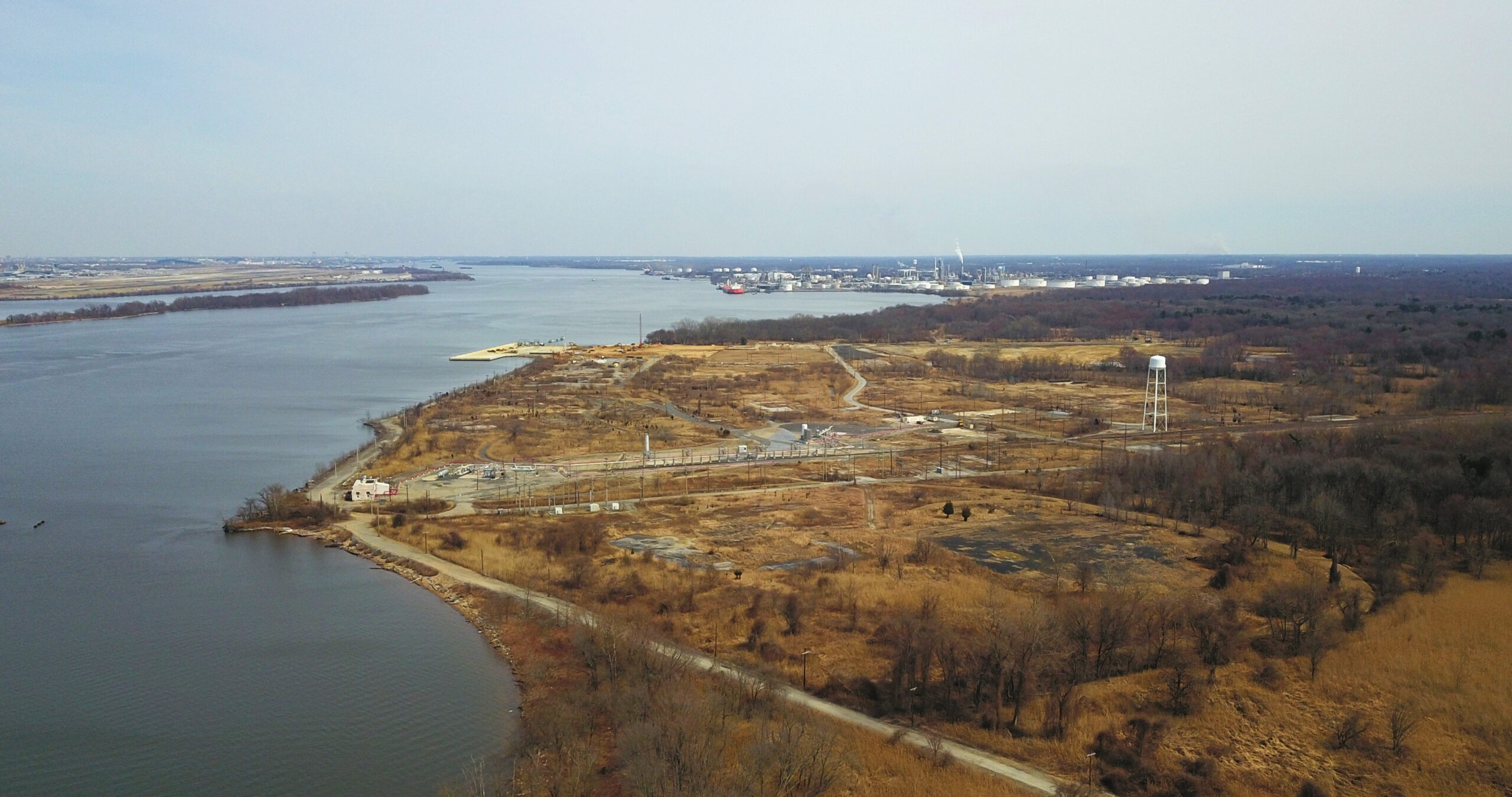
The settlement stems from contamination at four DuPont-related facilities:
- Chambers Works (Pennsville/Carney’s Point, Salem County)
- Repauno Works (Greenwich Township, Gloucester County)
- Parlin Site (Sayreville, Middlesex County)
- Pompton Lakes Works (Pompton Lakes and Wanaque, Passaic County)
At these locations, DuPont’s manufacturing operations released large quantities of PFAS—synthetic “forever chemicals” linked to cancer, developmental disorders, and other health risks—as well as volatile organic compounds, heavy metals, and other pollutants. Some facilities date back more than a century and remain active today.
“These sites are among the most contaminated in the state,” LaTourette said during a press conference Tuesday. “We are ensuring they are cleaned up to modern environmental standards, no matter how long that takes.”
Settlement Structure: Cleanups, Cash, and Accountability
Under the agreement, DuPont and related companies will:
- Create a $1.2 billion cleanup fund to remediate all four sites;
- Pay $875 million in damages, including:
- $225 million for natural resource restoration across the four sites;
- $650 million for an abatement fund to support PFAS-related drinking water treatment and other contamination response efforts;
- Establish a $475 million reserve fund to cover obligations if any defendant fails to meet its responsibilities.
The abatement fund will be used statewide to assist private well owners, communities, and small businesses impacted by PFAS—not to reimburse industrial polluters for cleanup expenses, LaTourette emphasized.
“These funds are for the people of New Jersey,” he said. “When you turn on your tap in the morning, your water should be clean, safe, and free from these toxic chemicals. That’s what this is about.”
Public Review and Timeline
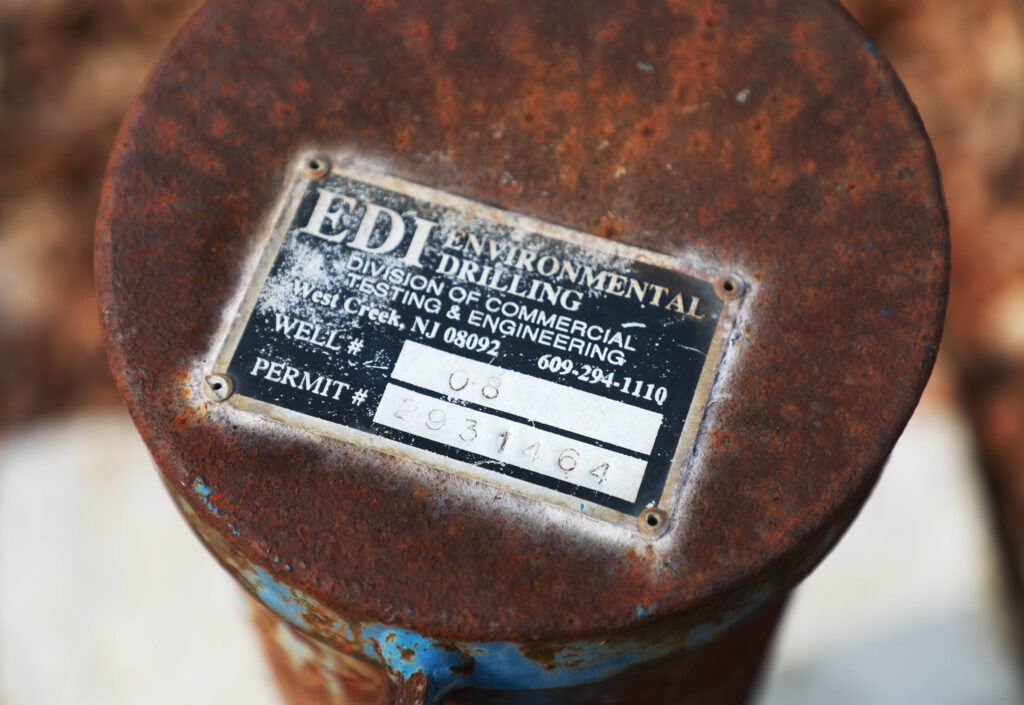
The settlement will be published in the New Jersey Register in early September and will undergo a 60-day public comment period before final court approval. A separate $450 million PFAS settlement with 3M, announced earlier this year, is currently open for public comment through Sept. 19.
In response to a reporter question, LaTourette confirmed that no part of the DuPont settlement extinguishes federal enforcement rights under Superfund or EPA standards. Cleanup plans must meet both state and federal requirements now and in the future.
PFAS in New Jersey
PFAS, or per- and polyfluoroalkyl substances, are a group of synthetic chemicals that have been used since the 1940s in products like non-stick cookware, waterproof fabrics, and firefighting foams. Known for their resistance to breakdown, PFAS accumulate in water, soil, and the human body, earning them the nickname “forever chemicals.”
New Jersey has some of the highest PFAS concentrations in the country and was the first state to adopt drinking water standards for three key PFAS compounds. The state has led multiple lawsuits since 2019 against companies responsible for PFAS pollution, recovering over $3 billion to date, including previous settlements with 3M, Solvay, and Arkema.
“This is not the end of our fight, but it’s a major milestone,” LaTourette said. “We’re showing that if you pollute in New Jersey, you will be held accountable.”
Corporate Defendants
Besides DuPont (now EIDP, Inc.), the settlement includes:
- The Chemours Company
- The Chemours Company FC, LLC
- DuPont Specialty Products USA, LLC
- Corteva Inc.
- DuPont de Nemours, Inc.
Each has agreed to participate in the full scope of remediation, monitoring, and long-term financial accountability.