
A newly released informational video outlining major structural, operational, and safety deficiencies at the Washington Crossing Toll-Supported Bridge marks a key turning point in the multi-year process to determine the historic crossing’s future — and signals one of the first major calls for public input in the project.
The video, released by the Delaware River Joint Toll Bridge Commission as part of the Washington Crossing Bridge Alternatives Analysis, lays out the extent of aging infrastructure challenges facing the more-than-120-year-old bridge and the scale of investment likely required to maintain or replace it.
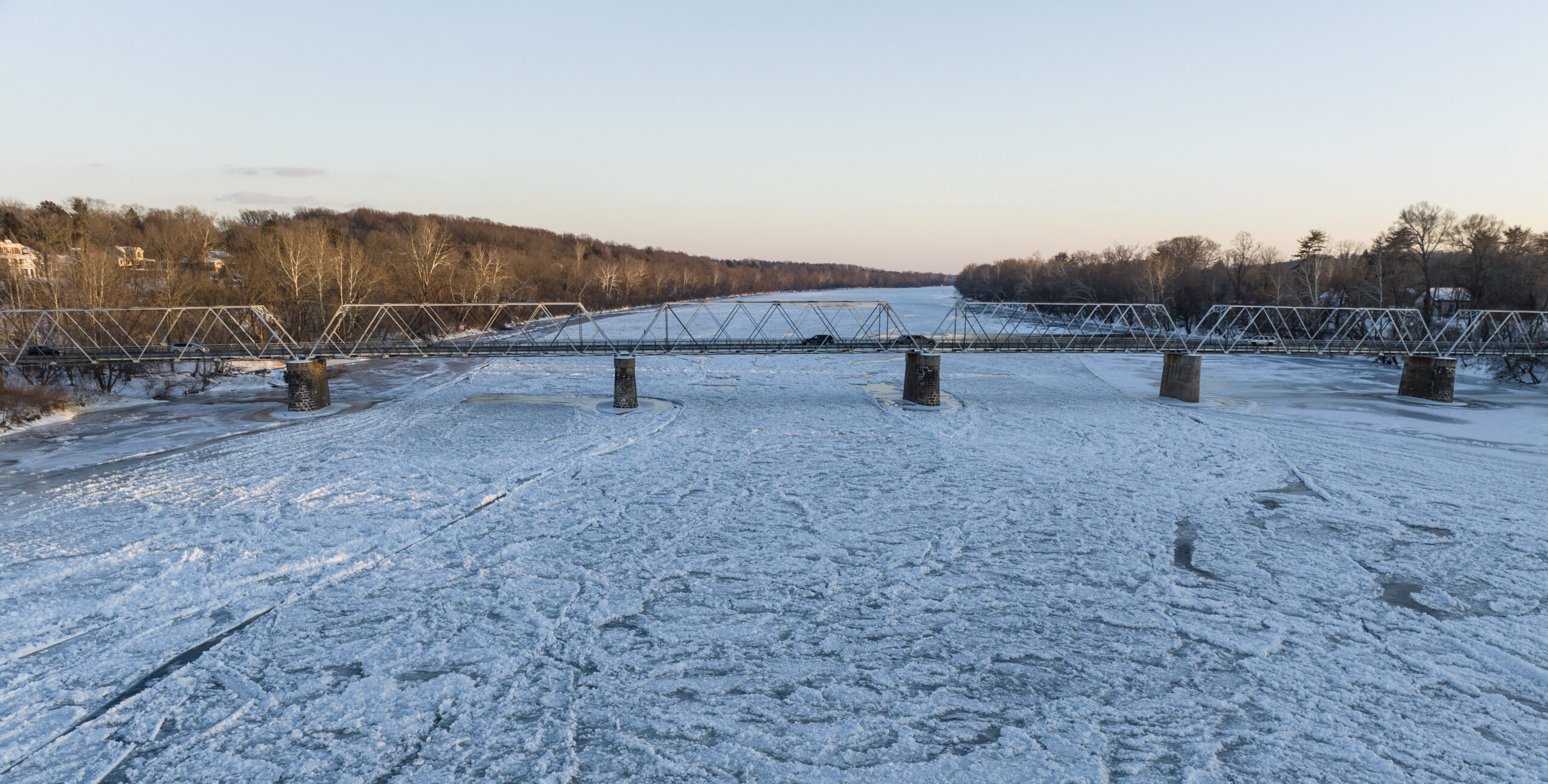
The steel-truss bridge, built in 1905 for a private toll operator and publicly owned since 1922, is now considered functionally outdated and increasingly difficult to maintain safely under modern traffic demands. The last major rehabilitation was completed in 1994, with additional repairs and flood-related work performed since then.
Officials say another major rehabilitation is approaching — one that could cost tens of millions of dollars — forcing a larger regional conversation about whether to continue investing in the existing structure or pursue a long-term replacement or alternative crossing.
Narrow Lanes, Structural Limits, Safety Risks
Project materials and the video detail a range of issues, from structural vulnerabilities to daily operational challenges.
The bridge’s roadway is just 15 feet wide, leaving drivers with 7.5-foot travel lanes — forcing vehicles traveling in opposite directions to pass extremely closely and contributing to frequent minor collisions and traffic slowdowns.
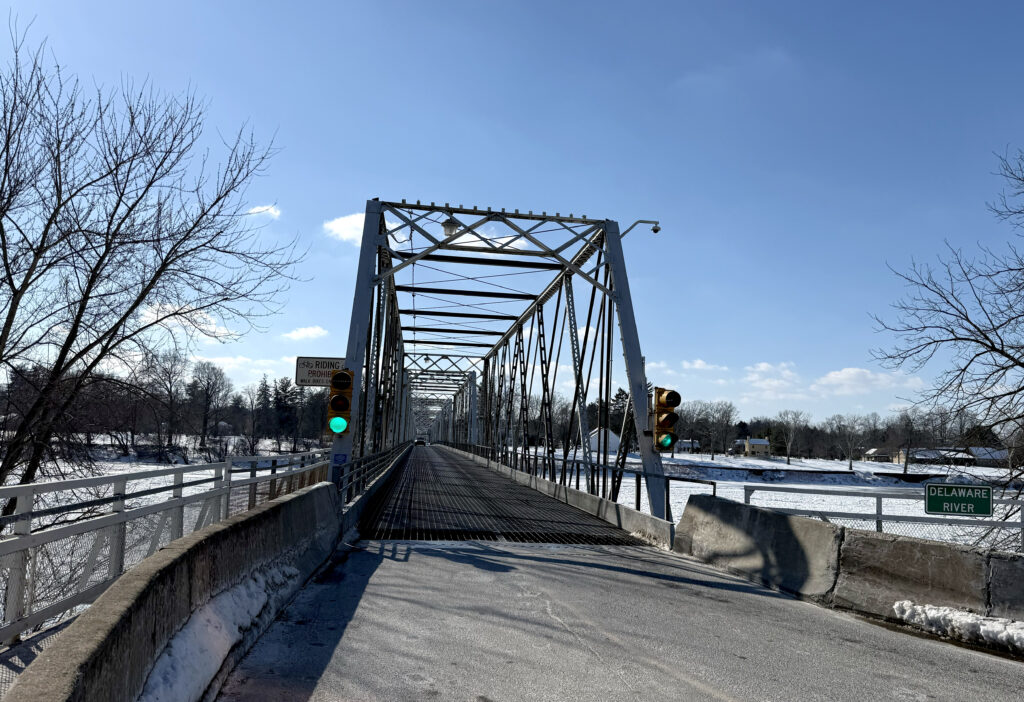
The structure also carries a three-ton weight limit, restricting many emergency, commercial, and recreational vehicles. Officials have warned that if the load rating drops further, the bridge could face full closure.
The bridge also relies on historic stone piers and timber crib foundations, infrastructure considered vulnerable to flooding and seismic activity. Pedestrian access is similarly constrained, with a walkway just 3.5 feet wide.
Alternatives Analysis Moves Toward Public Engagement
The alternatives analysis, launched in August 2024, is evaluating multiple potential paths forward, including rehabilitation, replacement, repurposing the existing bridge, or taking no action.
The work is being conducted under the National Environmental Policy Act (NEPA), the federal framework requiring environmental, cultural, economic, and community impacts to be studied before major infrastructure decisions are made.
As part of that process, officials must analyze potential environmental effects, develop alternatives, evaluate mitigation strategies, and release findings for public review before any final determination is made.
Public Meetings Scheduled for February
The commission is now moving into a major public engagement phase, with two public scoping sessions scheduled to gather feedback from residents, business owners, commuters, and park users.
The first session will be held:
Feb. 10
5:30 to 8 p.m.
The Crossing Church
1895 Wrightstown Road
Washington Crossing, Pa.
The second session will be held:
Feb. 11
5:30 to 8 p.m.
Union Fire Company and Rescue Squad
1396 River Road
Titusville, N.J.
Public involvement will continue throughout the multi-year environmental review process through meetings, surveys, and outreach events designed to gather stakeholder input before a preferred alternative is selected.
The commission says the goal is to ultimately determine a long-term solution that balances safety, mobility, environmental impacts, and the needs of surrounding communities and businesses — while preserving reliable river crossing access between Mercer County and Bucks County for decades to come.