
To the Editor:
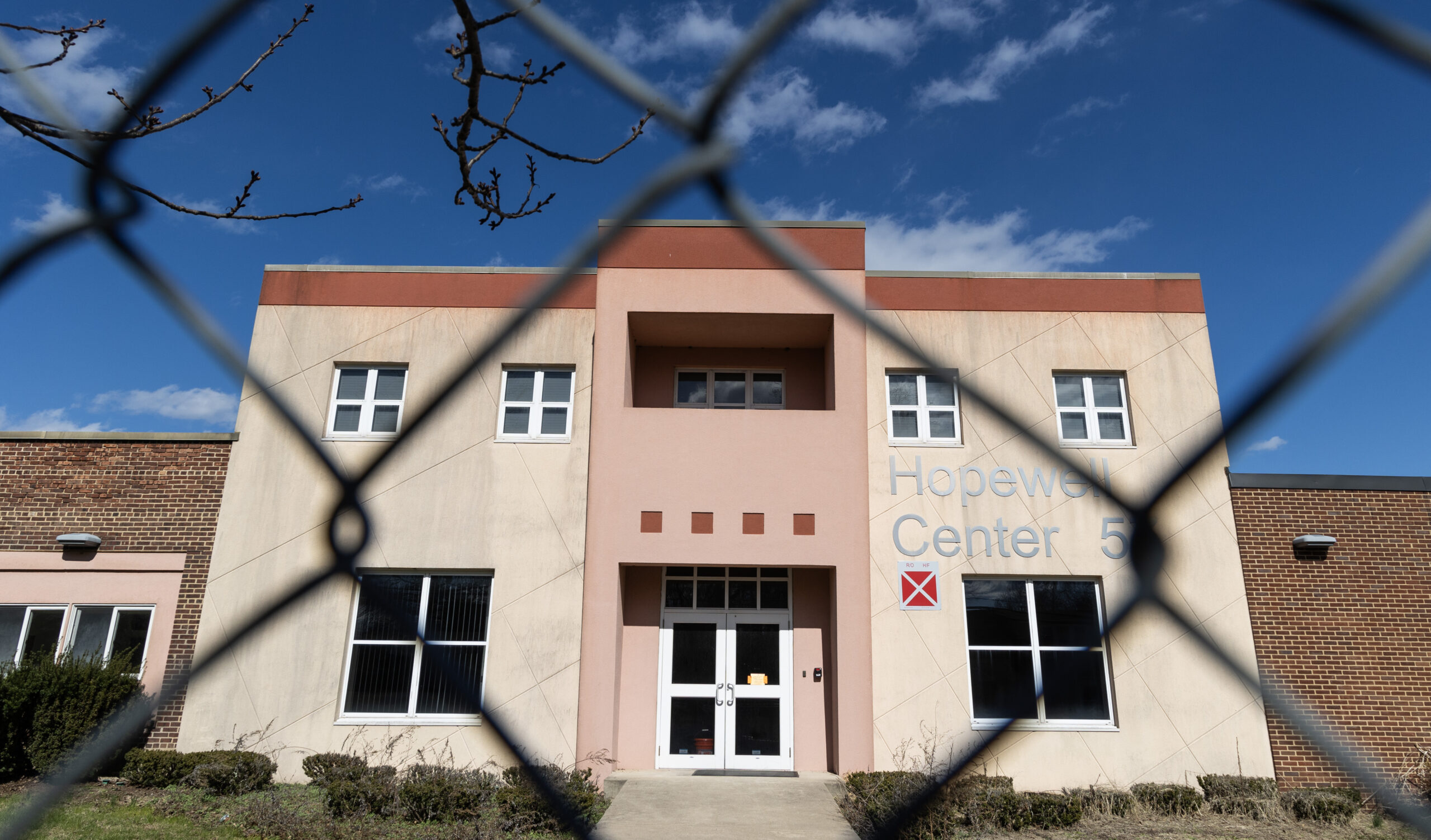
Right now, we have a vacant, deteriorating industrial building in the middle of a residential neighborhood that is unsafe to enter, following a partial collapse, and surrounded by a chain-link fence with prominent signs that read “CAUTION UNSAFE STRUCTURE – NO TRESPASSING”. It has not been fully occupied for 27 years, since Kooltronic, Inc. moved their manufacturing operations from Hopewell Borough to Hopewell, Twp. The entire building is in a flood hazard area, and the lower levels have repeatedly been inundated. Covering about 1.5 acres, it is the largest structure in the Borough (larger than the Elementary School). The cost of building demolition and removal is estimated to be at least $1.5M. The property is a “brownfield” site that has been under environmental remediation since 1999. Tax revenues from what should be one of most valuable properties in town are approximately $68,000 a year, of which the Borough receives only about $16,000.
Finally, there is an opportunity to build much needed multifamily housing on this site. As approved by the Planning Board on June 10th, Hopewell 57 Urban Renewal Entity, LLC plans to construct 120 rental apartments and townhomes, of which 20% (24 units) will be set aside for affordable housing, and the rest will be offered at market rates. The Borough will receive 12 additional credits toward its affordable housing obligation, for converting from non-residential to residential land use, for a total of 36 credits toward our statutory “unmet need” of 128 units. This is likely to be the single greatest opportunity to create affordable housing the Borough will ever have, and the market-rate units will help alleviate a long-standing apartment shortage in town.
There will be additional benefits: The view from the street will improve dramatically, thanks in large part to architectural input from our Historic Preservation Commission. The Borough will receive payments in lieu of taxes from the developer totaling more than $11M over the next 30 years. New residents living near the center of town will provide a boost to our local businesses. Pedestrian safety and traffic calming measures will be added, and the sidewalk on the south side of Lafayette Street will be completed, all at no cost to the Borough. The project will reduce the rate of stormwater runoff from the site and increase the proportion of greenspace, by reducing the amount of impervious cover. And, once the building has been removed, all soil remediation necessary to meet NJDEP Residential Remediation Standards will be completed.
Based on a comprehensive review of the site plan application by the Planning Board and their professionals, it’s clear that the Borough can accommodate the new neighbors this project will bring. In fact, even with the addition of 120 new dwellings, our population will still be less than it was at the end of the baby boom, based on U.S. Census Bureau reports that show a 15% higher population in the Borough (352 more people) in 1970 than in 2020.
It appears that opponents of the project may be raising money to mount a legal challenge. It could not succeed on its merits, but they may try to delay the project for months or years through costly court filings and motions, hoping to make it uneconomical for the developer to continue.
It would be morally indefensible for a small group of objectors to attempt to impose their will on the rest of the community through litigation. Defending against even the most frivolous claim would cost our town tens of thousands of dollars in legal and professional fees, all paid for by Borough taxpayers. And that doesn’t account for the time expended by our Borough staff responding to Open Public Records Act (OPRA) requests, which can take days or weeks to fulfill. All this would harm our community by wasting limited public resources. It could also imperil potential redevelopment opportunities elsewhere in town, by causing investors to re-assess the legal and financial risks.
Have these objectors considered what would happen if they were to succeed?
There are those who insist, without evidence, that the site could be redeveloped at a lower density. That is not a realistic scenario. In the 10 years since the Borough Council designated the property as an “Area in Need of Redevelopment”, only two other entities have expressed serious interest in redeveloping it. One proposed 125 rental apartments and other 145, each with a 15% affordable housing set-aside. Neither proposal made it past the due-diligence stage.
Since then, construction costs have soared. Data from the U.S. Bureau of Labor Statistics show that since January of 2020, the average price of steel mill products has increased by 86%, the cost of concrete products has gone up by 46%, and average hourly wages for construction workers have risen by over 30%. Additionally, regulatory requirements for stormwater management and flood control are now more costly, as are energy efficiency standards for new buildings. If no developer was willing to build at a lower density before these changes, who would consider it now?
The idea that a non-profit organization could build affordable housing at the site at a lower density is also a non-starter. A few years ago, a non-profit builder reportedly approached the property owner about the possibility of building 100% affordable housing at the property. It went nowhere because the site didn’t qualify for housing grants needed to finance the project and the builder found that the demolition and flood-hazard mitigation costs would be prohibitive.
Turning the property into a park, as some have suggested, would neither be feasible nor a responsible use of the land. The cost of the land purchase, demolition, and earthwork just to stabilize the site would be at least $5M. Moreover, such an egregious exclusionary use of the land would invite the threat of litigation by affordable housing advocates, and the Borough would never allow it.
Here is what would really happen if this redevelopment project were to be derailed: The property would remain fenced off and posted and the building would continue to deteriorate. Eventually, a demolition order would be issued for the building to abate the safety hazard, but probably not for years. The pavement, curbs, and building slabs would remain, and the site would continue to be fenced off, posted, and overgrown. It’s unlikely that anyone else would consider redeveloping the property, given the risk of litigation.
That is, unless a developer filed a builder’s remedy lawsuit. In that case, a court could override our Planning Board and zoning ordinances, based on the Borough’s inability to make a meaningful dent in its affordable housing obligations. Under those circumstances, our community would have little control over the outcome. A judge could mandate a higher density at the site than currently allowed, and might even permit a maximum building height above four stories. As the saying goes: be careful what you wish for.
Since 1996, more than 1,200 acres of open space and farmland have been preserved in a “green belt” surrounding the Borough, including about 56 acres in town. That’s more than 2.5 times the total land area of the Borough. It’s hard to overstate the benefits of preserving that land to our quality of life, environment, and ecosystems. But now, there is less land available to meet our housing needs. Fortunately, through redevelopment and infilling, we can still expand and diversify our housing inventory, and address our affordable housing needs by restoring abandoned and underutilized properties to productive use.
The decisions we make now will determine what kind of community we are for generations. Will we continue to welcome people of diverse backgrounds, education levels, and incomes, or just those that can finance a $700,000 single family home? Will we provide affordable housing opportunities for members of our community who are struggling to make ends meet? Will our Borough staff, teachers, police, and emergency responders be able to afford to live in the community they serve? Will we provide options for seniors that want to sell their houses and move into apartments, so they can stay in town, access their equity, and not worry about home maintenance? Will we make it possible for younger people to move here and put down roots in our community? None of this will happen if we reflexively oppose every change and resort to litigation over every inconvenience.
David Mackie
Hopewell Borough