

By Adam Kimball, NJ State House News Service
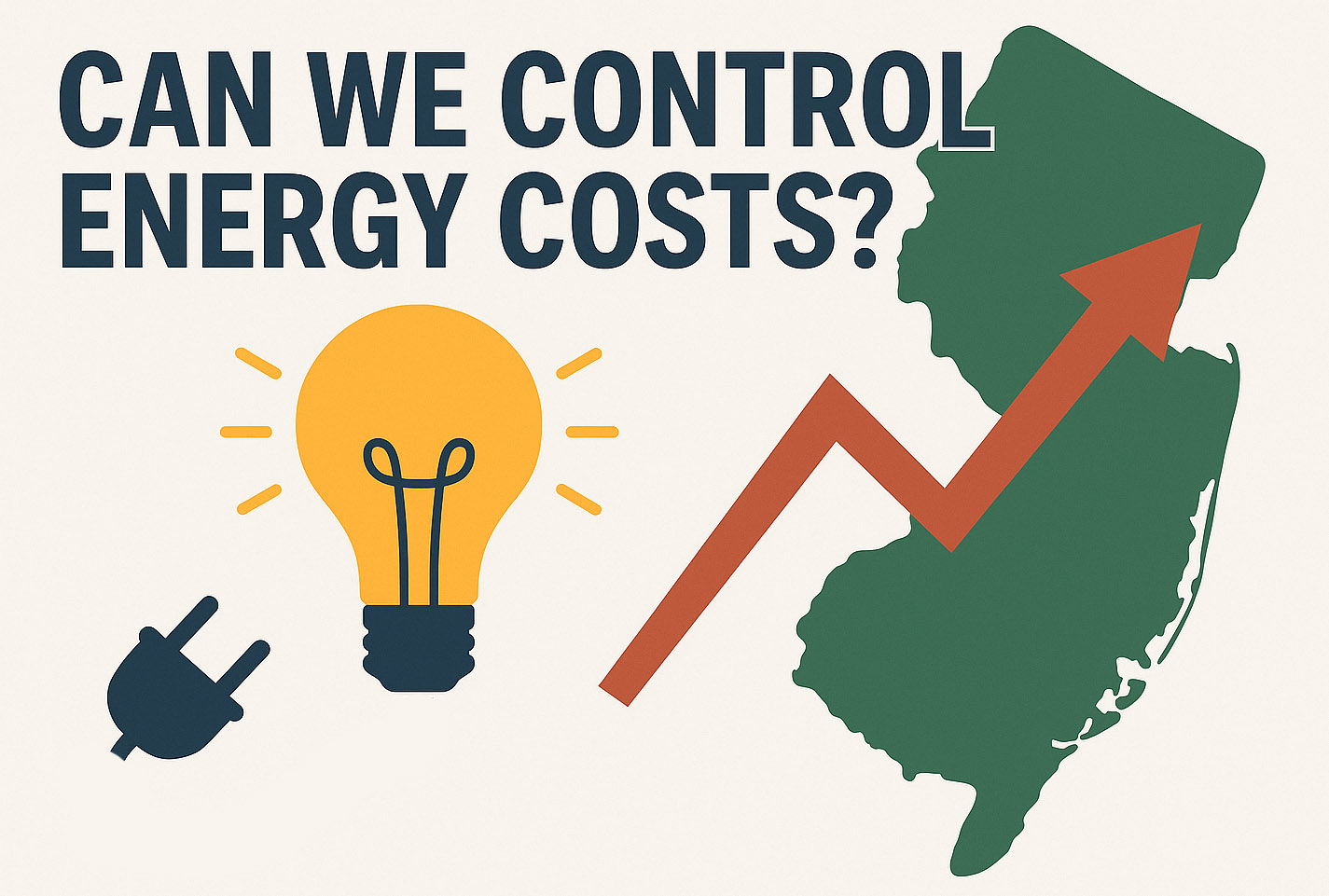
Utility bills spiked 20% in June, stunning New Jersey consumers and turning the cost of electricity into a critical issue in the race to replace Governor Phil Murphy.
Murphy, a two-term Democrat, made energy a priority, pitching offshore wind power and planning for 100% clean energy by 2035. And he had some success.
Utility costs were moving downward earlier in his tenure. He marked a milestone of five gigawatts of installed solar power in 2024 and secured $156 million in funding from the Environmental Protection Agency’s Solar For All program for low-income households.
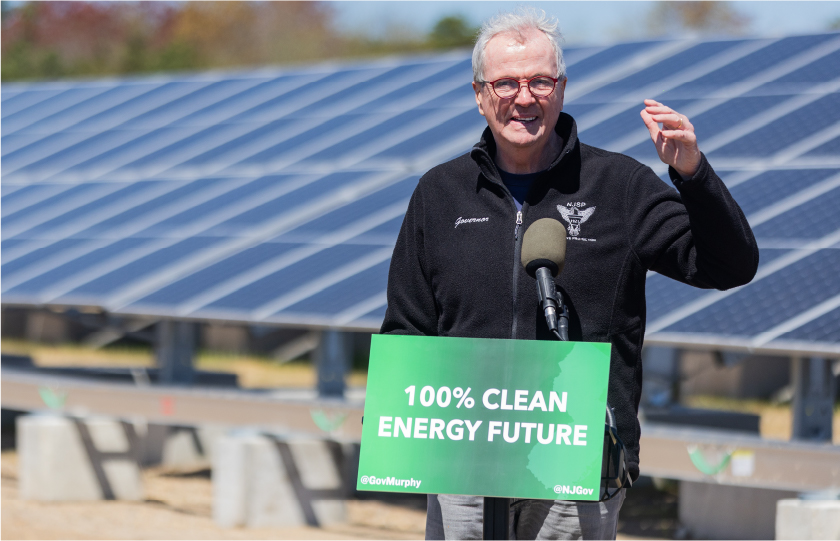
But not all has gone to plan for Murphy. He has been stymied in his offshore wind efforts, facing community opposition, supply chain issues and skittish private partners, including Ørsted and Shell, which withdrew their support. The setbacks dealt a major blow to Murphy’s clean-energy ambitions. The projects were expected to power more than 1 million homes combined and create thousands of union jobs. Without them, the state must find new ways to meet its 2035 goal.
The Trump factor
Actions by President Donald Trump played a significant role in derailing the Murphy administration’s efforts. On Trump’s first day in office in January 2025 he signed an executive order pausing all new wind permits, approvals and loans.
The president’s denial shows how federal decisions can affect a state’s clean energy goals. Experts say the cancellations slowed the state’s progress on clean and affordable power.
“This significantly drove up our electricity bills because if we had the energy from these projects, we could increase supply and drive down the costs,” said Alex Ambrose, an environmental and transportation policy analyst for New Jersey Policy Perspective.
The two candidates running to replace Murphy in the Nov. 4 election, Republican Jack Ciattarelli and Democrat Mikie Sherrill, both say electricity prices are too high. About six months after the next governor takes office, prices are expected to rise again because of an annual utility rate auction.
Murphy has blamed PJM Interconnection — the multistate power wholesaler that manages the grid, conducts the auctions and supplies retailers like PSE&G and JCP&L. In April, he asked the Federal Energy Regulatory Commission to investigate PJM’s role in the price hikes.
Other states have raised similar concerns. Pennsylvania Gov. Josh Shapiro filed a complaint that led to an April federal settlement his office says will save consumers $21 billion over three years.

At Trenton Farmers Market, leaders say PJM delays are costing families real money
Earlier this month, environmental advocates and several New Jersey officials gathered at the Trenton Farmers Market to highlight how higher utility bills are affecting everyday budgets. Organizers displayed the amount of groceries families could have purchased with the money now being spent on the most recent rate hike — an estimated $400 more per New Jersey household this year.
State Sen. Andrew Zwicker (D-16) said PJM’s backlog is directly worsening affordability, calling it “an abdication of responsibility” when low-cost clean energy projects still waiting for approval could otherwise bring rates down.
“Families in New Jersey are already being stretched to the breaking point by rising costs of food, housing, and healthcare. The last thing they should have to worry about is whether their utility bills will take away money meant to put groceries on the table,” Zwicker said.
Representatives from the Sierra Club, New Jersey League of Conservation Voters, Isles and the New Jersey Working Families Alliance also tied PJM delays to ratepayer pain, saying cleaner and cheaper generation is stuck in a multi-year queue while fossil fuels continue to dominate capacity costs.
What is PJM?
PJM is the regional grid operator serving 67 million people in 13 states, including New Jersey. It approves new power projects and determines market pricing through its annual capacity auctions. Critics say PJM’s backlog of nearly 2,000 new energy projects has slowed the addition of lower-cost solar, wind and storage — limiting supply and driving up bills — while PJM counters that state permitting delays, financing hurdles and supply chain problems have also stalled interconnection.
Editor’s note: MercerMe editor Seth Siditsky contributed to this report. NJ State House News intern Adam Kimball is a Rowan University senior majoring in sports communication and journalism.