
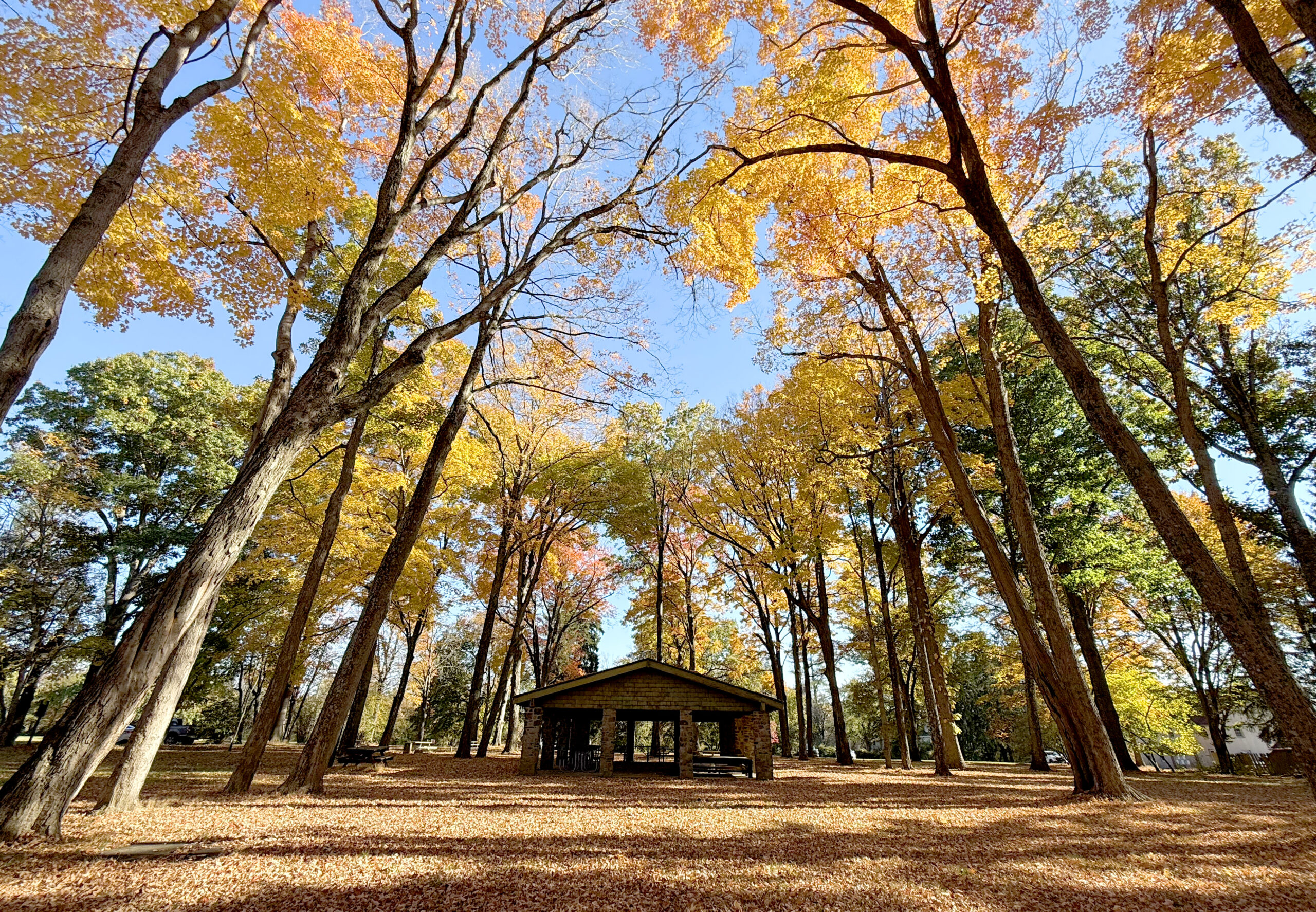
Washington Crossing State Park in Hopewell Twp. is poised to receive nearly $690,000 for a major ecological restoration project that would remove invasive plants, restore native meadows and help rebuild forests damaged by invasive insects.
The $689,265 grant for the Washington Crossing Park Association is among five nonprofit projects recommended for funding through a special round of New Jersey’s Green Acres Program. The Garden State Preservation Trust approved the funding package Oct. 21, and Gov. Mikie Sherrill’s administration announced it Oct. 26.
The funding still requires formal appropriation by the state Legislature before the project can move forward.
For the local nonprofit that has spent years raising money, organizing volunteers and advocating for improvements to the historic park, the grant represents a significant expansion of its conservation work and a milestone in its ability to attract investment.
The project, called “Forests & Meadows of the Crossing,” would address the loss of trees from emerald ash borer infestations, remove invasive vegetation and rehabilitate meadows with native plants.
“After years of witnessing the effects of Emerald Ash Borer-related canopy loss and invasive plant infestations across Washington Crossing State Park, this grant gives us a meaningful opportunity to restore the park’s forests and meadows and renew the ecological diversity and visitor experience of this historically and ecologically significant landscape,” said Michael Rahtz, the association’s Conservation Committee chair, in the state’s announcement.
A new opportunity for nonprofit park partners
The grant is possible because of a change in New Jersey law that allows qualifying nonprofit organizations to receive Green Acres funding for improvements to state-owned land without providing matching funds.
Traditionally, nonprofit Green Acres development grants have required recipients to contribute 50% of project costs, a substantial hurdle for organizations that rely on donations, memberships and volunteers.
Legislation sponsored by Assemblywomen Alixon Collazos-Gill and Marisa Sweeney and signed into law this fall gives the New Jersey Department of Environmental Protection discretion to fully fund eligible projects involving development, capital repairs or improvements on state-owned property. The department may still require matching funds in some cases.
For the Washington Crossing Park Association, which supports a state-owned park but does not own the land, the change opened a funding opportunity that previously would have been difficult to pursue.
Annette Earling, the association’s executive director, said the matching requirement had been a significant obstacle.
“We would never be able to come up with a matching seven hundred thousand dollars,” she said in an interview with MercerMe.
The new program allowed the association to submit a comprehensive restoration proposal based on its existing conservation work and experience managing projects in partnership with the state.
Earling said the organization assembled its application quickly, with assistance from treasurer Michael Matrano and conservation committee chair Michael Rahtz.
“We’re really hoping this can be a model for other groups,” Earling said.
Restoring the park’s forests and meadows
The proposed work would build on efforts already underway to address environmental challenges throughout Washington Crossing State Park.
The emerald ash borer, an invasive insect that has devastated ash trees across the country, has contributed to significant canopy loss in the park. Invasive plants have also spread into wooded areas and open spaces, competing with native vegetation.
Earling pointed to the open areas on either side of the park’s entrance as an example of what visitors could eventually see.
“Those are all gonna be redone as wildflower meadows,” she said, describing a landscape of native flowers and pathways that would welcome visitors as they enter the park.
The association has already made conservation a growing part of its work. Board President Ken Ritchey said volunteers and partner organizations have planted hundreds of trees over the past two years and worked to remove invasive plants.
The organization also coordinates volunteer trail stewards who help maintain trails used by hikers, runners and other visitors.
Rahtz said the proposed project would help protect the park’s natural resources while improving the visitor experience.
“We hope our project Forests & Meadows of the Crossing will not only benefit the Park for generations to come but also serve as a model for how community organizations can partner with NJDEP to steward and restore New Jersey’s state lands,” he said.
Building on years of investment

The grant comes as Washington Crossing State Park has experienced substantial investment ahead of the nation’s 250th anniversary.
State-funded improvements have included construction of a new museum and visitor center (which is not open yet,) restoration of historic structures and other projects intended to strengthen the park’s role as both a Revolutionary War landmark and a public recreational destination.
The Washington Crossing Park Association has also supported restoration of the George Washington Memorial Arboretum and a historic mural that will be displayed in the new museum.
Ritchey said the association’s work increasingly focuses on three areas: preserving the park’s history, protecting its natural resources and expanding recreational opportunities.
Earling said the Green Acres award would also push the association past a financial milestone.

“It’s a big achievement for us,” she said, explaining that the award would bring the total funding the association has secured for park projects to more than $1 million.
The grant money would be restricted to the restoration project rather than the association’s operating expenses, meaning the nonprofit must continue raising money to support its staff and administrative work.
Part of a larger statewide investment
The Washington Crossing project is part of an $88 million package approved by the Garden State Preservation Trust for land preservation, park improvements and flood protection projects across New Jersey.
Approximately $7.7 million is designated for nonprofit development projects, including five grants made possible through the new funding approach.
Another Mercer County project would provide $227,000 to the American Battlefield Trust to restore historic fencing at Princeton Battlefield State Park, part of an effort to recreate elements of the landscape associated with the 1777 battle.
Other recommended grants include $3 million for improvements at the New Jersey School of Conservation in Sussex County, nearly $3 million for ecological restoration at the Paulinskill River Wildlife Management Area and $388,635 for improvements at Whitesbog Historic Village in Burlington County.
The broader package also includes funding for state land acquisition, capital improvements and the Blue Acres program, which purchases flood-prone properties from willing sellers.
Looking beyond the 250th anniversary
For the Washington Crossing Park Association, the proposed restoration reflects a growing emphasis on sustaining improvements made in recent years.
Earling said the attention and investment surrounding the nation’s 250th anniversary have created an opportunity to improve the park, but maintaining those improvements will require continued effort long after the celebrations end.
She recalled how investments made around the nation’s bicentennial were not always followed by adequate maintenance, allowing some facilities and landscapes to deteriorate.
Without ongoing care, she warned, newly restored areas could face similar challenges.
The association hopes the Green Acres project will help establish a more sustainable approach to caring for the park’s natural areas, complementing the historic preservation and infrastructure investments already underway.