
Hopewell Township has officially joined Hamilton, Lawrence, and Ewing in the State of New Jersey’s long-running lawsuit against the City of Trenton and Trenton Water Works (TWW), marking the first time in this case that all four suburban municipalities served by the utility are aligned as co-plaintiffs with the New Jersey Department of Environmental Protection (NJDEP).
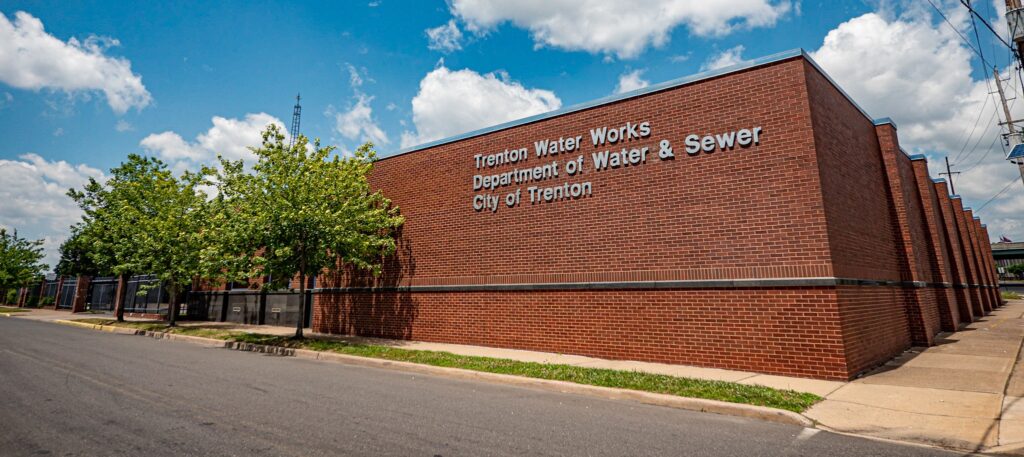
The move reflects growing alarm over deteriorating infrastructure, repeated regulatory failures, and Trenton’s strained relationship with state regulators—issues that intensified throughout 2025 as DEP warned TWW was at “extremely high risk of systemic failure.”
“Safe drinking water is not optional. By joining this lawsuit, we pledge to work with NJDEP and our neighboring municipalities, including Trenton, to ensure that all of our residents have access to clean, safe, and reliable drinking water,” said Hopewell Township Mayor Courtney Peters-Manning.
Lawrence Township Municipal Manager Kevin Nerwinski, Esq. said Hopewell’s entry marks a decisive turning point.
“Hopewell Township’s decision to join the other municipalities sends a clear and unified message to the City of Trenton: we expect better, we expect real change, and we will not compromise on the fundamental human right to safe drinking water. Our residents who rely on Trenton Water Works should not be forced to continually question the safety and reliability of the water they use and consume.”
Why Hopewell Joined Now
Peters-Manning said Hopewell held off joining the suit while the towns were attempting to collaborate on a regional path forward.
“There was hope for a regional solution, and that with Trenton, we would work together. But that hope has faded,” she said.
She noted that the lawsuit had been quiet for several years as NJDEP, Trenton, and the suburban towns explored governance reforms. The mayors from the municipalities were all meeting earlier this year in hopes of working together to find a solution.
Hopewell had not intervened when Hamilton, Lawrence, and Ewing filed in 2020, but Peters-Manning said the situation changed.
“We didn’t intervene at the beginning… but there was hope. Now there’s not, so we’re joining.”
She emphasized that the move is not antagonistic but practical:
“I hope Trenton will realize we’re not the enemy. All of this talk of anti-regionalization… that is not the truth. They need help with the Waterworks.”
What the Court Will Consider Next
On Nov. 21, the Mercer County Chancery Court approved Hopewell’s motion to intervene and set a year-long discovery schedule through the end of 2026.
Under the schedule, all parties—including NJDEP, Trenton, and the four suburban towns—will exchange documents, conduct depositions, and engage experts on issues such as:
- Safe Drinking Water Act compliance
- Lead service line replacement
- Operational and managerial capacity
- Distribution system integrity
- Financial controls and budgeting
- Capital planning and infrastructure risks
Depending on what discovery reveals, the court may consider motions for injunctive relief, compel corrective actions, or set additional compliance deadlines.
The municipalities’ newly filed complaints argue that:
- TWW repeatedly violated Administrative Consent Orders.
- Trenton diverted surplus TWW funds to balance its municipal budget.
- More than half of customers live outside Trenton but have governance role – a structure the towns describe as effectively “taxation without representation.”
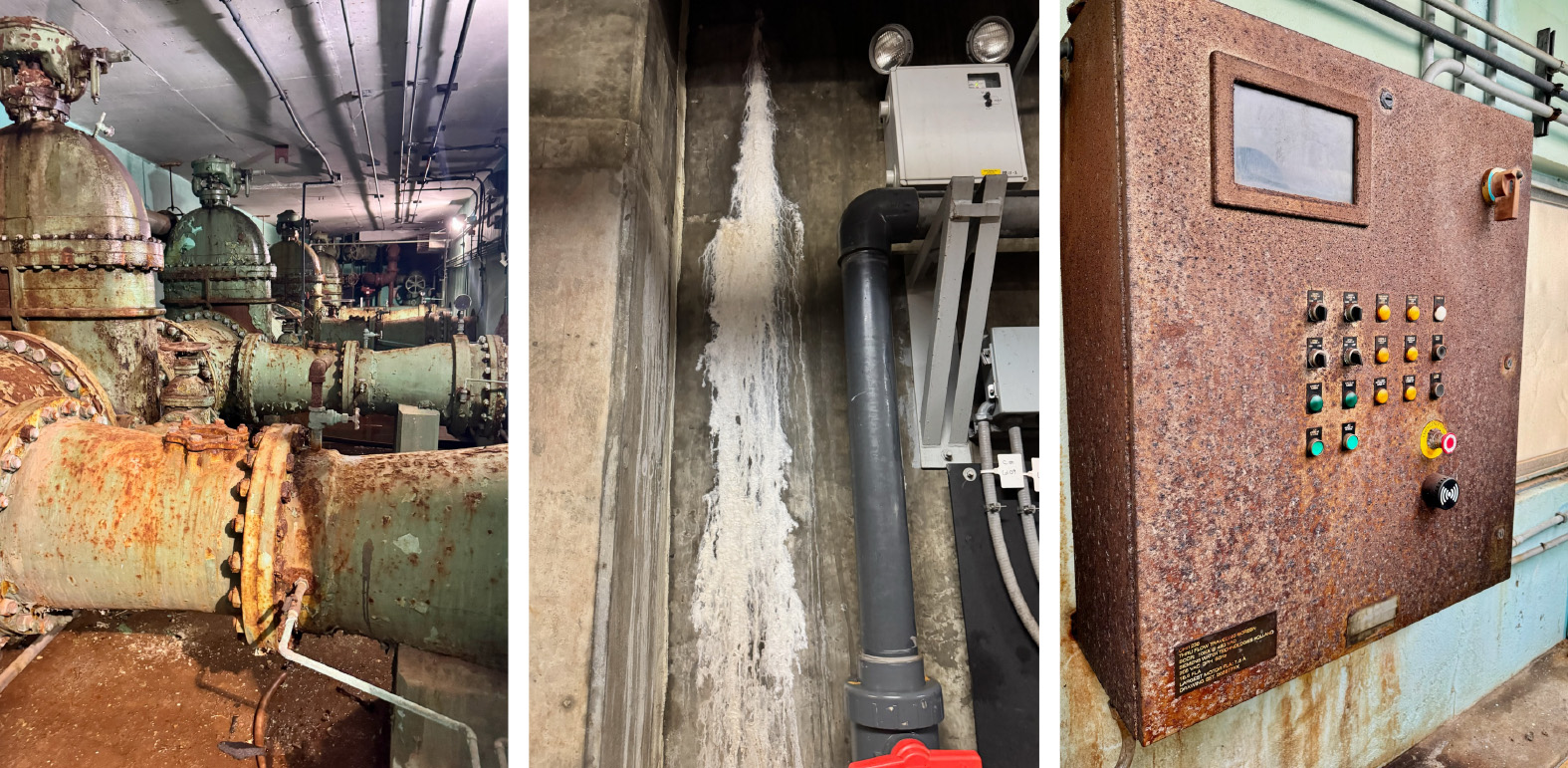
- The uncovered reservoir, failing electrical systems, and reduced filtration capacity pose ongoing health and reliability risks.
A Crisis Years in the Making, Exploding in 2025
Although NJDEP filed suit in June 2020, the most significant escalation happened this year.
Read more MercerMe coverage on Trenton Water Works here.
NJDEP’s July 29 Warning
In a sharply worded letter, Commissioner Shawn LaTourette warned TWW remained at “extremely high risk of systemic failure.” Among the issues:
- Corroded and collapsing infrastructure
- Hazardous and outdated electrical panels
- A leaking roof and broken HVAC system causing widespread deterioration
- A central pump station with no backup
- A filtration plant operating at roughly half capacity
TWW serves roughly 225,000 people across five towns, with 55% of customers outside Trenton.
Political Tensions in Trenton City Hall
Throughout the summer and fall, Trenton City Council clashed with NJDEP, questioning the regionalization process and accusing the state of “strong-arming” the city.
For months, council delayed or rejected governance resolutions, even as people spoke at Council meetings describing conditions at the plant as fragile.
By late fall, council ultimately approved two key measures:
- A Trenton Water Works Ad Hoc Oversight Committee, and
- A resolution supporting a comprehensive independent assessment
However, council rejected any language referencing a regional authority—highlighting the widening political divide at the center of the crisis.
Public Pressure and Infrastructure Failures
Residents in all five towns have expressed rising frustration.
Advocates with the Coalition for HELTHy Water have demanded fair representation.
Suburban mayors have warned of unacceptable risks.
TWW’s own supervisors have repeatedly told council that the plant has been “on the brink of catastrophic disaster.”
A Regional Future? Still Uncertain
Independent assessments commissioned by NJDEP in 2024 concluded that TWW’s governance structure is fundamentally flawed and recommended establishing an independent public authority. Trenton’s governing body remains opposed to any such model.
What happens next will depend on:
- The outcome of court-supervised discovery
- Trenton’s willingness to cooperate with DEP’s requests
- Whether the court orders enforceable corrective actions
- The future political direction of TWW governance within the region
For now, the suburban municipalities say their shared priority is ensuring safe, reliable drinking water for all 225,000 customers served by the system. Joining the lawsuit, Peters-Manning said, reflects a shift from hoping cooperation would be enough to taking a unified legal step aimed at finally bringing long-term stability to the water system.