
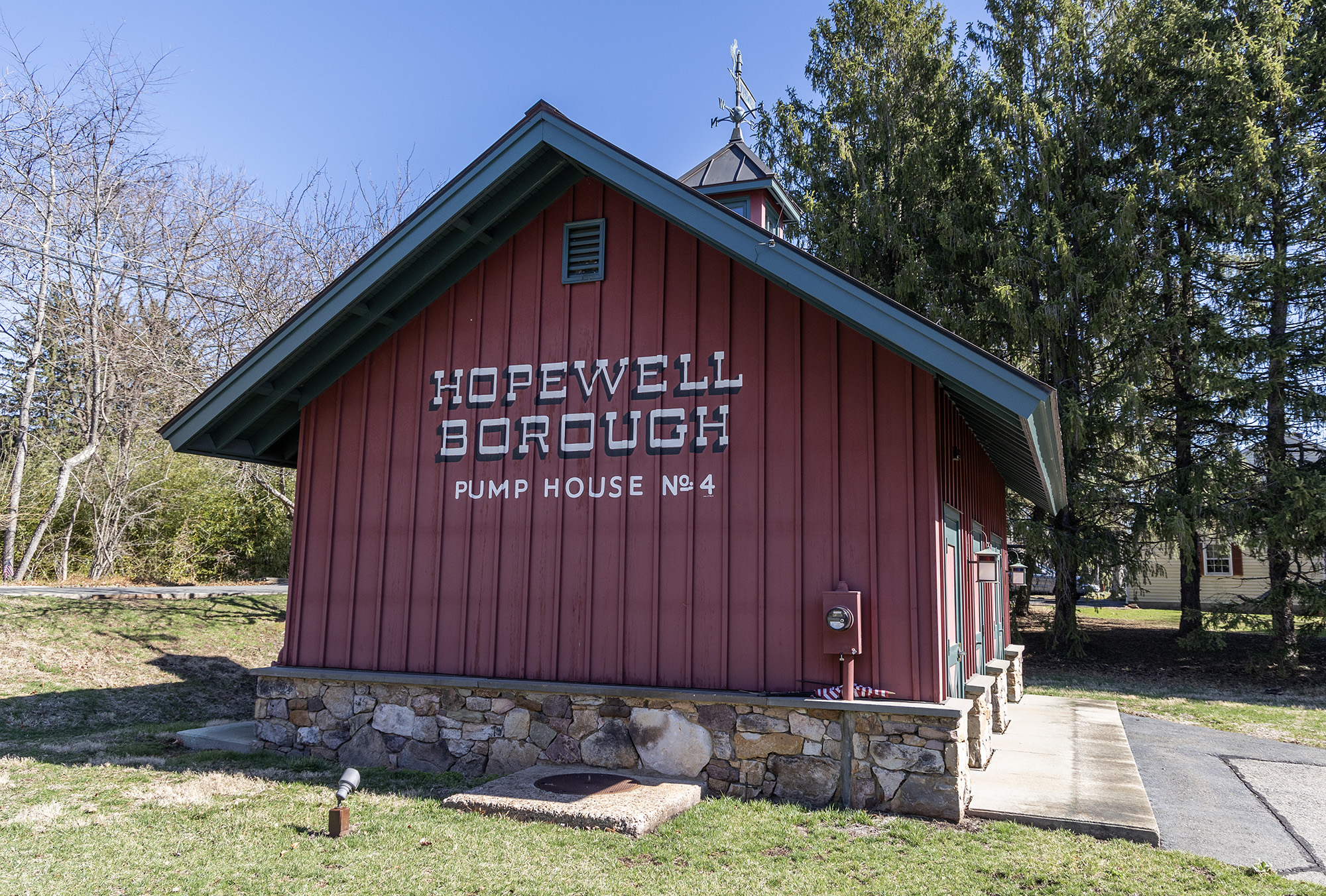
Hopewell Borough voters will head to the polls this November to decide whether the Borough should sell its water system to New Jersey American Water, after the Borough Council voted last week to place the proposed $6.4 million deal on the ballot.
The move follows years of challenges for the aging municipal water system — including contamination from PFAS, limited staffing capacity, and deferred maintenance — and months of negotiation between the Borough and the private utility.
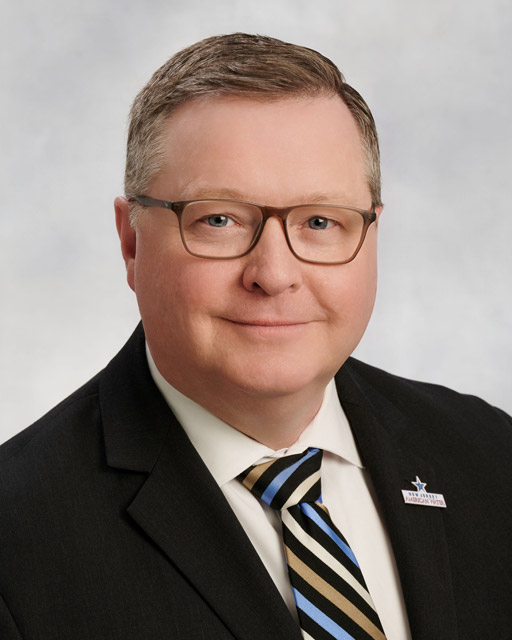
New Jersey American Water President Mark McDonough, in an interview with MercerMe, said the company is “uniquely qualified to bring some solutions to the challenges the borough faces.”
“Smaller towns like Hopewell Borough face a lot of challenges — not just from emerging contaminants like PFAS, which was a big driver on this, and lead service lines, which is a secondary driver — but also just basic recapitalization and being able to be successful in the operation of a water utility,” McDonough said.
Seamless Transition and Lower Rates
Hopewell Borough currently supplements its water supply with bulk purchases from New Jersey American Water — as much as 70% depending on local well performance — making the proposed transfer operationally seamless, according to McDonough.
“There’d probably be almost no difference in the day-to-day service,” he said. “Where they might notice a difference is the fact that we can respond and react to breaks, main breaks and other challenges much faster.”
If approved, McDonough said New Jersey American Water would invest an estimated $7 million in capital improvements over the first five years, including PFAS treatment, lead line replacement, and tank rehabilitation. He also said customer rates would decrease by an average of 36% under the sale as compared to their current rates.
Rates would then be subject to oversight by the state’s Board of Public Utilities.
“Towns can raise rates anytime they would like. We cannot,” McDonough said. “As a regulated utility, we have to file a general rate case (with the state) and use the mechanisms available if we need to increase a rate.”
Scale Brings Investment and Stability
New Jersey American Water is the largest water service provider in the state, serving approximately 2.9 million people across more than 190 communities, according to the company. It is part of American Water, the largest investor-owned water utility in North America. McDonough said the company’s scale enables it to control costs, retain talent, and maintain water quality across diverse operating environments.
McDonough emphasized the financial and technical challenges municipalities face in maintaining aging water infrastructure — and how New Jersey American Water’s size allows for greater investment and resilience.
“We invested over $1 billion into one-third of New Jersey’s water systems in the last five years,” he said. “The state received the same amount in federal funds to invest in the other two-thirds. There is just not enough resources out there for municipal systems.”
Environmental Pressures and Staffing Shortages
He pointed to environmental pressures and emerging contaminants like PFAS as factors that make regular investment essential — and increasingly difficult for small systems to manage on their own.
“Environmental and operational challenges — from extreme rainfall events to chemical contamination — require long-term planning and specialized staff,” he said. “When you get these microbursts of rainstorms, it changes the nature of how you’re going to treat that water.”
Even where towns are able to build PFAS treatment systems, McDonough said, ongoing operation and oversight require trained staff and backup capacity that many municipalities lack.
“It’s great to build a system that can remove PFAS, but that system must be run — and that operator must have the skill to operate it,” he said.
Ongoing Testing and Future Plans
New Jersey American Water has consistently met or exceeded the state’s regulatory standards for PFAS and other contaminants, McDonough said, and has already begun treating for chemicals not yet regulated, such as 1,4-dioxane.
“We’ve frankly won awards for our PFAS treatment,” he said. “We’ve always been ahead of the curve.”
The company plans to conduct a full hydraulic study of the Borough’s system, including an evaluation of the existing wells and well houses. “There’s a big cultural and historical piece to that,” McDonough said. “We’ll be judicious in how we approach whether treatment on those wells is the appropriate thing to do.”
Municipal Impact and Debt Relief
In addition to system upgrades, the $6.4 million purchase price would allow the Borough to retire all water system debt and reduce broader municipal liabilities according to the Borough Council.
“This will free up the town to be spending money, frankly, on things they should be focused on,” McDonough said.
McDonough acknowledged skepticism some residents may feel about privatizing a public utility but pointed to tight economic regulation and the company’s experience serving 190 communities in New Jersey.
“We are far more regulated than municipalities are in terms of what we do every day,” he said. “This is not just a job — it’s kind of a calling. Water is the only utility you ingest.”
Town Hall Meeting and Public Engagement
A special town hall meeting is scheduled for Thursday, July 31 at 7:00 p.m. at Borough Hall to provide additional information ahead of the Nov. 4 referendum. The event will also be broadcast via Zoom and recorded for later viewing. Topics will include infrastructure needs, rate and tax impacts, and the fiscal implications of the proposed sale. Representatives from New Jersey American Water will present and take questions from the public.
McDonough said he and his team plan to be active in community outreach leading up to the vote.
“We’ll have materials available, we’ll attend town halls, we’ll meet people at their homes, churches — wherever they are — so that we can give them the proper information they need,” he said.
If approved by voters in November, the sale would still require final regulatory approval by the New Jersey Board of Public Utilities.