

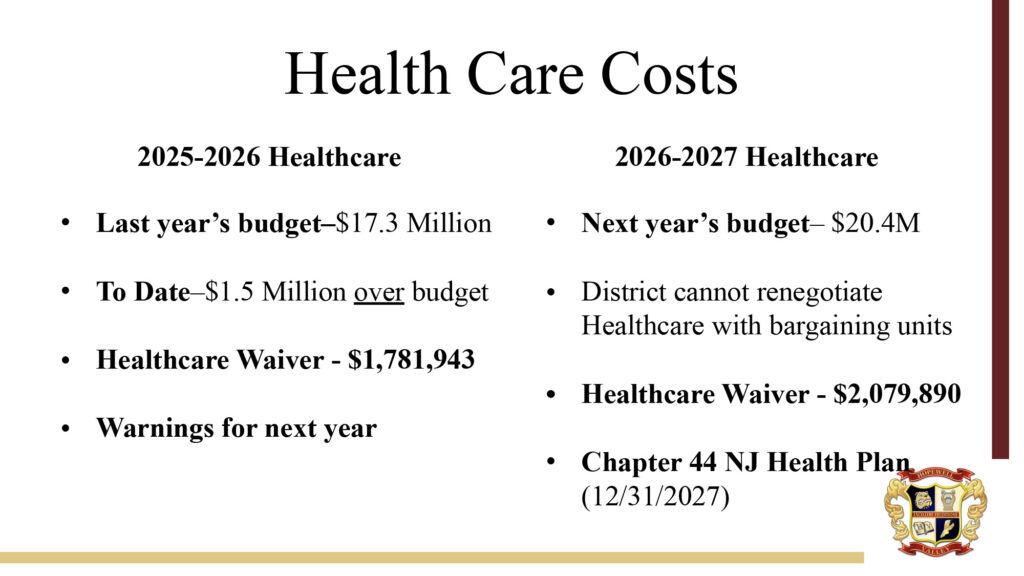
The Hopewell Valley Regional Board of Education adopted its 2026–27 school budget Monday night, navigating rising costs, ongoing enrollment pressures, and broader concerns raised by the community during a meeting that also touched on school safety, staffing changes, and district operations.
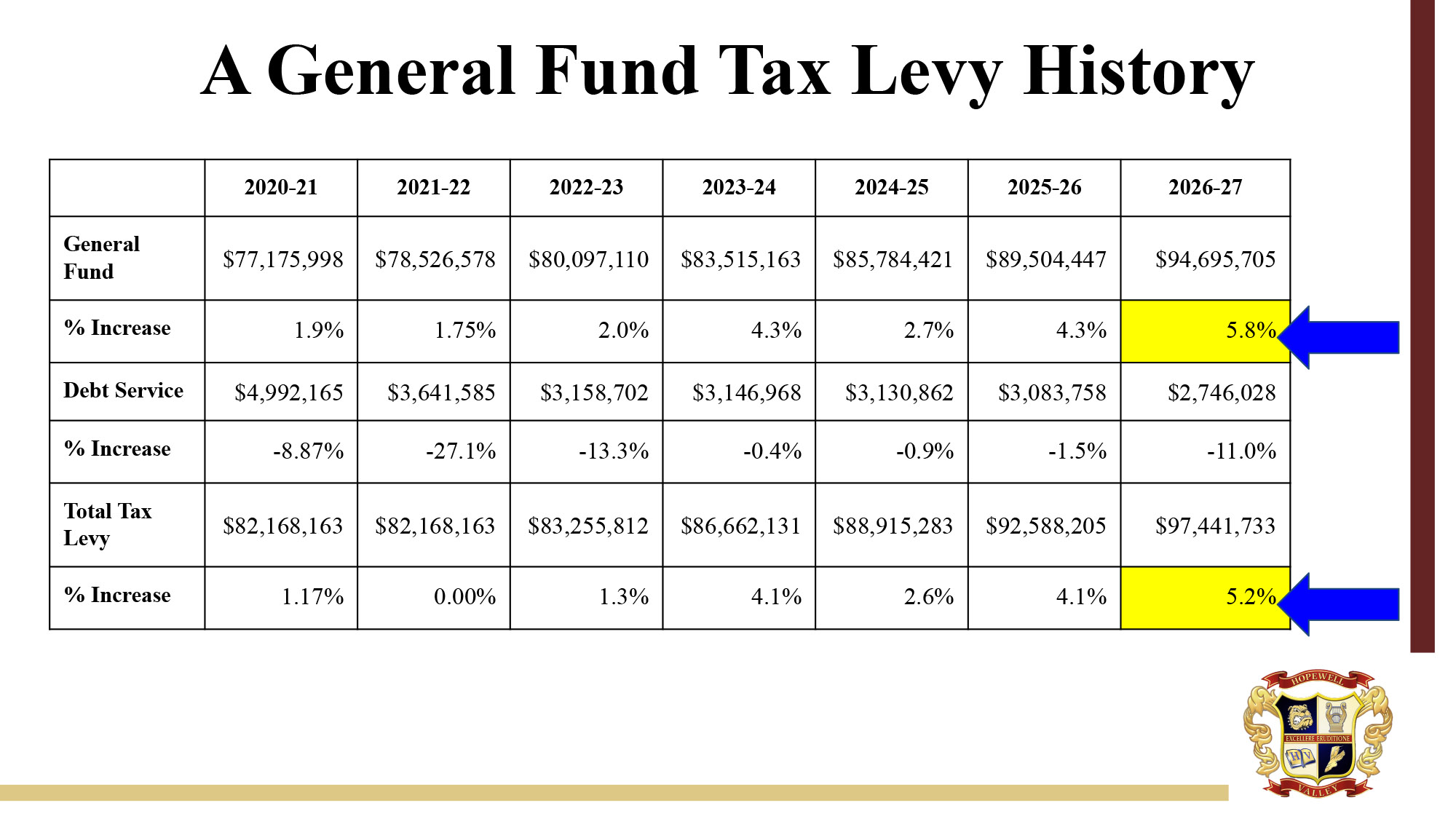
The $113.9 million budget includes a local tax levy of approximately $97.4 million and reflects what district officials described as a difficult balancing act between maintaining programs and managing escalating expenses.
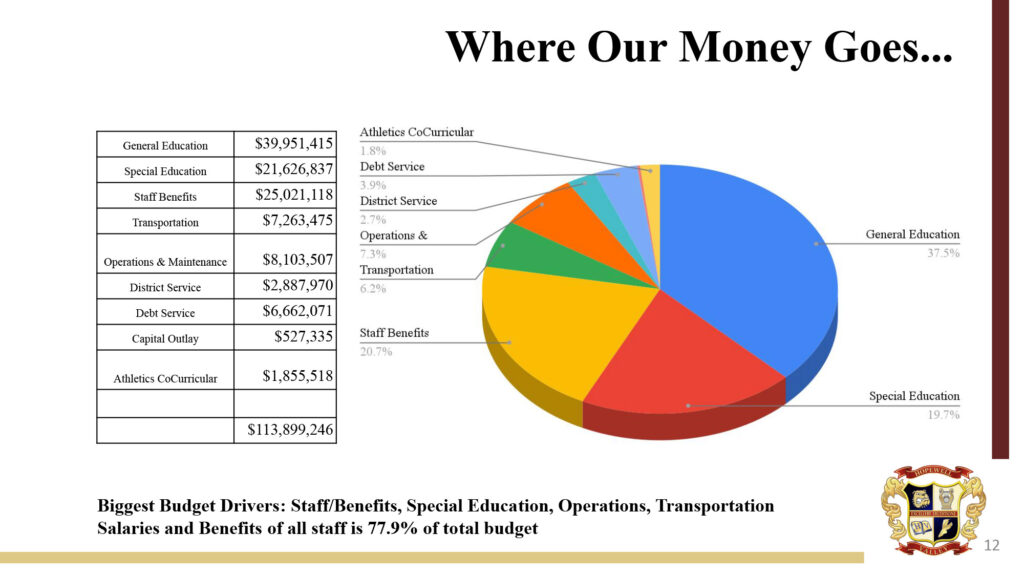
Among the key drivers are significant increases in health care costs, which are projected to rise from about $17.3 million in the current year to roughly $20.4 million in the coming budget cycle. The district is also contending with higher salary obligations, energy cost volatility, and continued enrollment growth.
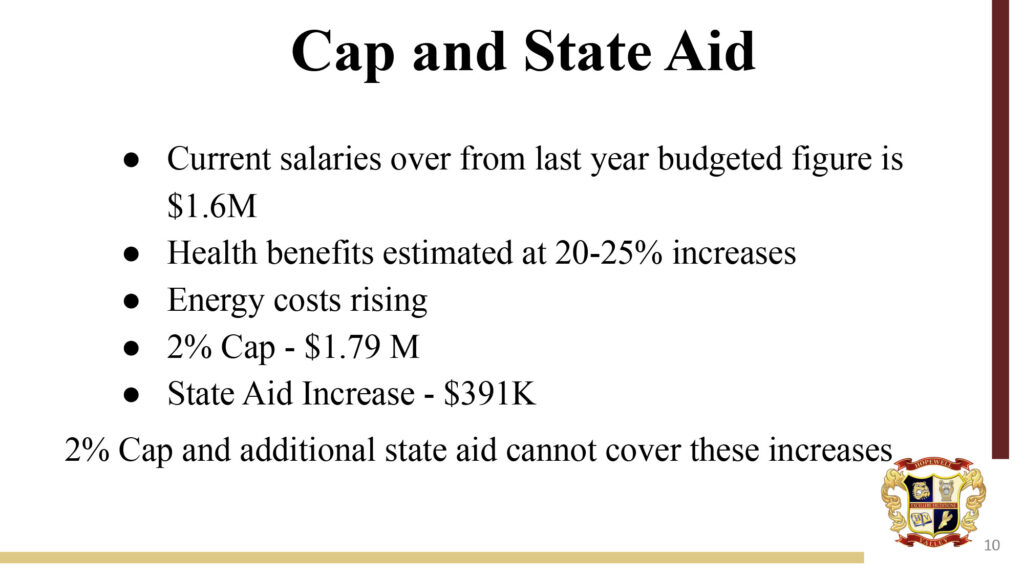
Board materials note that the state’s 2% tax levy cap and modest increases in state aid are not sufficient to offset these pressures.
To close the gap, the district incorporated a mix of tax levy adjustments tied to enrollment and health care costs, totaling more than $3.3 million.
At the same time, administrators outlined a series of reductions and cost controls, including scaling back or eliminating under-enrolled programs and clubs, reducing field trips and discretionary spending, and limiting staffing growth primarily through attrition.
Despite those measures, district leadership emphasized the goal of preserving core academic programs and student services while preparing for what they described as an “uncertain future.”
Broader pressures shape district decisions
The budget discussion is closely tied to ongoing enrollment changes across the district, driven in part by new housing development. Officials noted that planning must account not only for current student populations but also for projected growth in the coming years.
That pressure has implications beyond the budget itself, influencing decisions around staffing, transportation, and facility use.
District priorities outlined in the budget include maintaining academic rigor, meeting contractual obligations, and continuing to adjust programs and staffing levels in response to enrollment trends.
Safety concerns and communication issues addressed
Monday’s meeting also included discussion of a recent lockdown at the middle school and high school, with administrators emphasizing that such actions are taken only in response to serious concerns.
District officials said the incident remains under investigation and that, during emergencies, communication may be limited as staff focus on student and staff safety.
Administrators acknowledged issues with the district’s notification system, noting that while most email alerts were successfully delivered, text message delivery reached only about 71% of recipients. The gap was attributed in part to user settings and carrier filtering, and the district is working to improve reliability.
An in-person community forum on school safety is scheduled for May 7 at Hopewell Valley Central High School, where district officials and the police chief will answer questions. The session will not be recorded.
Redistricting conversations continue outside the board’s role
While the Board of Education does not set redistricting boundaries, the issue remained a central topic during public comment, with families and students voicing concerns about potential school changes tied to enrollment shifts.
District administrators reiterated that redistricting decisions are driven by enrollment, transportation efficiency, and financial considerations, and that additional opportunities for discussion will be provided.
A virtual redistricting forum is scheduled for May 6 and will be recorded for those unable to attend.
Staffing changes and district operations
The meeting also included recognition of a significant upcoming leadership transition, as Assistant Superintendent for Finance and Board Secretary Robert Colavita submitted his resignation after more than two decades with the district.
Colavita, who has served since 2002, was credited with helping maintain strong financial oversight and consistent audit performance during his tenure.
In committee updates, board members also discussed facility maintenance issues, technology costs, and efforts to coordinate more regularly with local municipalities as the district navigates the next several years of growth and financial pressure.
One notable concern raised during the meeting was the rising cost of technology, with officials warning that increases in hardware and infrastructure costs could become a larger factor in future budgets.
Looking ahead
With the budget now adopted, district leaders emphasized that many of the challenges discussed Monday — including enrollment growth, rising costs, and infrastructure needs — will continue to shape decisions in the years ahead.
Upcoming community forums on redistricting and school safety are expected to provide additional opportunities for residents to engage with district leadership as those conversations evolve.