
An unusually warm stretch of April weather followed by several nights of freezing temperatures has left New Jersey farmers facing what state officials describe as one of the most damaging agricultural events in decades.
Now, with losses estimated to exceed $300 million statewide, Governor Mikie Sherrill has declared a State of Emergency across all 21 counties and formally requested a federal disaster designation from the U.S. Department of Agriculture.
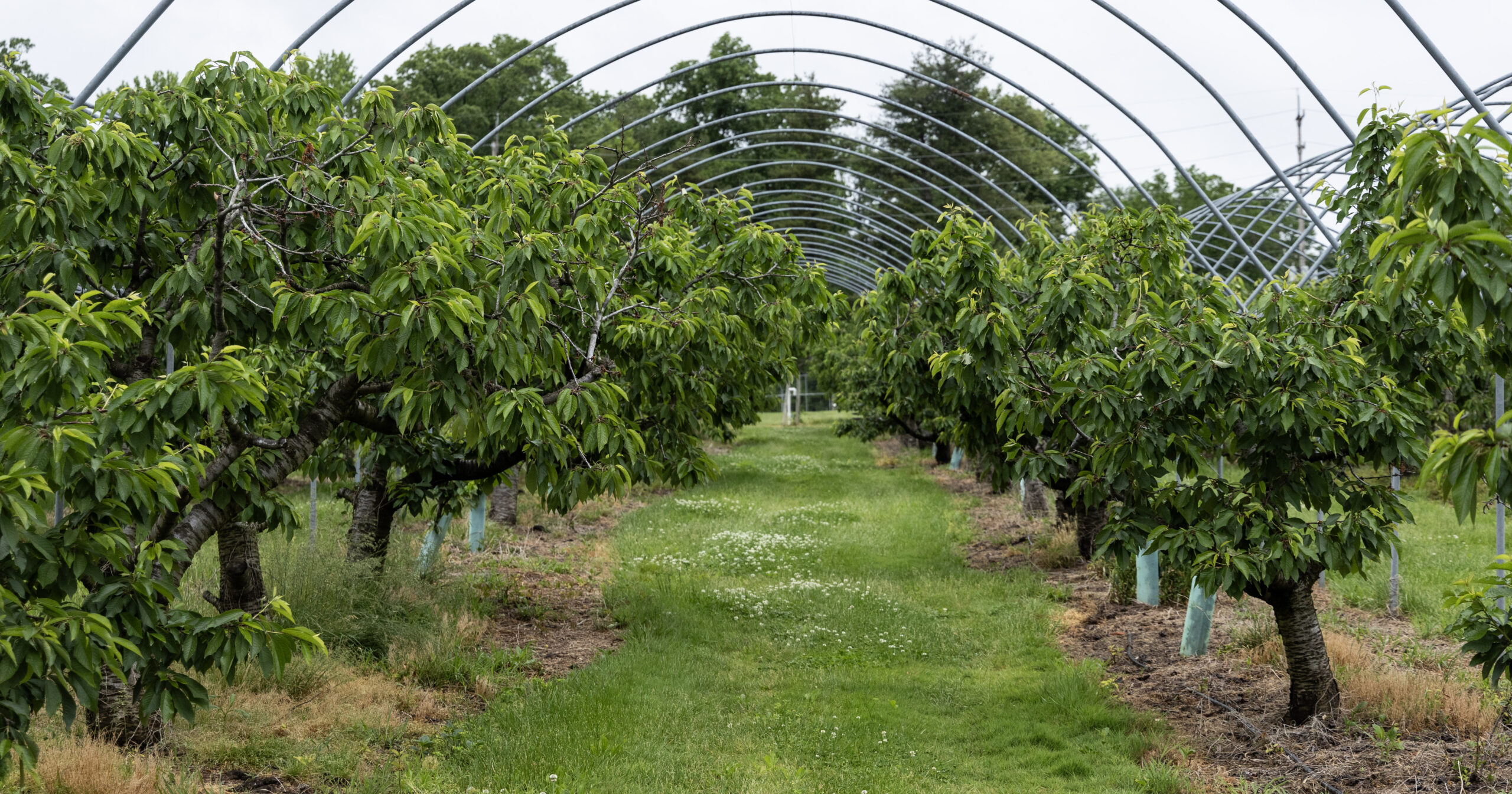
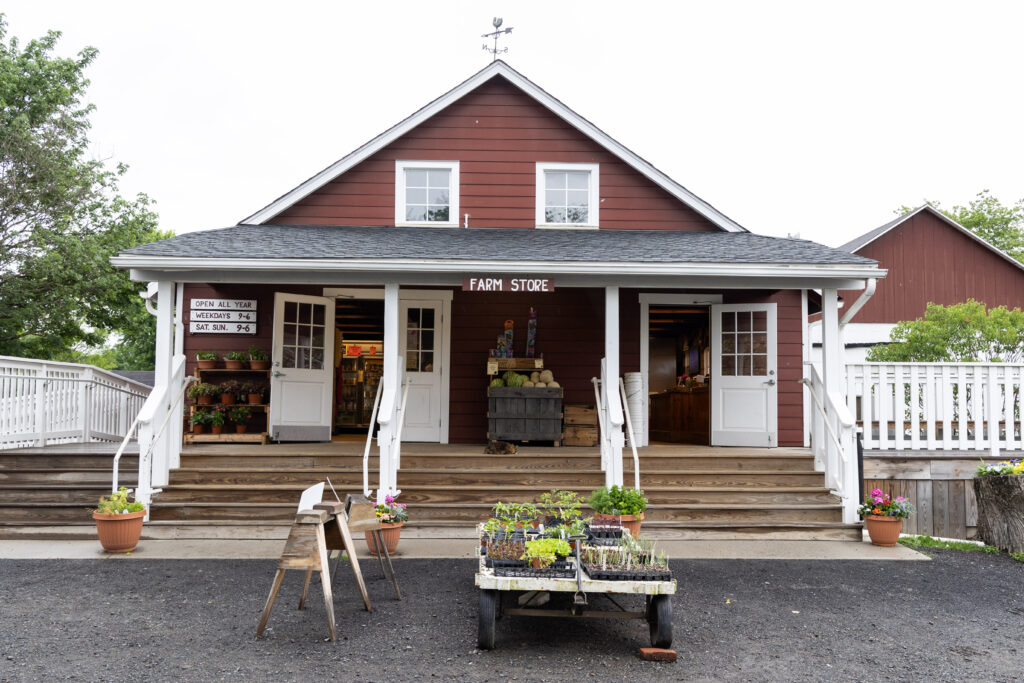
For farms like Terhune Orchards in Lawrence Township, the impact is already visible across the orchards.
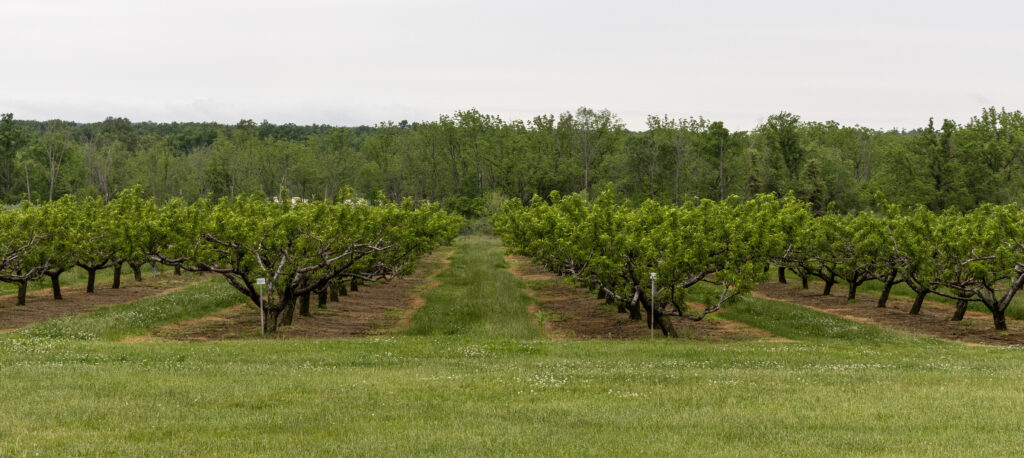
“We’ve lost our peach crop for this season as well as our cherry crop, our Asian pears, and most likely all of our apples,” said Tannwen Mount, manager of Terhune Orchards. “We’re still waiting to see if it’s maybe a 10 percent crop, but maybe not. Probably not.”
The losses followed a dramatic weather swing in mid-April. According to the Governor’s executive order, temperatures climbed above 90 degrees in parts of New Jersey, pushing fruit trees and crops into early bloom before a rapid cold snap between April 19 and April 22 sent temperatures plunging into the 20s.
The timing proved catastrophic for crops already in blossom.
“The freeze struck crops precisely at a critical developmental stage, resulting in severe injury to blossoms and newly forming fruit,” Sherrill wrote in her letter requesting federal disaster assistance.
A rare scale of damage
While New Jersey farms occasionally lose individual crops to weather events, Mount said this year’s freeze stands apart because of both its severity and its geographic reach.
“We’ve lost peaches maybe once or twice in our 50-year history,” Mount said. “But never this widespread multi-crop loss over such a large region that has been so catastrophic to so many farmers.”
State officials say the damage extends across numerous crops including peaches, apples, cherries, pears, grapes, plums, strawberries, blueberries, blackberries, and other produce. Some growers are reporting losses approaching or exceeding 90 percent.
The state’s declaration is intended to help accelerate coordination between agencies, reduce regulatory hurdles, and support applications for federal disaster relief.
“This executive order mobilizes a whole-of-government recovery effort out of Trenton, cutting through bureaucracy and accelerating results for impacted farmers and families,” Governor Sherrill said in announcing the emergency declaration.
Mount said the designation could help open pathways for disaster funding and relief for farmers throughout the region.
“I think it changes the possibility of disaster relief for our region and potentially opens up the possibility of disaster funding for farmers,” she said.
What survived — and what didn’t
Despite the scale of the losses, not everything at Terhune was destroyed.

The farm’s strawberry season is underway, and Mount said multiple strawberry varieties helped preserve much of the crop despite some damage from the freeze. Blueberries and blackberries are also expected to survive in reduced quantities, and recent assessments suggest at least part of the vineyard grape crop may still produce this season.
“We thought we had lost those, but it looks like we’re going to have some pull through,” Mount said of the wine grapes. “Not every variety, but I think we’ll have some of the varieties have a successful season.”
The freeze damaged this year’s fruit, not the orchards themselves.
“What we lost was this year’s fruit because it was already in blossom or already in bud,” Mount explained. “But it did not damage the trees themselves.”
That distinction matters for long-term recovery. While this year’s harvest may be devastated, the orchards themselves remain alive and capable of producing future crops.
“We’ll care for the trees so that they can have a good harvest next year and in the future,” Mount said.
Pivoting the season
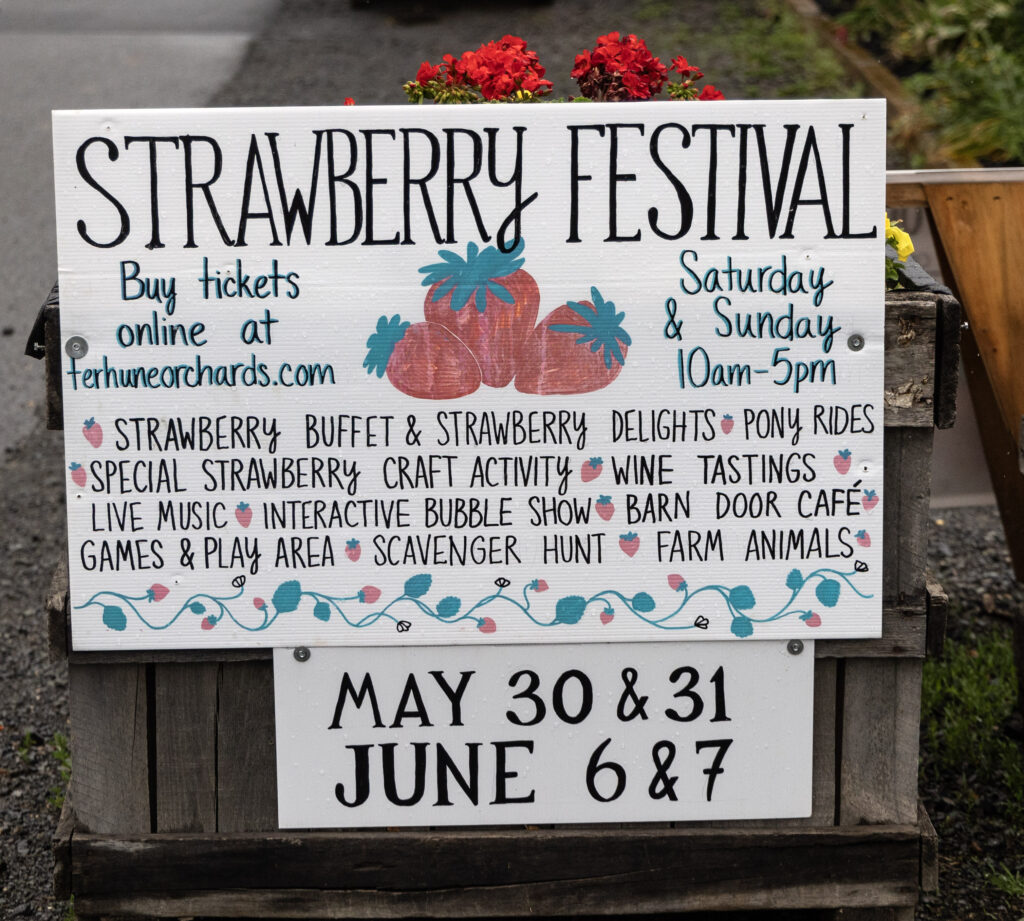
With peaches and likely apples largely off the table this year, Terhune is reshaping parts of its agritourism season around crops that survived and new experiences for visitors.
“We don’t do doom and gloom,” Mount said. “We’re going to pivot and see what we can do.”
The farm plans to expand its pick-your-own offerings beyond fruit this year, adding vegetables including corn, potatoes, tomatoes, and peppers. Terhune is also planting a larger sunflower patch and continuing with festivals, winery events, and live music programming throughout the season.
“We grow over 60 different crops,” Mount said. “This is one of the reasons why we are a diverse farm.”
The farm is also introducing new events including a flower festival and a summer festival featuring animal shows and family activities.
“You know, this year more than ever, it’s a time to support local,” Mount said.
The ripple effects beyond the orchard
The losses affect more than just fresh fruit sales.
Without a significant apple crop this fall, farms across the region may also struggle with cider production and other seasonal staples tied to harvest season.
Terhune may ultimately supplement its cider production with apples sourced from upstate New York.
“Cider this fall might not be made from 100 percent Terhune apples,” Mount said. “It might be a combination of Terhune apples and apples from upstate New York because there is not going to be many apples in this region.”
Still, she promised visitors that familiar traditions will remain.
“You’ll be able to get your cider slush and your apple cider donuts,” Mount said with a laugh. “Not to worry.”
State officials say the impacts extend far beyond farms themselves.
The executive order notes that New Jersey agriculture generates more than $1.5 billion annually in wholesale value and supports tens of thousands of jobs statewide. Officials warned the losses could ripple through agritourism businesses, retailers, suppliers, and local economies throughout the Garden State.
For now, farms are continuing to plant, prepare, and adapt — even while facing one of the most difficult growing seasons in recent memory.
“As farmers, unfortunately the weather gets more challenging every year,” Mount said. “It’s about pivoting and seeing how we can still make a go of it in these challenging times.”