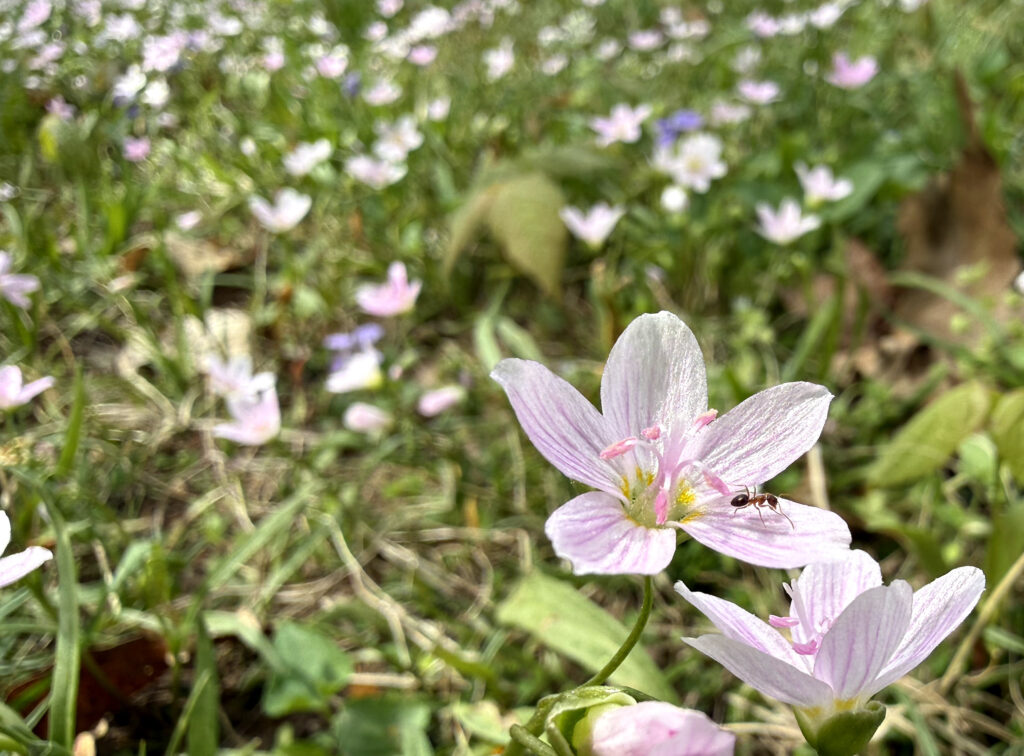

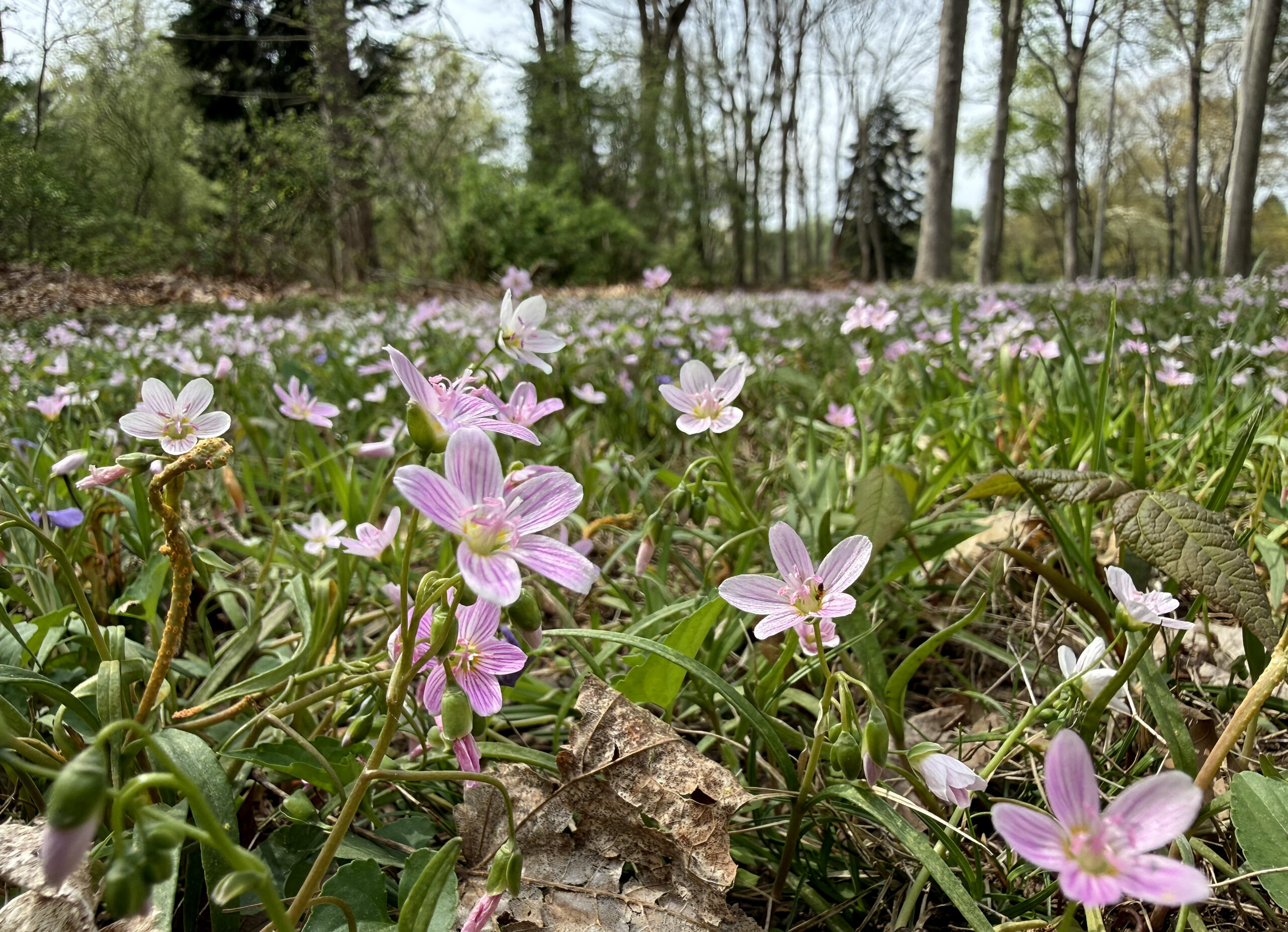
If you’ve been outside this week — whether walking a trail, driving along a back road, or even just stepping into your yard — you may have noticed something small, easy to overlook, and already beginning to fade.
Spring ephemerals are here.
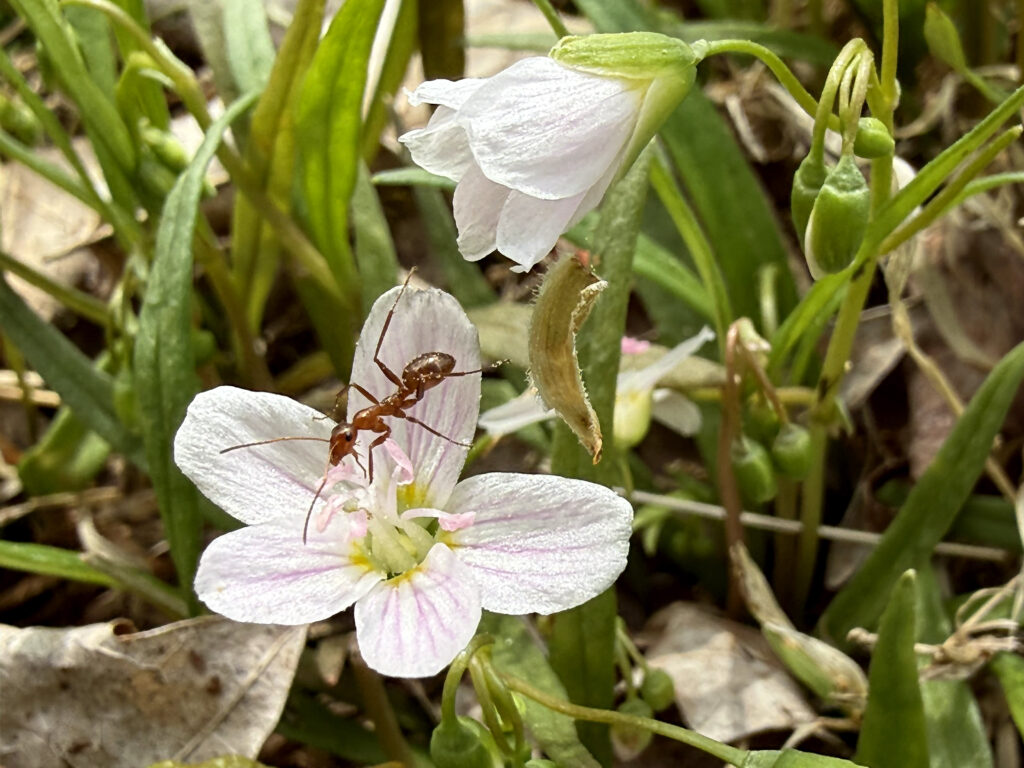
After a stretch of unusually warm April weather, many of these early-season wildflowers have emerged quickly across Hopewell Valley — carpeting forest floors, dotting roadsides, and quietly signaling that spring is not just coming, but already underway.
But like their name suggests, they won’t last long.
“These tiny, delicate — but tough as a pirate — flowers show up in our winter woods,” said Jenn Rogers, executive director of Friends of Hopewell Valley Open Space. “And they’re part of one of the biggest pleasures of spring.”
A race against the trees
Spring ephemerals follow a different calendar than most plants.
They emerge, bloom, and begin to fade in a narrow window before the forest canopy fills in — taking advantage of sunlight that reaches the ground only briefly each year.
Within just a few weeks, many will be gone.
“They keep their above-ground life cycle pretty darn short,” Rogers said. “By the time trees leaf out, many are already finishing up.”
That rapid timeline has been accelerated this year by warm temperatures, pushing blooms like spring beauty, bloodroot, and others into early and sometimes overlapping cycles.
Not weeds — and not random
Some of what’s popping up now may look like weeds. They’re not.
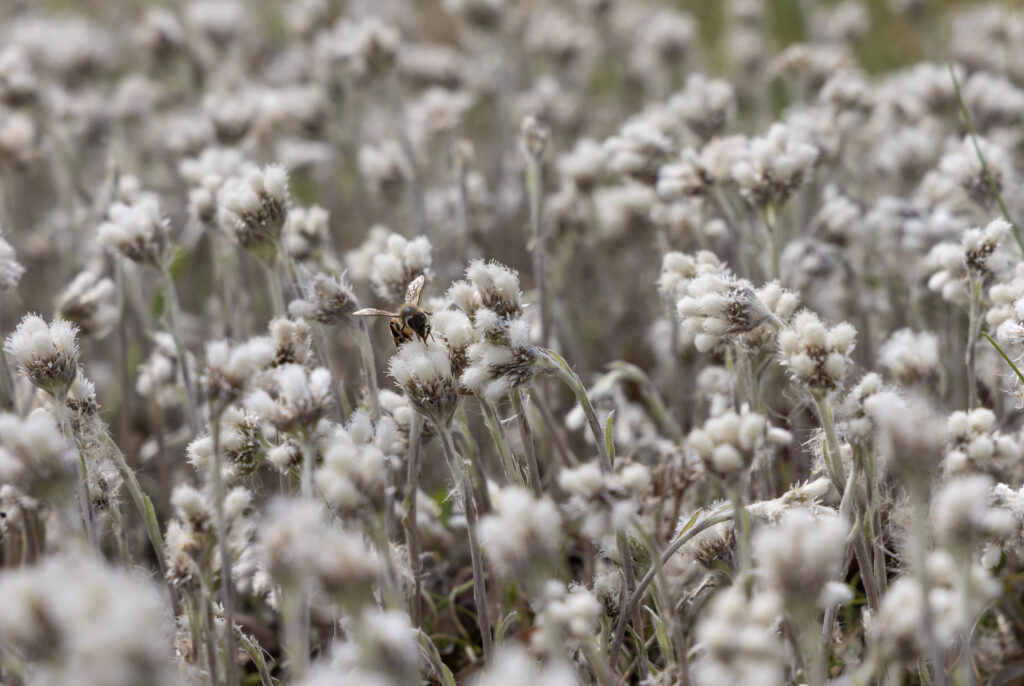
And many aren’t even commonly found in lawns at all.
“We don’t see a lot of spring ephemerals in people’s yards,” Rogers said, noting they tend to grow in undisturbed soils and older forests.
Instead, they’re often found in pockets — along trails, in preserved land, or in places that have quietly avoided years of mowing, chemicals, and disturbance.
That’s part of what makes them special.
“These are species that have a very specific recipe card for their habitat,” Rogers said.
A hidden ecosystem at ground level
What looks like a simple patch of small flowers is actually a burst of ecological activity.
These plants provide some of the first food sources of the year for native insects — including tiny bees, flies, and even ants.
“If we take a close look, there are tiny native bees, and even these fuzzy flies called bee flies,” Rogers said. “They’re like the teddy bear of the insect world.”
Some relationships are highly specific — certain flowers relying on particular pollinators that are active only during this short window.
Others, like Spring Beauty, depend on ants to help disperse seeds, quietly continuing the cycle underground long after the flowers disappear.
Built for a brief moment
To survive early spring’s unpredictable conditions — warm days, cold nights, even frost — these plants have adapted in remarkable ways.
Many stay low to the ground where temperatures are more stable. Some protect developing flowers with their leaves. Others open and close depending on temperature, waiting for pollinators to be active.
“They’ve created a bunch of different behaviors so they can thrive in a season that we think is not ideal for plants,” Rogers said.
A reason to slow down
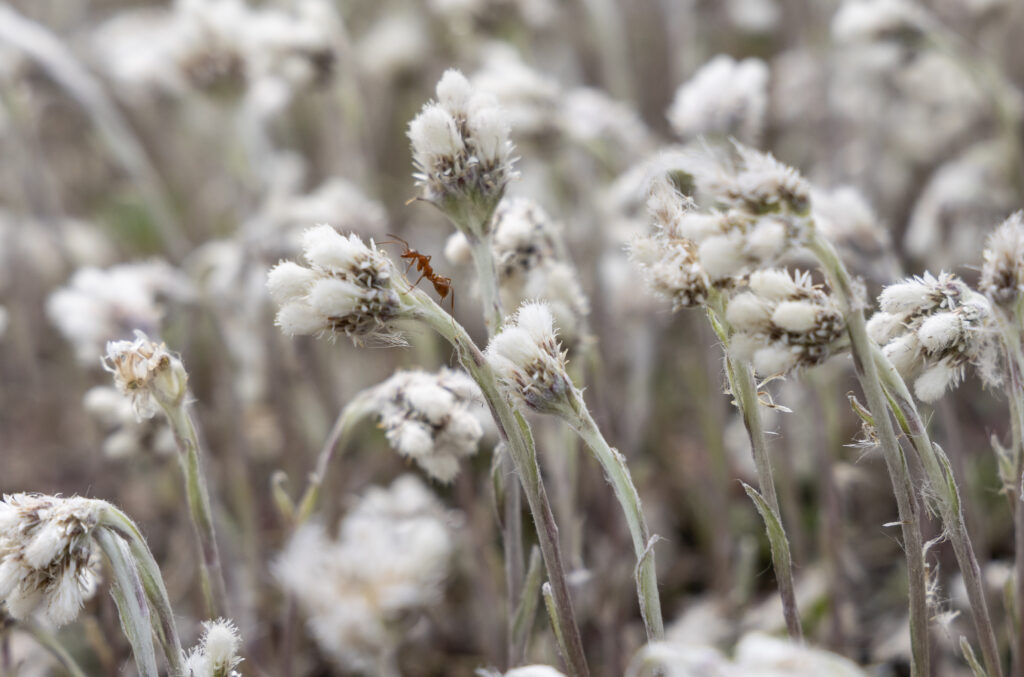
Part of what makes spring ephemerals easy to miss is their scale — and our pace.
They don’t demand attention. You have to look for them.
Rogers compares the experience to a kind of seasonal ritual — one that only exists for a short time each year.
“Nature has this built-in rhythm where you have to go see it when it’s happening,” she said. “You can’t just access it whenever you want.”
That fleeting nature is part of the appeal.
“If we want to experience this, we have to be intentional,” she said.
Coming up this weekend and next week FoHVOS has a couple of events that will help you learn more about these species and ways you can encourage them to grow on your property. On Saturday there is the first Community Conservation Conference. Registration remains open and the keynote speaker is Doug Tallamy who has written numerous books about how changes we make on our own properties can influence nature in good ways. And there is an Earth Day spring ephemeral hike at Baldpate Mountain. The leisurely hike will help you learn what ephemerals can be found in our woods.
A small signal of what’s coming
Even as they fade, spring ephemerals are doing important work — helping kickstart the broader ecosystem that will define the months ahead.
They feed early pollinators. They contribute to biodiversity. And they mark a turning point in the seasonal cycle.
They also offer something simpler.
“In opening ourselves up to nature,” Rogers said, “we get to experience small joys throughout the year.”
For now, that means taking a moment — on a walk, along a roadside, or in a quiet patch of woods — and looking down.
Because in a week or two, much of this will be gone.