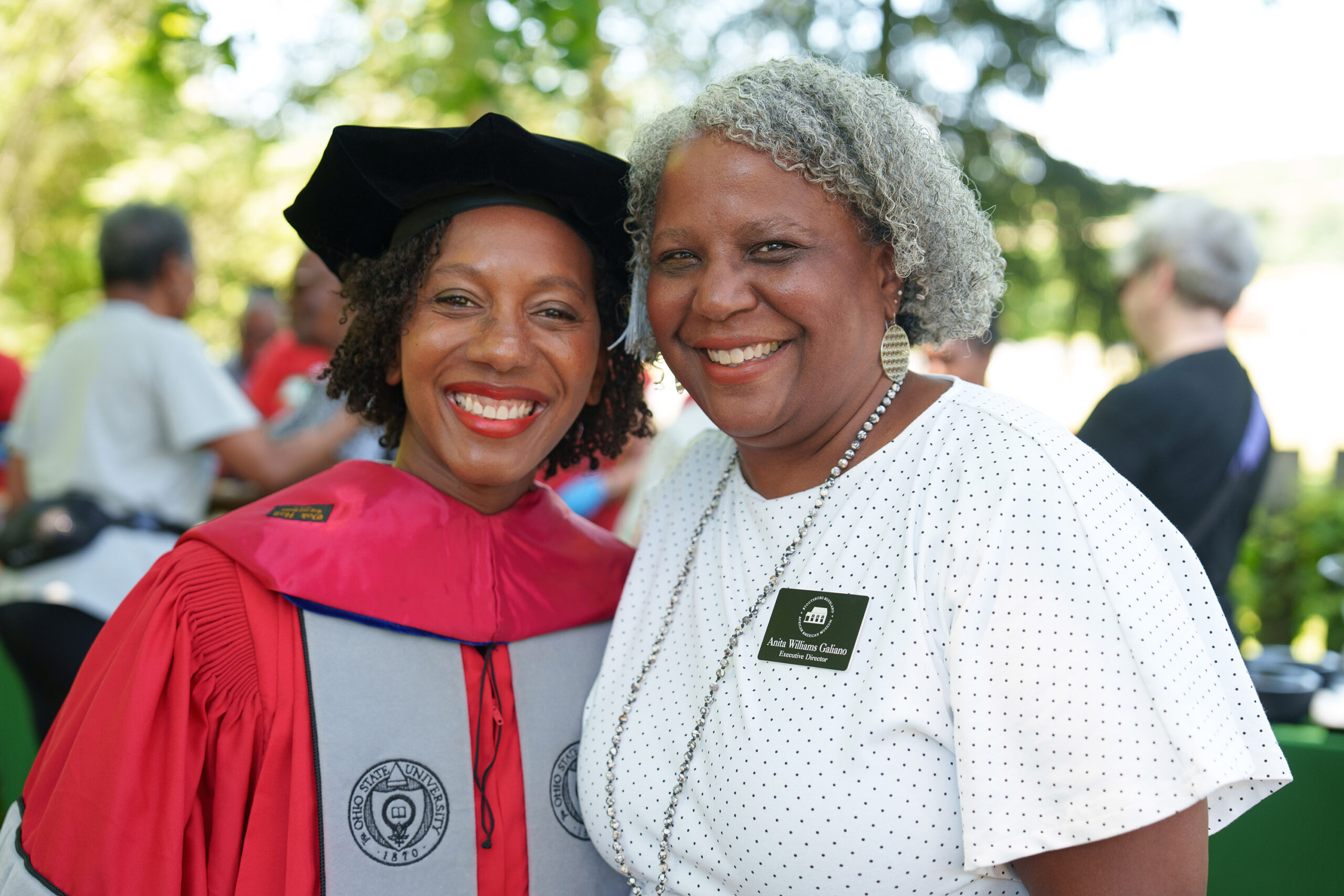

The last thing served at the Stoutsburg Sourland African American Museum’s Juneteenth celebration was a slice of red cake.
For many visitors, it was simply dessert. But like much of the food shared during the annual celebration, the cake carried a deeper story.
Food has long been an important part of Juneteenth celebrations. The holiday commemorates June 19, 1865, when enslaved people in Texas learned they were free — more than two years after the Emancipation Proclamation had been issued. Over generations, communities marked the occasion with gatherings centered around family, fellowship and food.
One enduring Juneteenth tradition is the prominence of red foods and drinks, which remain a staple of celebrations across the country. Historians have connected the color red to remembrance, resilience and freedom, while also tracing its roots to cultural traditions brought from West Africa.
At SSAAM’s celebration in Skillman, that tradition continued with slices of red cake shared alongside a meal that reflected both history and community.
But the food served at Juneteenth is about more than recipes. It tells stories about family, resourcefulness and the ways traditions are passed from one generation to the next.
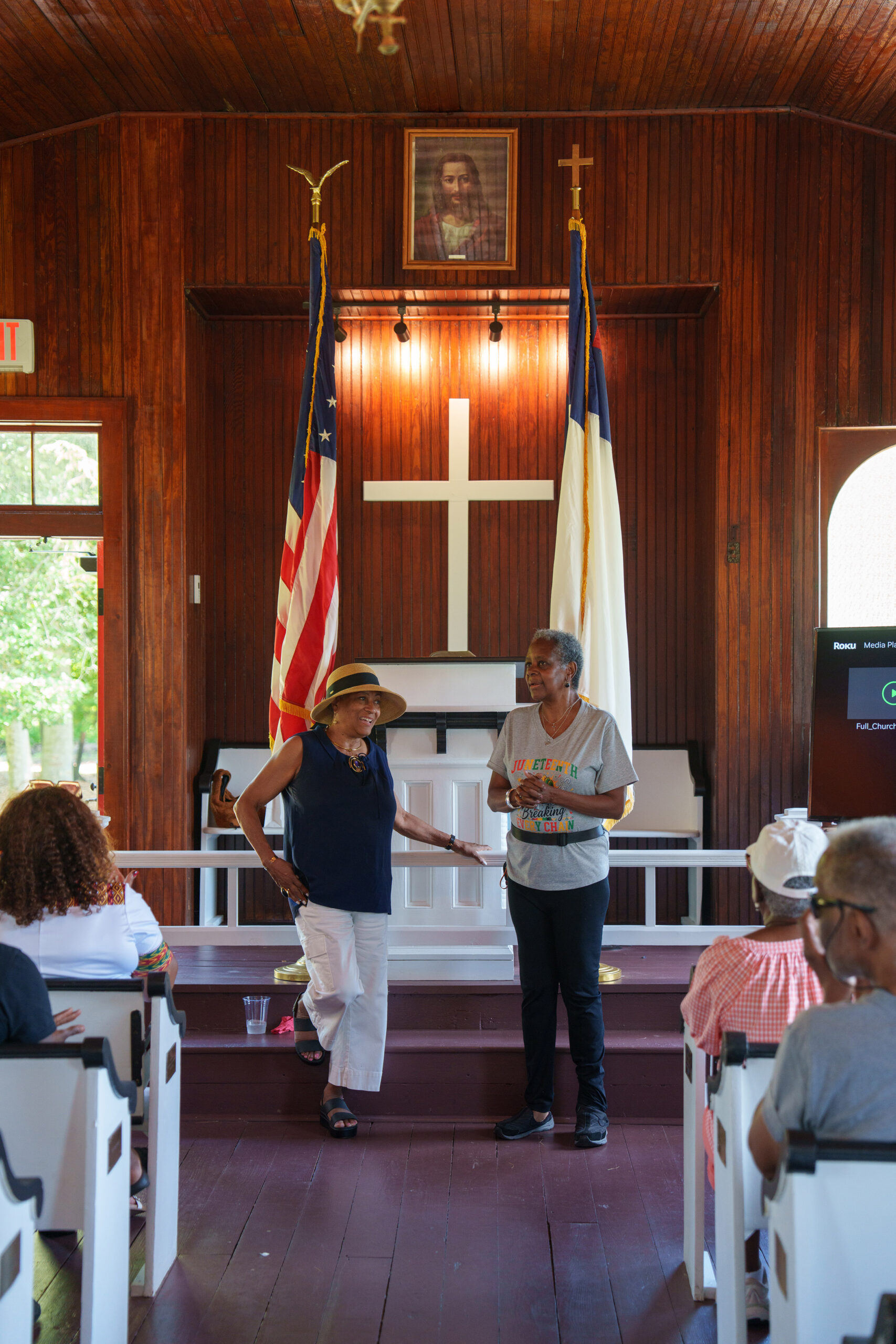
Beverly Mills, one of SSAAM’s founders, spoke about how food connected families and communities when she was growing up. Certain people became known for the dishes they brought to gatherings — one person for cakes, another for pies, another for a favorite side dish. Recipes were often learned through observation and practice rather than carefully written measurements.
SSAAM co-founder Elaine Buck shared similar memories. As a child, she accompanied her grandmother into the Sourlands to gather what they called “creasy greens.” The greens were cooked in much the same way as collards, connecting family traditions to the landscape around them.
Those stories echoed a larger theme present throughout the day: making use of what was available and finding ways to create something meaningful from it.
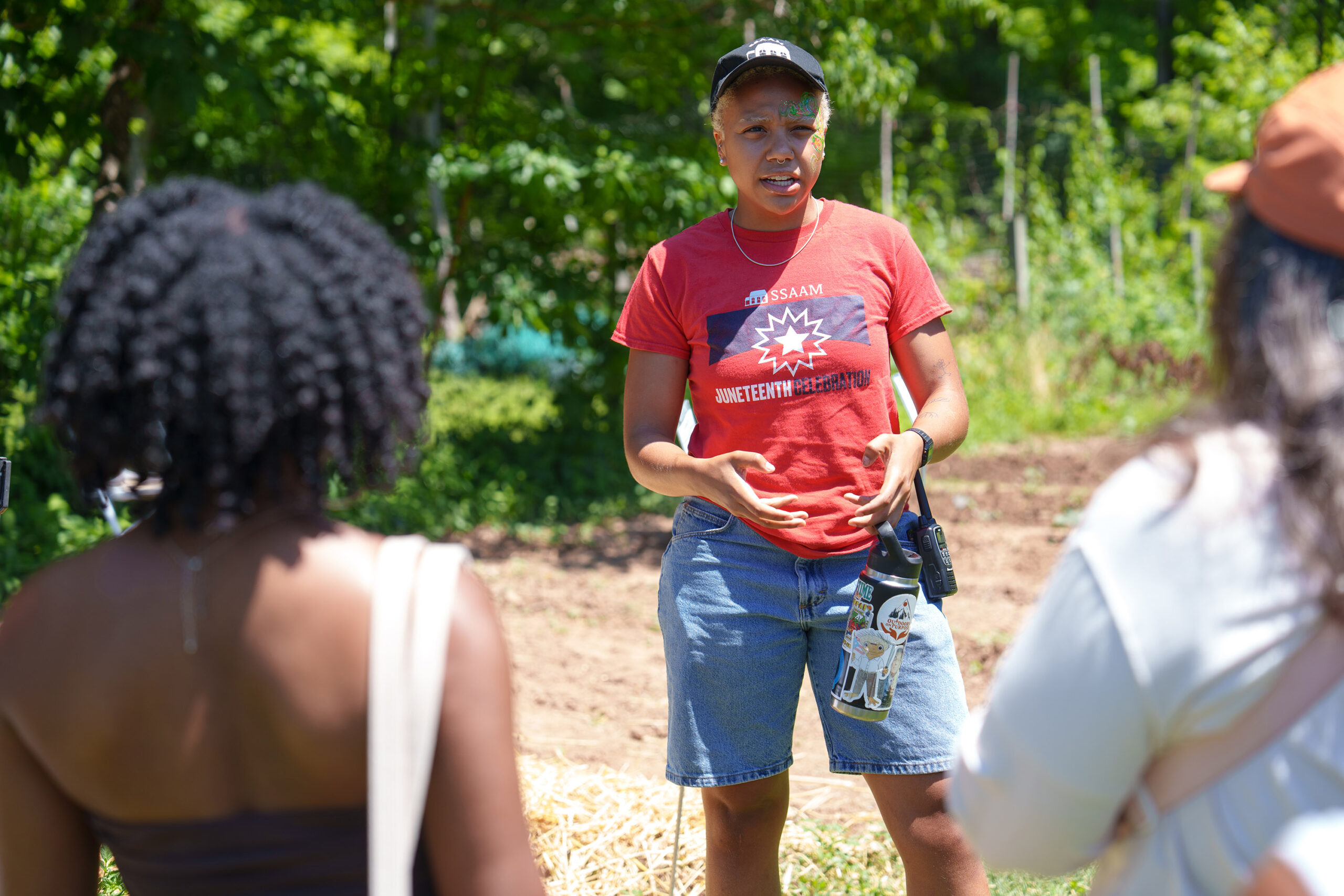
That connection between food, land and heritage remains visible at SSAAM’s Heritage Garden, where visitors can learn about crops and plants that played important roles in African American history.
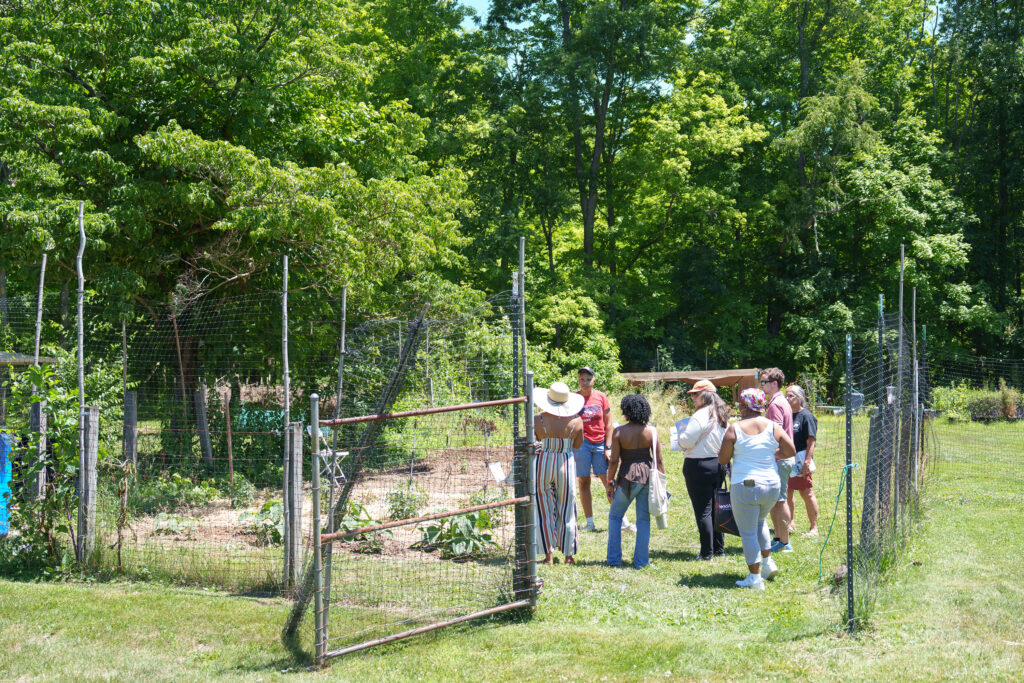
Vi, who works with the Heritage Garden, described the experience as a way of connecting with family history and preserving traditions that might otherwise be forgotten. Growing plants associated with difficult chapters of history can be challenging, they said, but preserving those stories is an important part of understanding the past.
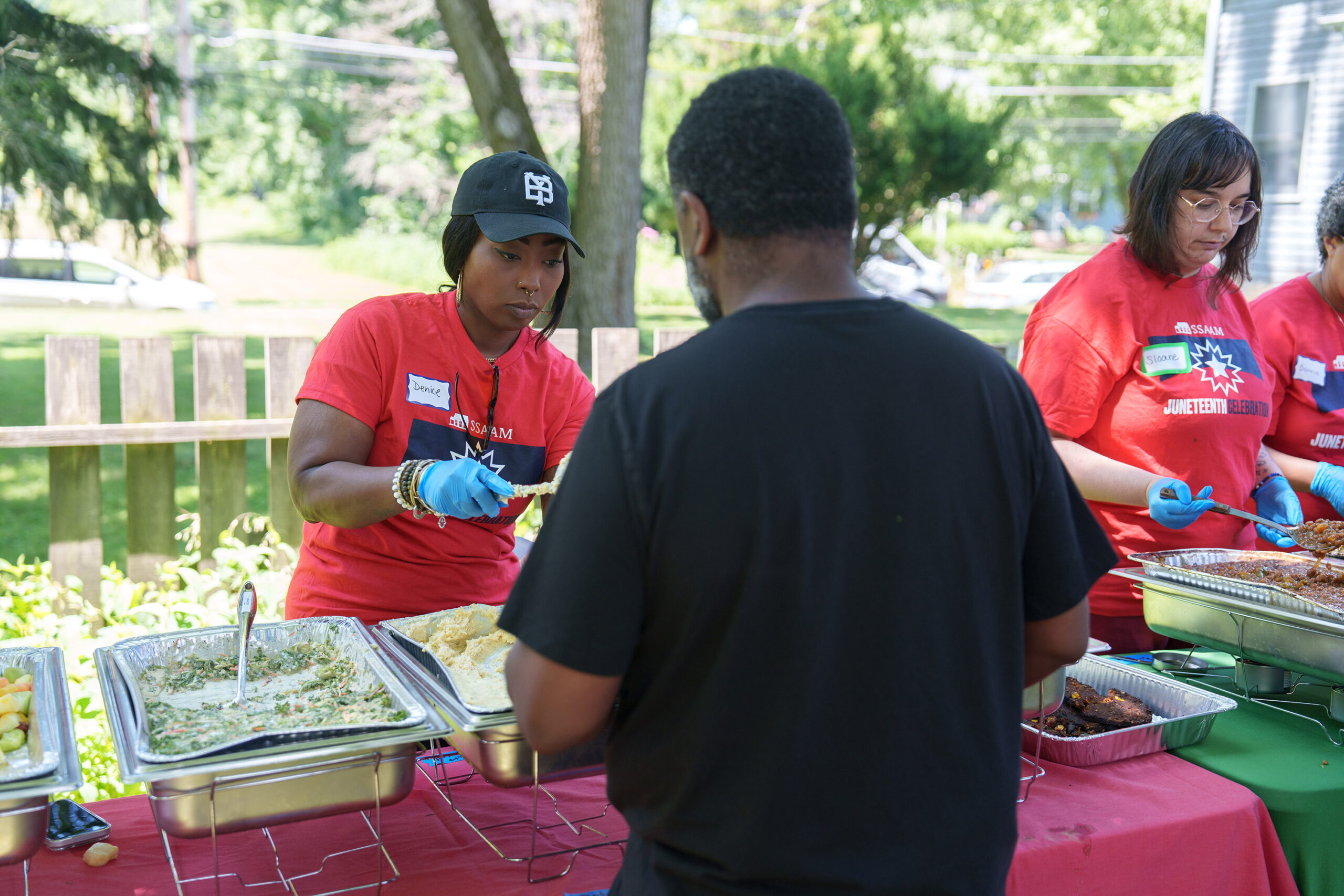
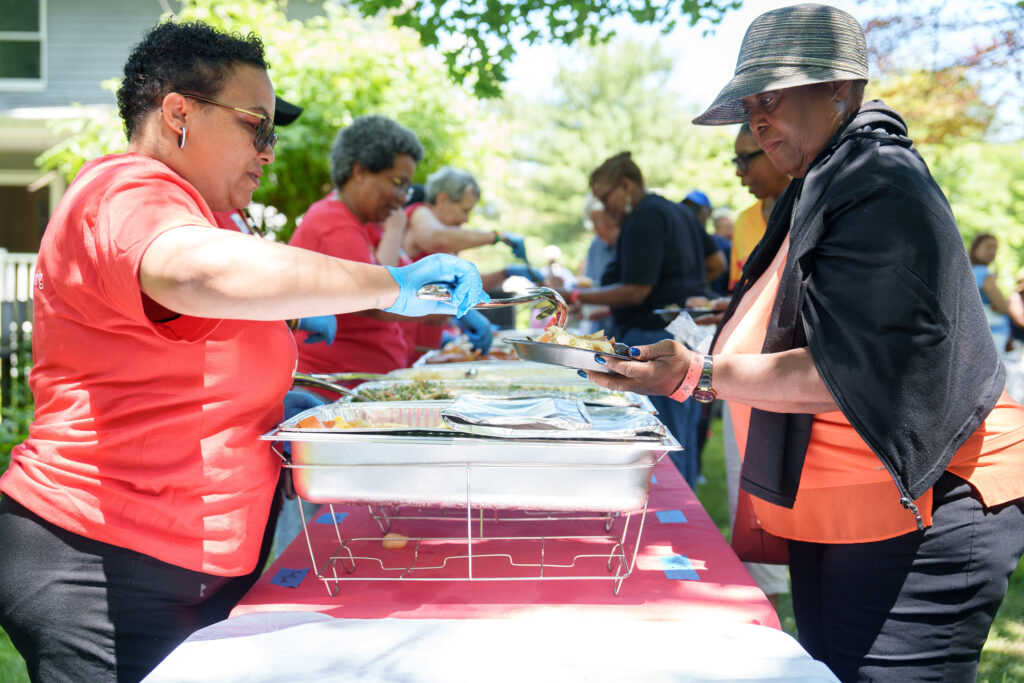
The relationship between food and history was visible throughout the Juneteenth celebration. Visitors shared a meal that included collard greens, beans, cornbread, potato salad and barbecue, while also enjoying newer additions that reflected the diversity of today’s communities. Vegan options sat alongside traditional dishes, illustrating how cultural traditions continue to evolve while maintaining connections to their roots.
That balance between honoring the past and celebrating the present is part of what makes Juneteenth unique.
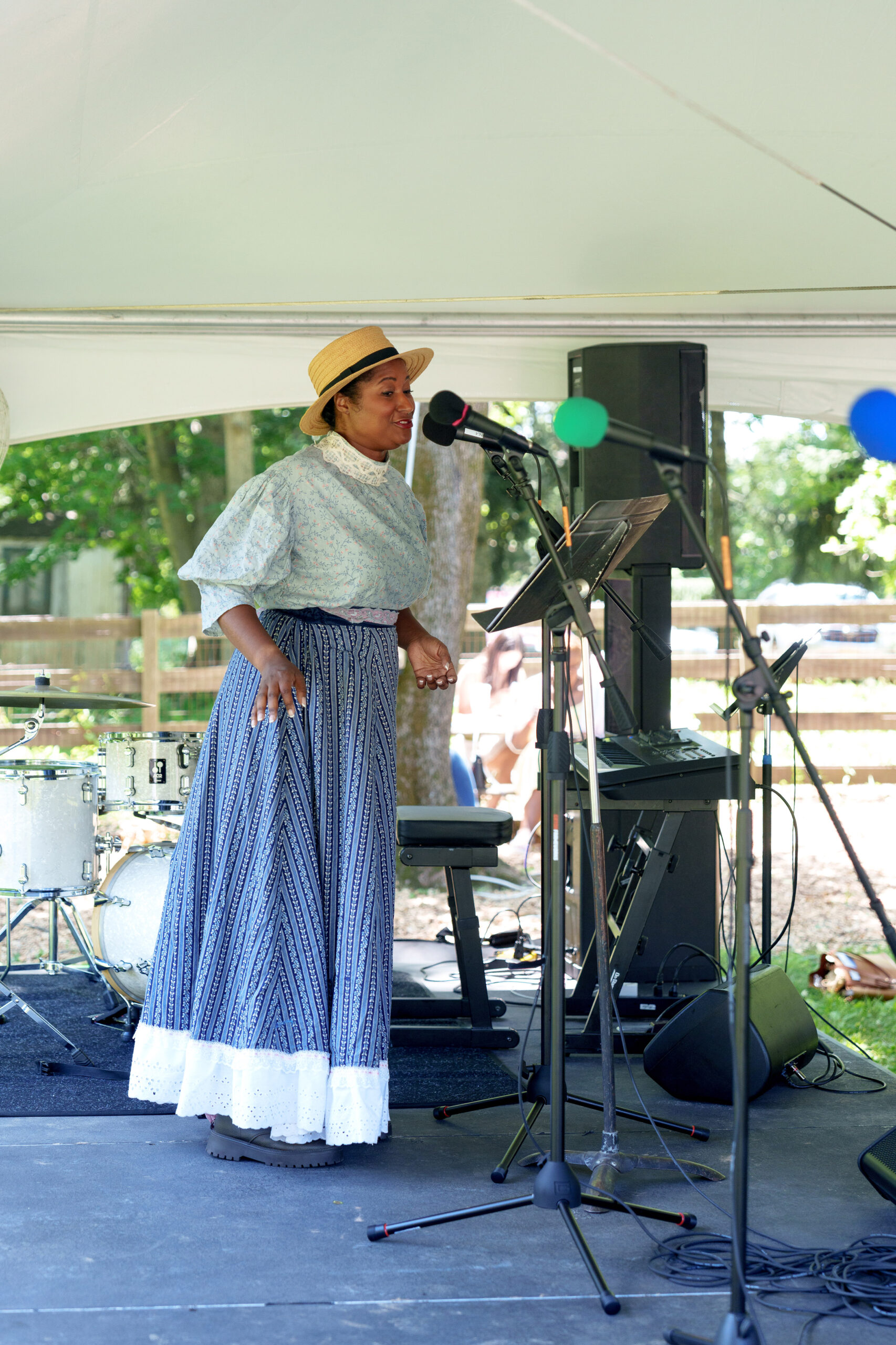
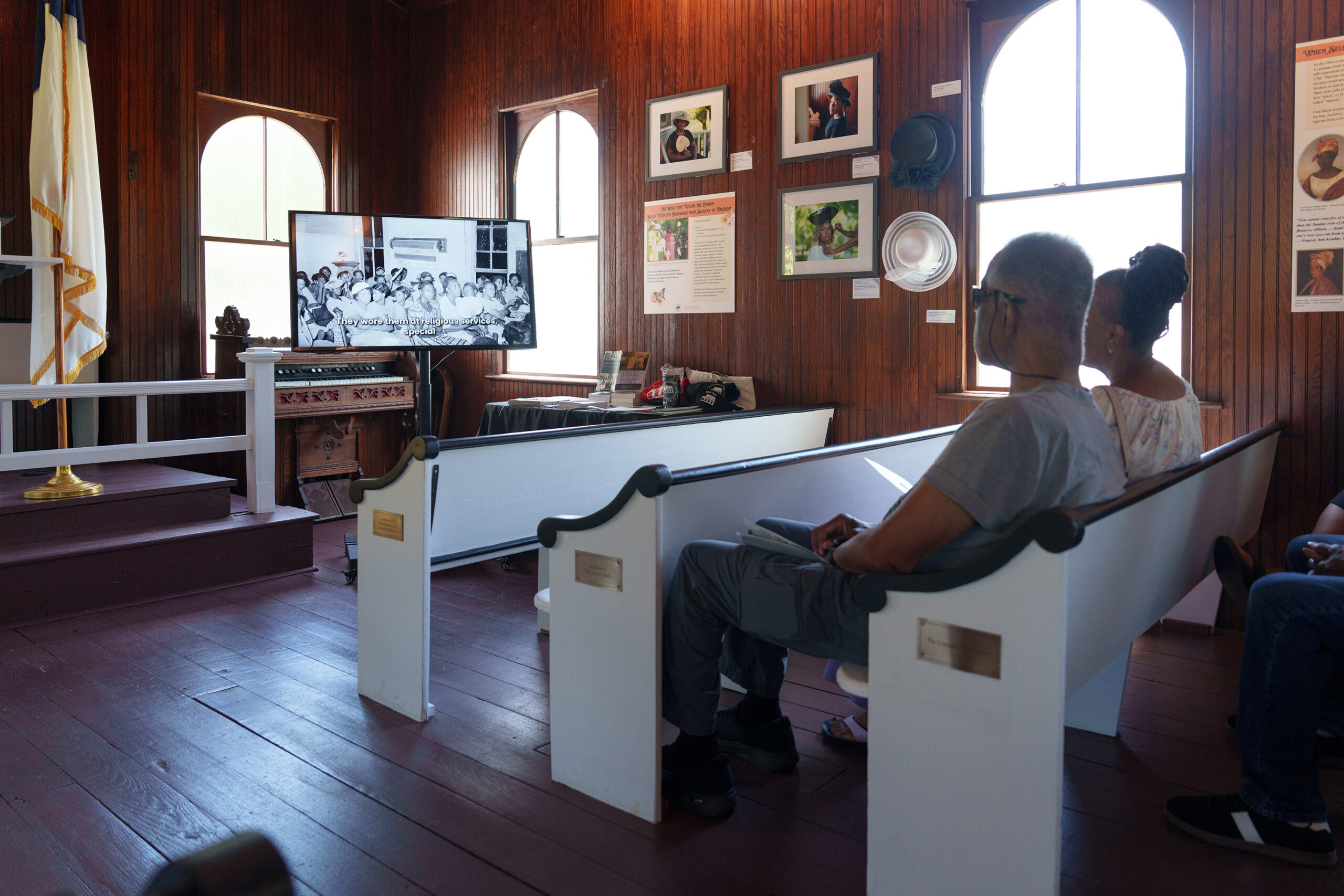
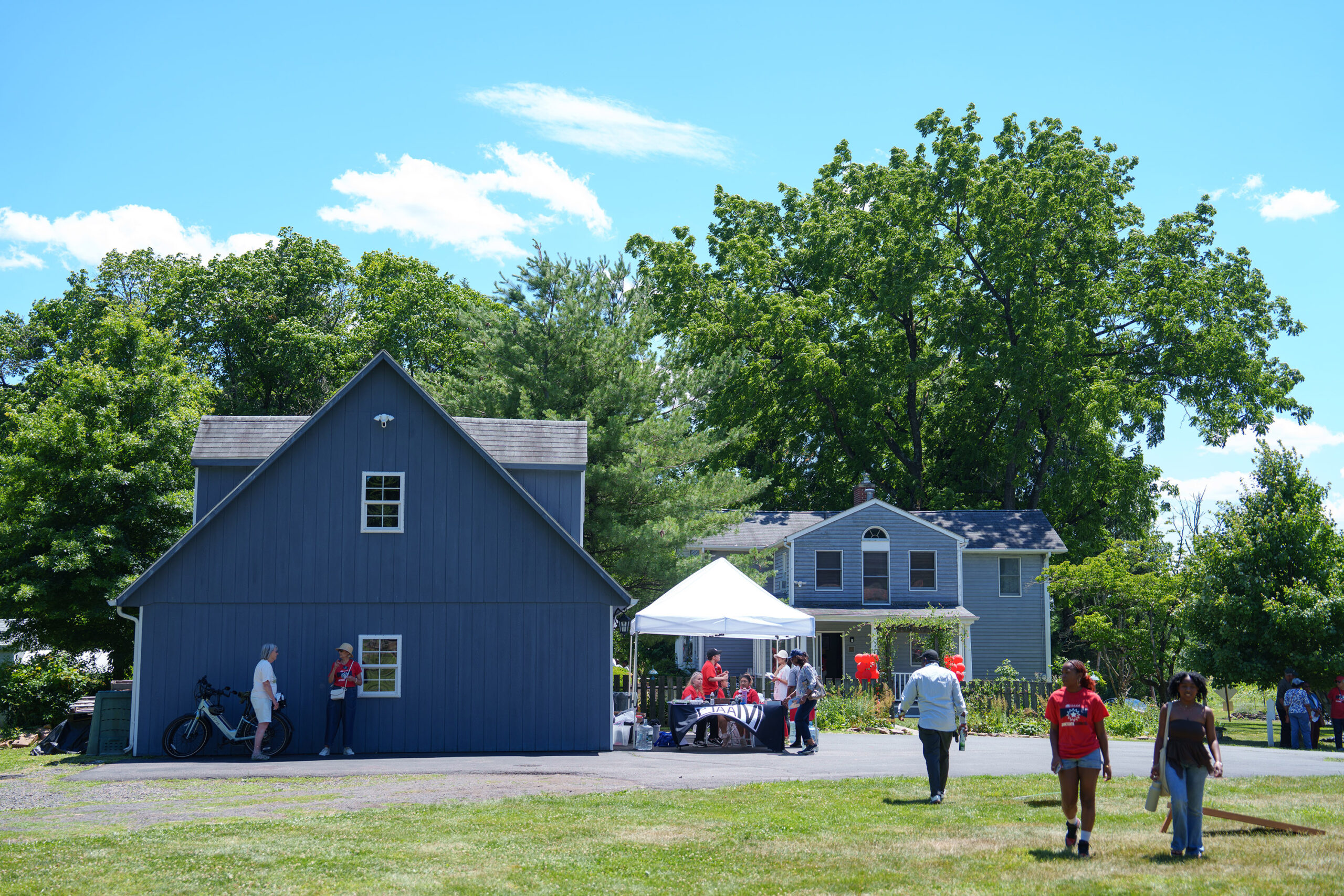
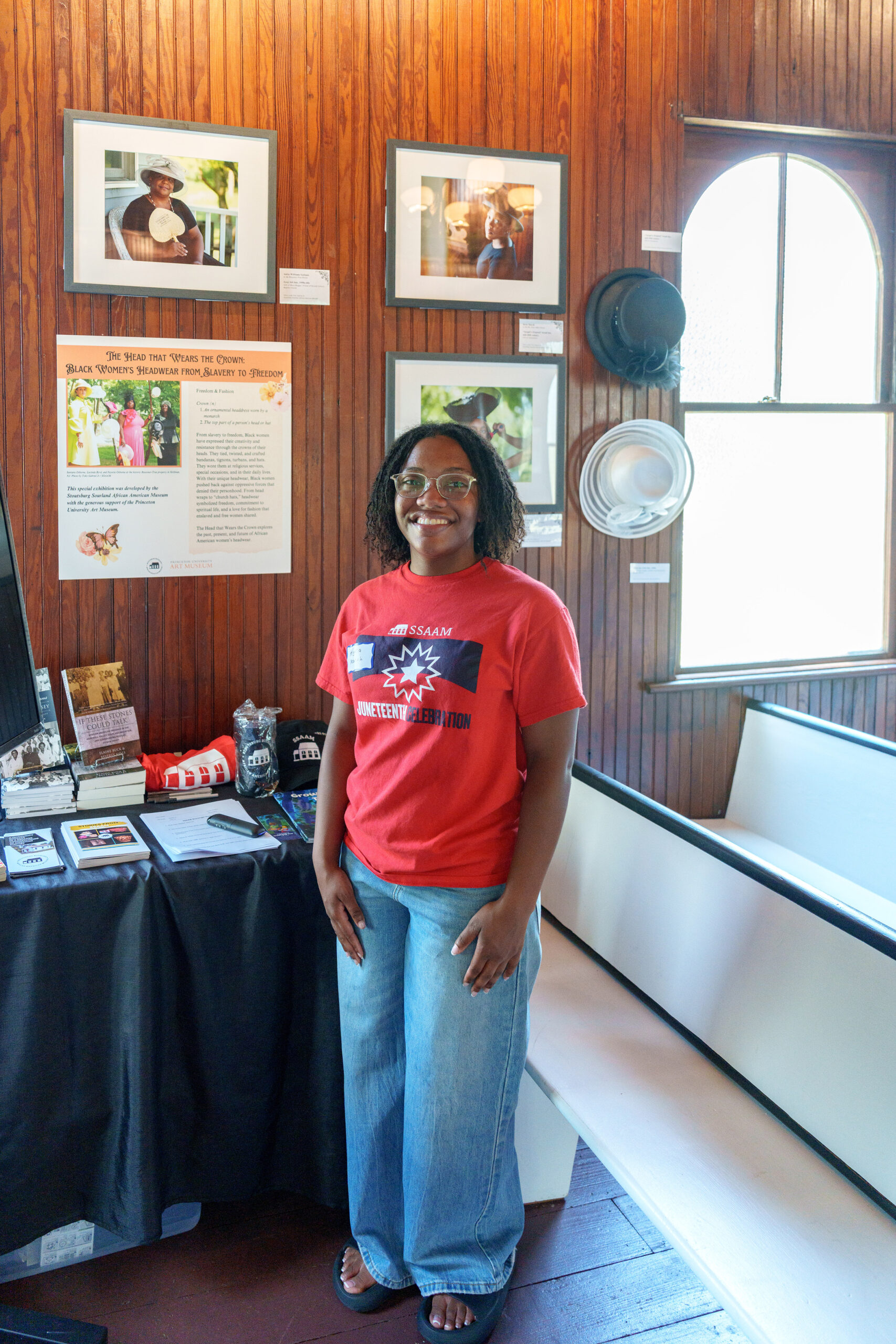
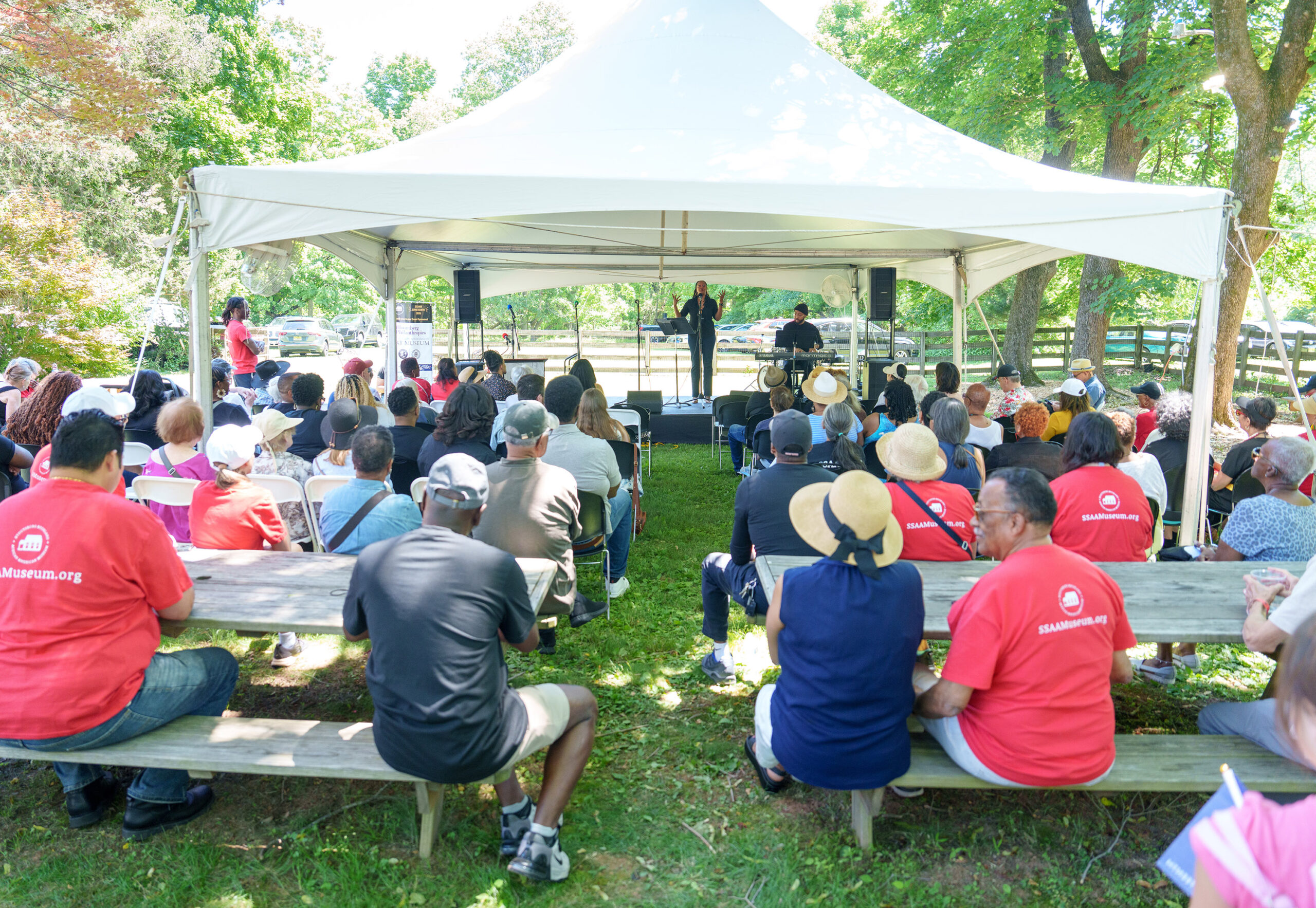
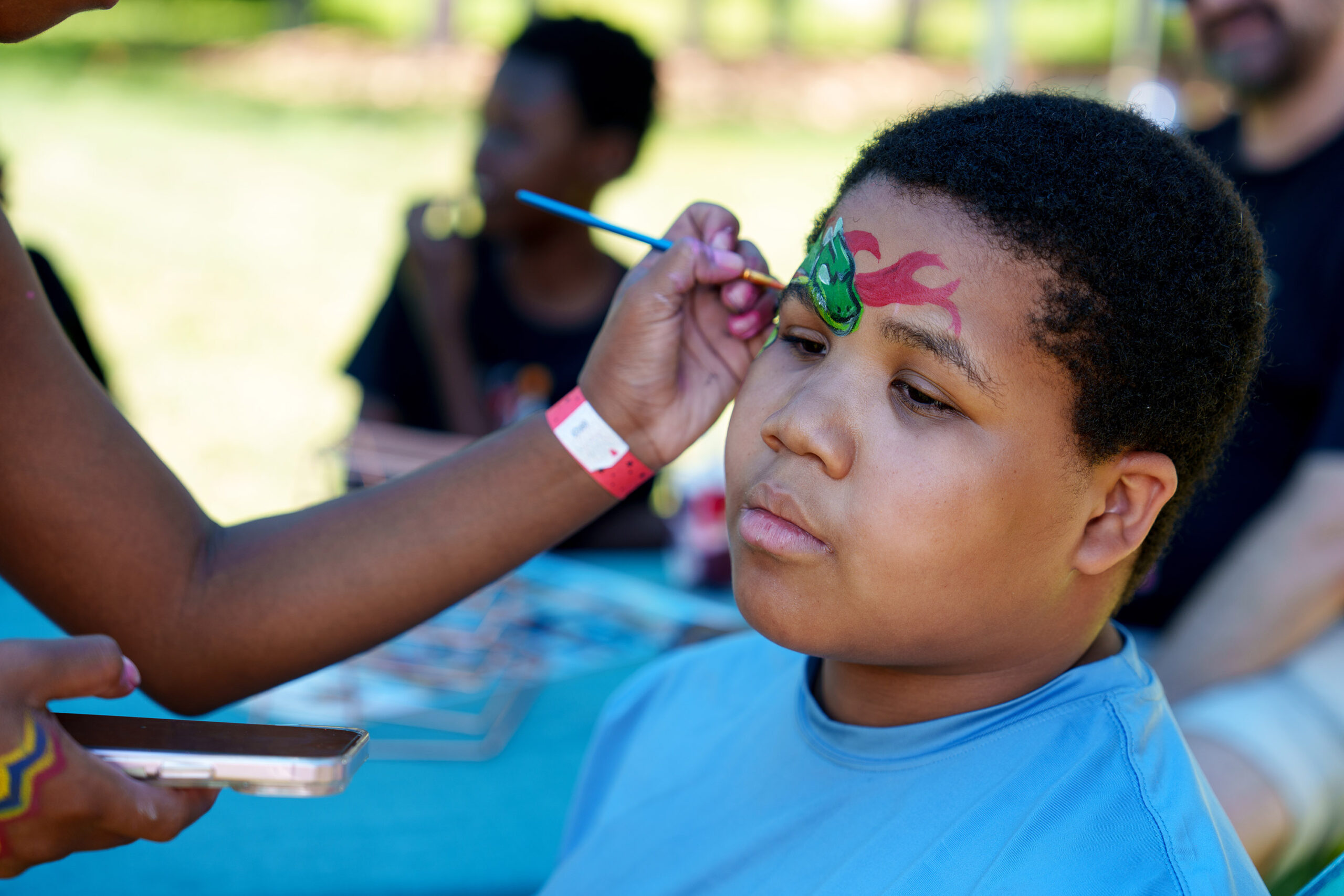
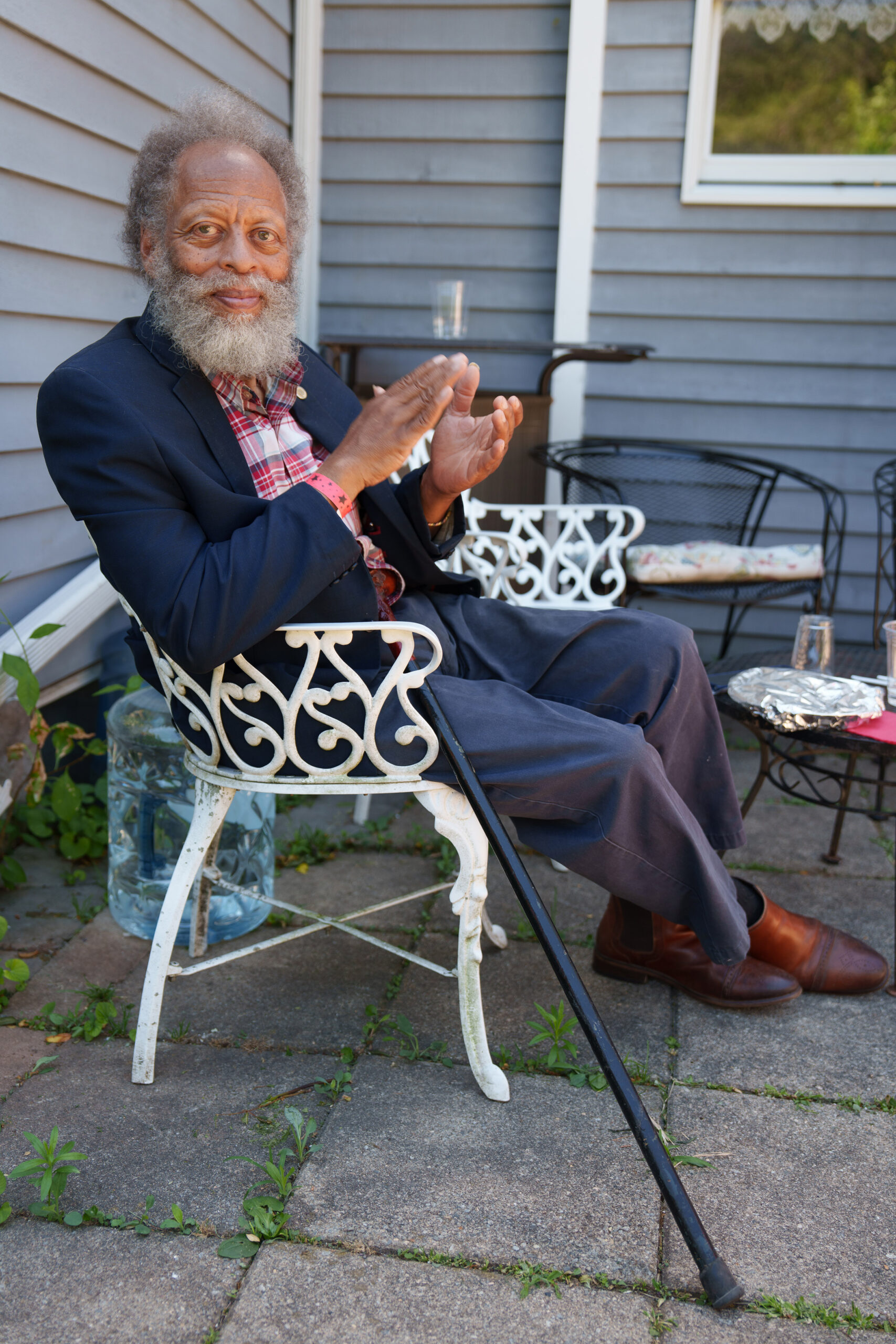
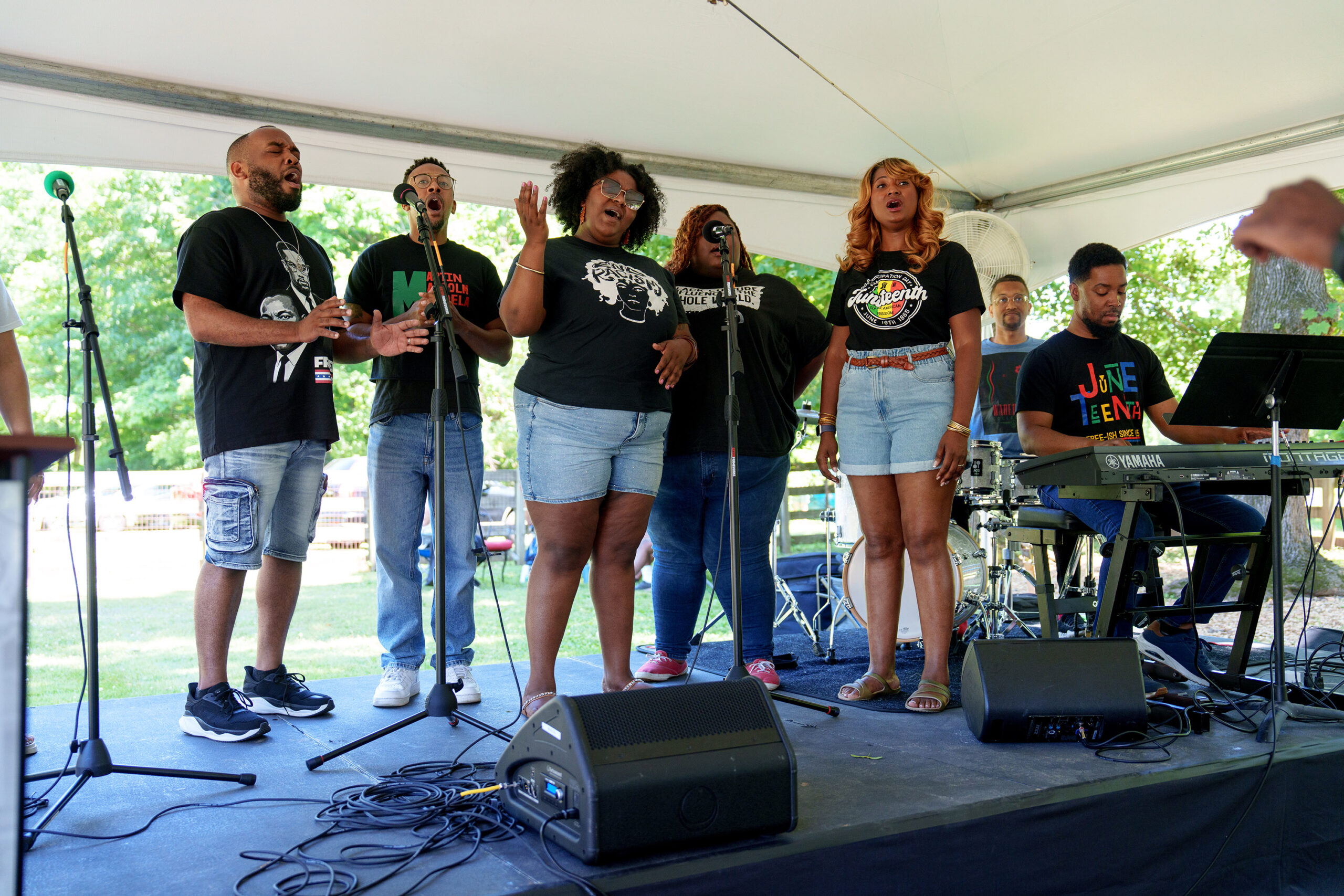
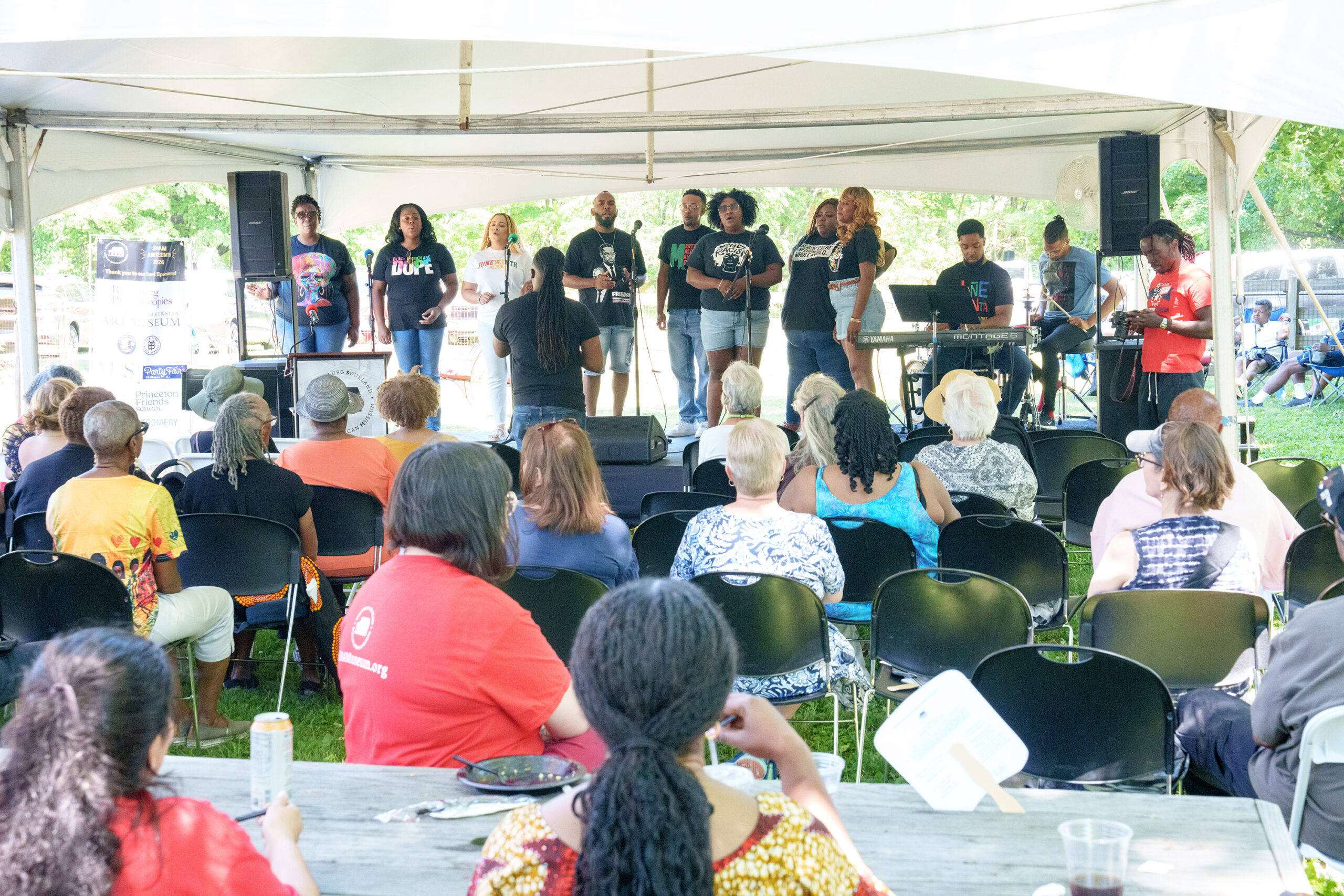
Many of the conversations during the day focused on difficult histories and hard-earned freedoms. But they also reflected joy, community and resilience. Families toured exhibits, listened to music, explored the grounds and gathered around tables filled with food.
And at the end of the meal, there was red cake.
For some, it may have been just dessert. But for others, it was a reminder that food carries stories — stories of freedom, family, resilience and the traditions communities continue to share across generations.