
A patch of mulch and newly planted saplings at Timberlane Middle School may not look like much yet, but students and environmental advocates say it’s designed to grow into something far bigger — both ecologically and educationally.
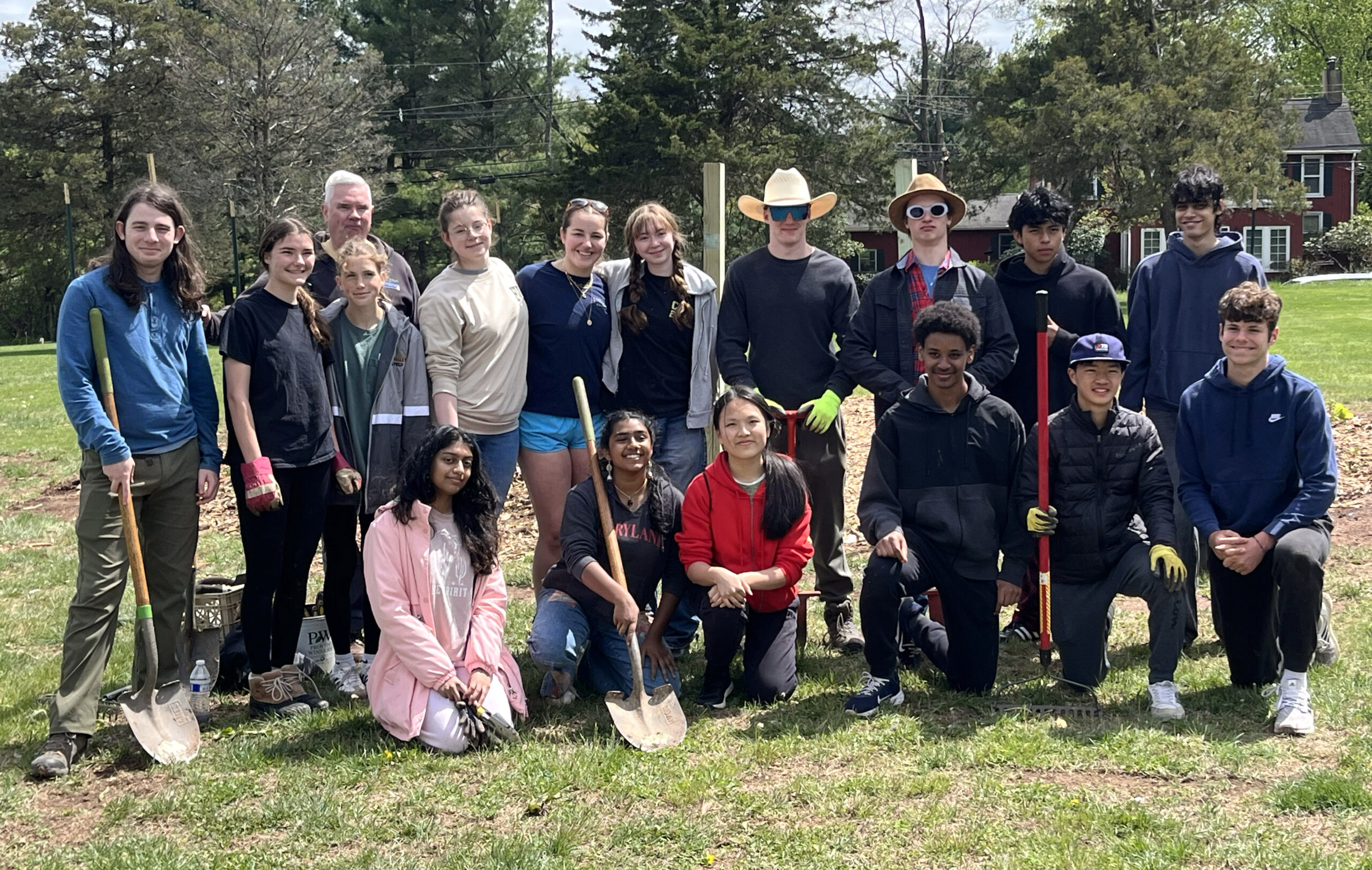
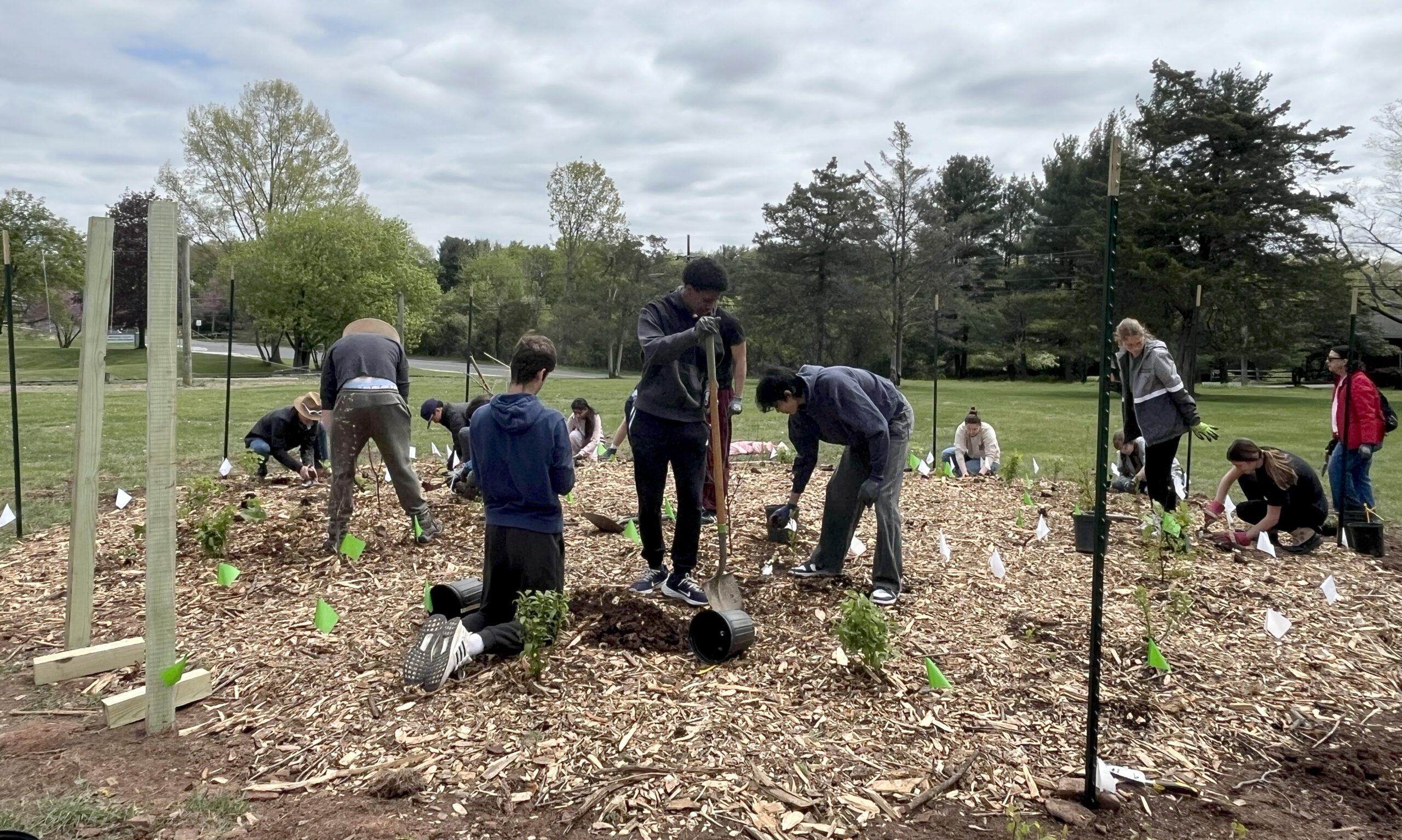
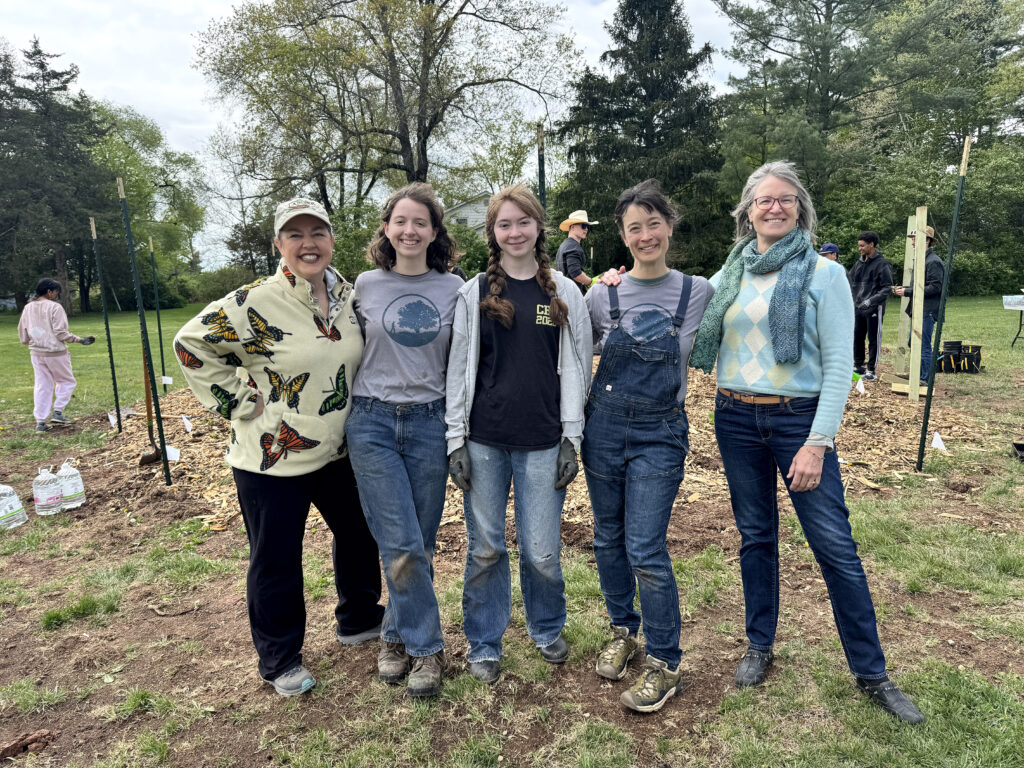
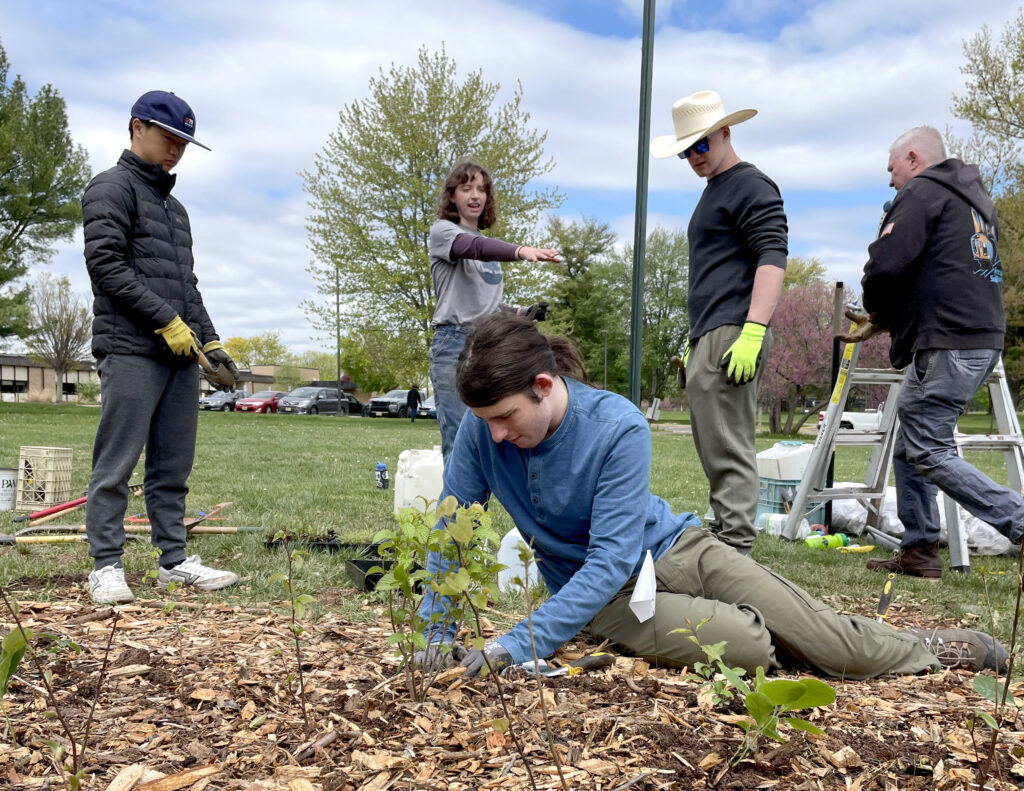
On April 26, students, volunteers, and members of Friends of Hopewell Valley Open Space (FoHVOS) gathered on the school grounds to plant a dense cluster of native trees, shrubs, and perennials as part of a student-led microforest project.
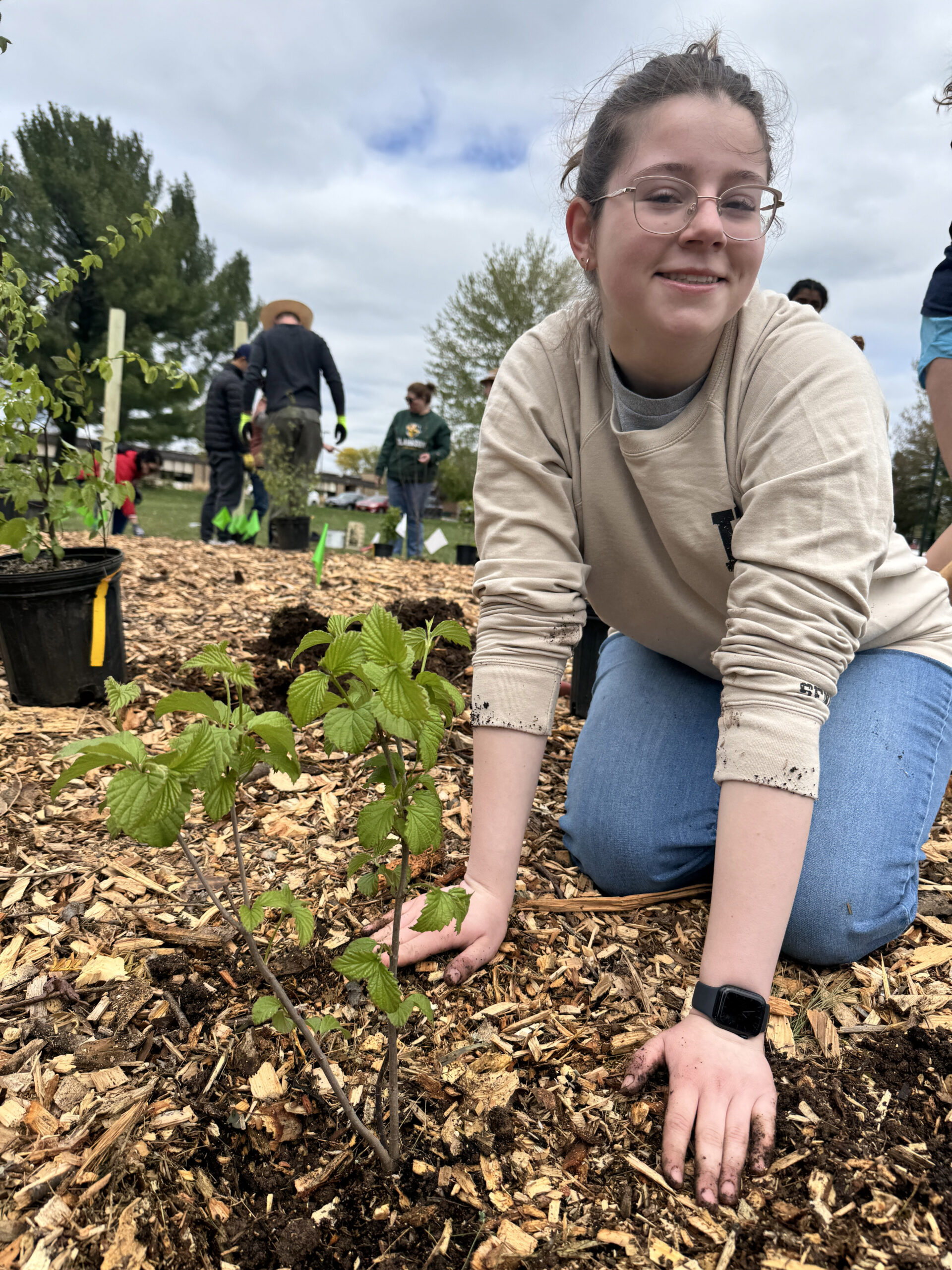
The planting, guided by FoHVOS and coordinated with Timberlane staff, was spearheaded by student Sidonie Calton as part of her Girl Scout Gold Award project. Calton helped organize volunteers and secure additional funding to bring the project to life.
The effort is part of a broader initiative supported by the organization Green Matters, which awarded funding to FoHVOS to establish the microforest at the school.
Unlike traditional tree plantings, a microforest follows the Miyawaki method — a technique that packs a diverse mix of native species into a small area, allowing them to grow quickly and support a wide range of wildlife while improving soil health, stormwater absorption, and carbon storage.
FoHVOS executive director Jenn Rogers said the approach is often used in urban areas but can also be effective in suburban settings, where space may be limited but environmental impact is still possible.
At Timberlane, the site will serve not just as a planting area, but as a “living laboratory” for students.
Organizers say the microforest is intended to give students a hands-on way to observe ecological processes over time in a “living laboratory,” from plant growth to soil development to the arrival of insects and other wildlife.
Calton said that she is excited about using the microforest as a peaceful place to connect with nature as it matures.
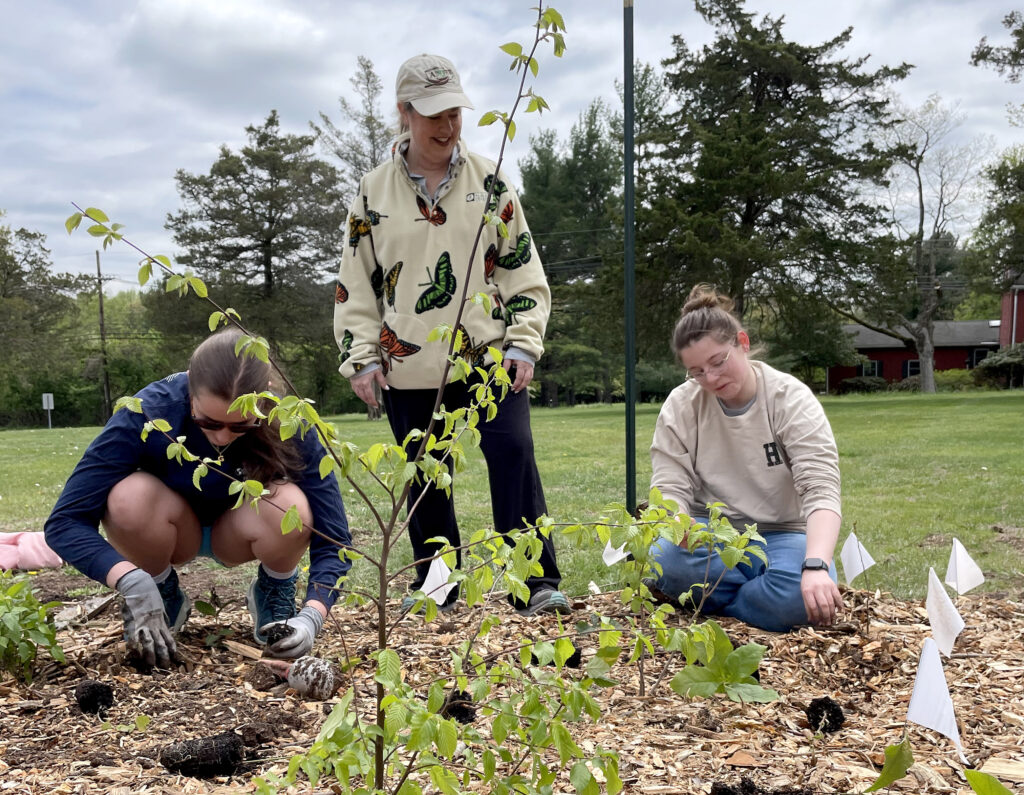
The planting included a mix of native trees and shrubs such as red maple, sweet birch, Eastern redbud, white oak, black gum, winterberry holly, and gray dogwood, along with herbaceous plants like yarrow, orange coneflower, and mountain mint.
The project was developed in coordination with Timberlane staff, including teacher Helen Corveleyn, and supported by community partners including Hopewell Pharmacy and Ray Sayre of State Farm Insurance.
During the planting event, students worked side by side with volunteers to dig, place, and mulch the young plants, creating a densely planted area designed to grow into a layered, self-sustaining ecosystem.
While the site may take years to fully mature, organizers say its impact begins immediately — both in the environmental benefits it provides and in the lessons it offers students about stewardship, sustainability, and the role small-scale efforts can play in addressing larger environmental challenges.