
To the Editor:
In the months leading up to the Hopewell Valley school bond referendum, residents have repeatedly heard the term “misinformation.” The accusation is frequent, but the specifics are never explained. The public hears emotion and accusation rather than data and direct answers.
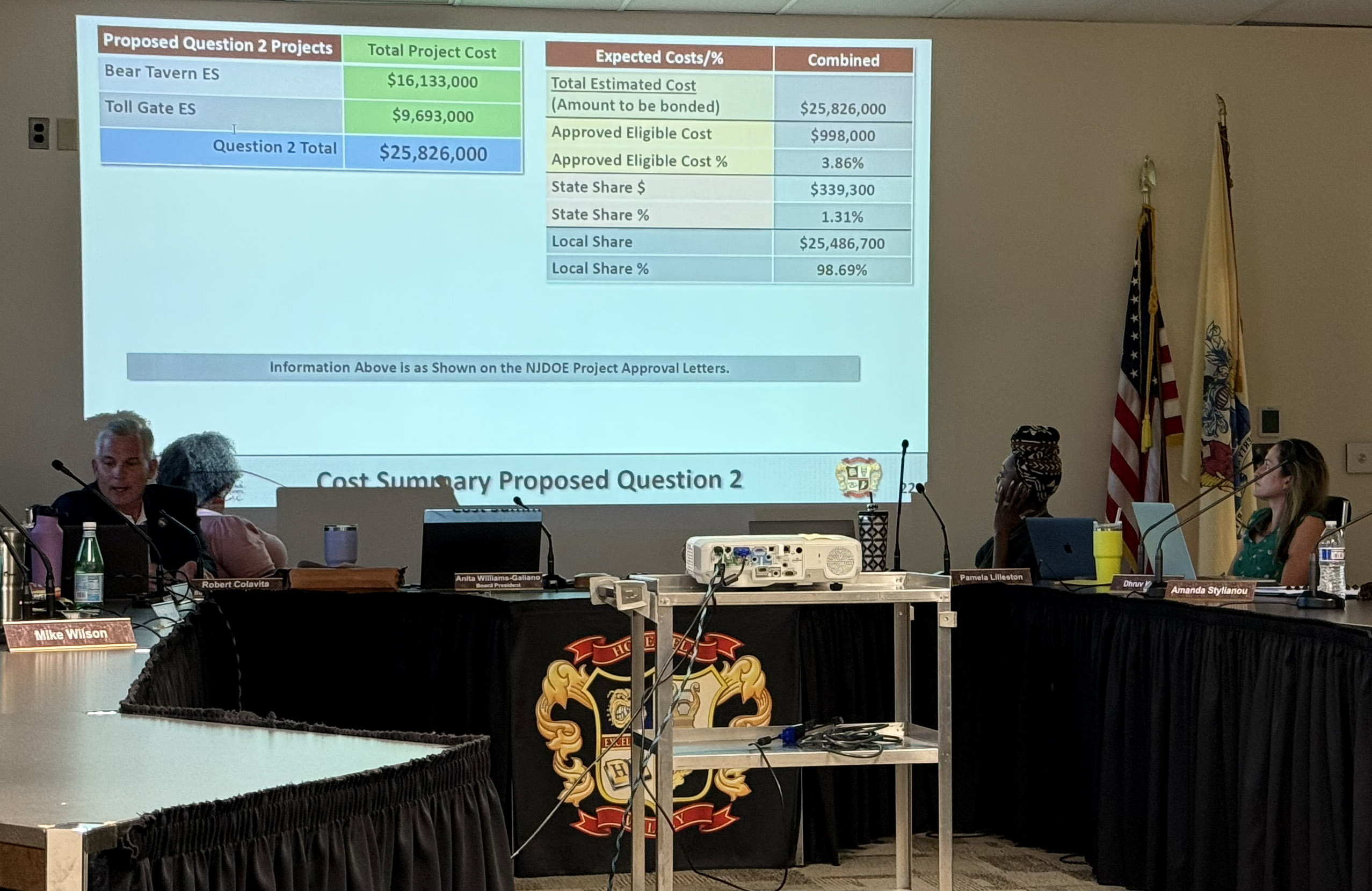
The verified facts are clear. The proposed borrowing raises property taxes about nine percent. That figure translates into hundreds of dollars more per year for most homeowners and higher rent for tenants. It adds another twenty years of repayment on top of existing obligations. Every household has a right to question the necessity and management behind such an increase.
Maintenance or Neglect
During a virtual town hall, district officials confirmed that many classroom doors are original to the 1960s. At Bear Tavern, metal window and door frames have deteriorated to the point of rusting through. These issues result from decades of postponed upkeep, not sudden emergencies. The same images now displayed on pro-bond websites show this pattern of neglect. They are presented as proof of urgency, yet they also document a lack of basic preventive care.
The community has not been given a full explanation of past maintenance schedules, budgets for building care, or decisions that allowed visible deterioration to continue. The public needs to understand how the district handled repair priorities through previous budgets and how those funds were used.
Financial Reality
Hopewell Valley’s capital-reserve accounts contain several million dollars according to recent audits. Those balances have grown. Funds exist to cover smaller repairs and maintenance without borrowing. The referendum asks for a nine-percent tax increase during a time of inflation, when residents already face higher costs for food, health care, and utilities.
That increase weighs heavily on many households. Seniors living on fixed incomes, young families, and small business owners already make difficult choices about daily expenses. Their concerns about affordability represent a responsible form of civic awareness, not misinformation.
Transparency Requires More Than Uploads
District leaders describe their process as transparent because documents are posted online. The information is presented in plain language, but the details behind it are buried in ways that most residents cannot easily interpret without technical background. The surface looks clear, yet the substance stays hidden. Real transparency means showing the full context, explaining how numbers were calculated, what assumptions were made, and how priorities were chosen so people can actually follow and verify the process.
Emotion Over Evidence
Recent communications have relied on emotional imagery: leaky roofs, failing HVAC systems, old trailers, and claims of stolen campaign signs. These messages appeal to sympathy but lack supporting evidence such as engineering reports or maintenance logs. The same photos that are intended to create urgency instead highlight years of deferred maintenance. The pattern of emotional framing distracts from the data that should be at the center of public decision-making.
A Community Conversation
Residents who raise concerns are not against education. They are taxpayers who expect the same fiscal discipline from public institutions that they apply to their own budgets. Before taking on another generation of debt, the community needs verified evaluations of building conditions, a clear accounting of capital-reserve use, and a proactive maintenance schedule that prevents this cycle from repeating. Full disclosure of professional fees and consulting contracts related to the bond also builds trust.
These expectations are fair and achievable. They reflect the shared belief that strong schools and responsible finances can coexist.
The Decision Before Us
Hopewell Valley’s schools are a cornerstone of the community. That pride includes careful financial management. The referendum seeks a nine-percent tax increase and a long-term borrowing commitment. Residents can review the numbers, study the documents, and decide whether this plan represents sound planning or the accumulated cost of deferred maintenance.
The public should examine the district’s materials firsthand. Every voter can read the available reports, view the photos, and assess the budgets. The essential question remains: does this proposal represent the most responsible way to invest public money?
Until the district presents clear evidence of accountability and complete transparency, the prudent course is to pause, evaluate, and insist on a higher standard of honesty and stewardship.
Sincerely,
Dan Opdyke
Hopewell Township