

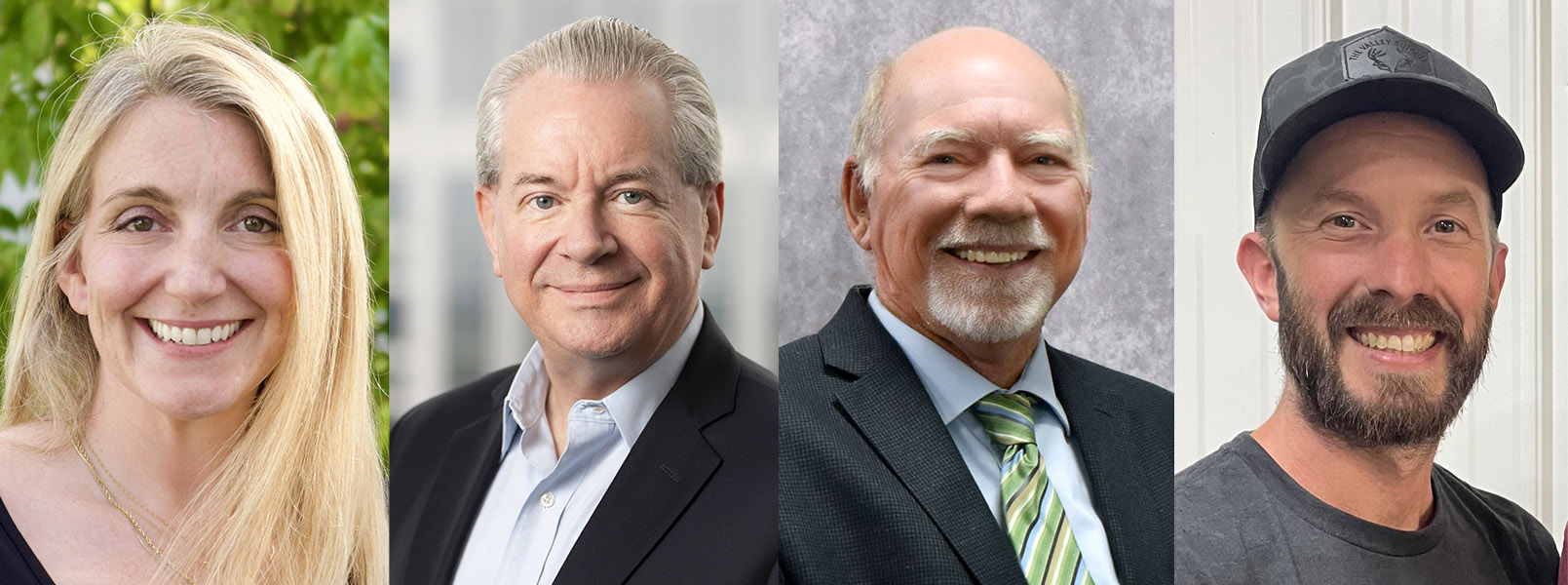
With early voting beginning Saturday, Oct. 24, four candidates are seeking two seats on the Hopewell Township Committee, bringing different experiences and perspectives to a community grappling with the effects of development, the costs of growth and decisions that will shape its future.
For John Hart, a farmer, business owner and former mayor, the transformation stretches across decades of decisions about farmland, development and the township’s future. Michael Ruger has served on the Township Committee, also as mayor, as major housing developments have moved to construction. Sophie Purgavie grew up in the Hopewell Valley, moved away and returned to raise her family in a community she sees evolving in promising ways. Steven Niederer, another longtime local resident, brings a background in law enforcement and business ownership to his concerns about infrastructure and public services.
Their experiences offer different starting points for considering many of the same questions: How should Hopewell Township accommodate development already approved? How should the financial benefits of that development be shared? And what will residents need from local government as the community continues to grow?
Democrats Ruger and Purgavie and Republicans Hart and Niederer are running in the Nov. 3 general election. Voters may select two candidates.
The race includes one incumbent seeking reelection, a former mayor hoping to return to office and two candidates seeking their first terms. It also follows a change in the Democratic ticket after longtime Committee member Kevin Kuchinski withdrew from the race in August, opening the door for Purgavie to become a candidate.
In separate interviews with MercerMe, the four candidates discussed their backgrounds, motivations and approaches to the challenges facing the township.
MercerMe also previously published a candidate Q&A in which all four answered the same 12 questions about development, affordable housing, taxes, infrastructure, the environment and other issues.
A township shaped by decades of decisions
Hart’s relationship with Hopewell Township reaches well beyond his 14 years on the Township Committee, including service as mayor.
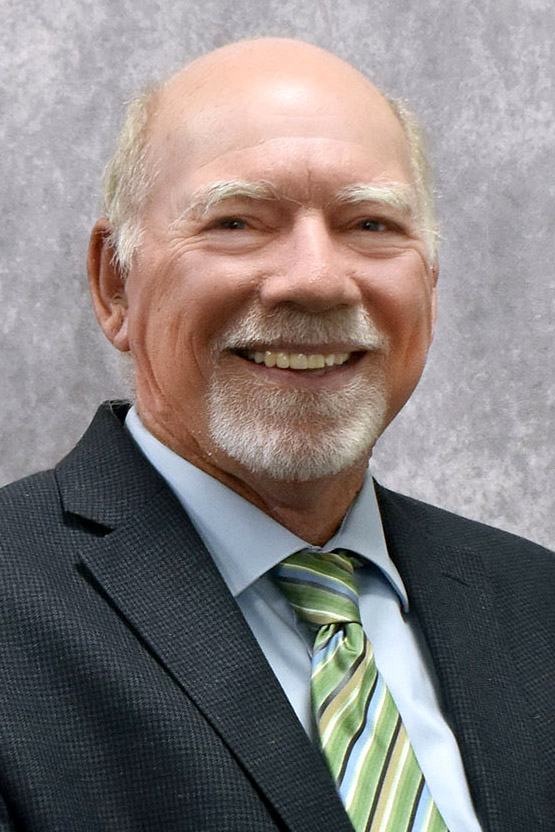
A farmer who also operates a retail business at Rosedale Mills and Needle Creek Farm Brewery, Hart has spent much of his life working the land and participating in the township’s agricultural community. He currently serves on the New Jersey State Board of Agriculture.
He talks about Hopewell Township through the history of individual farms, roads and properties, often recalling when land was purchased, what it was intended to become and how those plans changed.
That perspective is central to his decision to seek another term.
“Even when I’m not an elected official, I’m always helping out in the township,” Hart said. “It’s just in my blood.”
Hart has been outspoken about the amount of residential development taking place and the township’s use of payment in lieu of taxes agreements, commonly called PILOTs. But his years in office also overlap with some of the earlier land-use decisions that helped shape the township residents see today.
During the interview, Hart discussed the development of Brandon Farms, which was beginning when he first joined the committee in the 1990s. He recalled pushing for additional landscaping as that community took shape, arguing that development should include features that make neighborhoods more attractive and livable.
He also spoke about properties the township acquired during his years in government, including the Weidel tract near Route 31, now part of the township’s affordable housing planning. Hart described the original discussions about purchasing that land and his concerns about how plans for its use and access have evolved.
Hart believes the township should have challenged some of its affordable housing obligations more aggressively. At the same time, he acknowledged that many projects now underway cannot simply be undone.
“The only thing we can do is we have to plan for what we already have there and what’s coming,” he said.
For Hart, that means greater attention to roads, schools, public services and preserving working farmland as the township’s population grows.
He distinguishes between preserving land as open space and keeping it in agricultural production, arguing that working farms support both the township’s rural character and its agricultural economy.
His businesses provide another perspective on change. Hart discussed the challenges of operating a traditional retail store at Rosedale Mills as more customers turn to online shopping, as well as the importance of encouraging residents to support local businesses.
He said those experiences have reinforced his belief that township decisions must account for the needs of existing residents and businesses as well as new development.
Governing through growth
Ruger sees many of the same changes from the perspective of someone who has been making decisions on the Township Committee as development plans have moved forward.

He joined the committee in 2018 and has served as mayor and deputy mayor. His professional background includes work in government, law and the private sector.
Ruger said he originally ran because he wanted to contribute his experience to municipal budgeting and public service. He believes managing the township’s finances remains one of the committee’s most important responsibilities.
But he also talks about a challenge that goes beyond taxes and spending: creating a sense of community in a municipality where residents are spread across nearly 60 square miles.
“The challenge of the rural township — you’ve got sixty square miles with people spread out all over,” Ruger said.
He pointed to the bandshell at Woolsey Park, developed with state grant funding, as an example of creating a gathering place where residents can come together.
Ruger believes the committee has generally managed the township’s affordable housing obligations responsibly, working within state requirements while seeking to limit the number of additional homes and their potential impact on schools and services.
In the interview, however, he also reflected on something he believes could have been handled better.
“I think we probably could have started the conversation with the schools a little bit sooner,” Ruger said.
He was referring to discussions about the impact of development on school enrollment and facilities. While conversations had taken place, he said they could have been more detailed earlier in the process.
Ruger now serves as a liaison to the school district and said maintaining that communication is important as additional homes are occupied.
He also acknowledged another area where the committee could improve: responding to residents who ask questions during public meetings.
Ruger said officials may need time to research an answer, but residents should not have to return to another meeting to find out what happened.
Coming home to a changing community
Purgavie’s path to the ballot was considerably less planned.
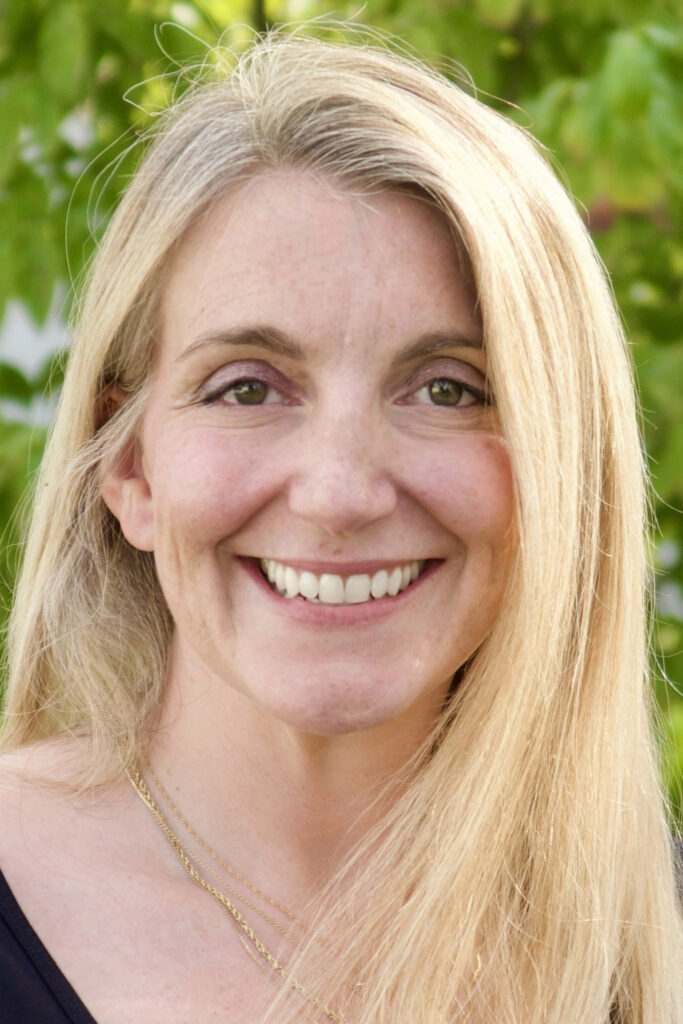
She was not expecting to run for Township Committee this year. But when Kuchinski withdrew from the race in August, she agreed to become a candidate.
Her decision reflects a personal connection to Hopewell Valley that has changed over time.
Purgavie grew up in the community and attended its schools before leaving for college and living and working elsewhere, including New York City and France. She returned after her father’s death to help her mother and eventually decided to make Hopewell Township home again.
Now raising a young son, she sees the township both through memories of her own childhood and through the opportunities available to families today.
“I’m not somebody who wants to serve just to preserve what it used to be,” Purgavie said.
She described a community that has become more diverse and offers young people opportunities that did not exist when she was growing up.
“I have a two-year-old son, and I want this to continue to be a place that is dynamic and thriving,” she said.
Purgavie’s professional experience includes nonprofit work, consulting, operations and helping organizations manage growth. She currently works in the technology sector.
She sees connections between that work and the challenges facing local government, particularly the need to bring people together, manage complex processes and communicate decisions clearly.
But it was her experience serving on the township’s Zoning Board of Adjustment that she described as especially eye-opening. She also serves on the Open Space Advisory Committee.
When she joined the Zoning Board, she said, she quickly discovered how much technical knowledge members were expected to absorb, from stormwater management to land-use regulations.
Over time, she came to appreciate how much local government depends on residents who volunteer their time, learn complicated subjects and participate in decisions affecting their neighbors.
The experience also exposed a frustration she believes many residents share: figuring out which part of government can actually address a problem.
Residents may bring concerns about flooding, development or property conditions to a public meeting, only to learn that the board hearing their concerns has limited authority to act.
Purgavie said she understands how discouraging that can be, particularly for residents who have taken time to attend a meeting because something is affecting their homes.
She would like to make township government easier to navigate, including providing a plain-language guide explaining which boards and officials handle different issues.
Purgavie is also conscious of what she does not yet know about serving on the governing body.
“I don’t know what I don’t know,” she said when asked what the current committee could do better.
Rather than claiming to have immediate solutions, she said she hopes to bring a different perspective and ask questions that may help residents better understand the decisions being made.
A second campaign and a different kind of public service
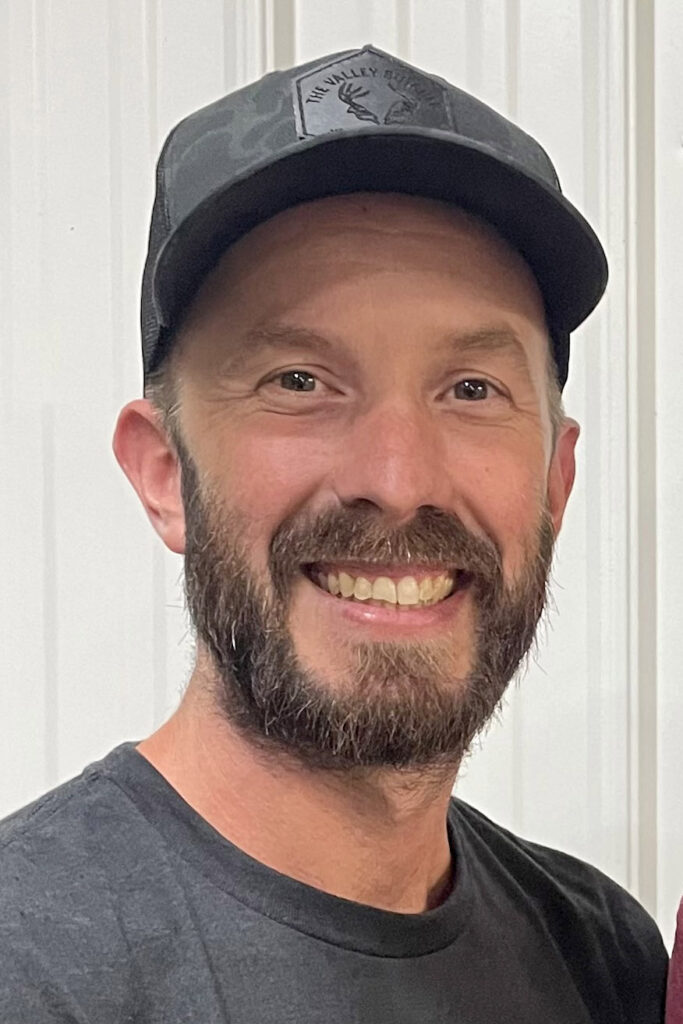
For Niederer, running for Township Committee is an extension of a career that took an unexpected turn.
A fourth-generation member of a local farming family, Niederer grew up in the area, graduated from Hopewell Valley Central High School and earned a degree from The College of New Jersey.
He spent 10 years with the Mercer County Sheriff’s Office and worked with the U.S. Marshals Service Regional Fugitive Task Force.
He was shot in the line of duty and eventually retired after additional injuries and physical difficulties.
Niederer now operates a local business, the Valley Butcher, processing wild game and livestock, including work connected to Hart’s farm and store. He also described donating venison to food assistance organizations.
“My passion for serving the public hasn’t stopped,” he said. “It’s just changed a little bit.”
He previously ran for Township Committee without winning a seat, but he does not view that campaign simply as a defeat.
Instead, Niederer said it introduced him to people and issues he had not encountered despite spending much of his life in the community.
“I think although I ran one other time … personally, I think it was very successful,” he said, describing the experience as an opportunity to learn.
He said conversations with educators, firefighters, law enforcement officers and other residents have given him a better understanding of the pressures facing local services.
Those discussions have shaped his concerns about how the township will accommodate continued population growth.
Niederer questions whether roads, water systems, public safety departments and schools are prepared for the additional demands associated with development.
He pointed particularly to concerns about Trenton Water Works and questioned whether water infrastructure is prepared for additional growth.
He also wants residents to have easier access to information about development agreements and the revenue they generate.
For Niederer, the issue is not only the amount of development taking place but whether the township is making the investments needed to support it.
How should the township use development revenue?
Although the candidates approach the election from different backgrounds, the interviews repeatedly returned to the financial implications of growth.
One recurring issue is the township’s use of PILOT agreements, which allow qualifying redevelopment projects to make negotiated payments instead of paying conventional property taxes.
Because those payments are distributed differently from ordinary property taxes, the agreements have raised questions about how much of the revenue should support schools, municipal services and other needs associated with new development.
Ruger defended the committee’s approach, saying PILOT revenue must be considered across several priorities, including schools, emergency services, debt reduction, municipal operations and potential tax relief.
He said the township has already committed more than $20 million toward school needs and additional funding for emergency services.
Ruger does not support permanently dedicating a fixed percentage of PILOT revenue to schools or any other single purpose, arguing that the township needs flexibility to respond to changing circumstances.
Hart questioned whether the township’s use of PILOT agreements provides sufficient financial benefits to residents and the school district.
He argued that the committee should do more to ensure that revenue generated by development reaches taxpayers and helps support services affected by population growth.
Niederer also favors directing substantially more PILOT revenue toward schools, police, fire protection and public works.
He questioned why the township makes allocations incrementally rather than establishing a more comprehensive commitment to those services, and called for greater transparency about the revenue collected and how it is spent.
Purgavie said schools must remain a priority, but the township also needs to prepare for the demands growth will place on police, fire services, roads and other infrastructure.
Her emphasis is on planning for those needs while maintaining oversight of development and its effects on existing and new residents.
The differences reflect a broader question facing the next Township Committee: How much of the revenue generated by development should be committed to particular services, and how much flexibility should the governing body retain as the township’s needs change?
A separate decision about township government
Voters will also consider a question on the Nov. 3 ballot asking whether Hopewell Township should establish a charter study commission to examine possible changes to its form of government.
The issue came up during the candidate interviews, revealing different views about the current governing structure.
Hart believes the township could benefit from greater continuity and has expressed support for exploring a directly elected mayor serving a longer term. He supports studying alternative forms of government.
Ruger believes the existing committee system, in which five members share authority and select a mayor annually, has served the township well. He said it gives members equal voices and avoids concentrating authority in one elected official.
Still, he said examining alternatives is a legitimate question for residents to consider.
Niederer hopes a review could encourage broader participation and greater consideration of different perspectives in township government.
Purgavie emphasized approaching any study with an open mind and considering which structure would best serve residents.
The charter commission question is separate from the Township Committee race. If voters approve it, a commission would study possible changes and make recommendations. The vote would not itself change the township’s form of government.
For the four candidates, the next several years will bring decisions about the practical effects of growth: school enrollment, traffic, emergency services, municipal spending, farmland preservation and the relationship between new neighborhoods and established communities.
Some of those decisions will concern developments approved years ago. Others will involve how the township uses new revenue, provides services and communicates with residents.
The candidates bring different histories to those conversations, but all are seeking a role in deciding how Hopewell Township responds.
Early voting begins Saturday
Early in-person voting for the Nov. 3 general election begins Saturday, Oct. 24, and continues through Sunday, Nov. 1.
For Hopewell Valley residents, the Pennington Fire Company at 120 Broemel Place in Pennington is an early voting location.
Voting hours are 10 a.m. to 8 p.m. Monday through Saturday and 10 a.m. to 6 p.m. on Sundays.
Election Day is Tuesday, Nov. 3, with polls open from 6 a.m. to 8 p.m.
For more detailed information about each candidate’s positions, read MercerMe’s Hopewell Township Committee candidate Q&A, covering affordable housing, development, taxes, environmental concerns, infrastructure and other local issues.