

New Jersey health officials say the state is seeing a typical seasonal number of cyclosporiasis cases and that no New Jersey-grown produce has been linked to the illness, even as federal officials investigate a multistate outbreak connected to recalled iceberg lettuce.
Between May 1 and July 11, the New Jersey Department of Health recorded 46 cases of cyclosporiasis statewide, a figure officials say falls within the state’s typical seasonal range of 30 to 50 cases. All of the reported cases involved people who had not traveled internationally in the 14 days before becoming sick.
State officials said there are no outbreaks in New Jersey and no evidence linking produce grown in the Garden State to any reported illnesses.
“At this time, we are not seeing an increase in cyclosporiasis cases here in New Jersey, and our current numbers are in line with what we’d expect for this time of year,” Health Commissioner Dr. Raynard Washington said in a statement.
Washington noted that produce grown or packed in other states and countries is routinely sold in New Jersey, making food safety precautions important even when no local products have been implicated.
CDC investigating multistate outbreak
The update comes as the Centers for Disease Control and Prevention and the U.S. Food and Drug Administration continue investigating several Cyclospora outbreaks nationwide.
One multistate outbreak has been linked through epidemiologic and traceback investigations to recalled iceberg lettuce from Taylor Farms de Mexico. The recall, announced July 17, covers iceberg lettuce sourced from central Mexico that was distributed to retailers and restaurants. The CDC advises consumers not to eat the recalled lettuce and recommends throwing it away or returning it to the place of purchase. Diners who are unsure where a restaurant’s iceberg lettuce was sourced are encouraged to ask.
Federal officials emphasized they are also investigating additional Cyclospora illnesses around the country that are not related to the recalled lettuce.
Taylor Farms says product test was a false positive
Taylor Fresh Foods said Sunday that federal officials informed the company an initial laboratory test indicating Cyclospora had been detected in one iceberg lettuce product was later determined to be a false positive.
“To be clear, at this moment, FDA has not identified a single positive product test result for Cyclospora,” the company said in a statement.
The company said it voluntarily recalled iceberg lettuce grown and processed in central Mexico “out of an abundance of caution” after discussions with public health officials. Taylor Farms said the recall is limited to those products and does not involve other Taylor Farms-branded products available for purchase.
The CDC and FDA have not lifted the recall, and the investigation remains ongoing.
Jersey Fresh produce not implicated
The New Jersey Department of Agriculture emphasized that no produce from New Jersey farms has been identified as a source of illness.
“To date, no New Jersey-grown produce has been identified as a source of cyclosporiasis cases,” New Jersey Secretary of Agriculture Ed Wengryn said.
The department said Jersey Fresh farmers meet federal Food Safety Modernization Act requirements as well as the state’s Jersey Fresh quality standards.
What is cyclosporiasis?
Cyclosporiasis is a gastrointestinal illness caused by the microscopic parasite Cyclospora cayetanensis. It is most commonly spread by eating contaminated fresh produce or drinking contaminated water and is not known to spread directly from person to person.
Symptoms usually begin about a week after exposure and may include:
- Frequent watery diarrhea
- Loss of appetite and weight loss
- Stomach cramps and bloating
- Nausea
- Fatigue
- Low-grade fever
Without treatment, symptoms can last several weeks or longer and may come and go. Although the illness is generally not life-threatening, it can lead to dehydration and may require medical treatment. It can be treated with antibiotics.
How to reduce your risk
The Department of Health recommends several food safety practices to reduce the risk of cyclosporiasis and other foodborne illnesses:
- Wash hands with soap and water before and after handling fresh produce.
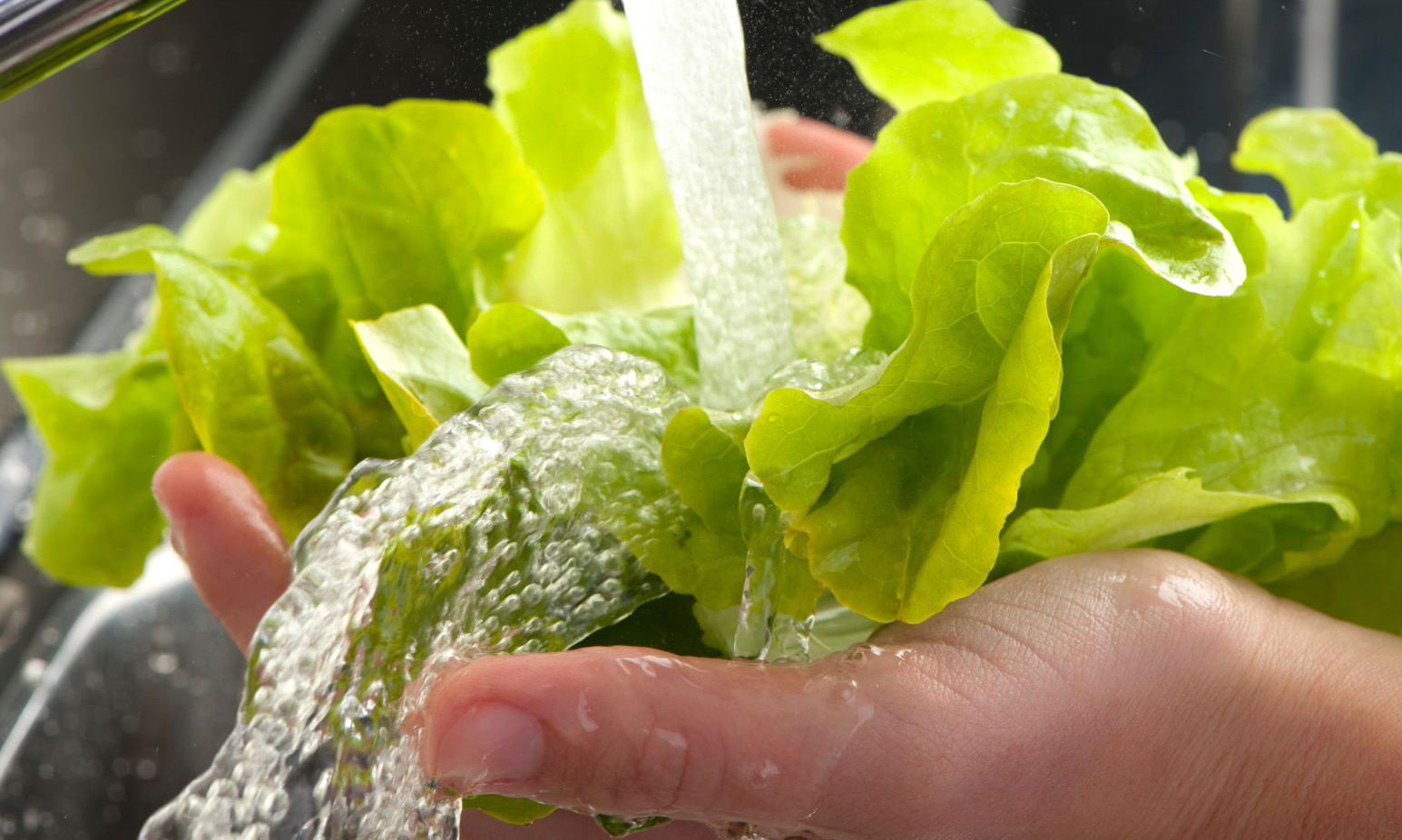
- Wash fruits and vegetables thoroughly under running water, even if you plan to peel or cook them.
- Scrub firm produce, such as melons and cucumbers, with a clean produce brush.
- Remove damaged or bruised portions before eating.
- Promptly refrigerate cut or peeled fruits and vegetables.
- Cook produce when appropriate, particularly for people at higher risk of severe illness.
Officials note that washing produce can reduce—but not eliminate—the risk of Cyclospora, while cooking produce to the appropriate temperature is the most effective way to kill the parasite.