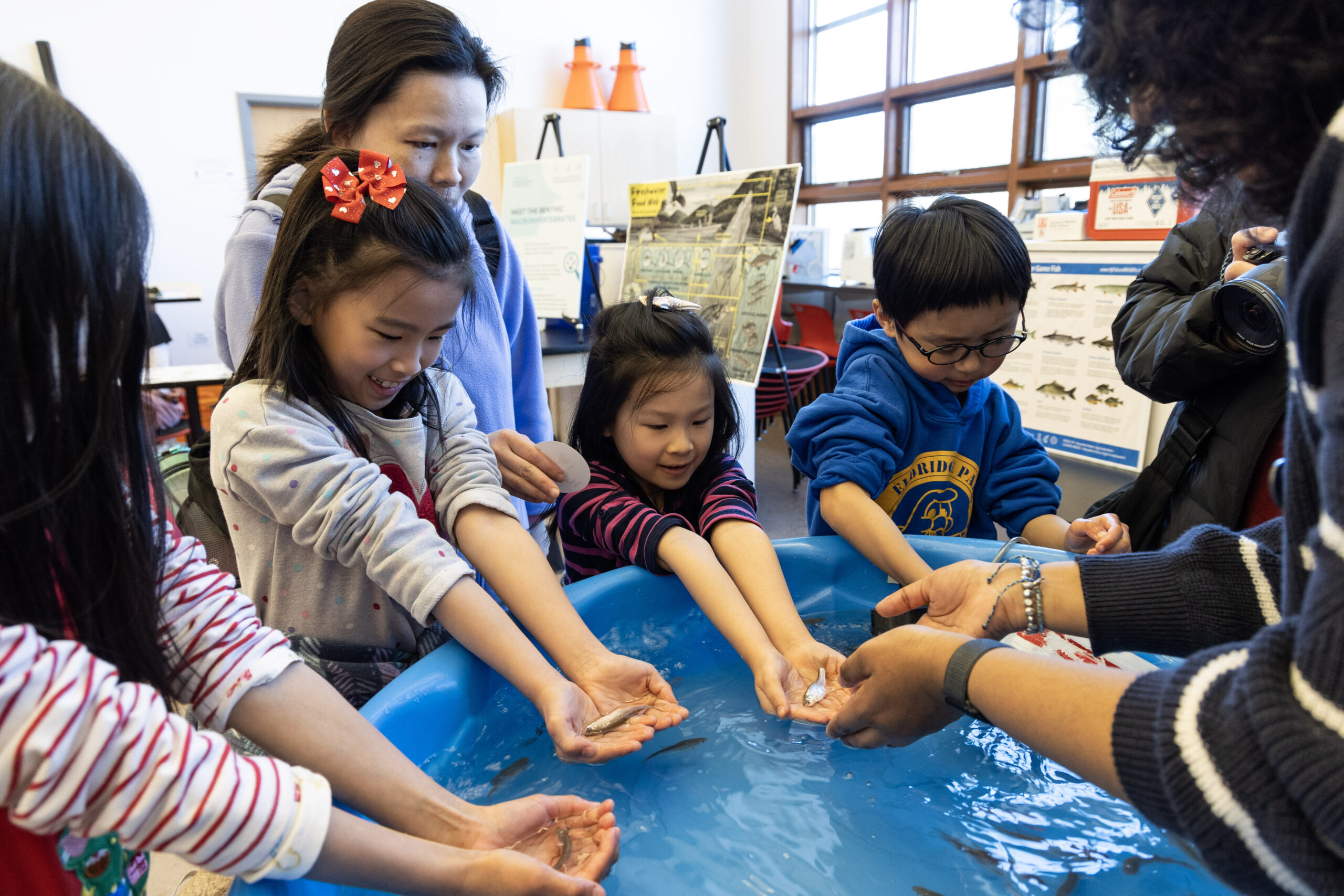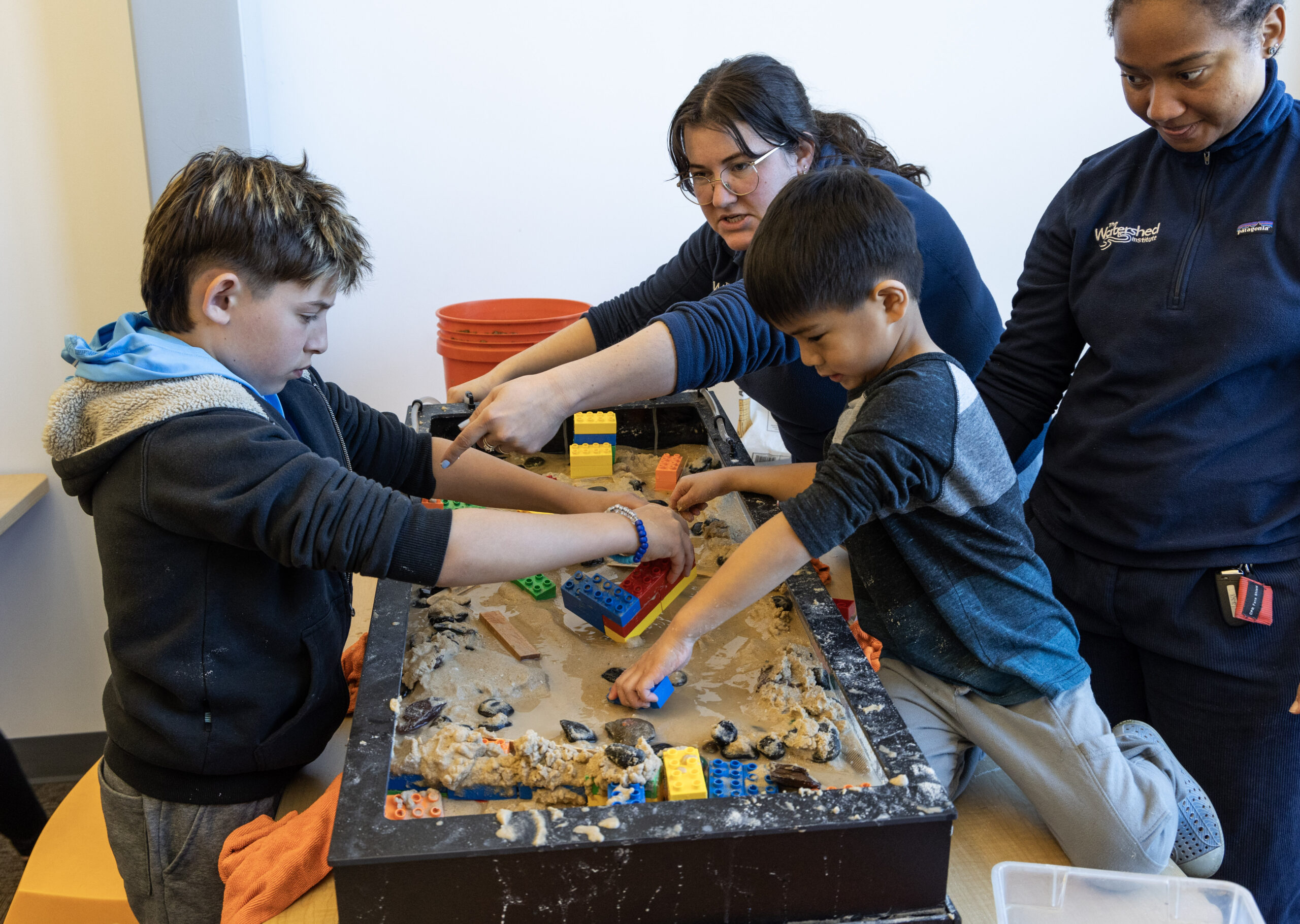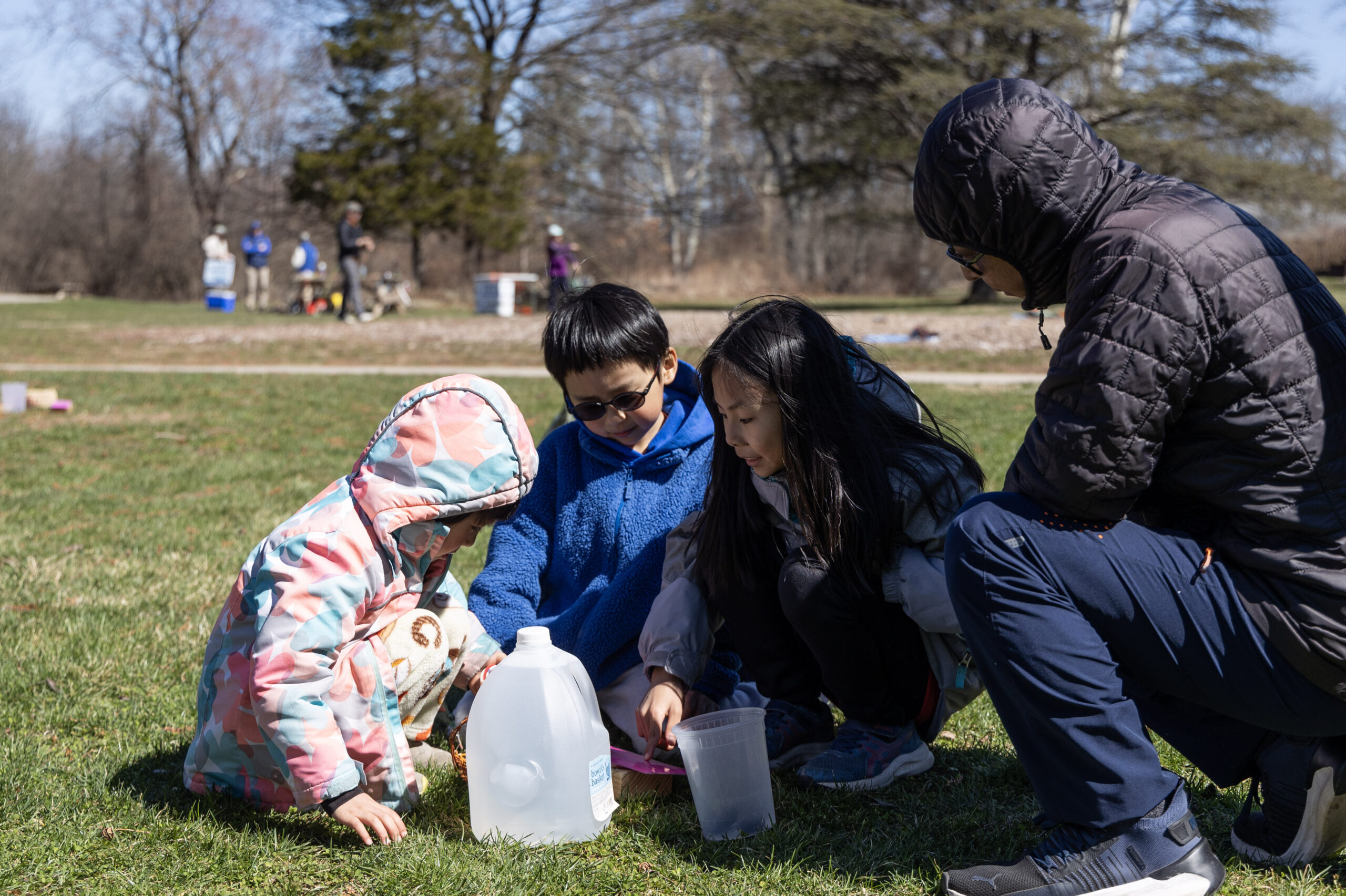

From watercolor painting to vernal pool walks, families and environmental advocates gathered Saturday at The Watershed Institute to celebrate World Water Day with hands-on learning and outdoor exploration focused on the region’s most essential resource.
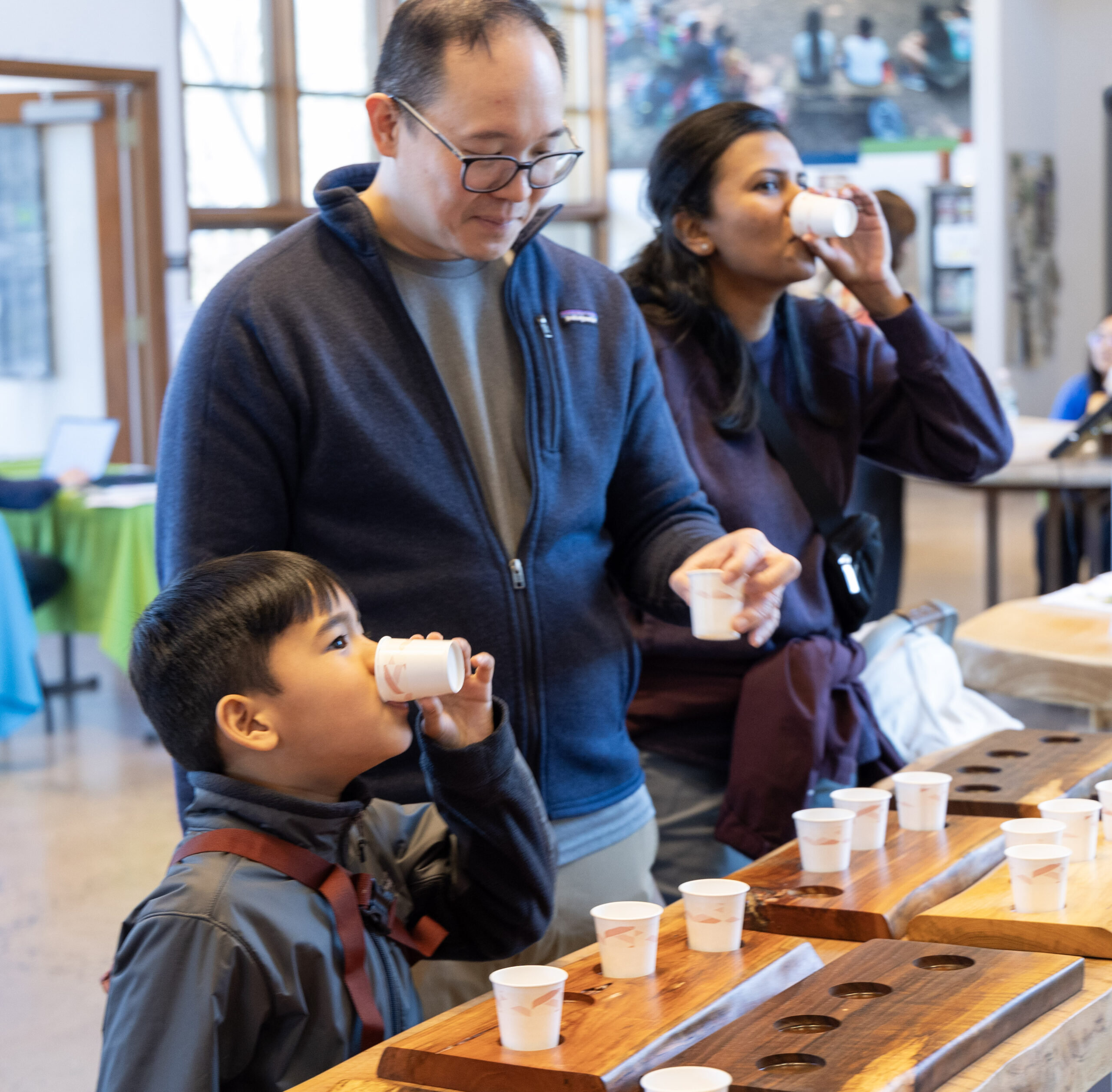
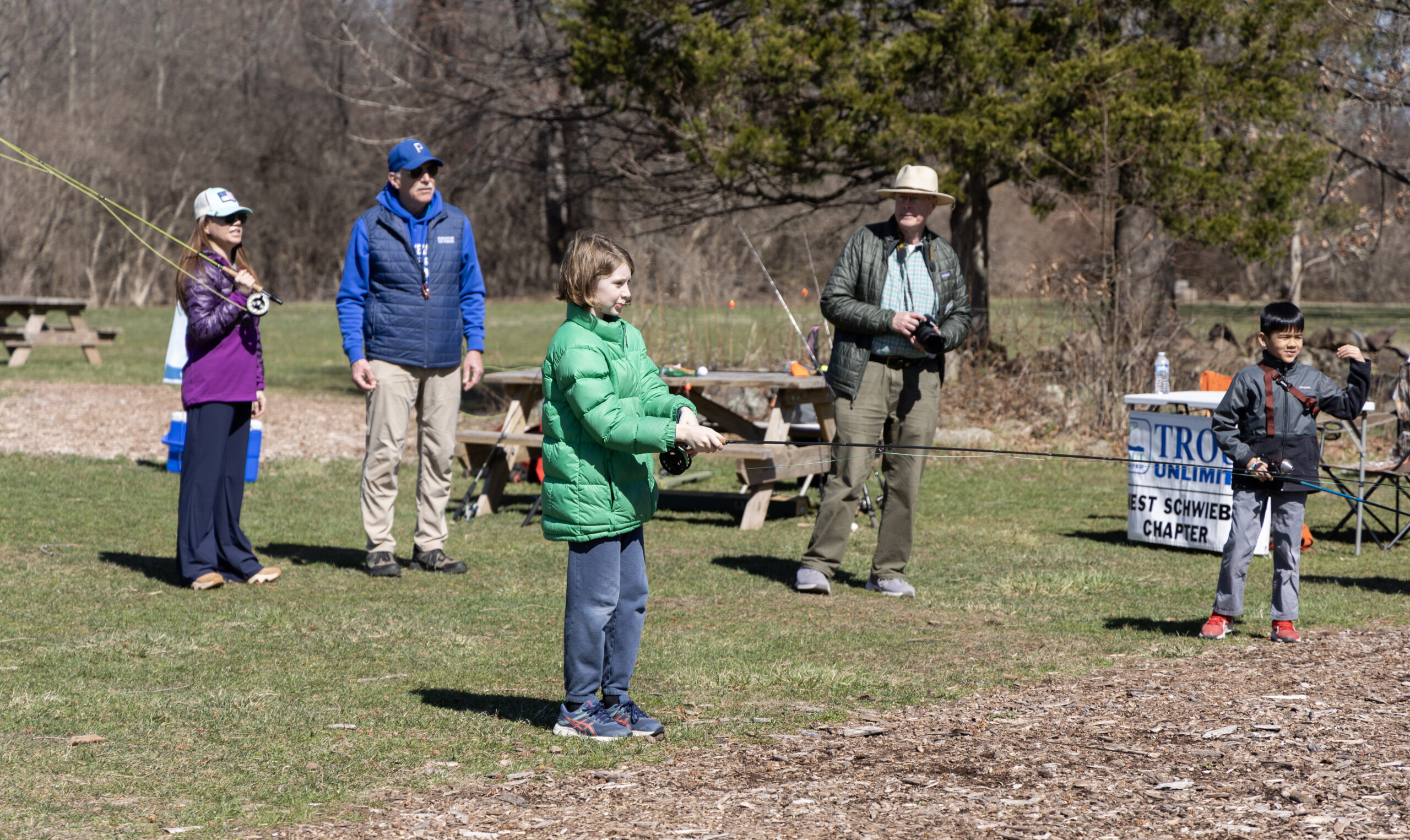
The annual event offered a wide range of activities designed to connect residents with the science, beauty, and everyday importance of clean water. Visitors sampled local drinking water sources in a blind taste test, explored exhibits on conservation and renewable energy, attempted casting with members of the Ernest Schwiebert Chapter of Trout Unlimited, and joined educators on guided walks.
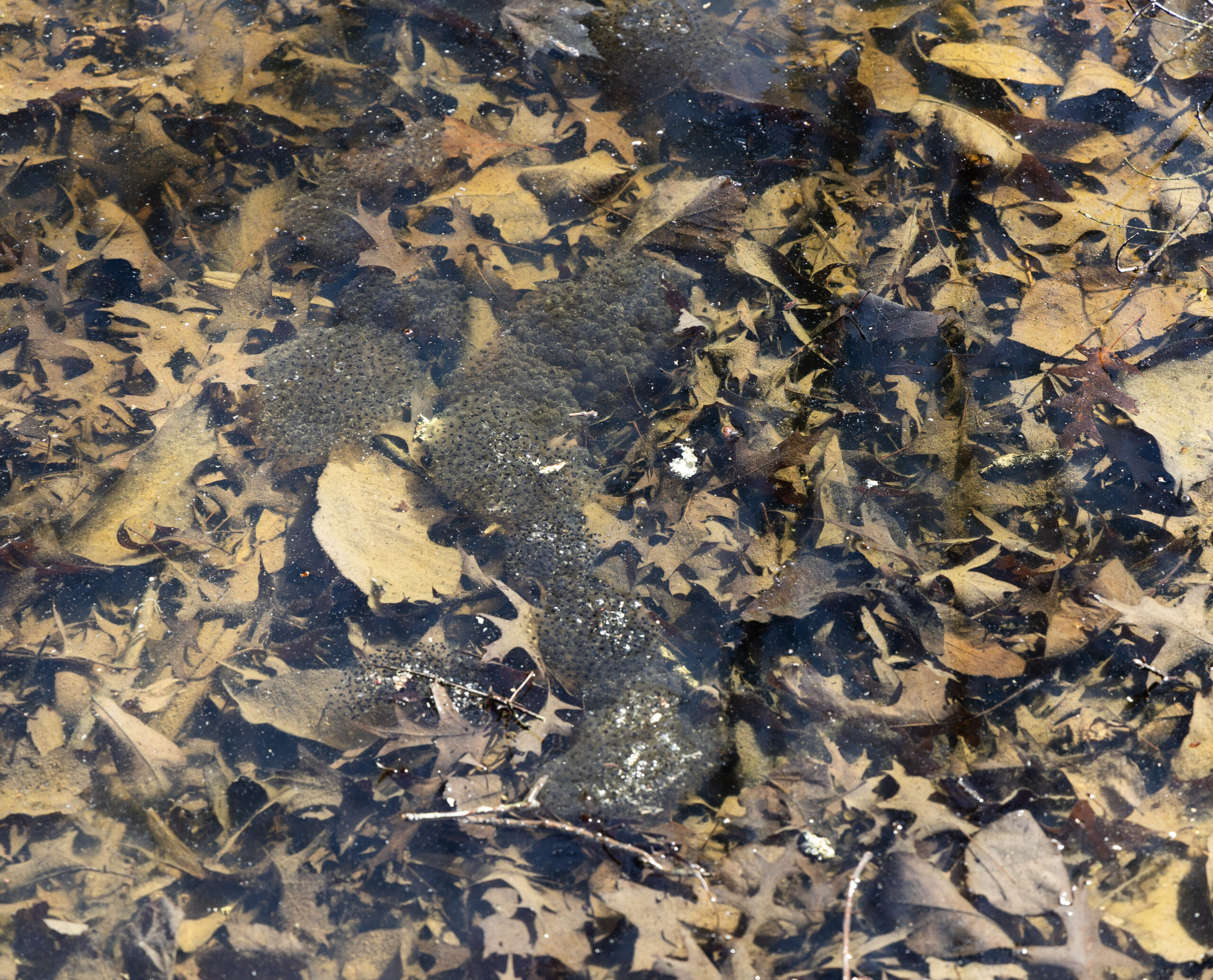
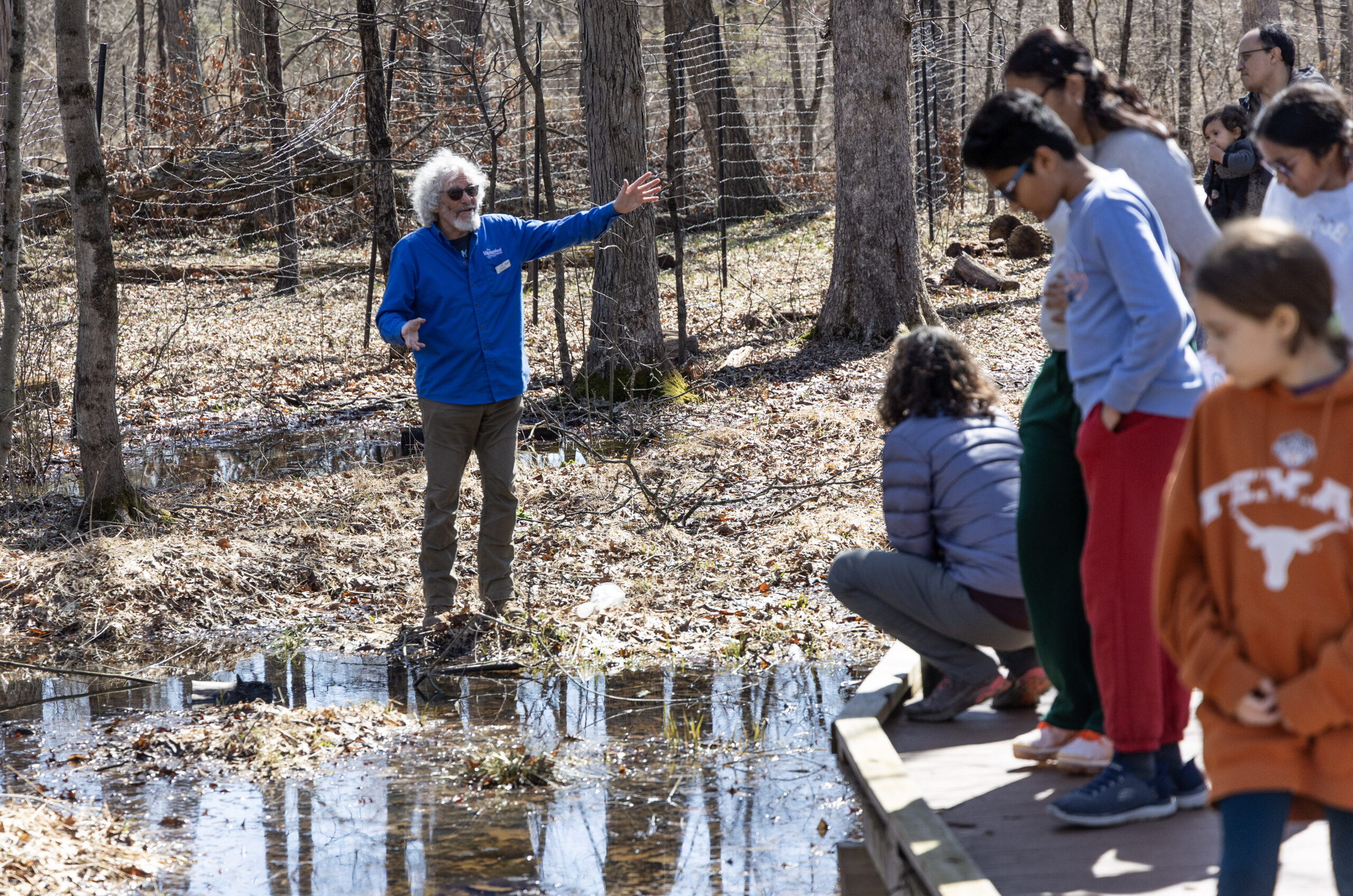
Along the boardwalk loop trail, participants had the chance to spot wood frog egg masses and listen for the high-pitched calls of spring peepers — early signs of seasonal change in the Hopewell Valley.
“It’s important to have people at the Watershed to connect with the outdoors and to remember that our water is what keeps us healthy, and we all have a role in protecting it,” said Sophie Glovier, Chief of Strategy and Program at The Watershed Institute.
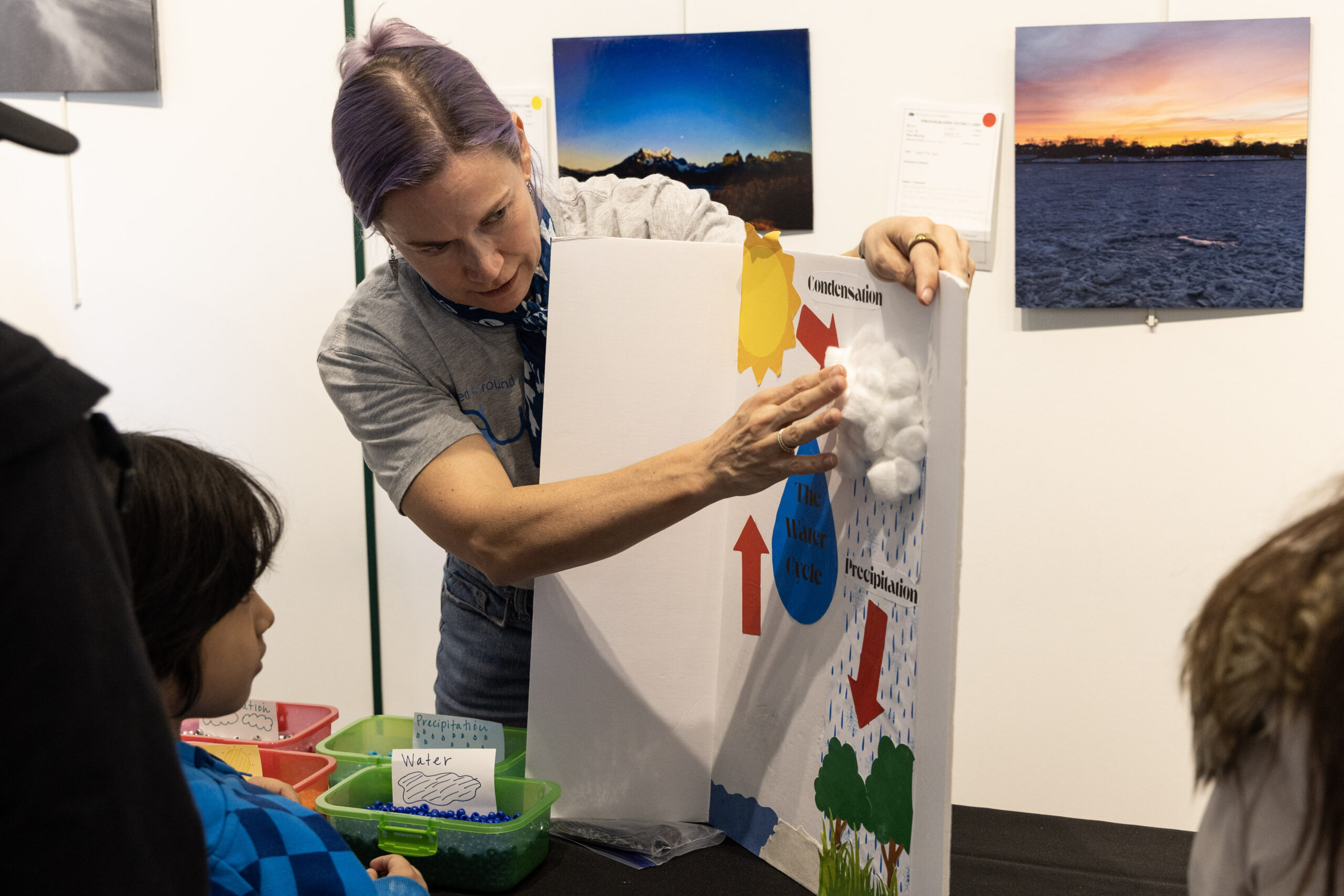
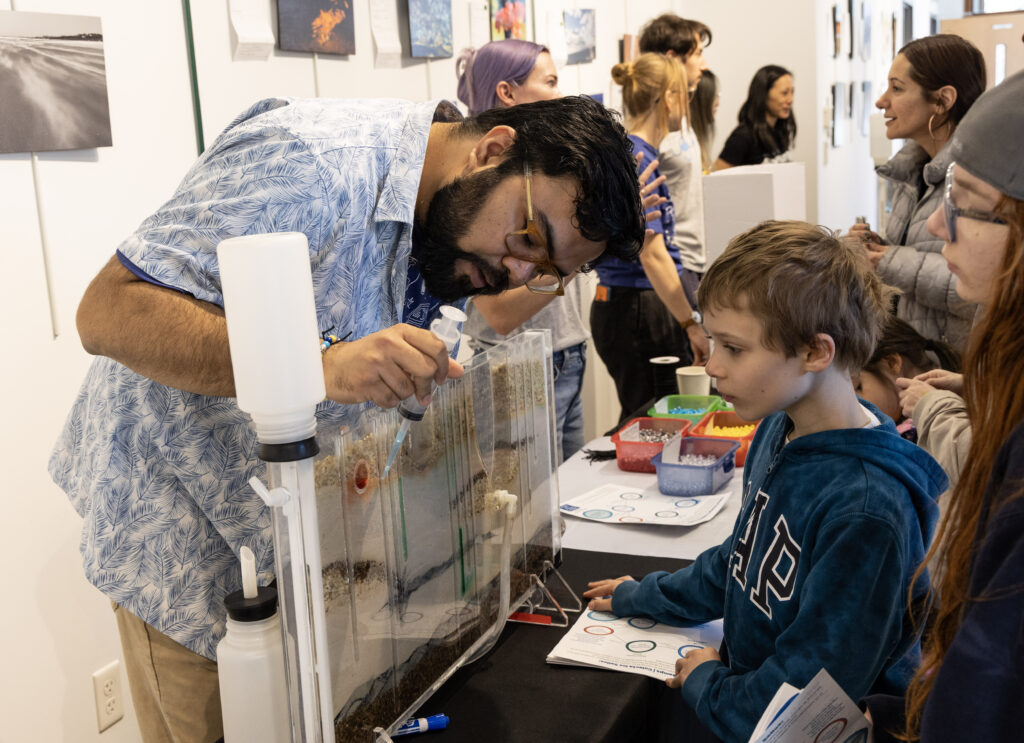
Educational demonstrations highlighted how groundwater moves beneath the surface and how everyday actions can affect water quality. Staff and volunteers also discussed “River Friendly” practices that homeowners and communities can adopt to reduce pollution and protect local streams.
A vernal pool walk led by Education Director Jeff Hoagland provided a close-up look at fragile seasonal habitats that support amphibians and other wildlife. The experience underscored how small ecosystems contribute to the broader health of regional waterways.
This year’s program also featured participation from partner organizations and scientists who shared research and career pathways tied to water stewardship.
World Water Day, observed globally each March, serves as a reminder of water’s central role in public health, environmental sustainability, and economic resilience. At the Watershed, the focus remained firmly local — encouraging participants to see the connection between their daily lives and the streams, aquifers, and wetlands that sustain the Hopewell Valley.