
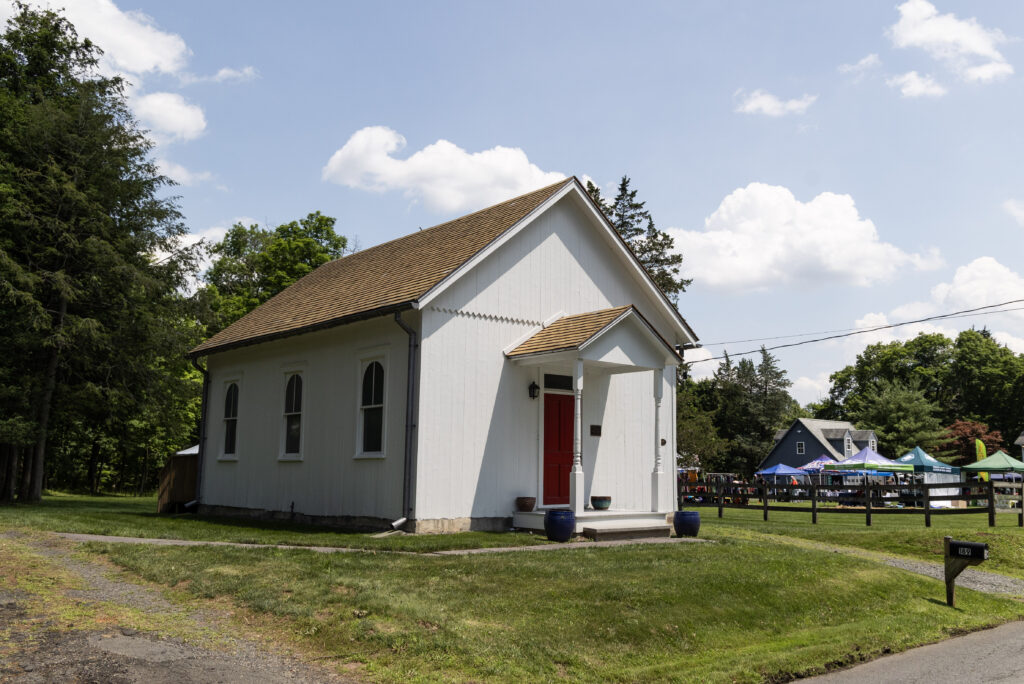
The sun beat down on the Sourland foothills Saturday as families, performers, and community leaders gathered at Mt. Zion AME Church in Skillman to celebrate Juneteenth—a day of remembrance, freedom, and reclamation.
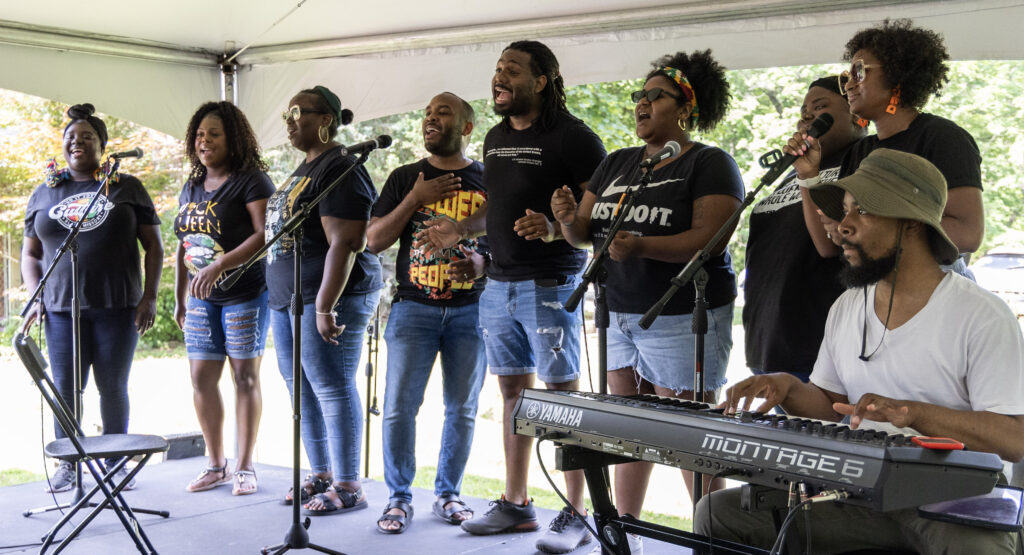
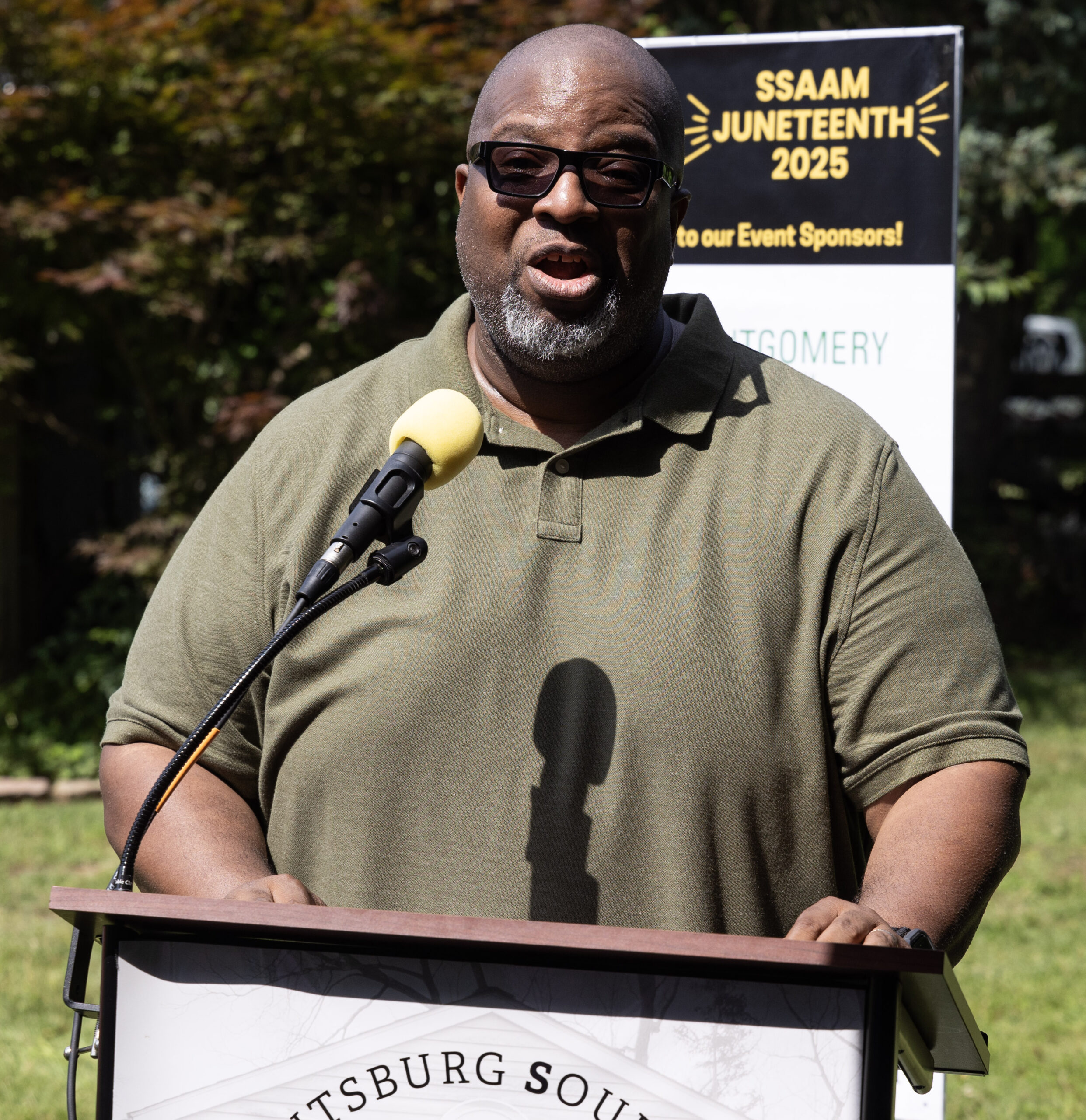
The Stoutsburg Sourland African American Museum (SSAAM), Central New Jersey’s only Black history museum, hosted its fourth annual Juneteenth celebration on June 21, drawing a cross-generational crowd to the historic church and museum grounds for an afternoon of storytelling, music, art, and cultural reflection.
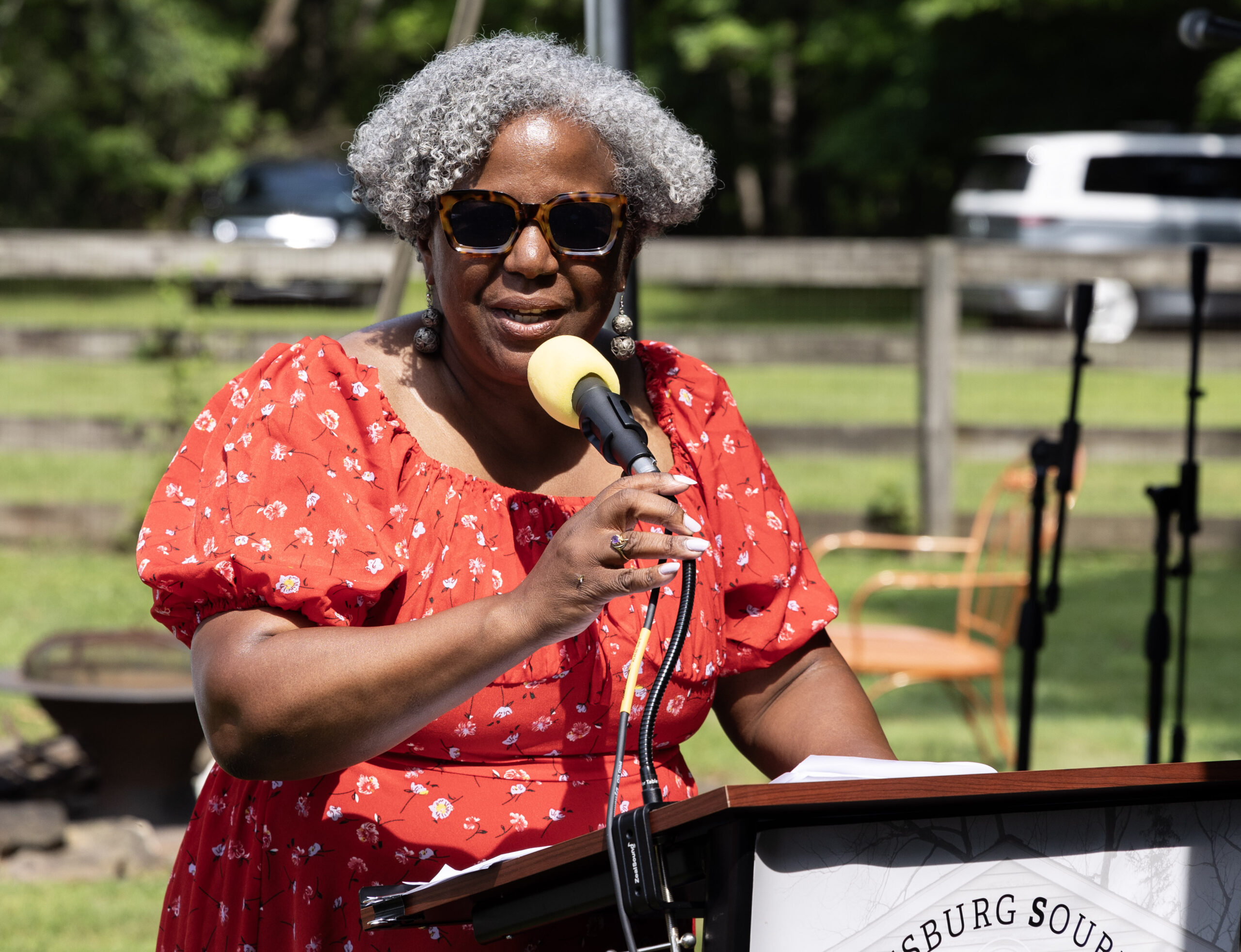
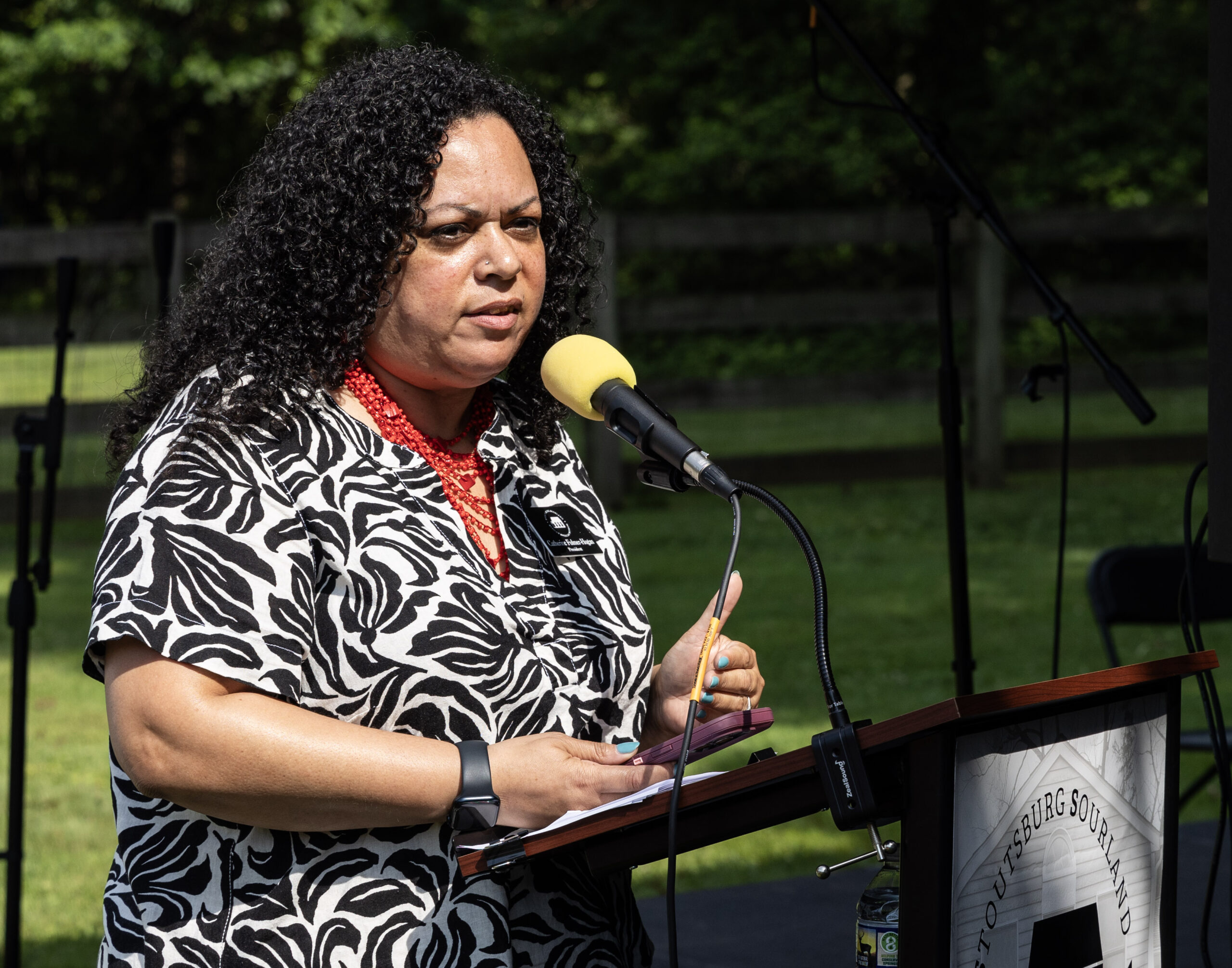
“This year, it was really important in the context of our national story to allow people an interactive experience with the history,” said SSAAM Executive Director Anita Williams Galiano, who stepped into the role in April. “To understand what it could emotionally feel like for people to discover freedom—but also have a real structure for stepping into it.”
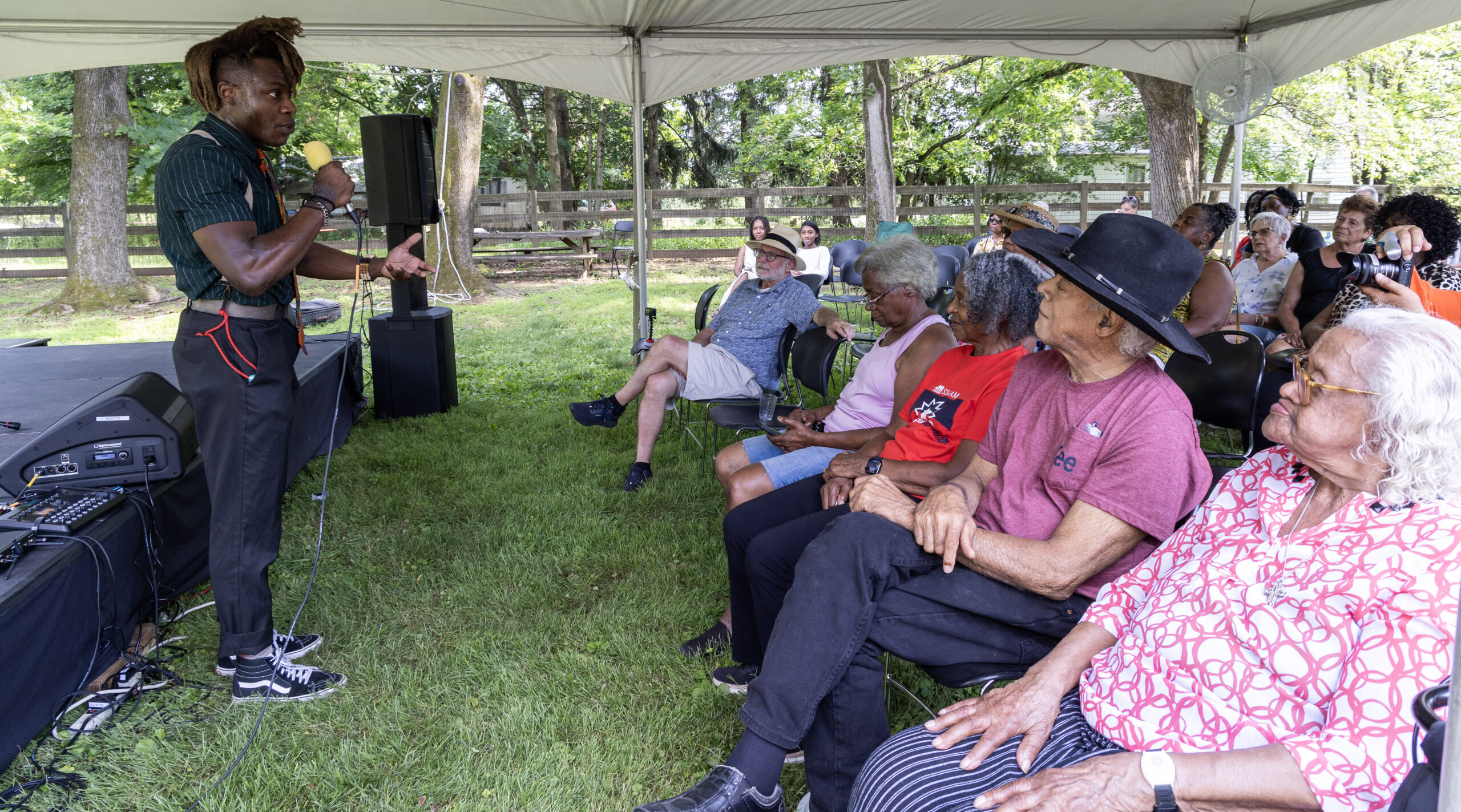
The theme for this year’s event—Stories of Freedom—was visible throughout the grounds. The day featured spoken word performances, drumming workshops for children, soul and gospel music, and the debut of Growing Up True, a children’s book commissioned by SSAAM and inspired by local oral history.
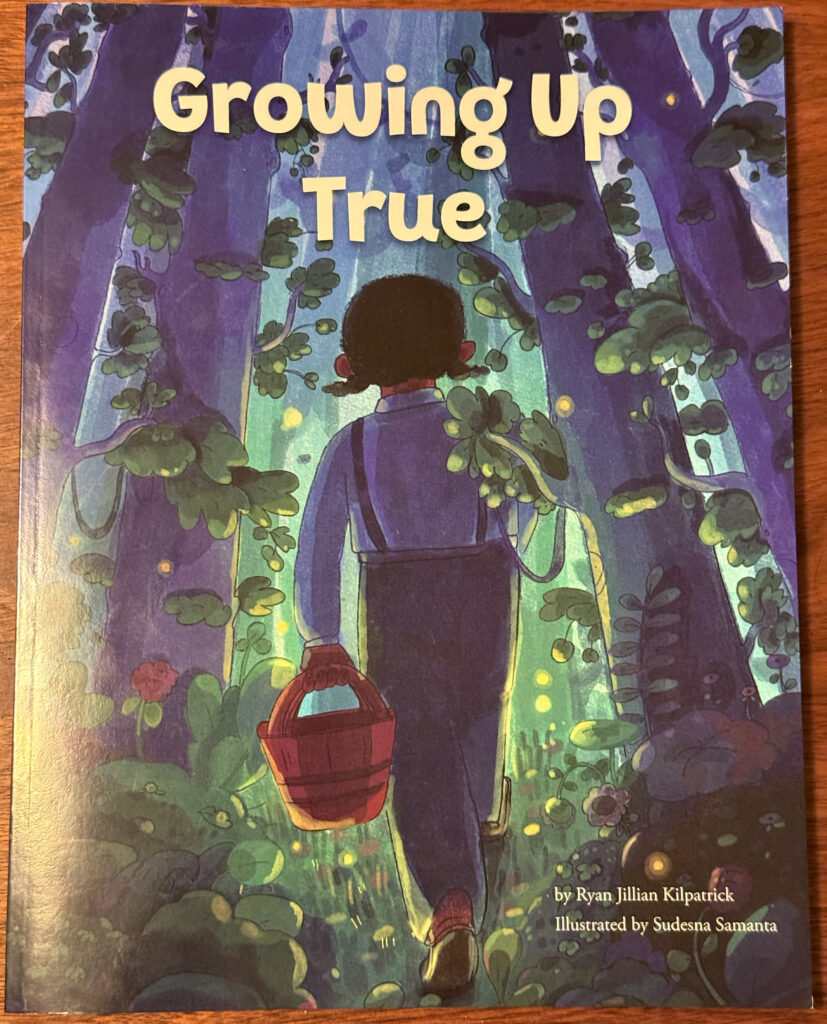
Authored by Ryan Jillian Kilpatrick and illustrated by Sudesna Samanta, Growing Up True follows a young girl named Patty True on her family’s final day at their Sourland Mountain farm, located in the same community where SSAAM now stands. Sent to pick blackberries for a cobbler, she stumbles into a world of natural adventure, guided by memory and family connection.
“For me, this was home,” said Patricia Payne, a retired academic librarian and SSAAM board member whose childhood inspired the story. “If kids could look at that book and envision their own backyard… maybe they’ll find wild strawberries, maybe they’ll find gooseberries. But the idea is being able to have your own adventure in your own yard.”
Payne, who grew up on the property that is now home to SSAAM and can trace her ancestry back to Friday Truehart—a man who was enslaved and brought to Hopewell—said the book is a tribute to family, storytelling, and Black land stewardship. “This is all about family,” she said. “And it’s wonderful to be able to come back and share that family.”
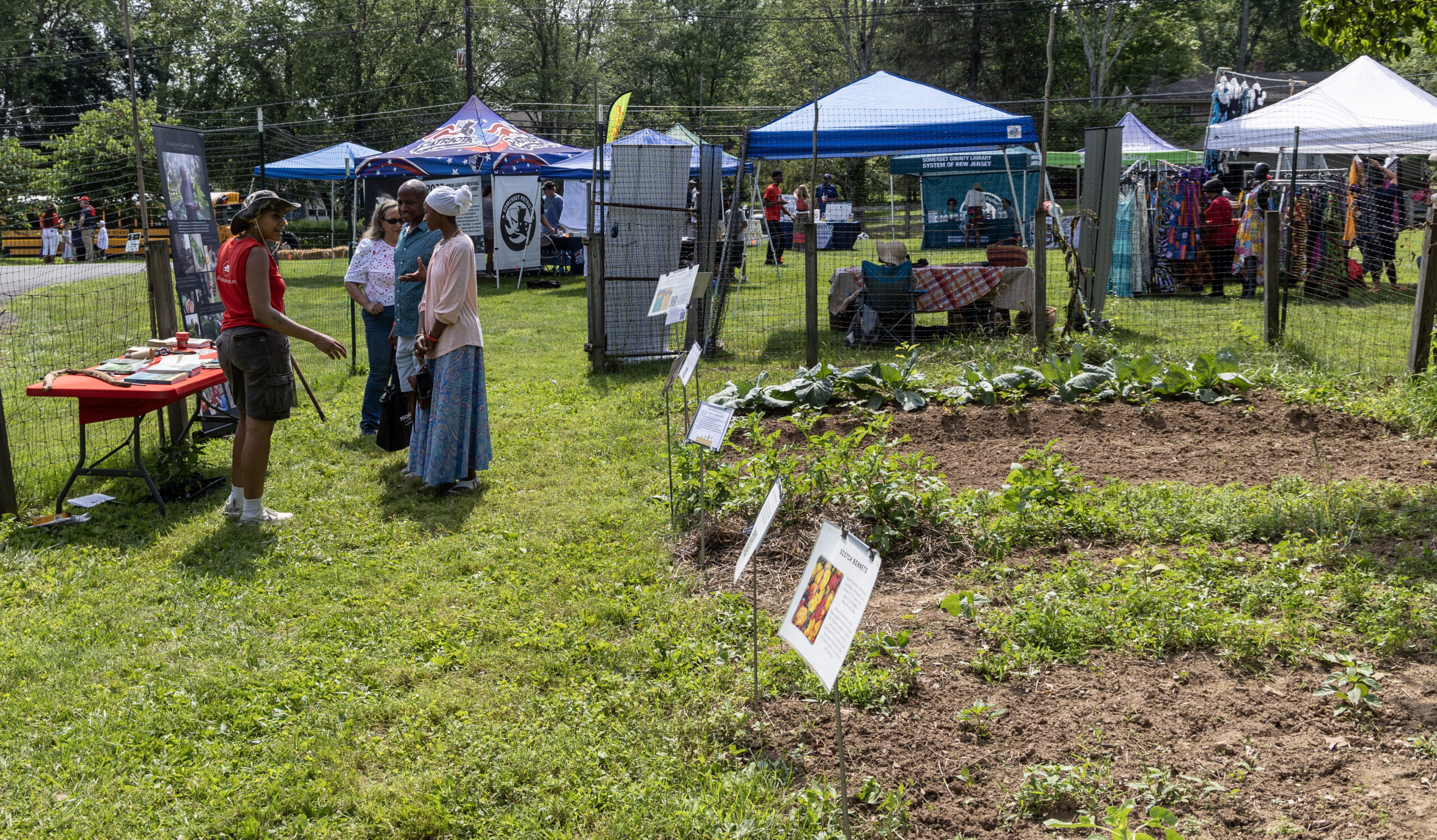
Held annually since Juneteenth was recognized as a federal holiday in 2021, SSAAM’s celebration has grown into a wide-reaching cultural event. This year, in addition to its main stage, the museum hosted oral history booths, museum tours, local vendors, an artisan market, and educational booths throughout the shaded property.
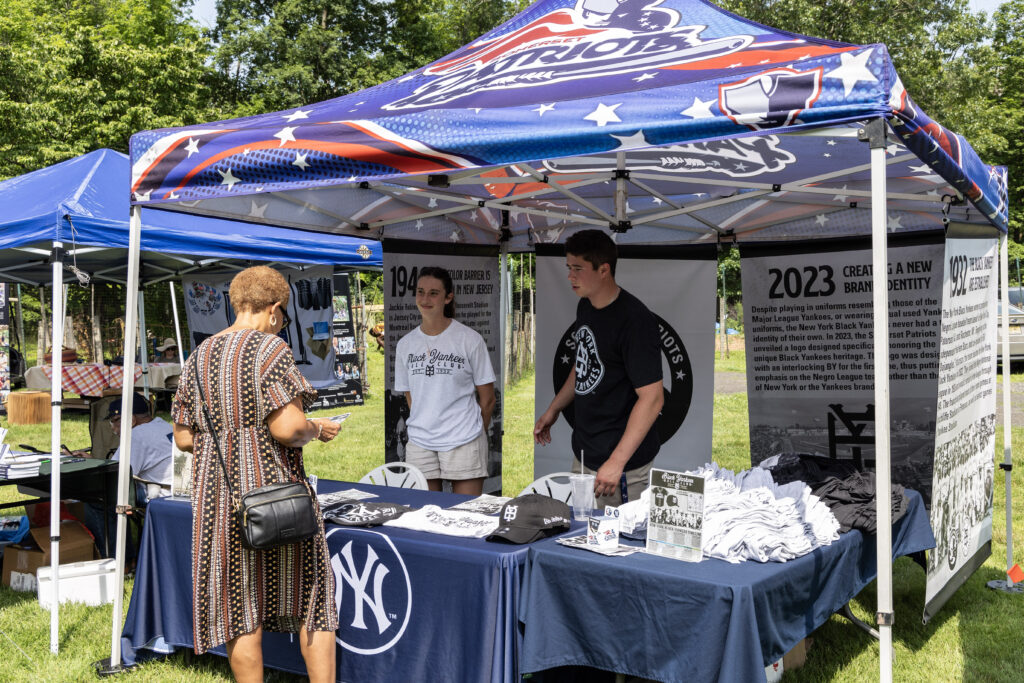
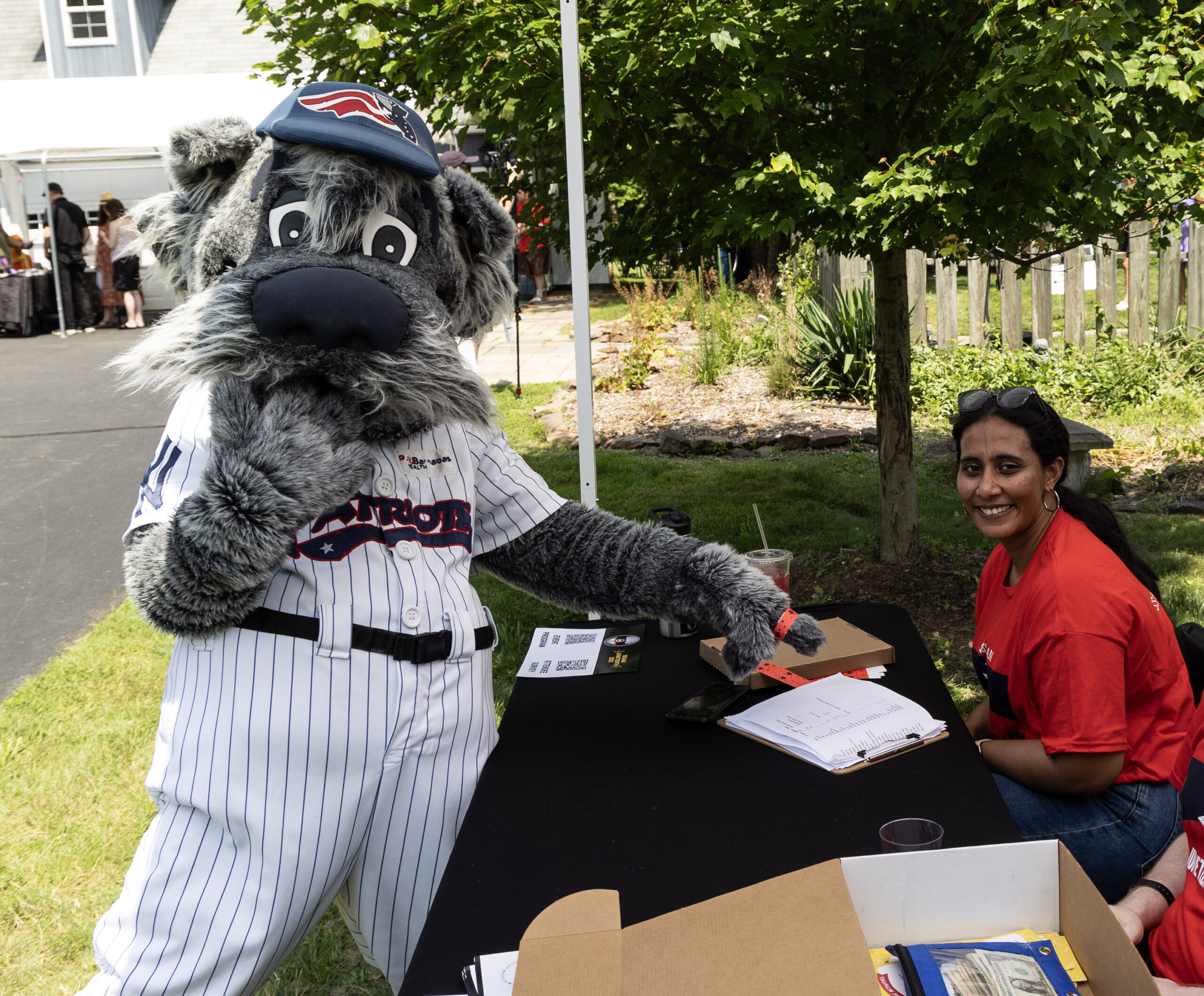
One tent featured the Somerset Patriots, who will host their “Black Yankees” tribute game on August 2. At that game, players will wear Negro Leagues-inspired uniforms, and former players Dennis Biddle and James Cobbin are expected to attend. SSAAM will also unveil a new baseball-themed exhibit later this summer.
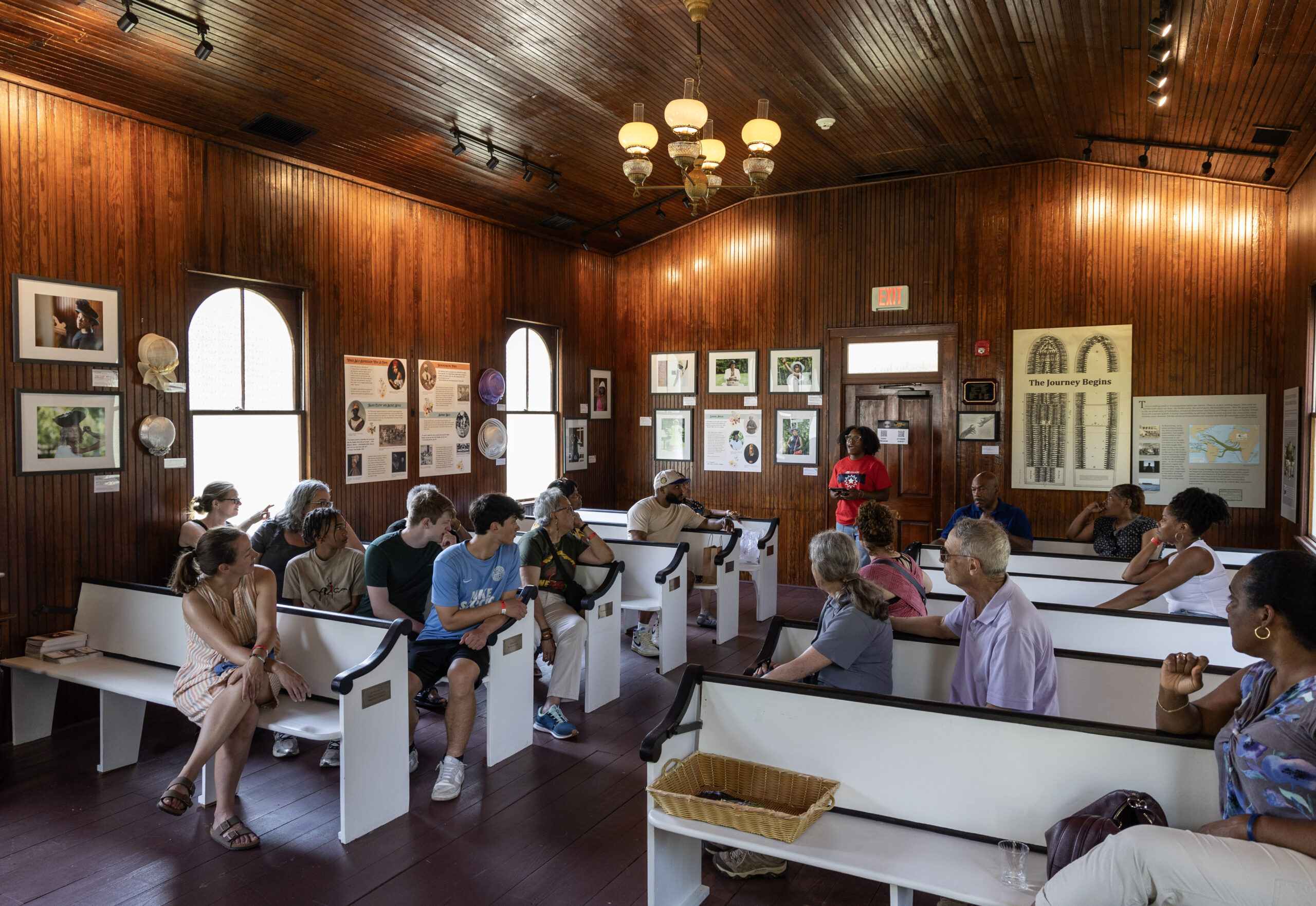
Inside the historic Mt. Zion AME Church, visitors viewed The Head That Wears the Crown, a striking exhibit honoring African American women’s church hats and headwear. Guides shared stories of the building’s 19th century congregation, its listing on the National Register of Historic Places, and its broader role as a spiritual and cultural anchor for African Americans across the Sourlands.
That regional context was central to the day. SSAAM draws from a unique patchwork of African American history in the region—spanning Montgomery, Hopewell, Pennington, and the valleys and ridges of the Sourland Mountain. From the long-disappeared Black village of Minnietown to the still-remembered Truehart House, the area is home to stories both visible and buried.
“Sometimes we don’t have everything written down. There is no record there,” said Williams Galiano. “But interacting with history is history-making.”
That spirit was amplified in a performance of The Ground On Which We Stand, a powerful solo play by Luna Stage, written and performed by Naja Selby-Morton and directed by Luna artistic director Ari Laura Kreith. The play tells the story of the James Howe House in Montclair, the first home in that township to be owned by a formerly enslaved person. Interweaving abolitionist history, Black soldiers’ experiences, and battles over preservation, the play connected directly to SSAAM’s mission.
“This is the first time we’ve performed it outside of Montclair,” said Kreith. “We created this piece to reflect over 200 years of African American experience—and how a community can come together to fight for historic preservation.”
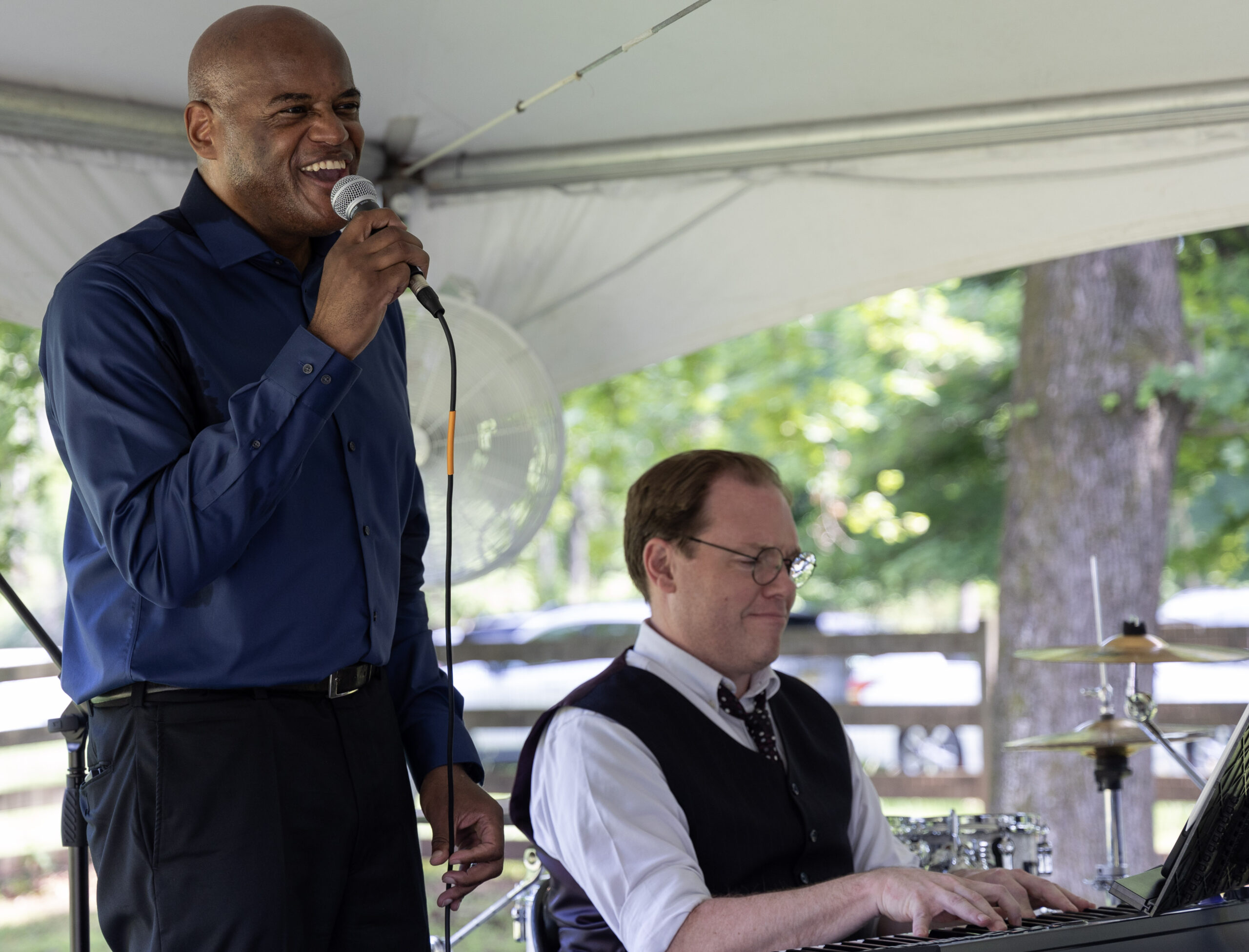
The day’s spoken word lineup—featuring nationally recognized poets including James C. Ellerbe, Ameerah Shabazz, and Rashad Wright, former poet laureate of Jersey City—brought wisdom and modern urgency. Children clapped through drum circles with Mr. Boom Boom. Keith Spencer captivated the tent with gospel storytelling. Local singers lifted harmonies over the lawn as the day heated up.
As visitors moved through the grounds—pausing at the Heirloom Garden Oral History Project, exchanging stories, leafing through Growing Up True, and sharing meals with family—the broader message of SSAAM’s work came into focus.
“This area has regional importance,” said Williams Galiano. “We’re telling the story of reclaiming traditionally Black-owned land—and we reach into communities across Somerset, Mercer, and Hunterdon counties.”
That land once included dozens of African American homes, farms, churches, and villages. Some are gone. Others are hidden. Many still live in memory. SSAAM’s Juneteenth celebration, shaped by history and led by community, offered a place for them all to be remembered.